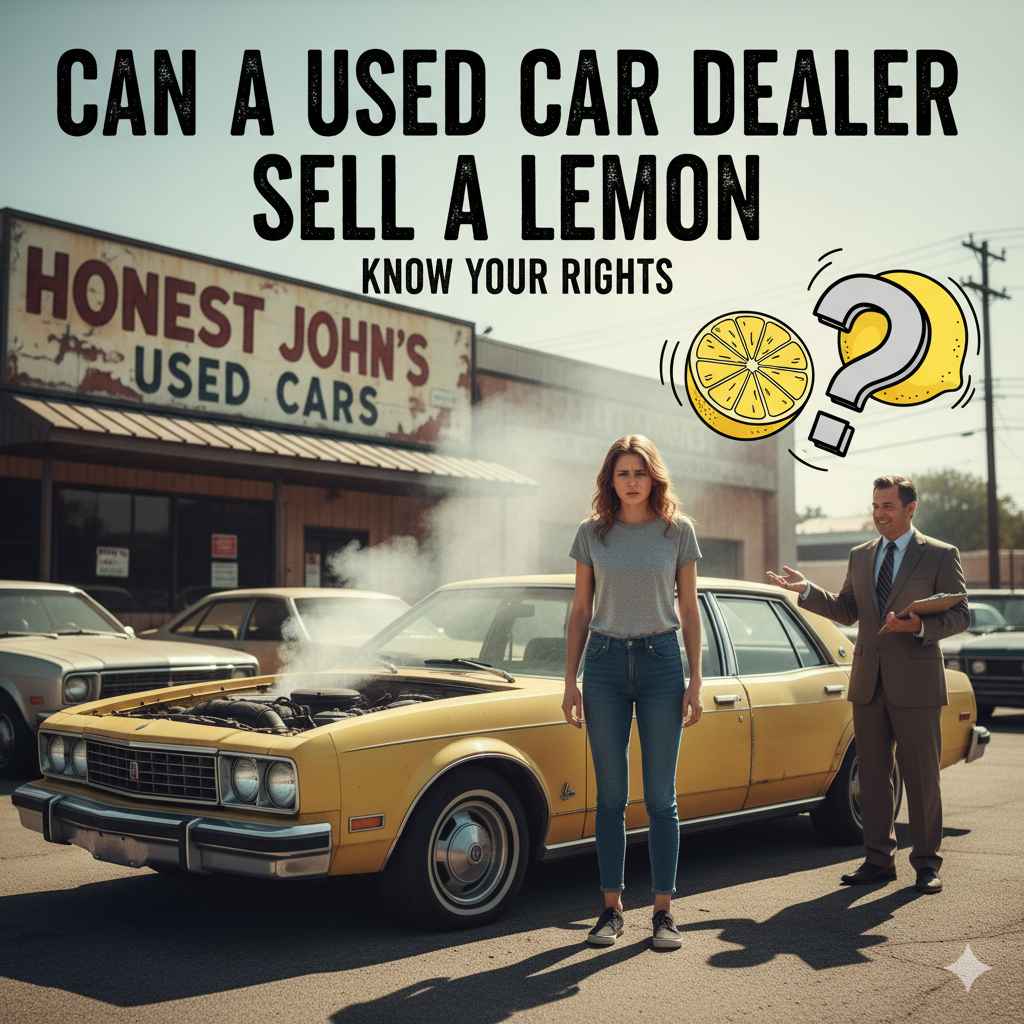
Can A Used Car Dealer Sell A Lemon? Proof It’s Essential
Can a used car dealer sell a lemon? Yes, but consumer protection laws can help. Knowing your rights and how to inspect a car is key to avoiding a bad deal. This guide will show you how to protect yourself.
Buying a used car can feel like a gamble. You want a reliable ride without breaking the bank, but the fear of getting a “lemon” – a car with serious hidden problems – often hangs over the purchase. It’s a common worry because, sadly, not all used car dealers are upfront. This guide is here to demystify the process. We’ll explore your rights as a buyer, how to spot potential problems, and what steps you can take to ensure you drive away happy, not frustrated. Let’s get you the confidence to make a smart used car purchase!
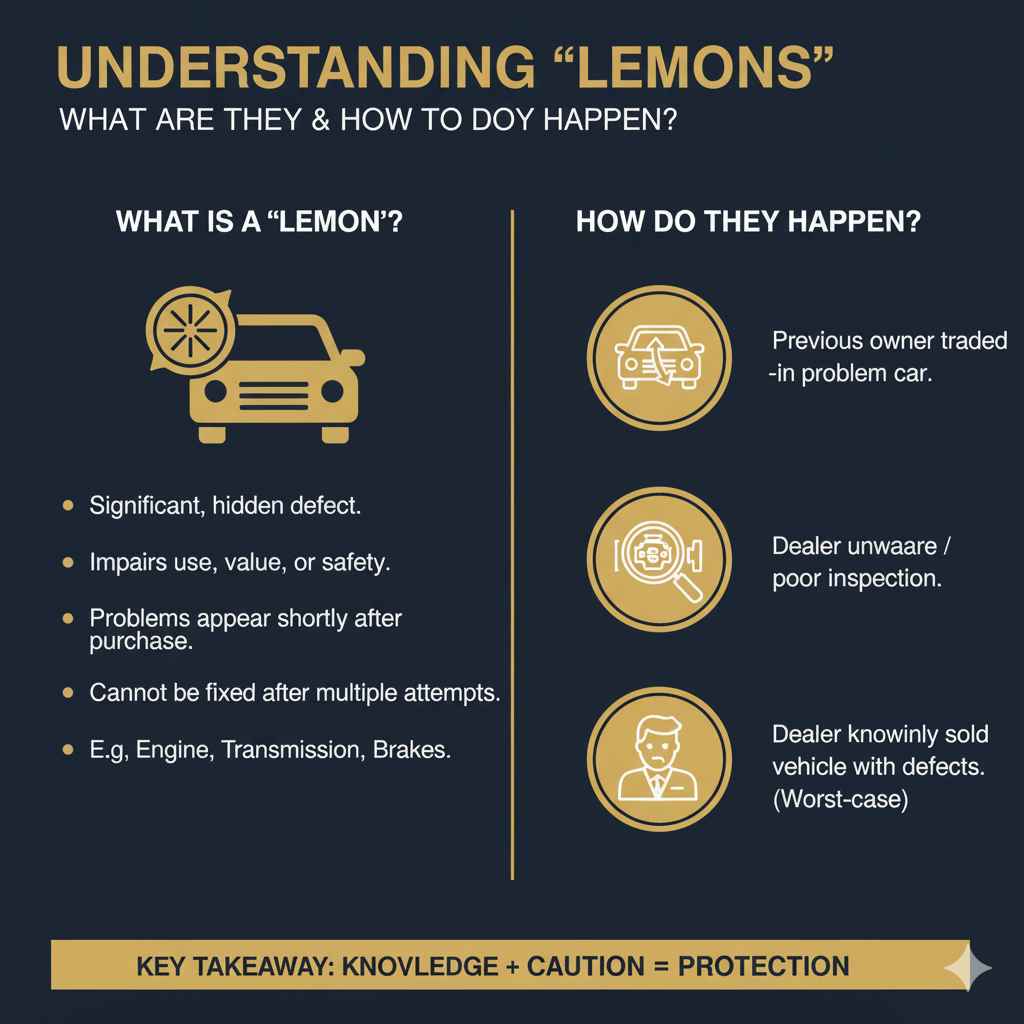
Understanding “Lemons”: What Are They and How Do They Happen?
When we talk about a “lemon” in the context of cars, we’re referring to a vehicle that has a defect or condition that significantly impairs its use, value, or safety. Critically, these problems typically appear shortly after purchase and cannot be fixed after a reasonable number of repair attempts. It’s not just about a squeaky door hinge; it’s usually about persistent, costly issues like engine trouble, transmission failures, or brake problems.
The unfortunate reality is that sometimes, vehicles with these kinds of undisclosed issues end up on used car lots. This can happen for several reasons. A previous owner might have traded in a problematic car to avoid dealing with its repairs. Sometimes, dealers may not be fully aware of all the underlying issues a car has, especially if it wasn’t thoroughly inspected or had its history misrepresented. In the worst-case scenarios, a dealer might knowingly sell a vehicle with serious defects, hoping the buyer won’t discover them until it’s too late.
The good news is that laws and common sense practices are in place to protect you. Understanding these can make all the difference between scoring a great deal and regretting a major purchase.
Can a Used Car Dealer Legally Sell a Lemon?
This is the big question, and the answer is nuanced. Generally, there isn’t a federal law that prevents a used car dealer from selling a car that becomes a lemon for the buyer. However, state laws and the concept of “implied warranties” can offer significant protection. Here’s a breakdown:
“As-Is” Sales and Their Limitations
Many used cars are sold “as-is.” This means the seller is offering no warranty on the vehicle. If something goes wrong after you buy it, you’re typically responsible for the repair costs. While “as-is” sales are legal, they don’t give dealers a free pass to deceive buyers.
Even with “as-is” sales, dealers cannot:
- Misrepresent the condition of the vehicle.
- Hide known major defects from you.
- Tamper with the odometer to show a lower mileage than actual.
If a dealer actively misleads you about a car’s condition, even in an “as-is” sale, you may have legal recourse. This concept is often referred to as “fraud” or “misrepresentation.”
State Lemon Laws: A Closer Look
You might be familiar with “lemon laws” for new cars. Did you know many states also have regulations that offer some protection for used car purchases? These vary significantly from state to state, but they often focus on:
- Disclosure Requirements: Dealers may be required to disclose known major mechanical defects or if the car has been in a significant accident.
- Implied Warranties: Some states imply a warranty of merchantability, meaning the car should be fit for its ordinary purpose (i.e., driving) for a reasonable period. An “as-is” sale can sometimes disclaim these, but the rules for doing so are strict.
- Specific Protections: A few states have specific used car lemon laws that might require dealers to offer a limited warranty or buy-back option for certain vehicles within a short timeframe.
It’s crucial to understand your specific state’s laws. You can often find this information on your state’s Attorney General’s website or a consumer protection agency.
For example, the Federal Trade Commission (FTC) Used Car Rule requires dealers to display a Buyer’s Guide on the window of each used car they offer for sale. This guide explains whether the car is being sold with a warranty or “as-is.” It also advises buyers to ask the dealer to put any promises in writing.
Buyer’s Guide and Your Rights
The FTC’s Used Car Rule mandates that dealers provide a “Buyer’s Guide.” This is a window sticker that contains important information. It must state:
- Whether the car is being sold with a warranty (and details of that warranty) or “as-is.”
- The percentage of repair costs the dealer will pay under warranty, if applicable (“full” or “limited” warranty).
- A list of some major systems and their potential problems (e.g., engine, transmission, brakes).
- Space for the dealer to add any specific promises made – like fixing a leaky sunroof.
- A recommendation to get an independent inspection before purchase.
This Buyer’s Guide is a critical document. It serves as proof of what was disclosed at the time of sale. If the dealer fails to display it, or if information on it contradicts what the salesperson told you, it’s a major red flag.
Proof It’s Essential: How to Protect Yourself from Buying a Lemon
You’ve heard the saying, “An ounce of prevention is worth a pound of cure.” When buying a used car, this is absolutely true. Being proactive can save you immense heartache and money. Here’s how to gather your own “proof” that you’re making a sound investment:
1. Do Your Homework: Research is Key
Before you even set foot on a dealer lot, know what you’re looking for. Research specific makes and models that fit your needs and budget. Look for:
- Reliability Ratings: Sites like Consumer Reports and J.D. Power offer historical data on car reliability.
- Common Problems: Search online forums and review sites for common issues reported by owners of the models you’re considering.
- Market Value: Use resources like Kelley Blue Book (KBB) or NADA Guides to understand the fair market value so you don’t overpay.
2. Inspect the Car Thoroughly (Your Own Checklist)
When you’re at the dealership, don’t rush. Take your time and look at the car carefully. Here’s a beginner-friendly checklist:
Exterior Inspection:
- Paint & Body: Look for mismatched paint colors (indicating repairs), rust (especially around wheel wells, doors, and the undercarriage), dents, or significant scratches.
- Tires: Check for even wear. Uneven wear can signal alignment or suspension problems. Look for cracks or bulges.
- Glass: Inspect for chips or cracks in the windshield and windows.
- Lights: Ensure all headlights, taillights, turn signals, and brake lights are working.
Interior Inspection:
- Upholstery & Carpets: Look for tears, stains, mold, or unusual smells (like dampness or smoke).
- Dashboard: Check that all warning lights illuminate when you first turn the key, and then turn off after the engine starts. Any persistent warning lights (check engine, ABS, airbag) are serious issues.
- Electronics: Test the radio, air conditioning, heater, power windows, locks, mirrors, and sunroof.
- Pedals & Steering Wheel: Excessive wear can indicate very high mileage, even if the odometer suggests otherwise.
Under the Hood:
Don’t be intimidated! You don’t need to be a mechanic to look for obvious signs.
- Fluid Levels: Check engine oil, coolant, brake fluid, and power steering fluid. Are they at the correct levels? Is the oil dark and sludgy, or clean?
- Belts & Hoses: Look for cracks, fraying, or softness in the belts and hoses.
- Battery: Check for corrosion on the terminals.
- Leaks: Look for any obvious signs of fluid leaks under the car or on the engine components.
Test Drive: The Most Important Step
This is where you feel how the car really performs. Drive it in various conditions:
- Starting: Does it start easily?
- Engine: Listen for strange noises (knocking, ticking). Does it accelerate smoothly?
- Transmission: Does it shift gears smoothly, both automatically and manually? Any jerking or slipping?
- Brakes: Do they feel firm? Does the car pull to one side when braking? Any squealing or grinding sounds?
- Steering: Does the steering feel responsive? Any pulling to one side? Any strange noises when turning?
- Suspension: Drive over bumps and listen for clunks or rattles. Does the car feel stable?
- Exhaust: Is there excessive smoke (blue, white, or black)?
3. Get a Pre-Purchase Inspection (PPI) – This is Your Strongest Proof
This is arguably the most critical step in protecting yourself. Before you sign any papers, take the car to an independent mechanic you trust. A PPI is a thorough inspection performed by a professional mechanic.
Why is this essential?
- Expert Eyes: Mechanics have the tools and knowledge to spot problems you might miss, including hidden structural damage, engine issues, or impending failures.
- Objective Opinion: They have no stake in the sale, so their report is unbiased.
- Bargaining Power: If the mechanic finds issues, you can use the report to negotiate a lower price or ask the dealer to make repairs.
- Avoid Costly Mistakes: A PPI can cost anywhere from $100 to $300, but it can save you thousands in future repair bills.
You can find reputable independent mechanics through online reviews, asking friends for recommendations, or contacting an automotive association like the National Institute for Automotive Service Excellence (ASE) to find certified technicians.
4. Review the Paperwork Carefully
Never feel pressured to sign anything immediately. Read every document thoroughly.
- Buyer’s Guide: Ensure it’s there and accurately reflects what you were told.
- Bill of Sale: This should clearly state the vehicle’s VIN (Vehicle Identification Number), price, and any specific terms of the sale.
- Warranty Information: If the car comes with a warranty (dealer or third-party), understand exactly what it covers, for how long, and what the claims process is.
- “As-Is” Clause: If the car is sold “as-is,” make sure this is clearly stated and that no verbal promises contradict this. In some states, verbal promises can be legally binding, but it’s harder to prove.
5. Understand Vehicle History Reports (CarFax, AutoCheck)
These reports can provide valuable information, such as reported accidents, title issues (salvage, flood, lemon buyback), odometer discrepancies, and service records. However, remember:
- Not Perfect: These reports are only as good as the data reported to them. Not all accidents or repairs are reported.
- Complementary Tool: Use them to flag potential issues for further investigation or as part of your PPI. Don’t rely on them solely.
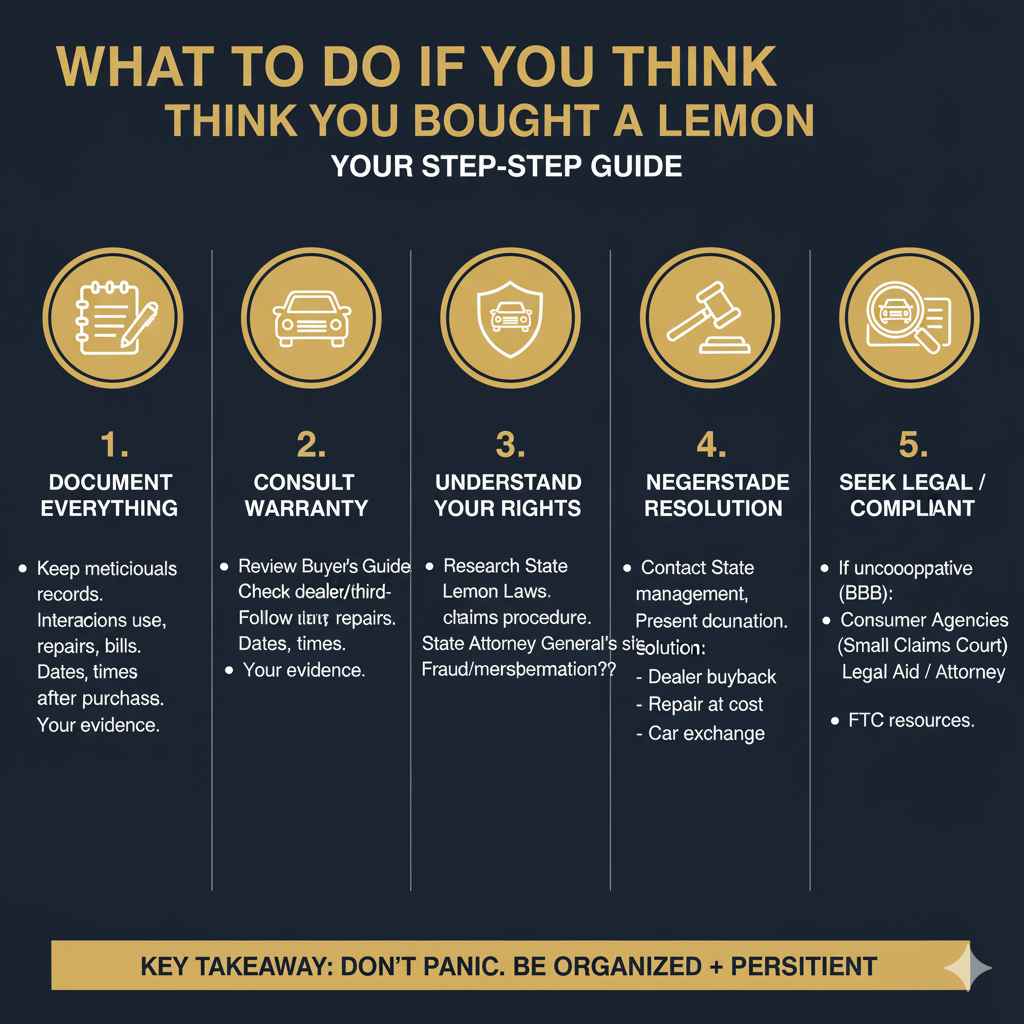
What to Do If You Think You Bought a Lemon
Despite your best efforts, you might end up with a car that seems to be a lemon. Don’t panic. Here’s what you can do:
1. Document Everything
Keep meticulous records of every interaction with the dealer, every repair attempt, and every repair bill. Note dates, times, names of people you spoke with, and what was discussed or done. This documentation is your evidence.
2. Consult the Buyer’s Guide and Any Warranty
If the car is still under a warranty (either from the dealer or a third party you purchased), follow the claims procedure outlined in the warranty documents. Contact the dealer and explain the issues and your attempts to get them resolved.
3. Understand Your State’s Lemon Laws and Consumer Protection
Research your state’s specific laws regarding used cars. Some states have strong protections. You can often find information on your state’s Attorney General’s website. If the dealer sold the car fraudulently or misrepresented its condition, you may have a case.
4. Try to Negotiate a Resolution with the Dealer
Contact the dealership’s management. Clearly explain the problems, present your documentation, and propose a solution. This could be:
- The dealer buying back the car
- The dealer repairing the car at their expense
- The dealer exchanging the car for a different, comparable vehicle
5. Seek Legal Advice or File a Complaint
If the dealer is uncooperative, you might need to escalate.
- Consumer Protection Agencies: File a complaint with your state’s Attorney General’s office or the Better Business Bureau (BBB).
- Small Claims Court: For less severe cases or to recover repair costs, small claims court can be an option.
- Legal Aid: If the issue is significant, consult with an attorney specializing in consumer law. Many offer initial free consultations.
Resources like the FTC’s guide on how to fight an unfair practice can also provide actionable steps.
Used Car Sales: A Table of Potential Red Flags
Here’s a quick reference table of common red flags to watch out for when inspecting a used car and dealing with a dealer:
| Red Flag | What It Might Mean | Your Action |
|---|---|---|
| Dealer resists a pre-purchase inspection (PPI) | They may be hiding something or the car has significant issues. | Walk away. A reputable dealer will encourage a PPI. |
| “As-Is” sticker missing or incorrect | Violation of FTC rule; potential deception. | Ask for it to be corrected or report the dealer. |
| Lots of warning lights on the dashboard | Serious engine, transmission, or other system problems. | Do not buy. Advise the dealer to fix it first. |
| Unusual noises (grinding, knocking, squealing) | Potential mechanical failures in engine, brakes, or transmission. | Stop test drive, investigate further with mechanic. |
| Uneven tire wear | Alignment, suspension, or steering issues. | Factor in cost of new tires and alignment. |
| Mismatched paint or visible rust | Past accident repairs, potential for hidden rust damage. | Be very cautious; ask for repair history. |
| Water stains or musty smell inside | Possible flood damage. | Avoid the car. Flood damage is extremely difficult to repair properly. |
| Salesperson pressures you to buy quickly | They want you to make an emotional decision before thinking logically. | Take your time, ask for a PPI, or walk away. |
Frequently Asked Questions (FAQ)
Q1: Can a private seller sell a lemon?
A1: Yes, private sellers can also sell cars with problems. However, they typically have fewer legal obligations than dealerships, especially if the sale is truly “as-is” with no warranties implied. Most used car lemon laws apply specifically to dealers.
Q2: What’s the difference between a warranty and an “as-is” sale?
A2: An “as-is” sale means you are buying the car with all its faults, and the seller (dealer or private) is offering no guarantee that it will work or last. A warranty is a promise from the seller that the car will be free from certain defects for a specified period. The FTC’s Buyer’s Guide will explain if a car is sold “as-is” or with a warranty.