4 Best Brake Dust Cleaners for Cars (2026): We Compared
The best brake dust cleaners for cars fall into four use cases: a daily-driver spray, a heavy-dust cleaner, a finish-safe formula for coated or polished wheels, and a budget option. Pick the wrong one and you can waste time, leave film behind, or risk staining sensitive wheel finishes. This guide compares the top 4 choices by brake-dust removal, finish safety, odor, and value.

Quick comparison
| Product | Badge | Best for | Price | ||
|---|---|---|---|---|---|
 |
SONAX Wheel Cleaner Full Effect (230200) | Non-Acid RimSONAX | Our pick | 500 ml · Pack of 2 · Non-Acid Rim Cleaner | $33.98
Price as of 22 Oct 2026
|
View |
 |
Meguiar’s Hot Rims Wheel & Tire Cleaner, Powers ThroughMeguiar’s | Also great | 24 Oz · 6 Packs · Wheel and Tire Cleaner | $46.99
Price as of 22 Oct 2026
|
View |
 |
Chemical Guys, Diablo Brake Dust & Wheel Cleaner Spray forChemical Guys | Budget pick | 2 x 16 oz · pH-balanced · Wheel Cleaner Spray | $21.55
Price as of 22 Oct 2026
|
View |
 |
P & S PROFESSIONAL DETAIL PRODUCTS – Brake Buster Wheel andP & S PROFESSIONAL DETAIL PRODUCTS | Upgrade pick | 1 Gallon · Non-Acid Formula · Professional-Grade | $36.99
Price as of 22 Oct 2026
|
View |
Brake dust is commonly described as metallic brake residue. It can bake onto hot wheels, and once it hardens, soap alone usually leaves too much behind.
The best cleaner depends on finish, contamination, and how aggressive your pads are. A mild maintenance spray fits weekly washing, while a stronger iron-reactive formula makes more sense once the wheels are already dark with bonded dust.
How we chose
These four picks cover different buying jobs, not one-size-fits-all bragging rights. The comparison leans on published product details, finish compatibility, odor notes, dilution potential, and how much brushing each formula typically demands.
- Cleaning role: daily maintenance, heavy contamination, sensitive finishes, or budget value.
- Finish coverage: chrome, powder-coated, painted, clear-coated, polished alloy, and anodized or older finishes when the maker addresses them.
- Application behavior: spray-on or foam use, dwell time, and whether the formula clings long enough to work.
- Economics: bottle size, dilution where supported, and estimated cost per wash.
- Warning profile: odor, residue, and where a wheel cleaner should give way to a true iron remover.
Brake dust cleaner decision table
This table maps finish, dust severity, and pad aggressiveness to a cleaner type. It also gives a realistic cost-per-wash range for the four picks, based on bottle size, dilution claims where available, and a typical wheel-cleaning use rate. The ranges are estimates, not lab measurements.
| Wheel finish / contamination / pads | Best cleaner type | Best fit from this guide | Estimated cost per wash |
|---|---|---|---|
| Chrome, painted, powder-coated; light weekly dust; mild OE pads | Non-acid maintenance spray with cling | P&S Brake Buster | About $1 to $2.50 when diluted for maintenance use |
| Clear-coated, painted, alloy, chrome; moderate dust; average street pads | Color-changing wheel cleaner with low odor | Turtle Wax Hybrid Solutions All Wheel Cleaner | About $2 to $4 |
| Factory coated or alloy wheels; heavy baked-on dust; more aggressive pads | Heavy-duty non-acid cleaner with strong reaction | SONAX Beast Wheel Cleaner | About $3 to $5+ |
| Alloy, chrome, clear-coated rims; moderate dust; value-first maintenance | Foaming color-change cleaner for regular washes | Black Magic Intense Foam Wheel & Tire Cleaner | About $1.50 to $3 |
| Polished alloy, anodized, damaged clear coat, unknown aftermarket finish | Use the mildest compatible cleaner only after spot-checking | Start with a diluted maintenance formula; avoid strong reactives first | Varies with dilution and spot-testing |
P&S Brake Buster Wheel Cleaner: best for daily drivers
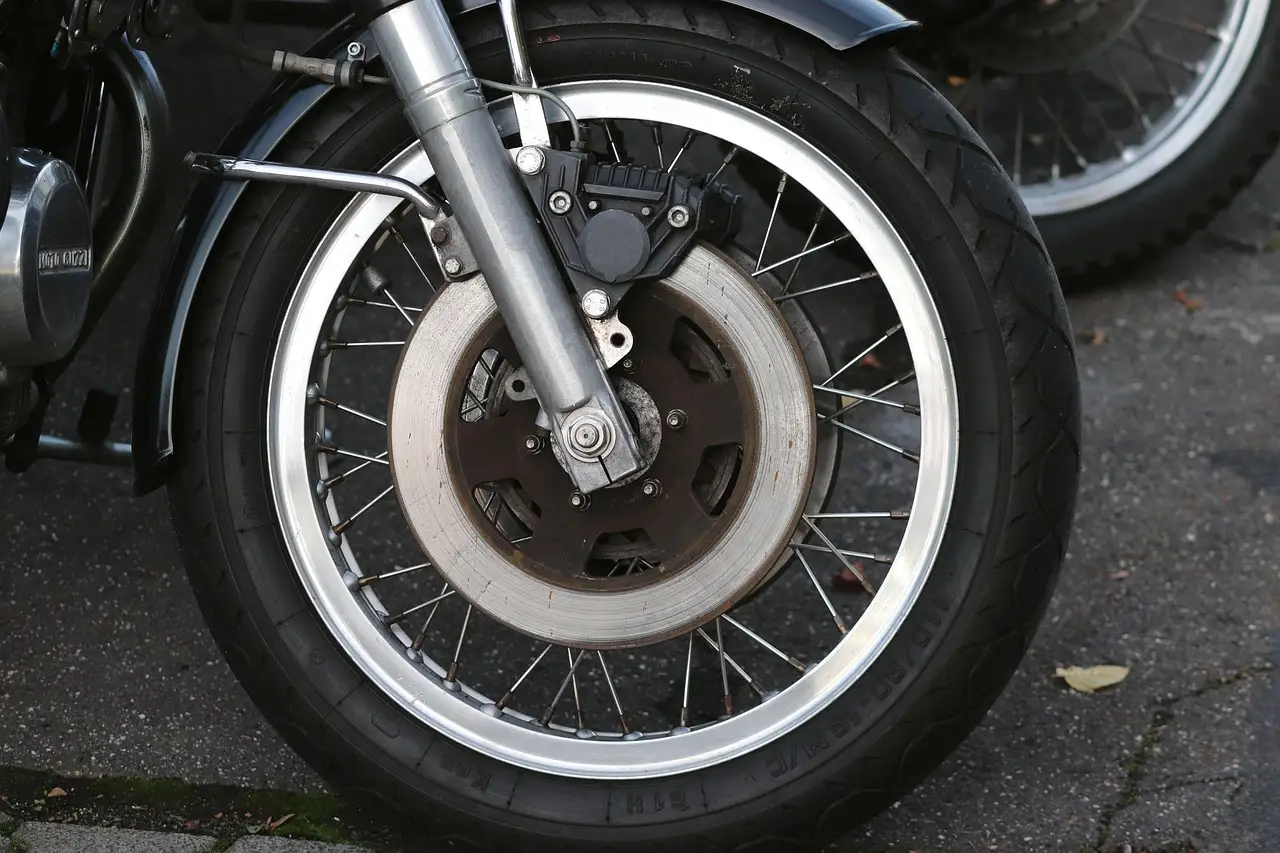
P&S Brake Buster is the maintenance pick for drivers who want a non-acid wheel cleaner that can handle routine brake dust without turning every wash into a scrub session. It is described as a professional’s pick and as a non-acid powerhouse for wheels, with thick clinging foam or gel-like behavior that helps it stay put on vertical spokes.
It fits chrome, powder-coated, and painted finishes, and it can be diluted for maintenance use. That dilution matters on a daily driver because it lowers cost per wash and makes the product easier to reserve for regular upkeep rather than once-a-season cleanup.
The main drawback is simple: it is still a maintenance cleaner, not a miracle for baked-on iron fallout or wheels that have gone too long without care. On heavy contamination, expect brushing and possibly a second pass.
Why it stands out
Brake Buster makes sense when the goal is to keep dust from hardening in the first place. Reflections Detailing lists it as the weekly maintenance dust choice, which lines up with the product’s non-acid positioning and clinging action.
It also leaves a light protective coating, which can help reduce the next wash’s effort. That is useful on commuter cars that pick up gray film every few days.
Use case and limitations
Use it on cool wheels, spray evenly, allow a short dwell time, agitate with a wheel brush where needed, then rinse thoroughly. A common first-timer mistake is to spray a wheel and walk away while the sun heats the panel; that is how residue and staining risks climb.
Say your front wheels are lightly gray after a week of commuting and the rear wheels are cleaner because the rear pads do less work. Brake Buster fits that split well: strong enough for the fronts, mild enough not to feel wasteful on the rears.
Turtle Wax Hybrid Solutions All Wheel Cleaner: best for value
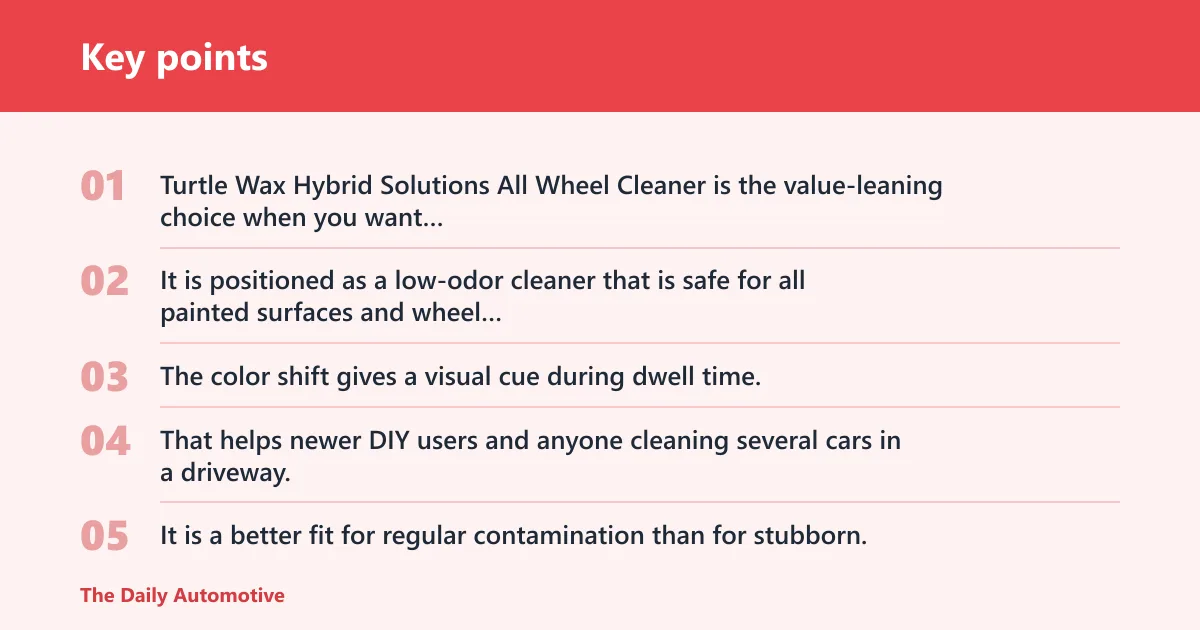
Turtle Wax Hybrid Solutions All Wheel Cleaner is the value-leaning choice when you want a color-changing formula without paying premium-heavy-duty pricing. It is positioned as a low-odor cleaner that is safe for all painted surfaces and wheel finishes, which gives it broad appeal for owners who want one bottle for most factory wheels.
The color shift gives a visual cue during dwell time, so you can see when the formula is reacting instead of guessing whether it is doing anything. That helps newer DIY users and anyone cleaning several cars in a driveway.
The honest trade-off is strength. It is a better fit for regular contamination than for stubborn, baked-on brake dust that has already bonded to the wheel face.
Use case and limitations: use
Use this on maintenance washes where the dust layer is visible but not crusted. The formula’s color change helps you judge dwell time, then you should still agitate lightly and rinse clean.
For polished alloy or damaged clear coat, a spot test is still wise. Safe-for-all-finishes language usually refers to normal factory surfaces, not neglected aftermarket wheels with unknown coatings.
SONAX Beast Wheel Cleaner: best for heavy brake dust
SONAX Beast is the heavy-duty choice for wheels that have collected more than regular road film. It is presented as a heavy-duty color changer, and its non-acid, pH-balanced positioning points to stronger chemistry without the harshness associated with older acid-based wheel cleaners.
This is the pick for severe brake dust, especially when the dust has baked on after repeated heat cycles. The stronger reaction helps when lighter sprays stop short and the wheel face still shows embedded grime after a first rinse.
The trade-off is the smell. Stronger chemistry often comes with a stronger odor, and this formula is no exception. Use it with decent ventilation.
Use case and limitations: use it
Use it when a maintenance formula leaves too much residue behind after dwell time and rinse. If the wheel still shows dark iron specks or a rough feel, that is where a true iron remover may be the better fit.
Do not treat it as a universal answer for polished or unknown aftermarket finishes. Stronger chemistry deserves more caution, not less.
Black Magic Intense Foam Wheel & Tire Cleaner: best budget pick
Black Magic Intense Foam Wheel & Tire Cleaner is the budget pick when price matters and the car needs regular dust cleanup. It is positioned as a budget champion and described as the best bang for your buck, which is exactly the role it fills in a comparison built around practical ownership costs.
Its high-foaming action helps it cling, and the color-change indicator gives you a quick read on when contamination is being lifted. The cherry scent also makes it easier to use for owners who dislike harsh chemical odor.
The drawback is that budget formulas usually ask for more mechanical help on stubborn buildup. It is not the first choice for a badly neglected wheel face or for contamination that is already etched into a damaged finish.
Use case and limitations: use it
Use it on factory wheel finishes and routine contamination. Give it dwell time, brush as needed, and rinse before it dries.
On polished alloy, old clear coat, or unknown aftermarket finishes, keep expectations conservative. Budget value should not be confused with broad compatibility on compromised surfaces.
Which one should you buy?
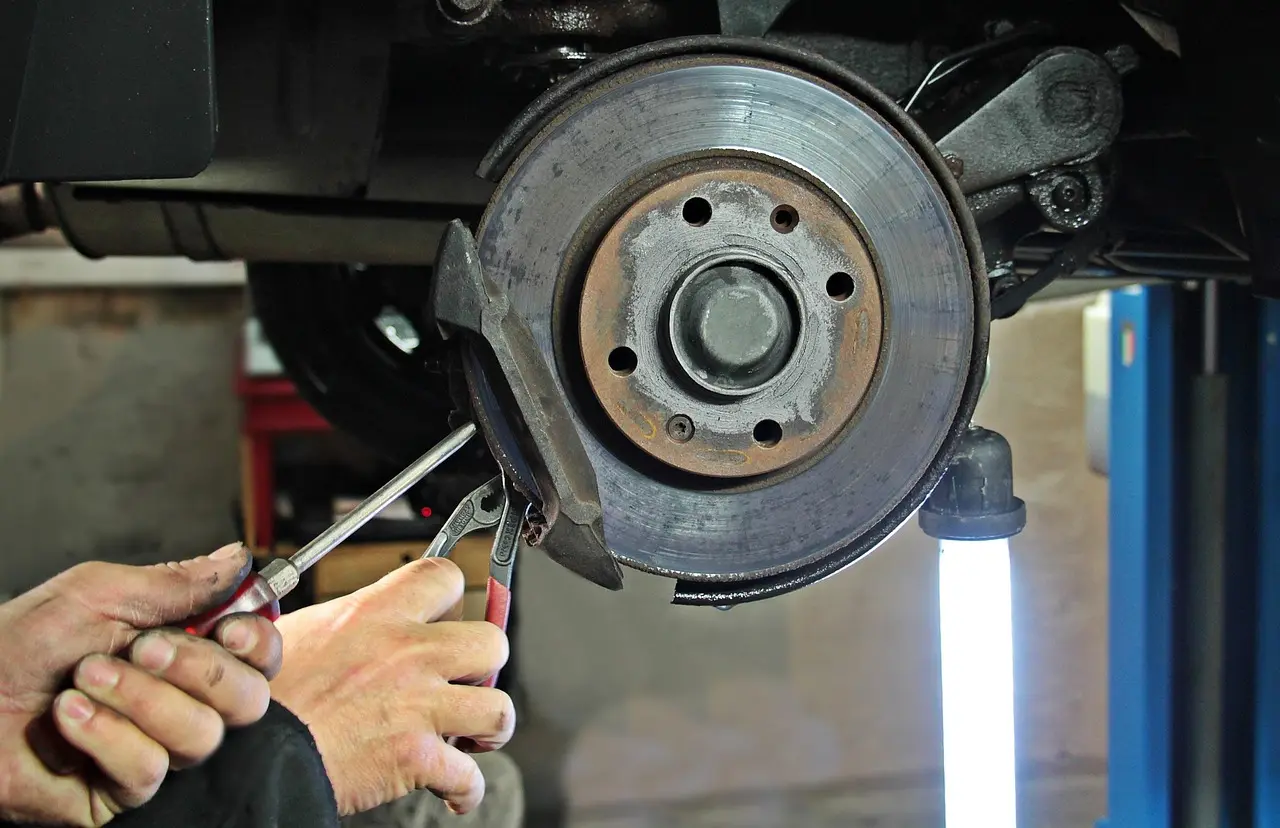
The right choice comes down to how bad the dust is and how much risk you want to take with the finish. For routine upkeep on a daily driver, P&S Brake Buster is the strongest all-around maintenance choice. For value and low odor, Turtle Wax is the easier grab. For severe buildup, SONAX Beast is the heavy-duty answer. For tight budgets, Black Magic is the practical buy.
Use a wheel cleaner when the problem is brake dust, road film, and routine grime on intact factory finishes. Use an iron remover when the wheel still shows embedded ferrous contamination after washing, or when the dust has bonded so tightly that the cleaner only softens the surface layer.
Picture a commuter sedan with painted factory wheels and mild gray dust every Friday. That is a maintenance-cleaner job. Now picture a performance car with aggressive pads, dark rear wheels, and speckling that returns after every rinse. That is when the stronger cleaner or an iron remover becomes the smarter move.
Choose Brake Buster if…
Choose Brake Buster if you want a non-acid maintenance cleaner for chrome, powder-coated, or painted wheels. Choose it if you plan to dilute the bottle for routine use, want a clinging foam or gel-like layer, or care about lowering cost per wash over time.
Choose Turtle Wax if…
Choose Turtle Wax if you want a low-odor color-changing cleaner for all painted surfaces and most factory wheel finishes. Choose it if you value broad compatibility and easier everyday use more than maximum bite on heavily baked dust.
Choose SONAX Beast if…
Choose SONAX Beast if brake dust is heavy, repeated, and stubborn. Choose it if the wheel face needs a stronger reaction, if your pads create more contamination than average, or if you are cleaning wheels that have been neglected between washes.
Choose Black Magic if…
Choose Black Magic if the budget comes first and the car needs a foam-forward maintenance cleaner. Choose it if you want a good-value bottle for regular washing, a color-change cue, and a pleasant scent without stepping into premium pricing.
Frequently asked questions
What is the best brake dust cleaner for cars?
The best brake dust cleaner depends on the job. P&S Brake Buster is the best daily-driver maintenance choice, SONAX Beast is the strongest heavy-dust pick, Turtle Wax is the value-friendly all-rounder, and Black Magic is the budget option. Match the cleaner to the wheel finish and dust severity.
Are brake dust cleaners safe for alloy wheels?
Most non-acid and pH-balanced brake dust cleaners are intended for alloy wheels, especially when the finish is intact and factory applied. Safety drops if the wheel has damaged clear coat, unknown aftermarket coating, or a polished or anodized surface. Spot-test first on anything questionable.
Do I need an iron remover or a wheel cleaner for brake dust?
Use a wheel cleaner when the contamination is routine brake dust, road film, or light grime. Use an iron remover when you are dealing with bonded metallic particles that keep showing up after cleaning, or when the wheel still feels gritty and visually speckled after a wash.
Which brake dust cleaner works without heavy scrubbing?
None should be treated as fully scrub-free on severe buildup, but the strongest reactive formulas usually need less agitation. SONAX Beast is the heavy-duty choice here, while SONAX Full Effect is known for its iron-reactive color change. Even then, a wheel brush is still part of the process.
What is the best budget brake dust cleaner?
Black Magic Intense Foam Wheel & Tire Cleaner is the best budget pick in this group. It is positioned as a budget champion, has a color-change indicator, and uses high-foaming action to help with routine wheel cleaning. It is best for maintenance, not neglected wheels.
How do color-changing wheel cleaners work?
Color-changing cleaners react as they loosen iron and brake residue, so the liquid shifts tone while it works. SONAX Full Effect, for example, is described as changing from green to red or purple-red, while Turtle Wax and Black Magic also use visible color cues to show that contamination is being lifted.
Can brake dust cleaners damage clear coat or polished wheels?
They can if the formula is too aggressive for the finish or if the surface is already damaged. Clear coat, polished alloy, anodized surfaces, and older aftermarket finishes deserve caution. Use the mildest compatible cleaner, do not let it dry, and rinse thoroughly after agitation.
How often should I clean brake dust off my wheels?
Clean brake dust as often as your driving pattern demands. Weekly maintenance works for many daily drivers, while performance pads, winter grime, or long highway commutes may call for more frequent washing. The key is to stop dust from baking onto hot wheels and hardening into bonded residue.
Products related to this article
Sponsored / affiliate links. As an Amazon Associate I earn from qualifying purchases. I may earn additional commission from eligible campaigns.