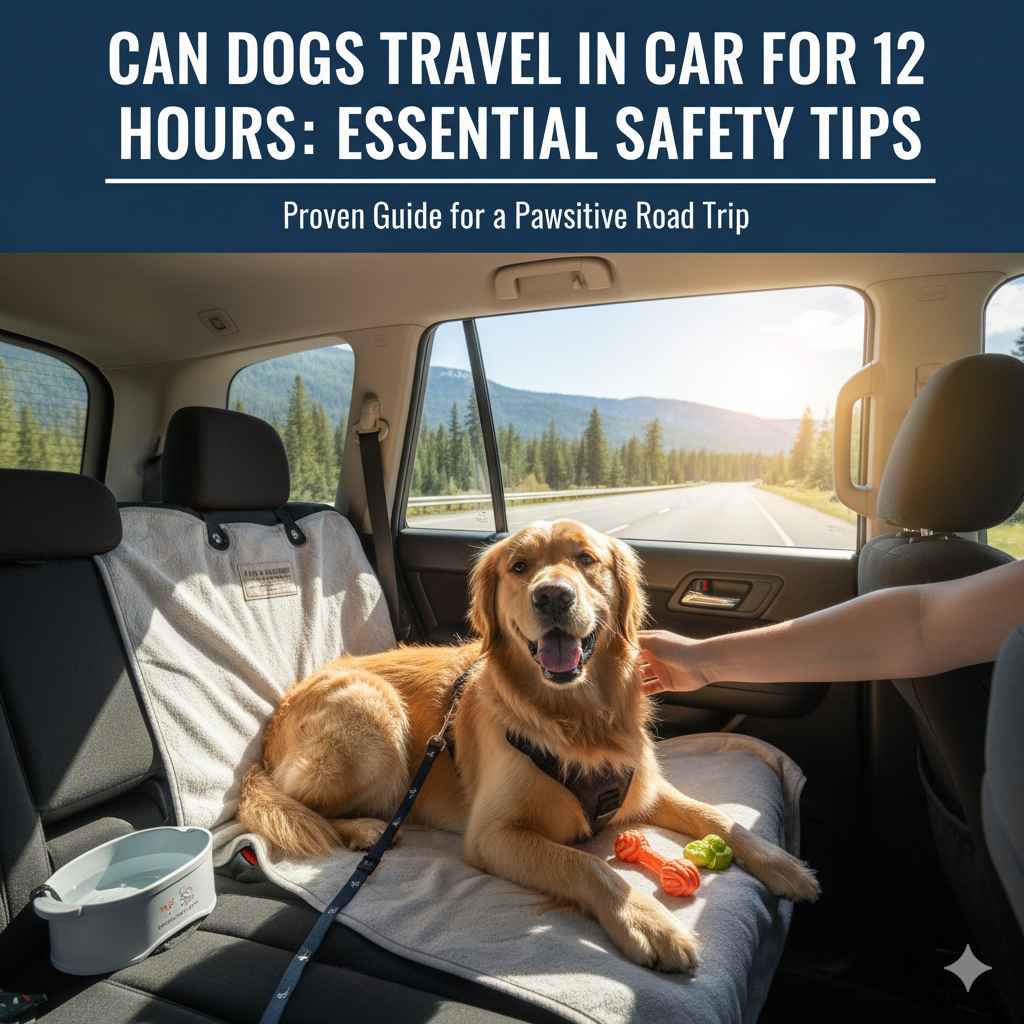
Can Dogs Travel In Car For 12 Hours: Essential Safety Tips
Traveling 12 hours with your dog in the car is absolutely possible and can be safe and enjoyable with proper preparation. The key is prioritizing your dog’s comfort, safety, and well-being by planning frequent breaks, securing them appropriately, managing their needs, and ensuring the car environment is safe.
Taking your furry best friend on a long road trip can be an incredibly rewarding experience! But when that trip stretches to 12 hours or more, you might start to wonder if it’s too much for your canine companion. It’s a common concern for dog owners, and rightfully so. We want our pets to be happy and healthy, and long car rides can present unique challenges.
The good news is, with the right planning and precautions, your dog can travel safely and comfortably for extended periods. This guide will walk you through everything you need to know to make your 12-hour (or longer!) journey a smooth one for both of you. We’ll cover essential safety tips, preparation steps, and what to expect along the way.
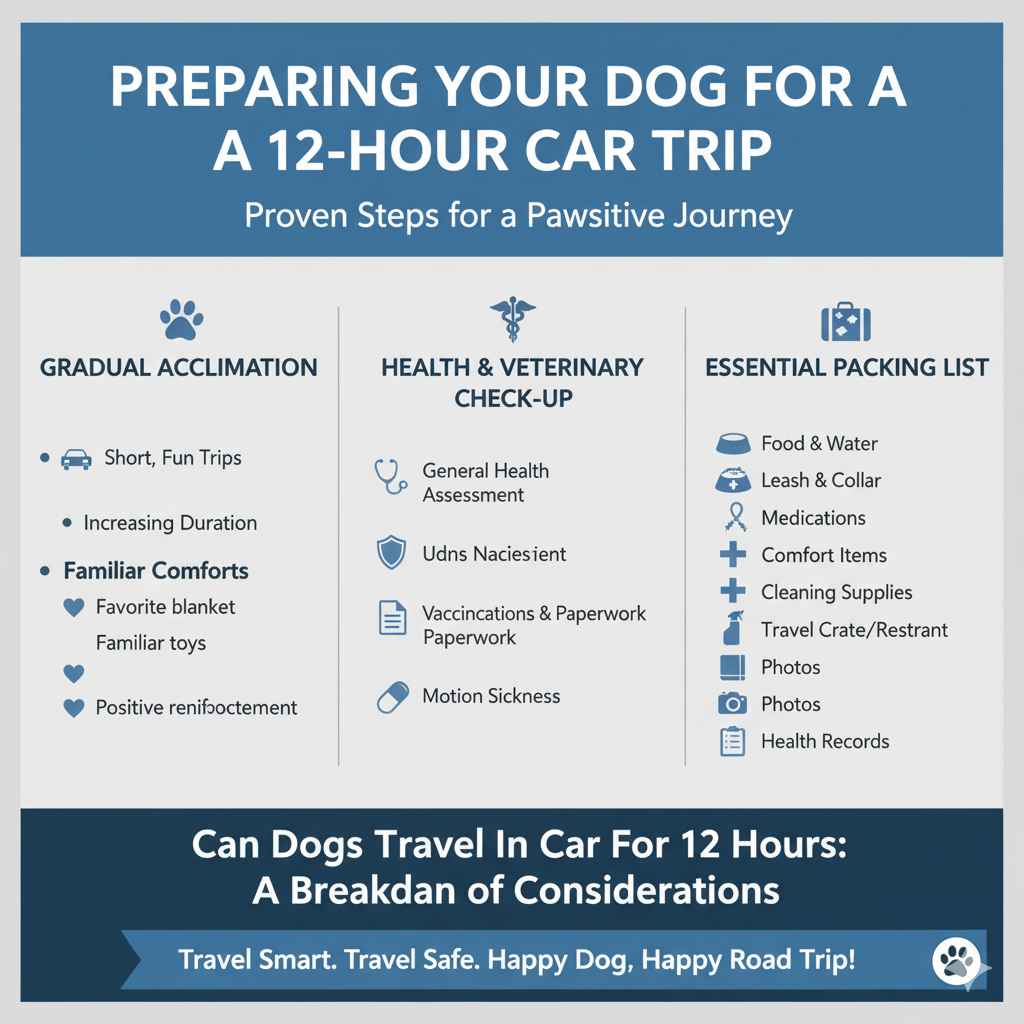
Preparing Your Dog for a 12-Hour Car Trip
Before you even think about hitting the road for a marathon journey, a little preparation goes a long way. Just like you wouldn’t embark on a long drive without packing essentials, your dog needs a well-thought-out travel plan too.
Gradual Acclimation to Car Travel
If your dog isn’t a seasoned traveler, you can’t expect them to be a pro on a 12-hour trip. Start small and build up their tolerance.
Short, Fun Trips: Begin with very short car rides, perhaps just around the block, and reward your dog with praise or a small treat upon returning.
Increasing Duration: Gradually extend the length of these trips. Go to a park, a friend’s house – somewhere positive at the end.
Familiar Smells and Comfort: Bring their favorite blanket or toy from home. This familiar scent can offer a sense of security in the new environment.
Positive Reinforcement: Always associate car rides with good things. If your dog shows signs of anxiety, don’t force them. Backtrack to shorter, more comfortable rides.
Health and Veterinary Check-up
Before a long trip, a visit to your veterinarian is crucial for ensuring your dog is fit for travel.
General Health Assessment: Your vet can confirm your dog is in good health and doesn’t have any underlying conditions that could be exacerbated by travel.
Vaccinations and Paperwork: Ensure all vaccinations are up-to-date, especially if you’ll be crossing state lines or staying in pet-friendly accommodations that require proof of health. Carry a copy of their health records.
Motion Sickness: Discuss any concerns about motion sickness with your vet. They might recommend medication or natural remedies, though these should always be used under veterinary guidance.
Parasite Prevention: Ensure your dog is up-to-date on flea, tick, and heartworm prevention.
Essential Packing List for Your Canine Co-Pilot
Packing strategically means you’ll have everything your dog needs right at your fingertips during the journey.
Food and Water: Bring plenty of your dog’s regular food. Sudden diet changes can cause digestive upset. Pack a portable water bowl and a large water jug.
Leash and Collar/Harness: A sturdy leash and a well-fitting collar or harness with ID tags are non-negotiable.
Medications: Any regular medications, plus a basic pet first-aid kit.
Comfort Items: Familiar blanket, favorite toys, and potty pads or waste bags.
Cleaning Supplies: Paper towels, pet-safe disinfectant wipes, and possibly a spare towel for accidents.
Travel Crate or Restraint: Your dog’s crate or a safety harness.
Photos: A recent, clear photo of your dog in case they get lost.
Health Records: A copy of vaccination records and any vet contact information.
Ensuring Safety in the Car
Safety is paramount when your dog is traveling in a vehicle. An unrestrained dog is not only a distraction but also can be seriously injured in an accident.
Choosing the Right Restraint System
There are several excellent options for keeping your dog secure, depending on their size and your preference. The National Highway Traffic Safety Administration (NHTSA) emphasizes the importance of proper restraint for all passengers, and this extends to our pets.
Crash-Tested Crates: These are often the safest option, especially for medium to large dogs. Look for crates that are specifically designed and tested for car safety. They should be secured to the car’s seat or cargo area to prevent shifting.
Pet Safety Harnesses: These attach to your car’s seatbelt system. Ensure the harness is crash-tested by a reputable third party. A harness that is not crash-tested may not provide adequate protection in a collision. It should fit snugly to prevent your dog from being thrown around.
Seatbelt Attachments: These clip onto a dog’s harness and then into the car’s seatbelt buckle. As with harnesses, it’s crucial to use one that’s crash-tested.
Proper Placement in the Vehicle
Where your dog rides can also affect their safety and comfort.
Back Seat: For most dogs, the back seat is the safest place. If using a harness, it should be a seatbelt attachment.
Cargo Area (SUVs/Hatchbacks): If your dog is in a crate, the cargo area can be a suitable location, especially for larger dogs. Ensure the crate is securely fastened so it doesn’t slide or tip over during sudden stops or turns. Never place a crate in the front passenger seat if there’s an airbag.
Never in the Front Seat: Airbags can deploy with immense force and can be incredibly dangerous, even fatal, to dogs if they are in the front passenger seat.
Never Loose in the Vehicle: An unrestrained dog is a major distraction and a safety hazard to themselves and the driver.
Temperature Control and Ventilation
Maintaining a comfortable and safe temperature inside the car is vital. Dogs can overheat or get too cold much faster than humans.
Never Leave Your Dog Unattended: Even on a mildly warm day, temperatures inside a car can rise to dangerous levels in minutes. This is a critical safety rule. According to the ASPCA, a car can become deadly hot very quickly.
Ventilation: Crack windows slightly if it’s safe and the weather permits, but ensure your dog cannot escape or get a body part caught.
Air Conditioning: Use your car’s air conditioning or heating as needed to keep a steady, comfortable temperature. Monitor your dog for signs of distress (panting, lethargy, drooling).
Sun Exposure: Be mindful of direct sunlight coming through the windows. Use sunshades if necessary, but ensure they don’t obstruct your view while driving.
Making the 12-Hour Journey Comfortable
Beyond safety, comfort is key to ensuring your dog doesn’t experience undue stress on a long journey.
Frequent Breaks Are Key
This is perhaps the most important part of a long-distance dog travel plan.
Stopping Schedule: Aim to stop at least every 2–3 hours. For a 12-hour drive, this means 3–5 mandatory stops.
Purpose of Breaks: These breaks are for more than just letting your dog relieve themselves. They are opportunities for them to stretch their legs, drink water, have a snack, and get some mental stimulation.
Safe Rest Stops: Choose rest stops that are away from busy highways where possible. Look for pet-friendly parks or designated pet areas. Always keep your dog on a leash during breaks.
Leash Safety: Even if your dog is well-behaved, unknown sights, sounds, or smells can cause them to bolt. A secure leash and harness are essential.
Hydration and Feeding on the Go
Managing your dog’s food and water intake requires a bit of strategy.
Water Availability: Offer water frequently during stops. If your dog is prone to car sickness, avoid giving them too much water right before or during driving.
Feeding Strategy: It’s often best to feed your dog smaller meals more frequently rather than one large meal. Avoid feeding a large meal within a few hours of starting your trip, as this can increase the risk of motion sickness and discomfort.
Treats: Offer high-value treats sparingly for positive reinforcement, especially during breaks.
Managing Anxiety and Stress
Some dogs naturally get anxious in cars or during long journeys.
Familiar Items: As mentioned, bring their favorite blanket or toy.
Calming Aids: Discuss options with your vet. These can include pheromone sprays, calming supplements (like L-theanine or CBD – always consult your vet), or prescription anxiety medication if necessary.
Positive Association: Continue to associate car travel with positive experiences. Make the breaks fun and rewarding.
Quiet Environment: Try to keep the car atmosphere calm. Avoid loud music, sudden movements, or excessive talking that might agitate your dog.
Things to Consider for a Smooth 12-Hour Drive
Let’s dive into some practical considerations that will make your extended car journey with your dog much easier.
Dog-Friendly Pit Stops and Activities
Planning your stops can turn a regular break into an enjoyable part of the adventure.
Pet-Friendly Parks: Use apps like BringFido or scout ahead on Google Maps for parks where your dog can safely run and play off-leash (if the park allows and it’s a secure area).
Rest Stops with Pet Areas: Many highway rest stops have designated pet relief areas. These are convenient for quick potty breaks.
Quick Play Sessions: Even a quick game of fetch or tug-of-war at a rest stop can help burn off energy and reduce pent-up frustration.
Hydration Stations: Always have fresh water available. Some parks might have dog-specific water fountains.
Emergency Preparedness
While we hope for smooth sailing, it’s always wise to be prepared for the unexpected.
Pet First-Aid Kit: Pack essentials like bandages, antiseptic wipes, sterile gauze pads, a muzzle (to use if you need to handle an injured dog), tweezers, and any specific medications your dog might need. Learn basic pet first aid, such as how to stop bleeding or treat minor wounds.
Emergency Contacts: Have your veterinarian’s number readily available, as well as the number for an emergency veterinary clinic located between your start and end points.
Car Trouble: If your car breaks down, ensure your dog is secured back in their restraint or crate while you assess the situation. If you need to leave the vehicle, make sure your dog is safe with you or in a secure location.
Travel Accessories That Help
Certain accessories can make the travel experience far more comfortable for your dog.
Car Seat Covers: Protect your car’s upholstery from fur, dirt, and potential accidents. Many are waterproof and machine washable.
Portable Water Bowls: Collapsible bowls are lightweight and easy to store.
Dog Cooling Mats: For hotter climates, these can help keep your dog cool during stops or when the car is parked briefly (with windows cracked).
* Car Ramp or Steps: Useful for older dogs, dogs with joint issues, or those who are hesitant to jump into the car.
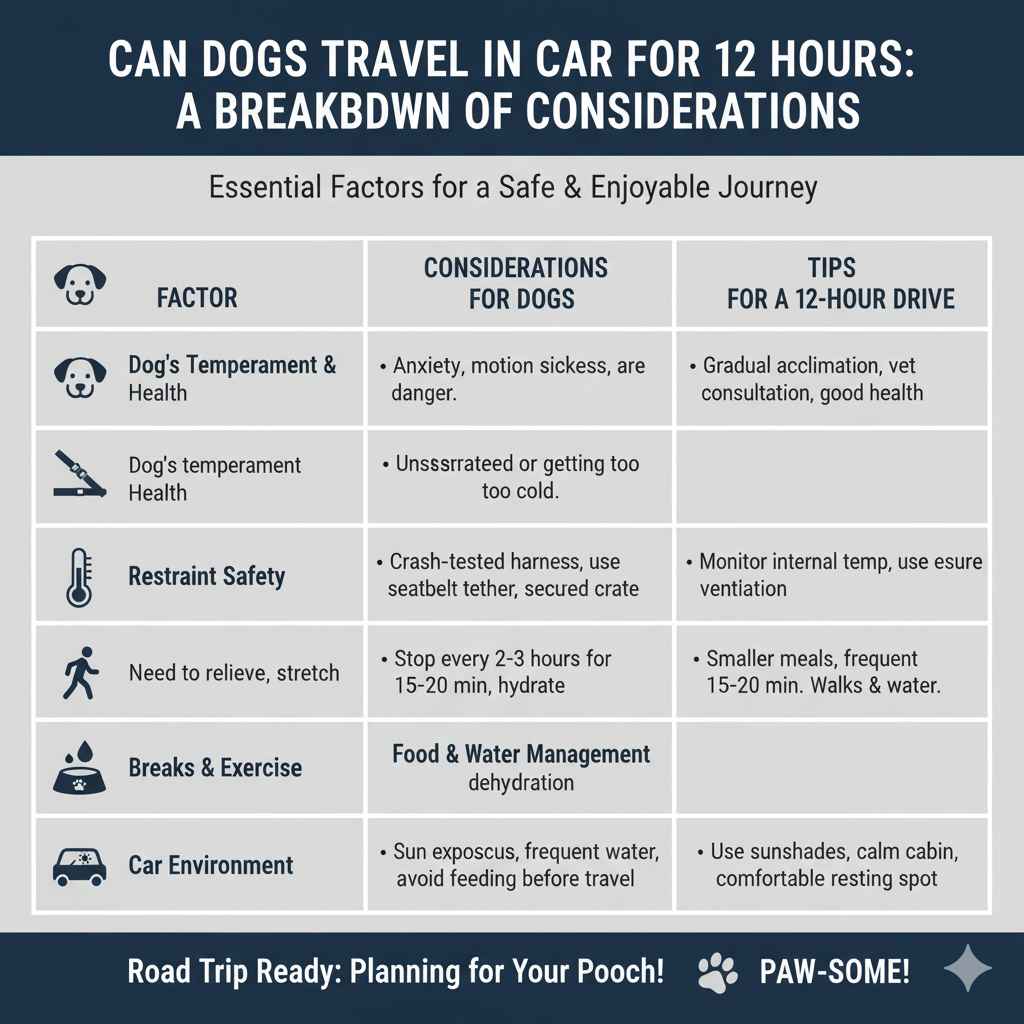
Can Dogs Travel In Car For 12 Hours: A Breakdown of Considerations
To further illustrate, let’s break down the key factors that influence whether a 12-hour car trip is feasible and how to manage it.
| Factor | Considerations for Dogs | Tips for a 12-Hour Drive |
|---|---|---|
| Dog’s Temperament & Health | Anxiety, fear of car, prone to motion sickness, chronic health issues. | Gradual acclimation, vet consultation for anxiety/sickness, ensure good health. |
| Restraint Safety | Unrestrained dogs are a danger and can be injured. | Use crash-tested harness, seatbelt tether, or secured crate. Ensure proper fit. |
| Temperature Control | Dogs overheat or get too cold quickly. Never leave them alone. | Monitor internal temp, use AC/heat as needed, ensure ventilation without escape routes. |
| Breaks & Exercise | Need to relieve themselves, stretch, hydrate, and relieve boredom. | Stop every 2-3 hours for at least 15-20 minutes. Offer water, allow potty breaks & short walks. |
| Food & Water Management | Avoid upset stomachs or dehydration. | Smaller meals, frequent water offers during breaks. Avoid feeding right before travel. |
| Car Environment | Exposure to sun, driver distraction, lack of comfort. | Use sunshades, keep cabin calm, ensure comfortable resting spot. Avoid distractions. |
Frequently Asked Questions (FAQ)
Can I give my dog medication for car sickness?
Yes, you can, but always under the guidance of your veterinarian. They can prescribe safe and effective medications or recommend safe over-the-counter options and proper dosages. Never give human medication to your dog without vet approval. Symptoms to watch for include excessive drooling, whining, panting, trembling, and vomiting.
How often should I stop for my dog on a long trip?
For a 12-hour drive, you should stop at least every 2 to 3 hours. Each stop should allow your dog at least 15-20 minutes to walk around, stretch, drink water, and use the restroom. This frequency helps prevent restlessness, provides necessary relief, and ensures they stay comfortable.
Is it safe to let my dog hang their head out the window?
No, it’s not safe. While dogs might enjoy the sensation, it poses significant risks. Debris from the road can fly into their eyes, ears, or mouth, causing injury. There’s also a danger of them being hit by passing objects or even falling out of the window if the car makes a sudden maneuver or if they lean too far. Always ensure windows are only slightly cracked for ventilation or use secure restraints.