Can Felons Rent Cars: Essential Guide
Yes, felons can often rent cars, but it depends on the rental company’s specific policies and the nature of the felony. Many major rental companies have strict rules, but options might be available with careful research and sometimes through third-party services.
It’s a common question, and naturally, one might feel a bit unsure when trying to navigate the world of car rentals with a past conviction. Will a felony stop you from getting behind the wheel for a much-needed road trip or an important business meeting? The good news is, it’s not an automatic “no.” Many people in similar situations find ways to rent cars successfully. This guide is here to break down exactly how it works, what you need to know, and the steps you can take to make renting a car possible.
We’ll explore the policies of major rental companies, what factors influence their decisions, and some less common but viable alternatives. You’ll learn how to prepare and increase your chances of getting approved, so you can hit the road with confidence.
Understanding Rental Car Company Policies
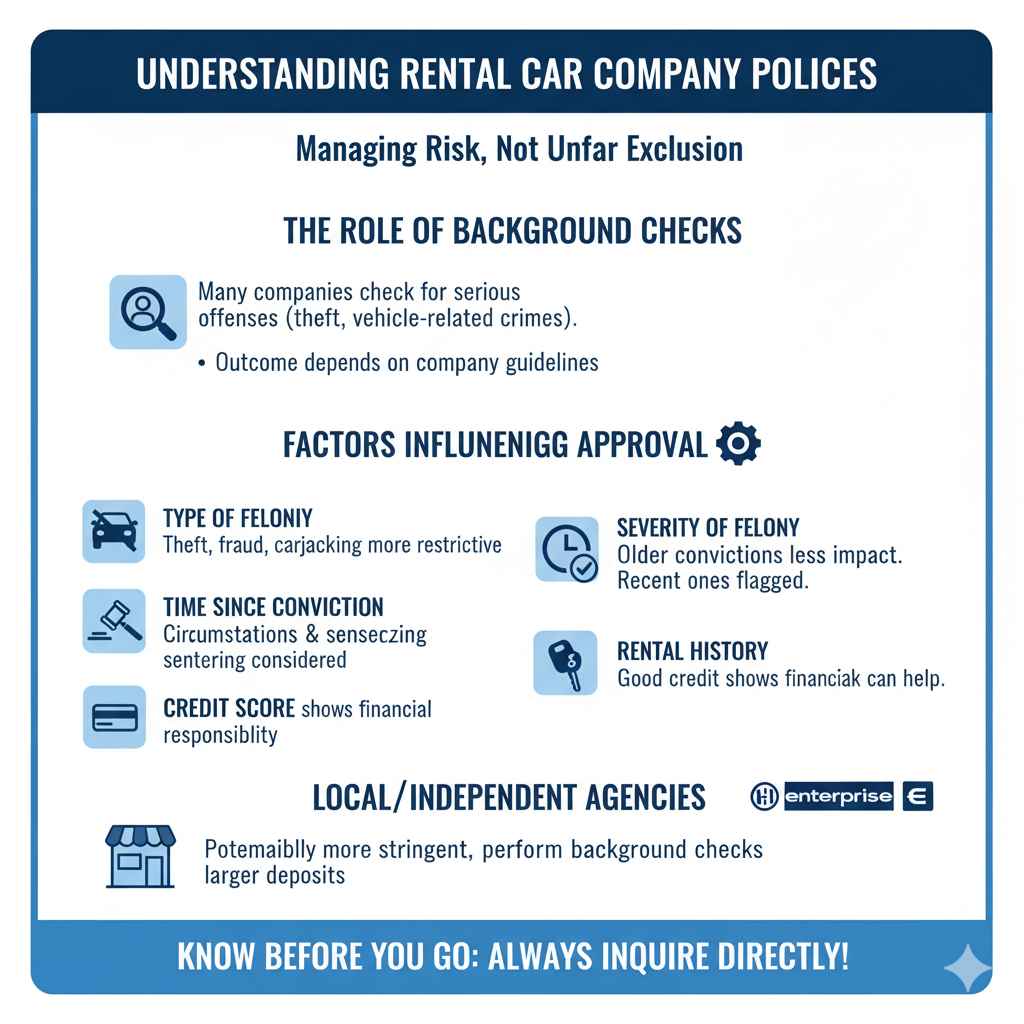
Car rental companies, like most businesses, have policies in place to manage risk. When it comes to renting a vehicle, this risk is often related to the potential for theft, damage, or unpaid fines. For this reason, many companies conduct background checks, and a conviction can sometimes be a hurdle. However, the impact and leniency can vary significantly from one company to another.
It’s important to remember that these policies are designed to protect their assets, not to unfairly exclude individuals. Understanding these underlying reasons can help you approach the situation more effectively. We’ll dive into the specifics of what these policies might look like and which companies tend to be more or less restrictive.
The Role of Background Checks
When you apply to rent a car, especially from larger companies, a background check might be part of the process. These checks typically look for serious offenses, particularly those involving theft, fraud, or vehicle-related crimes. The idea is to assess the likelihood of a renter returning the vehicle as agreed upon or paying for any damages incurred.
If a background check reveals a felony conviction, the rental company’s system might flag it. The specific outcome will depend on the company’s internal guidelines. Some might have a blanket policy against renting to individuals with certain types of felonies, while others might evaluate each case individually. It’s a nuanced process that often involves automation and human review.
Factors Influencing Approval
Several factors beyond just the existence of a felony can influence whether you can rent a car:
- Type of Felony: This is arguably the most significant factor. Crimes involving theft, carjacking, or fraud are much more likely to be a deal-breaker than non-violent offenses. A conviction for a financial crime, for instance, might be viewed differently than a conviction for stealing a car.
- Time Since Conviction: The age of the conviction matters. A felony from many years ago might have less impact than a recent one. Many companies consider how long ago the offense occurred.
- Severity of the Felony: While all felonies are serious, some are considered more severe than others. The specific sentencing or circumstances surrounding the conviction can also play a role in a company’s internal decision-making.
- Rental History: If you have a history of renting cars and returning them responsibly, this can sometimes offset concerns related to a past conviction.
- Credit Score: Rental companies often require a credit card and check your credit score as part of the rental process. A good credit score can demonstrate financial responsibility, which may indirectly help your case.
Major Rental Companies and Their Stances
Navigating the policies of major rental companies can be tricky, as they often don’t publicize specific lists of disqualifying offenses. Their policies can also change. However, general trends and reported experiences offer some insight:
- Hertz, Avis, Budget, Enterprise: These major players are generally known to be more stringent. They often perform criminal background checks, and certain types of felony convictions, especially those related to theft or property damage, can lead to denial. They typically require a major credit card in the renter’s name, which also serves as a financial safeguard.
- Alamo, National: Similar to the above, these brands, often part of the same corporate family as Enterprise, tend to have strict policies.
- Local or Independent Agencies: Smaller, independent rental companies might have more flexible policies. They may not perform extensive background checks or might be willing to consider individual circumstances more readily. However, they may require larger deposits or have stricter rental terms.
It’s always advisable to contact the specific rental location directly and inquire about their policies before arriving. Some companies might have an “on-site review” for certain flagged applications.
When a Felony Might Be a Barrier
While many felons can rent cars, there are situations where it becomes significantly more difficult or impossible with standard rental agencies. These are typically tied to the nature of the conviction and the perceived risk to the rental company.
Specific Convictions That Are Often Deal-Breakers
Certain felonies are almost guaranteed to result in rental denial from mainstream companies. These often involve:
- Vehicle Theft or Grand Theft Auto: This is a direct red flag, as it involves the very asset the company is renting out.
- Robbery with use of a vehicle: Crimes involving violence and vehicles are high-risk.
- Fraudulent Use of a Credit Card or Identity Theft: These offenses suggest a potential for financial dishonesty during the rental process.
- Drug Trafficking (especially if related to vehicle use): While not always directly vehicle-related, some policies may extend to serious drug offenses.
- Hit and Run or Eluding Police: These show a disregard for traffic laws and safety, making them concerning for a rental company.
The Impact of Recent Convictions
A recent felony conviction, especially if it falls into one of the categories above, will almost certainly make renting from major companies very difficult. Rental agencies want to see a history of rehabilitation and responsible behavior. A conviction from, say, 20 years ago with no further issues might be viewed very differently than one from last year.
Strategies to Rent a Car with a Felony Conviction
Don’t despair if you have a felony record. There are strategies and alternatives that can help you get the wheels you need. Preparedness and knowing where to look are key.
1. Research and Direct Contact
This is your first and most crucial step. Don’t rely on general assumptions. Instead:
- Identify Potential Rental Companies: Start with the major players (Hertz, Avis, Enterprise, Budget) but also look for smaller, local, independent rental agencies in your area.
- Call Specific Locations: Policies can vary even between branches of the same company. Call the actual rental office you plan to visit.
- Be Honest and Inquire Directly: Ask about their background check policy and if they rent to individuals with felony convictions. You can ask hypothetically or, if you feel comfortable, state your situation briefly and ask if it would be an issue. Be prepared for them to say they cannot give a definitive answer without running a check.
- Ask About Their Criteria: If they do conduct checks, inquire about the types of offenses that are disqualifying and how far back they look. This information can help you decide where to focus your efforts.
2. Use a Major Credit Card
Most standard car rentals require a major credit card (Visa, Mastercard, American Express) in the renter’s name. This serves multiple purposes for the rental company: it’s a pre-authorization for potential damages, a way to pay for the rental, and a benchmark of your financial responsibility. If your credit history is good, it can sometimes help offset concerns about a past conviction.
If you don’t have one, consider applying for a secured credit card. You make a deposit, which becomes your credit limit. This can help you build or rebuild credit history. For more on credit building, resources like the Consumer Financial Protection Bureau offer great advice.
3. Consider Rental Companies with Lenient Policies
While not always explicitly advertised, some smaller or regional rental agencies may have less stringent background check requirements. They might focus more on your ability to pay and your driver’s license status rather than a deep criminal background search. Be prepared that these rentals may come with higher security deposits and potentially higher rental rates.
4. Explore Third-Party Rental Services and Brokers
Some online travel agencies (OTAs) or car rental brokers might aggregate deals from various companies, including some with less rigid policies. While they might not explicitly advertise “rentals for felons,” they can sometimes connect you with agencies that are more flexible. However, always read the fine print carefully and understand which rental company you’ll actually be renting from.
5. Renting Through a Friend or Family Member
If you have a trusted friend or family member with a clean record and good credit, they might be able to rent the car on your behalf. You would then need to check the rental company’s policy on additional drivers. Most allow additional drivers, but there might be extra fees. You would likely still need to be listed as an authorized driver, and some companies might still run a check on anyone listed on the contract. Ensure you understand who is ultimately responsible and covered by insurance.
6. Consider Alternative Transportation
If renting directly from a traditional agency proves too difficult, think about other ways to get around:
- Ride-Sharing Services: Uber and Lyft are widely available in many areas and can be a practical solution for shorter trips or getting around within a city.
- Public Transportation: Buses, trains, and subways can be cost-effective for commuting or travel within metropolitan areas.
- Taxis: A more traditional option, taxis are available in most urban centers.
- Car Sharing Services: Services like Zipcar or Turo operate differently. Turo, for example, is a peer-to-peer car-sharing marketplace. They have their own screening process, which may differ from traditional rental companies. It’s essential to check their specific policies regarding driving records and backgrounds.
The Rental Process: What to Expect
Once you’ve identified a potential rental company that might work for you, understanding the typical rental process will help ensure a smooth experience.
Required Documentation
No matter where you rent, you’ll likely need a few key items:
- Valid Driver’s License: This goes without saying, but it must be current and not expired.
- Credit Card: As mentioned, a major credit card in your name is usually required for security and payment. Debit card policies vary widely and are often more restrictive, especially for those with a felony record.
- Proof of Insurance: Sometimes rental companies require you to show proof of your own auto insurance that covers rental vehicles.
- Second Form of ID: Some companies may ask for a secondary ID, such as a passport or a state-issued ID card.
Understanding Deposits and Fees
Be prepared for deposits. Rental companies place a hold on your credit card for a certain amount to cover potential damages, fuel charges, or late returns. The amount can range from a few hundred dollars to over $1,000, depending on the rental company and the vehicle type. Smaller agencies or those with more lenient policies might require a larger deposit or a cash deposit, which is less common now.
Always ask about all potential fees upfront: daily rental rate, taxes, airport surcharges, additional driver fees, young renter fees (if applicable), and any insurance add-ons they might offer.
The Importance of Being Honest
While it can be daunting, honesty is often the best policy. If a rental company performs a background check and discovers a discrepancy, it will likely lead to immediate denial, and you may have wasted time and effort. If you are engaging with a company that doesn’t do background checks, ensure your driver’s license is valid and you meet their other requirements.
Navigating Your Driver’s Record and Credit
Your driving record and credit history are crucial components of the rental process. Understanding these and working to improve them can significantly boost your chances.
Understanding Your Driving Record
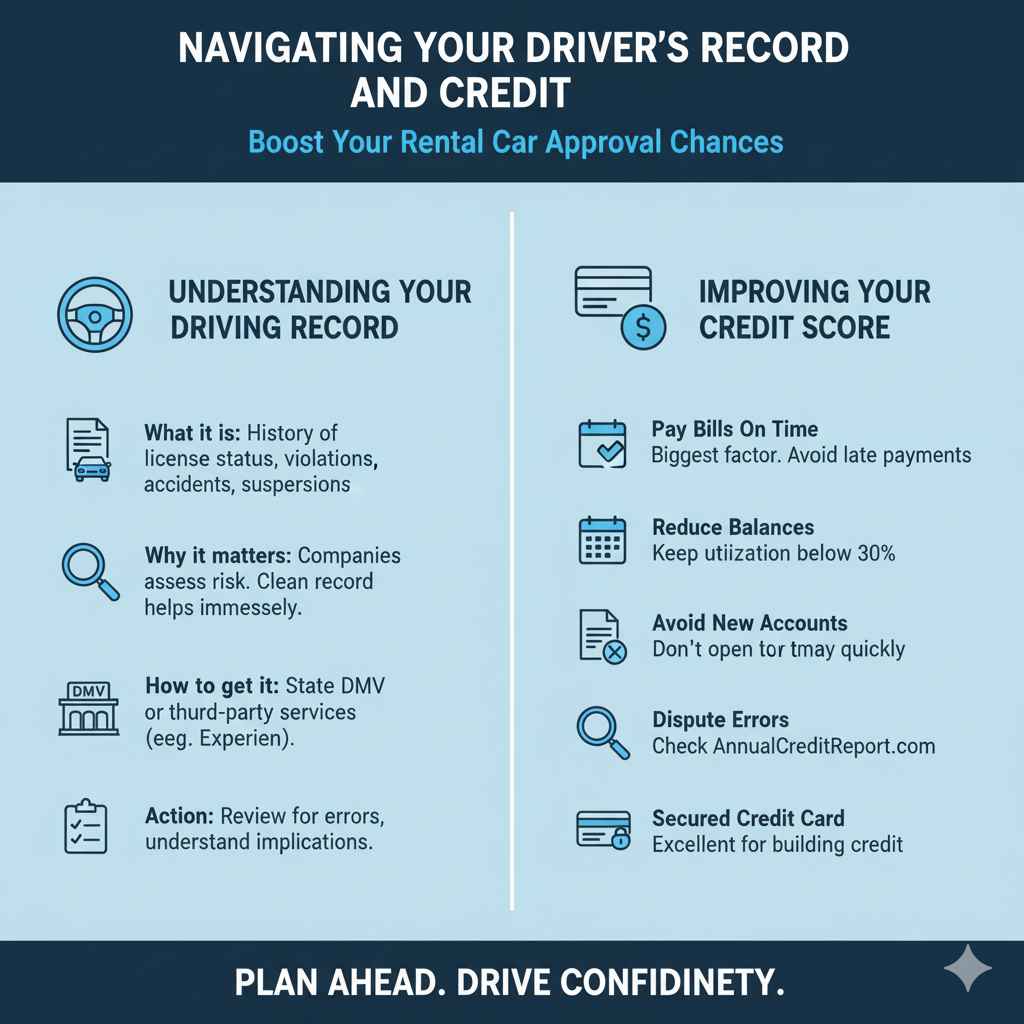
Your driving record is a history of your license status, traffic violations, accidents, and any suspensions or revocations. Rental companies care about this immensely. A clean driving record, even with a past felony conviction, can make a big difference. If you have multiple serious moving violations or DUIs, this can be as much of a barrier as, or even more than, certain non-driving-related felonies.
You can obtain a copy of your driving record from your state’s Department of Motor Vehicles (DMV) or equivalent agency. Review it for any errors and understand what it says. This is a service often provided by third-party companies as well, like Experian, which offers insights into driving records.
Improving Your Credit Score
A good credit score demonstrates financial responsibility, which is a key factor for rental companies. If your credit score is low, consider these steps:
- Pay Bills on Time: Payment history is the biggest factor in your credit score.
- Reduce Credit Card Balances: Keeping your credit utilization low (ideally below 30%) shows you’re not overextended.
- Avoid Opening Too Many New Accounts Quickly: This can negatively impact your score.
- Dispute Errors: Check your credit report for inaccuracies and dispute them with the credit bureaus. For guidance, the AnnualCreditReport.com website is the official source for free credit reports.
- Consider a Secured Credit Card: As mentioned earlier, this is an excellent tool for building or rebuilding credit.
Frequently Asked Questions about Renting Cars with a Felony
Here are some common questions people have:
Q1: Will all rental companies deny me if I have a felony conviction?
No, not all. Major rental companies often have stricter policies, but smaller, independent agencies or some national brands might be more lenient depending on the type and age of the felony, and other factors like your credit and driving record.
Q2: What type of felony is most likely to prevent me from renting a car?
Felonies involving theft, fraud, vehicle theft (grand theft auto), or direct harm to others, especially if they occurred recently, are the most likely to cause denial from major rental companies.
Q3: How far back do rental companies check my criminal record?
This varies greatly. Some may only check recent convictions (e.g., within the last 5-10 years), while others might have broader checks. It’s best to ask the specific rental location if they conduct checks and what their policy duration is.
Q4: Can I rent a car with a felony if I use a debit card instead of a credit card?
Renting with a debit card is often harder than with a credit card, especially if you have a felony conviction. Many companies that allow debit cards have stricter rules, such as requiring a credit check or a larger cash deposit, and may also perform background checks.
Q5: What if my felony conviction was many years ago?
An older conviction, especially if you have maintained a clean record since then, is much less likely to be a barrier. Many companies are more understanding of past mistakes when there’s a clear history of rehabilitation and responsible behavior.
Q6: Are there specific rental companies that are known to be more lenient?
While policies change and vary by location, smaller independent rental agencies are often more flexible than large national chains. It’s always best to call specific locations and inquire directly about their policies.
Q7: If I can’t rent directly, are there any other options?
Yes. You might be able to have a trusted friend or family member with a clean record rent the car for you, provided you are listed as an additional driver. Services like Turo (peer-to-peer car sharing) or even ride-sharing apps like Uber and Lyft can also be alternatives, though they have their own terms and conditions.
Conclusion
Renting a car with a felony conviction can seem like a daunting prospect, but as we’ve explored, it’s often a navigable challenge rather than an outright impossibility. The key lies in research, preparation, and understanding the varying policies and procedures of rental companies.
By focusing on companies known for more flexible guidelines, ensuring you have the necessary documentation like a valid driver’s license and a major credit card, and being aware of how your conviction’s nature and age might affect your application, you significantly increase your chances of success. Remember that a clean driving record and a healthy credit score can also serve as strong positive factors in your favor.
Don’t let uncertainty about past obstacles prevent you from planning your travels or meeting your transportation needs. With a proactive approach and by exploring all available avenues, including independent agencies or potentially renting through a trusted associate, you can find a way to get behind the wheel. Safe travels!