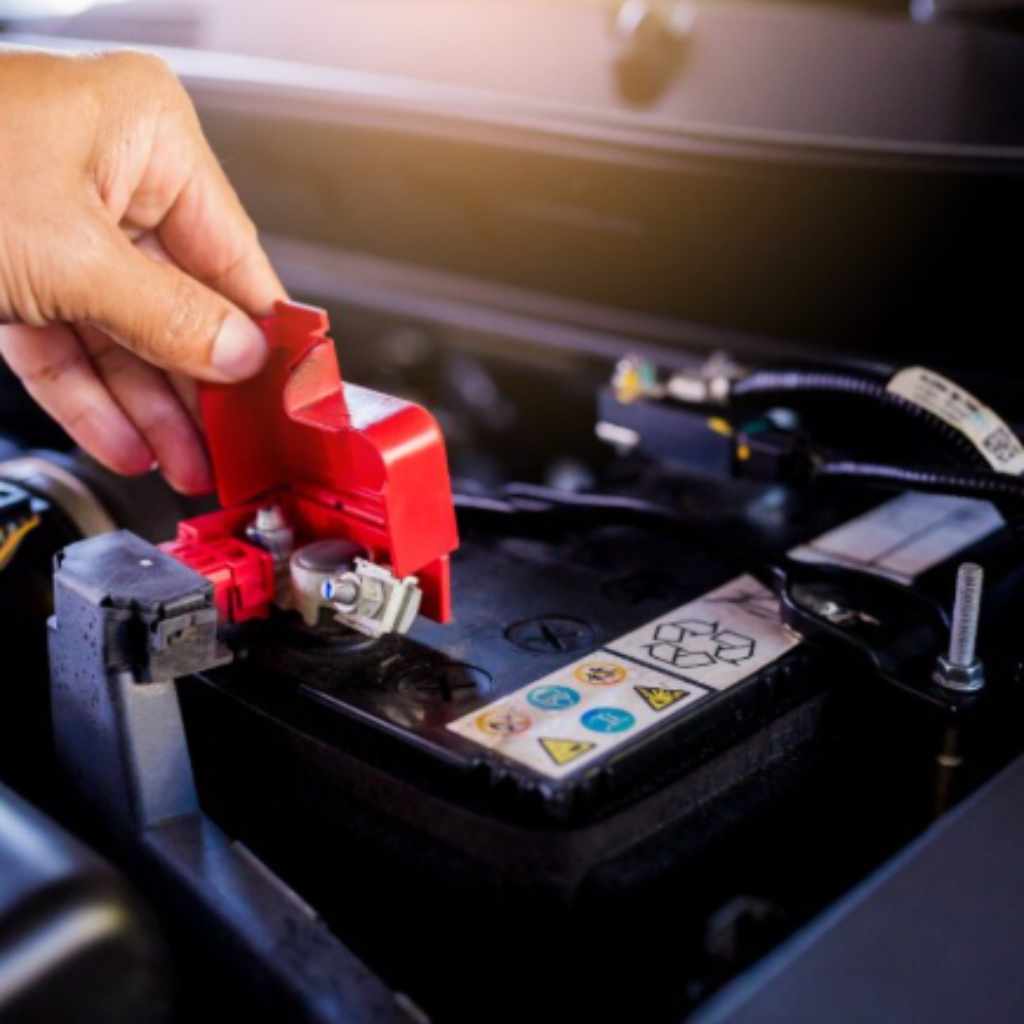
Can I Call 911 to Jump My Car?
It’s a common situation: your car won’t start, and you’re wondering what to do. For many, the first thought might be to call for help. But when your battery is dead, a simple question like Can I Call 911 to Jump My Car? comes up.
It can feel a little confusing, especially if you’re not sure how emergency services work. Don’t worry, this guide will make it super clear. We’ll walk you through what to do, step by step, so you can get moving again without any hassle.
When Your Car Battery Dies
When your car battery is dead, it means it doesn’t have enough power to start the engine. This can happen for many reasons. Maybe you left your lights on overnight, or perhaps the battery is just old and needs replacing.
Whatever the cause, a dead battery leaves you stranded and needing a jump start. This is a process where another car’s battery is used to give your car enough power to get going.
What Is a Jump Start?
A jump start involves using jumper cables to connect the battery of a working car to the battery of a car with a dead battery. The working car’s alternator charges the dead battery, providing the necessary power for the engine to crank. It’s a temporary fix that allows you to drive to a repair shop where the battery can be tested or replaced.
Safety First When Jump Starting
Jump starting a car can be done safely if you follow the correct steps. It’s important to be careful because you’re dealing with electricity and moving parts. Here are some key safety tips:
- Make sure both cars are turned off before you connect the cables.
- Ensure the cars are not touching each other.
- Wear safety glasses to protect your eyes.
- Keep the jumper cables away from moving engine parts like fans.
- Never let the metal clamps of the jumper cables touch each other once they are connected to a battery.
Can I Call 911 to Jump My Car?
This is the big question, and the answer is generally no. 911 is reserved for emergency situations that involve immediate danger to life, health, or property. A dead car battery, while inconvenient, is not considered an emergency that warrants a 911 call.
Emergency responders like police officers or firefighters are busy with critical situations and do not have the equipment or mandate to provide jump-start services for dead car batteries.
Why 911 Is Not the Right Number
When you dial 911, you are connecting with dispatchers trained to handle life-threatening events. These include medical emergencies, fires, and crimes in progress. Calling 911 for a car battery issue ties up valuable resources that could be needed for a genuine emergency.
It’s important to use 911 responsibly to ensure help is available for those who truly need it.
Who Should You Call Instead?
If your car battery is dead, you have several other options:
- Roadside Assistance Services: If you have a membership with a service like AAA or your car insurance includes roadside assistance, this is your best bet. They are equipped to handle battery jumps, towing, and other roadside problems.
- Local Towing Companies: Many towing companies offer jump-start services as part of their offerings. A quick search online can provide numbers for local providers.
- Friends or Family: If you have a friend or family member nearby with a working car and jumper cables, they might be able to help you out.
- Mobile Mechanics: Some mobile mechanics can come to your location and perform a jump start or even replace your battery on the spot.
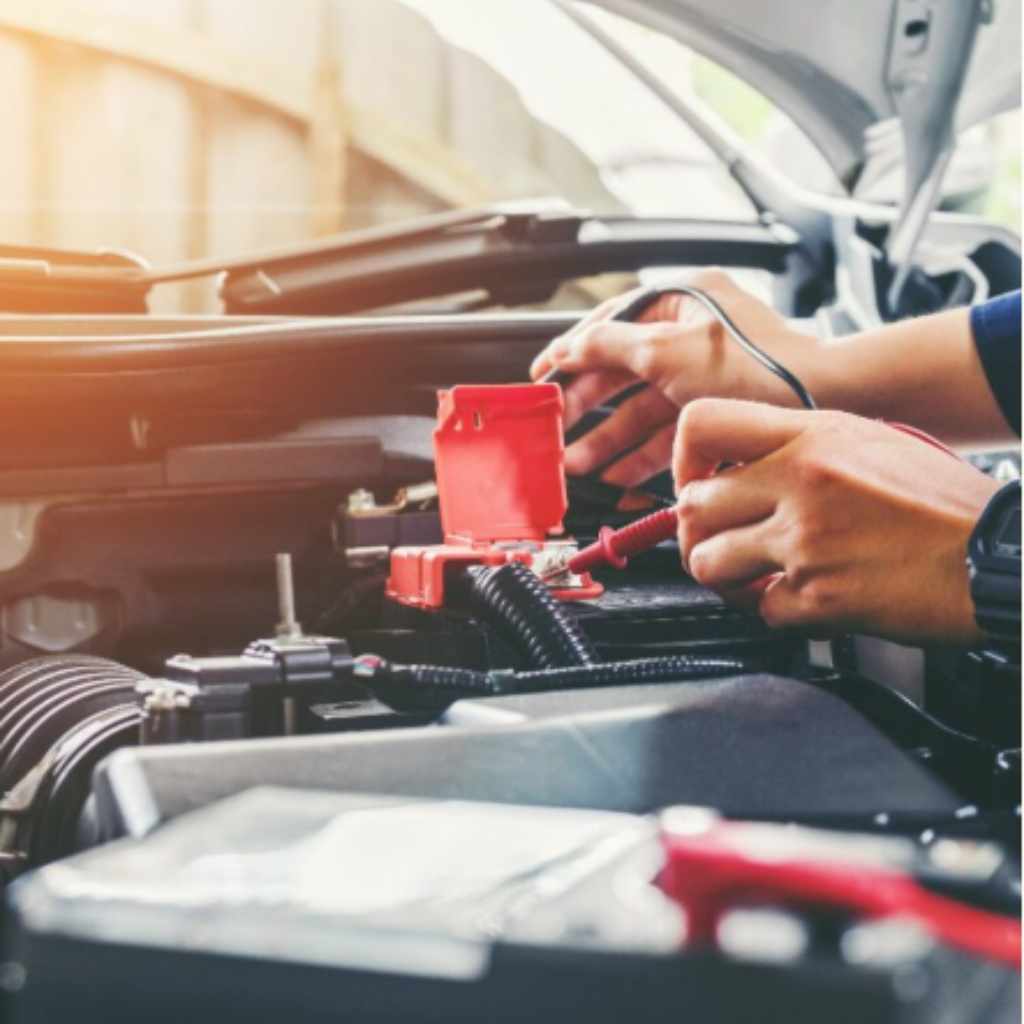
How to Jump-Start Your Car Safely
If you decide to jump-start your car yourself, or with the help of a friend, follow these steps carefully:
What You Will Need
- A working car with a charged battery.
- A set of jumper cables.
- Safety glasses.
- Gloves (optional, but recommended).
Step-by-Step Guide
Ensure both vehicles are turned off. Park the working car close enough to the dead car so the jumper cables can reach both batteries, but make sure the cars are not touching each other.
Step 1: Connect the Red Cable
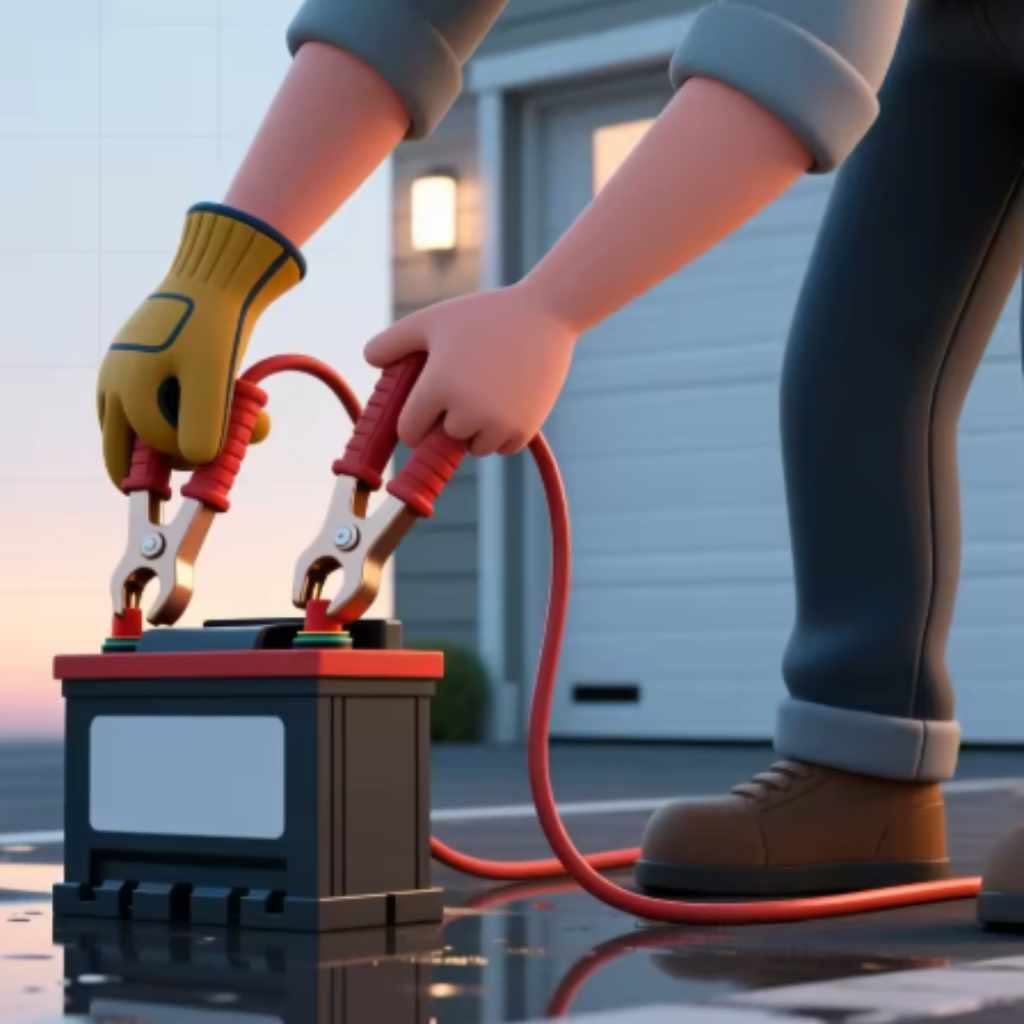
Attach one red clamp to the positive (+) terminal of the dead battery. Then, attach the other red clamp to the positive (+) terminal of the working battery.
Step 2: Connect the Black Cable
Attach one black clamp to the negative (-) terminal of the working battery. For the final connection, attach the other black clamp to an unpainted metal surface on the engine block or chassis of the dead car. Avoid connecting it directly to the negative terminal of the dead battery, as this can cause sparks.
Look for a sturdy, unpainted metal bolt or bracket away from moving parts.
Step 3: Start the Working Car
Start the engine of the working car and let it run for a few minutes. This allows its alternator to charge the dead battery.
Step 4: Start the Dead Car
Try to start the engine of the car with the dead battery. If it starts, let it run for a few minutes. If it doesn’t start, wait a few more minutes with the working car running and try again.
If it still doesn’t start after a couple of tries, there might be another issue, or the battery might be completely beyond help.
Step 5: Disconnect the Cables
Once the dead car is running, carefully disconnect the jumper cables in the reverse order of connection. Remove the black clamp from the metal surface of the formerly dead car first. Then, remove the black clamp from the working car’s battery.
Next, remove the red clamp from the working car’s battery. Finally, remove the red clamp from the formerly dead car’s battery. Be careful not to let the clamps touch each other or any metal parts of the cars.
Step 6: Keep the Engine Running
After the jump start, keep the engine of the formerly dead car running for at least 20-30 minutes. Driving it around is even better. This helps the alternator charge the battery properly.
If the car dies again shortly after, the battery likely needs to be
When to Get Professional Help
While jump-starting is often a quick fix, there are times when you should call a professional. If you’re uncomfortable performing a jump start, if the cables don’t seem to be working, or if your car continues to have starting issues after a jump, it’s time to seek expert assistance.
Signs Your Battery Might Need Replacing
A dead battery is often a sign that it’s nearing the end of its life. Look out for these indicators:
- The battery is more than 3-5 years old.
- The battery case is swollen or cracked.
- You notice a rotten egg smell coming from the battery.
- Corrosion around the battery terminals.
- Slow engine cranking or a clicking sound when you try to start the car.
Issues Beyond a Simple Jump
Sometimes, a car won’t start for reasons other than a dead battery. These could include problems with the starter motor, alternator, fuel system, or ignition system. In such cases, a jump start won’t solve the problem, and you’ll need a mechanic to diagnose and repair the issue.
Alternatives to Jump Starting
If you don’t have jumper cables or a helpful friend nearby, there are other ways to get your car moving:
Portable Jump Starters
These are compact, battery-powered devices that can jump-start a car without needing another vehicle. They are a great investment for anyone who frequently drives or wants peace of mind.
Battery Charging Services
Some roadside assistance providers and auto repair shops offer battery charging services. They can either charge your existing battery or provide a temporary charge to get you to a service center.
Frequently Asked Questions
Question: Can I call 911 if my car battery is completely dead and I’m blocking traffic?
Answer: If your car is completely dead and blocking traffic, this is a safety hazard. In this specific scenario, you might need to call a non-emergency police line or the highway patrol to help manage traffic while you arrange for a tow or jump start. However, 911 is still for true emergencies.
Question: What happens if I connect the jumper cables incorrectly?
Answer: Connecting jumper cables incorrectly can cause serious damage to both vehicles’ electrical systems. It can also be dangerous, potentially causing sparks, fires, or battery explosions.
Question: How long should I let the car run after a jump start?
Answer: You should let the engine run for at least 20 to 30 minutes after a successful jump start. Driving the car for a longer period, if possible, is even better to ensure the battery gets a good charge.
Question: Can I use jumper cables if my car battery is frozen?
Answer: No, you should never attempt to jump-start a frozen battery. A frozen battery can explode. If you suspect your battery is frozen, it needs to be thawed by a professional before any attempts are made to jump it.
Question: What is the difference between a jump start and a tow?
Answer: A jump start provides temporary power from another car’s battery to start your engine. A tow involves a tow truck lifting and transporting your vehicle to a repair shop or another location.
Final Thoughts
When faced with a dead car battery, remember that calling 911 to jump your car is not the correct course of action. 911 is reserved for life-threatening emergencies. Instead, rely on services like roadside assistance, local towing companies, or helpful friends and family.
If you choose to jump-start your car yourself, always prioritize safety by following the proper connection steps and wearing protective gear. Understand the signs that your battery might need replacement, as a jump is often just a temporary fix. Keeping a set of jumper cables in your car or investing in a portable jump starter can provide significant peace of mind.
Being prepared with the right knowledge and resources will help you get back on the road quickly and safely when your car battery decides to take an unexpected nap.