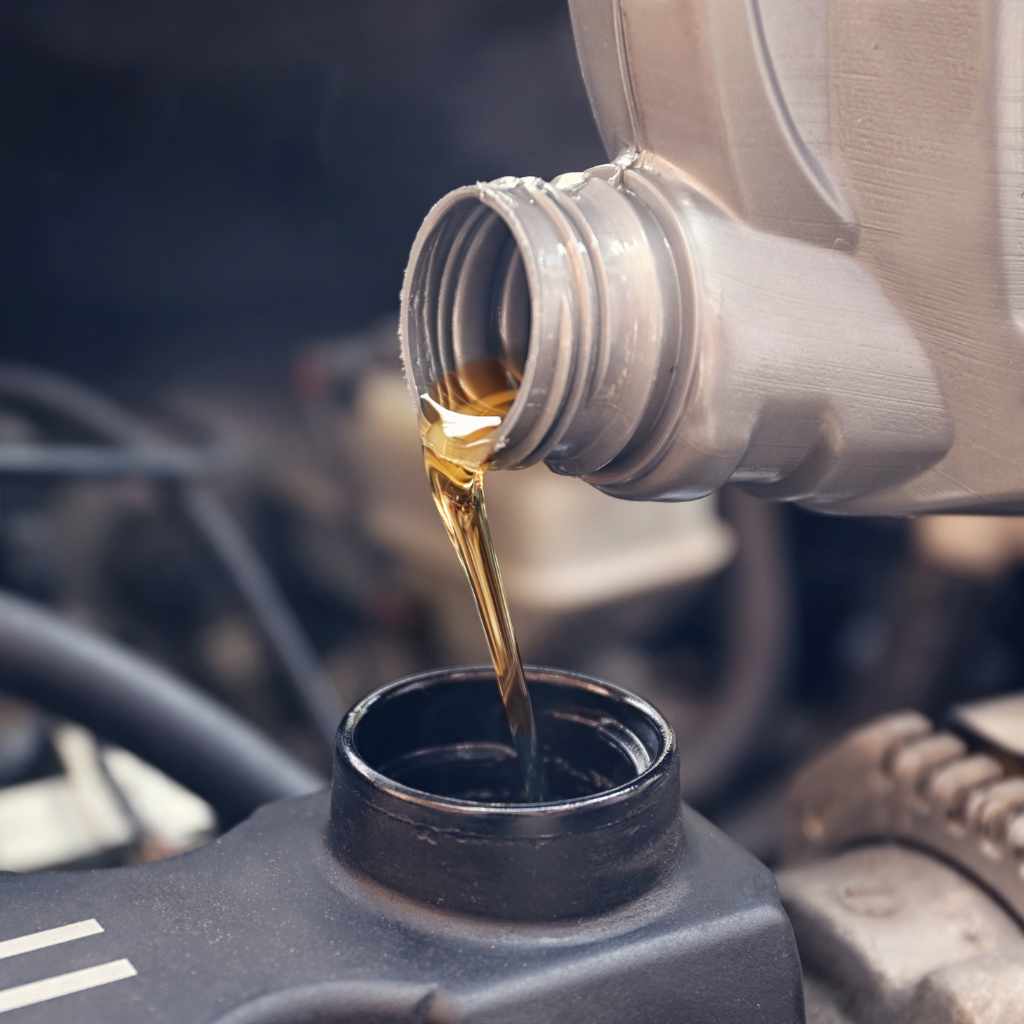
Can I Just Add Oil to My Car? What You Need to Know
Imagine this: You’re about to head out for a road trip, or maybe just a quick errand, and a little light on your dashboard catches your eye. It’s the oil pressure warning light. Panic sets in.
Your first thought might be, “Can I just add oil to my car?” It’s a common question, and one that has many car owners wondering about the quickest fix. We’ll get straight to the point, explaining what you need to know to make sure you’re doing the right thing for your vehicle’s engine.
Can I Just Add Oil to My Car What You Need to Know
That little red or yellow light on your dashboard related to oil is your car’s way of telling you something needs attention. It could be a simple low oil level, or it could be a sign of a more serious issue. Many drivers face this situation and wonder if a quick top-up will solve the problem.
The short answer is, yes, you can often add oil to your car, but it’s not always as simple as grabbing any bottle from the auto parts store. Doing it the wrong way can cause more harm than good.
This guide will help you understand exactly when and how to add oil to your car. We’ll cover the important things you need to know so you can keep your engine running smoothly and avoid costly repairs down the road. By the end of this, you’ll be confident in addressing your car’s oil needs correctly.
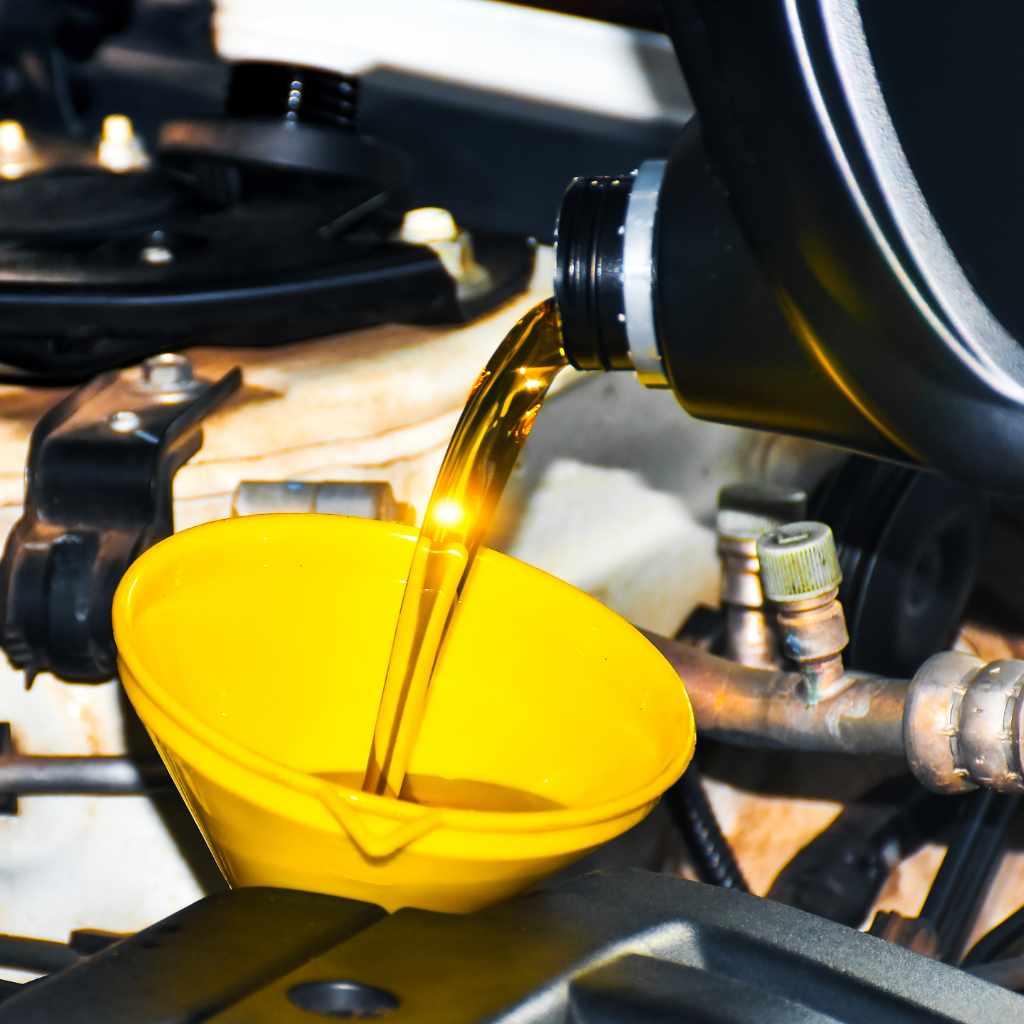
Why Your Car Needs Oil
Engine oil is often called the lifeblood of your car. It’s not just a lubricant; it performs several vital functions that keep your engine healthy and running efficiently. Without adequate oil, your engine components would grind against each other, creating excessive heat and friction, leading to rapid wear and eventual failure.
Lubrication
The primary role of engine oil is to reduce friction between moving parts. Think of the thousands of metal pieces inside your engine constantly moving at high speeds. Oil creates a thin film between these parts, allowing them to slide smoothly against each other rather than rubbing and seizing.
Cooling
While your car has a cooling system, the engine oil also plays a significant role in keeping the engine cool. As oil circulates, it picks up heat from hot engine components like pistons and bearings, carrying it away to the oil pan where it can dissipate. This is especially important in high-stress areas that the coolant might not reach effectively.
Cleaning
Engines generate byproducts of combustion, such as carbon deposits and sludge. Engine oil contains detergents and dispersants that pick up these contaminants and keep them suspended in the oil. This prevents them from building up on engine parts, which can restrict oil flow and reduce efficiency.
The oil filter then traps these particles as the oil circulates.
Protection
Oil forms a protective barrier on metal surfaces, preventing rust and corrosion. This is particularly important when the engine is off and metal parts are exposed to moisture and air. The oil layer shields them from these corrosive elements.
Sealing
Oil also helps to seal the gaps between the piston rings and the cylinder walls. This seal is crucial for maintaining compression within the cylinders, which is essential for the engine to generate power efficiently. A good seal ensures that the combustion gases stay where they should and don’t escape.
When Do You Need to Add Oil?
Knowing when your car needs more oil is key. The most obvious sign is a warning light on your dashboard. However, there are other indicators, and checking your oil level regularly is a good habit to get into.
Dashboard Warning Lights
There are typically two main lights to watch for:
- Oil Pressure Warning Light: This light usually looks like an oil can with a drip. If this light comes on while you’re driving, it means your engine isn’t getting enough oil pressure. This is a serious issue, and you should pull over safely and turn off the engine immediately. Continuing to drive can cause severe engine damage.
- Low Oil Level Warning Light: Some newer cars have a sensor that monitors the oil level. This light might look like a dipstick with wavy lines. This usually indicates that the oil level is low, but the pressure might still be acceptable. However, it’s still important to address it promptly.
Checking the Dipstick
The most reliable way to check your oil level is by using the dipstick. This is a simple metal rod, usually with a brightly colored handle, located in the engine bay. You should check your oil level when the engine has been off for at least 10-15 minutes, allowing the oil to drain back into the oil pan.
The dipstick will have markings indicating the full and low levels. If the oil level is below the ‘low’ mark, you need to add oil.
Engine Noises
If you start hearing unusual noises from your engine, such as ticking, knocking, or grinding sounds, especially when starting up or accelerating, it could be a sign of low oil. These noises often result from metal parts rubbing together due to insufficient lubrication.
Exhaust Smoke
If you notice blue or grayish smoke coming from your exhaust, it might indicate that oil is leaking into the combustion chambers. This can happen if oil levels are too high or if there are internal engine problems, but it’s a sign that oil levels need to be monitored.
Can I Just Add Oil to My Car What Type of Oil?
This is where many people make mistakes. Not all engine oils are created equal, and using the wrong type can do more harm than good. It’s crucial to use the oil recommended by your car’s manufacturer.
Check Your Owner’s Manual
The absolute best place to find out what kind of oil your car needs is in your owner’s manual. It will specify the correct viscosity grade (e.g., 5W-30, 10W-40) and the oil specification or standard (e.g., API SN, ACEA A3/B4). Viscosity refers to the oil’s thickness, and it’s important because it determines how well the oil flows at different temperatures.
Understanding Viscosity Grades
Viscosity is typically shown as a number followed by a ‘W’ and then another number (e.g., 5W-30). The ‘W’ stands for winter. The first number indicates the oil’s viscosity at cold temperatures, while the second number indicates its viscosity at higher operating temperatures.
For example, 5W-30 oil flows more easily at cold temperatures than 10W-30 oil, which is beneficial for starting in cold weather. At operating temperature, both oils have a similar viscosity.
Synthetic vs. Conventional Oil
Engine oils come in two main types: conventional and synthetic. Conventional oil is refined from crude oil. Synthetic oil is chemically engineered and offers superior performance.
It provides better lubrication at extreme temperatures, is more resistant to breakdown, and typically lasts longer than conventional oil. Many modern cars, especially performance vehicles, require synthetic or synthetic blend oil. Your owner’s manual will tell you which is appropriate.
Oil Specifications and Standards
Beyond viscosity, oils also meet certain performance standards set by organizations like the American Petroleum Institute (API) or the European Automobile Manufacturers’ Association (ACEA). These standards ensure the oil provides specific levels of protection, such as wear protection, deposit control, and fuel economy. Always choose an oil that meets the specified standard for your vehicle.
How to Add Oil to Your Car
Adding oil is a relatively simple DIY task, but it’s important to do it correctly. Here’s a step-by-step guide:
1. Gather Your Supplies
You’ll need:
- The correct type and amount of engine oil (check your manual for the exact quantity, usually 1 quart or less is needed for a top-up).
- A funnel.
- Rags or paper towels.
- Gloves (optional, to keep your hands clean).
2. Park Your Car on a Level Surface
This is crucial for an accurate oil level reading and for ensuring the oil distributes properly after you add it. Never check or add oil on a hill.
3. Let the Engine Cool
As mentioned before, wait at least 10-15 minutes after turning off the engine. Hot oil can cause severe burns.
4. Locate the Oil Filler Cap
Open the hood and locate the oil filler cap. It usually has an oil can symbol or the word “OIL” on it. It’s typically a bright color like yellow, orange, or black.
5. Remove the Cap and Insert the Funnel
Carefully unscrew the oil filler cap and place it somewhere safe. Insert the funnel into the oil filler opening.
6. Add Oil Slowly
Pour the oil into the funnel slowly and steadily. Don’t pour too much at once. It’s better to add a little, wait, and check, than to overfill.
7. Replace the Filler Cap and Check the Level
Once you’ve added the oil, remove the funnel, wipe up any spills, and screw the oil filler cap back on securely. Wait a few minutes, then recheck the oil level using the dipstick. Add more oil if needed, a little at a time, until it reaches the ‘full’ mark.
Do not go above the ‘full’ mark.
8. Start the Engine and Check for Leaks
Start the engine and let it run for a minute or two. Check the dashboard for any warning lights. Then, turn off the engine and check the oil filler area and around the dipstick for any signs of leaks.
What Happens If You Overfill Or Underfill?
Both underfilling and overfilling your engine with oil can lead to serious problems.
Problems with Underfilling
If your oil level is too low, the engine may not get adequate lubrication. This leads to increased friction, overheating, and premature wear of engine parts. As mentioned earlier, the oil pressure warning light is a critical indicator of this problem.
If ignored, it can quickly lead to catastrophic engine failure.
Problems with Overfilling
Overfilling your engine with oil can be just as damaging. Excess oil can get churned up by the crankshaft, creating foam. Foamy oil doesn’t lubricate effectively and can lead to increased wear.
Furthermore, excess oil can get forced past piston rings and into the combustion chambers, leading to:
- Excessive smoke from the exhaust
- Spark plug fouling
- Damage to catalytic converters
- Internal engine seals can be damaged, leading to leaks.
It’s vital to add oil gradually and recheck the level until it’s correct.
When Should You Call a Mechanic?
While adding oil is often a simple fix, there are times when it’s best to seek professional help. If the oil warning light persists after adding oil, or if you notice other symptoms, it’s time to consult a mechanic.
- Persistent Warning Lights: If the oil pressure light stays on even after you’ve topped up the oil, it suggests a more significant issue than just a low level. This could include a faulty oil pump, a clogged oil filter, or a leak in the oil system.
- Rapid Oil Loss: If you’re frequently needing to add oil, even between regular checks, your car might have an oil leak or be burning oil. This requires professional diagnosis to identify the source of the problem.
- Unusual Noises or Smells: Beyond simple ticking, loud knocking, grinding, or a strong burning oil smell from your engine could indicate severe internal damage that needs immediate attention from a trained technician.
- You’re Unsure: If you’re not comfortable performing the oil check or top-up yourself, or if you’re unsure about the type of oil to use, it’s always safer to take your car to a trusted mechanic or an oil change service center. They have the knowledge and equipment to do it right.
Frequently Asked Questions
Question: How often should I check my car’s oil level?
Answer: It’s a good practice to check your oil level at least once a month, and before any long road trips. Many manufacturers recommend checking it with every fuel fill-up.
Question: Can I mix different brands or types of oil?
Answer: It’s best to avoid mixing different brands or types of oil unless they are exactly the same viscosity and specification. While some mixing is generally safe, it can potentially reduce the effectiveness of the oil and is not recommended.
Question: What is the difference between motor oil and other lubricants?
Answer: Motor oil is specifically formulated for the high temperatures and pressures found inside an internal combustion engine. Other lubricants, like transmission fluid or power steering fluid, have different properties and are used for different systems in your car.
Question: My car is older, does it need different oil than a new car?
Answer: Older cars might sometimes benefit from conventional oil, or a specific blend designed for older engines, which may have different additives. Always consult your owner’s manual or a mechanic to be sure.
Question: Is it okay to drive a short distance if the oil light comes on?
Answer: No, it is not recommended to drive with the oil pressure warning light illuminated. Turn off the engine as soon as it is safe to do so. Driving even a short distance can cause significant engine damage.
Final Thoughts
Knowing whether you can just add oil to your car is about more than just pouring liquid into an engine. It’s about recognizing your car’s needs and responding with the correct action. Regularly checking your oil level with the dipstick is a simple habit that can prevent major headaches.
Always refer to your owner’s manual for the specific type and amount of oil your vehicle requires, as using the wrong oil can cause harm. If you see a warning light, assess the situation calmly: if it’s the oil pressure light, stop the engine immediately. If the level is low, adding oil slowly and carefully, then rechecking, is the way to go.
Don’t hesitate to seek help from a mechanic if you notice persistent issues, rapid oil loss, or if you’re simply unsure. Taking good care of your engine’s oil is a key part of keeping your car running reliably for years to come.