Best Engine Oils for Cars: Top 3 Picks Reviewed
For most daily drivers, the best match is a full-synthetic 0W-20 or 5W-30 that follows the owner’s manual, with one option for commuting, one for turbocharged engines, and one for high-mileage cars. Pick the wrong grade, and you can invite faster wear, oil use, low-pressure warnings, or turbo damage. This guide ranks three strong options by use case, then matches each oil to the engine type, mileage, and climate where it fits best.
Start with the owner’s manual. Viscosity grade and OEM spec come before price, bottle claims, or brand loyalty. If the manual calls for 0W-20 and an API SP or ILSAC GF-6A oil, that is the starting point; if it lists 5W-30 or another approved grade, use that instead.
Which engine oil fits your car?
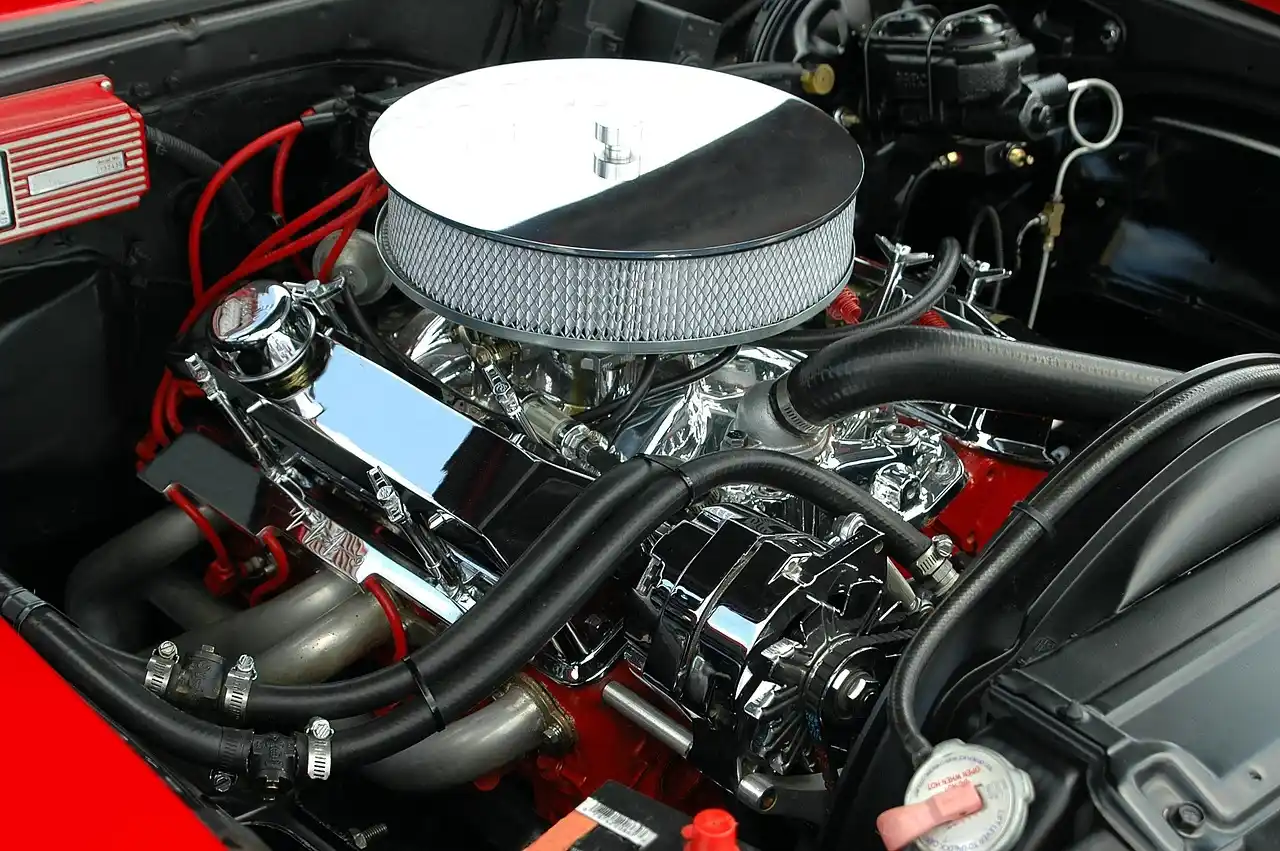
The three main filters are mileage, climate, and engine design. A newer fuel-economy engine often wants a lower-viscosity oil, while an older engine with consumption or seepage may call for a different approach. Turbocharged and direct-injection engines need extra attention because heat and deposit control matter more.
| Oil | Mileage band | Climate | Engine type | OEM spec requirement | Drain interval | When not to buy it |
|---|---|---|---|---|---|---|
| Mobil 1 Extended Performance | Any band if the manual allows the grade | Cold to hot, including wide seasonal swings | Modern gasoline engines, including many turbo applications | API SP; ILSAC GF-6A when the manual calls for a common fuel-economy grade | 20,000 miles claimed, but shorten for severe service | Do not buy it for an interval you will not actually follow, or if your manual requires a different viscosity or an OEM approval this oil does not carry |
| Valvoline Advanced Full Synthetic 5W-30 | Broad fit, including many higher-mileage daily drivers | Moderate to hot, and mixed conditions | Everyday driving, older and newer engines that call for 5W-30 | Match the manual’s 5W-30 requirement; look for API SP where applicable | Full-synthetic oils are commonly reported to last about 7,500 to 15,000 miles, depending on service. | Do not buy it if the manual specifically calls for 0W-20 or another grade and does not list 5W-30 as acceptable |
| Castrol GTX Full Synthetic 0W-20 | Newer cars and fuel-economy setups | Very good for cold starts and year-round commuting | Engines that specify 0W-20 | Use only when the manual calls for 0W-20; API SP and ILSAC GF-6A are the right targets for many gasoline cars | Full-synthetic oils are commonly reported to last about 7,500 to 15,000 miles, depending on service. | Do not buy it for an engine that requires 5W-30, 10W-40, or another thicker grade |
| Pennzoil Ultra Platinum | Any band, especially engines with deposit concerns | All-season use, with strong cold-flow behavior | Turbocharged and direct-injection engines, plus clean-running daily drivers | Match the manual’s viscosity and look for API SP; GF-6A when the grade calls for it | Full-synthetic range, commonly 7,500–15,000 miles depending on service | Do not buy it as a substitute for the wrong viscosity, or if you need a specific OEM approval not on the bottle |
What does 5W-30 mean?
5W-30 describes how the oil behaves when cold and when hot. The “5W” winter rating matters for cold-start flow, while the “30” describes hot operating viscosity. 0W-20, 5W-20, 5W-30, and 10W-40 are generally not interchangeable, even if the bottles look similar.
Winter rating and cold-start flow
The first number tells you how quickly the oil moves during startup. Lower winter ratings flow more readily in cold weather, which matters on winter mornings and short-trip driving. A 0W oil is often the better cold-flow choice than a 5W oil when the manual allows both.
Second number and hot operating viscosity
The second number reflects oil thickness at operating temperature. A 30-weight oil will not behave like a 40-weight oil once hot, and that difference can matter for bearing clearance, oil pressure, and consumption control. Use the grade the manual specifies, because the engine was designed around that hot viscosity.
Why the manual-matched grade is non-negotiable
Manual-matched grade is non-negotiable because viscosity controls oil pressure, cam and chain protection, and the balance between fuel economy and wear protection. If a car accepts more than one grade, pick only from the manual’s approved options. Thicker is not automatically safer, especially in engines designed for low-viscosity oil.
Which oil standard should you look for?
API SP is the current gasoline-engine standard, and it was introduced in 2020. It addresses low-speed pre-ignition and timing-chain wear. For common fuel-economy grades, ILSAC GF-6A is the companion standard to look for, especially on 0W-20, 5W-20, and 5W-30 oils.
API SP and why it matters for gasoline engines
API SP is the baseline filter for many modern gasoline cars. If a bottle lacks it, that is a warning sign for newer engines, especially turbocharged direct-injection setups that are more sensitive to LSPI and chain wear. For a daily driver, this standard should be treated as required unless the manual says otherwise.
ILSAC GF-6A and fuel-economy grades
ILSAC GF-6A is tied to common fuel-economy viscosities like 0W-20, 5W-20, and 5W-30. It is the companion standard that supports efficiency without ignoring protection. If your manual lists one of those grades, GF-6A is one of the first markings to check.
When OEM approvals matter more than brand names
Some vehicles require a specific OEM approval in addition to API SP or ILSAC GF-6A. That matters more than the brand name on the front label. If the manual lists a manufacturer spec, match that spec first, then choose among oils that meet the correct viscosity and gasoline-engine standard.
Top 3 engine oil picks
The ranking below is by use case, not by advertising claims alone. Mobil 1 Extended Performance is the default pick when you want long interval coverage and broad compatibility. Valvoline Advanced Full Synthetic 5W-30 fits everyday driving and mixed conditions. Castrol GTX Full Synthetic 0W-20 fits newer cars that call for a fuel-economy grade. Pennzoil Ultra Platinum is the cleanliness choice for engines where deposits and turbo heat deserve extra attention.
Mobil 1 extended Performance
This is the default pick for drivers who want a long-interval full synthetic and a wide everyday fit, provided the manual allows the viscosity. It is labeled with full API SP certification, and the guide also lists ILSAC GF-6A. Mobil 1 Extended Performance leads 2026 with a 20,000-mile drain interval claim, but severe service should shorten that target.
Choose it for commuting, highway use, and drivers who track maintenance carefully. Do not treat the 20,000-mile claim as automatic if the vehicle sees short trips, towing, dust, or repeated hot running. In those cases, full-synthetic intervals in the 7,500–15,000-mile range are the safer planning window.
Valvoline advanced full Synthetic 5W-30
This is the broad everyday-driving choice. It is a full synthetic, and the 5W-30 grade fits a wide set of cars that still ask for a mid-viscosity oil. If your manual lists 5W-30, this is the most straightforward pick for mixed city and highway use.
It is a strong answer for cars that do not need the lowest-viscosity fuel-economy grade but still benefit from full-synthetic cold flow and heat stability. It is not the right pick if your engine strictly calls for 0W-20. It is also not a substitute for a higher-viscosity requirement like 10W-40.
Castrol GTX full Synthetic 0W-20
This is the newer-car, fuel-economy pick. It belongs in engines that specify 0W-20 and usually want quick cold-start flow, low pumping loss, and API SP or ILSAC GF-6A coverage. If the manual calls for 0W-20, this is the cleaner fit than moving to a thicker grade.
Use it when the engine was designed around low-viscosity oil and the goal is everyday protection with efficiency in mind. Do not buy it for an engine that asks for 5W-30 or 10W-40. That would move away from the manual’s hot-viscosity target.
Pennzoil Ultra Platinum
This is the cleanliness and deposit-control pick. Pennzoil Ultra Platinum uses GTL base oil technology, and the guide describes it as 99.5% purity. It is also described as keeping pistons up to 25% cleaner than the average full synthetic. That makes it a strong fit for turbocharged engines and for drivers worried about sludge or deposits.
Use it where keeping internals clean matters as much as basic lubrication. That includes many direct-injection turbo engines and long-commute cars that see heat and repeat shutdowns. Still match the manual’s viscosity and spec first; cleaning ability does not override grade selection.
Engine oil decision matrix
This matrix turns the bottle labels into a buying decision. Use it after you confirm the owner’s manual. It shows which oil fits which mileage band, climate, engine type, and spec requirement, and it also shows when to skip a product even if the brand is respected.
| Oil | Mileage band | Climate | Engine type | OEM spec requirement | Drain interval | When not to buy |
|---|---|---|---|---|---|---|
| Mobil 1 Extended Performance | New to high-mileage, if grade matches | Cold, mixed, or hot | Daily drivers, many turbocharged gasoline engines | API SP; GF-6A when the manual lists 0W-20, 5W-20, or 5W-30 | 20,000 miles claimed; shorten for severe service | Skip it if you need a different viscosity or a specific OEM approval not shown |
| Valvoline Advanced Full Synthetic 5W-30 | Broad daily-driver band, including many older engines | Moderate to hot, plus mixed commuting | Cars that call for 5W-30 | Match the manual’s 5W-30 requirement; API SP where applicable | Common full-synthetic range: 7,500–15,000 miles | Skip it if the manual specifically requires 0W-20 and does not allow 5W-30 |
| Castrol GTX Full Synthetic 0W-20 | Newer cars and efficiency-focused setups | Cold to moderate, year-round commuting | Engines designed for 0W-20 | API SP and ILSAC GF-6A are the right targets for many gasoline engines | Common full-synthetic range: 7,500–15,000 miles | Skip it if the manual calls for 5W-30, 10W-40, or another grade |
| Pennzoil Ultra Platinum | Any band, especially engines with deposit risk | All-season, including cold starts | Turbocharged, direct-injection, and high-heat engines | Match the manual’s viscosity; API SP when available; GF-6A when the grade fits | Common full-synthetic range: 7,500–15,000 miles | Skip it if the engine needs a specific OEM approval you cannot verify on the bottle |
Picture a 2019 sedan that calls for 0W-20 and sees winter mornings below freezing. The right move is to stay with 0W-20 and look for API SP plus GF-6A, not jump to 5W-30 because the car is “getting older.” The manual still controls the choice.
Suppose a turbocharged crossover starts using oil between changes and the owner is tempted to use a thicker oil. That may not solve the root cause. If the manual allows the original viscosity, a cleaner full synthetic with API SP, plus a shorter interval, is usually the safer first step than guessing at thicker oil.
Choose Mobil 1 extended Performance if…
Choose Mobil 1 Extended Performance if your manual allows the listed viscosity, you want a long-interval full synthetic, and your driving is mostly commuting or highway miles. It is also a good fit if your gasoline engine calls for API SP and, where applicable, ILSAC GF-6A. Avoid it as a marketing shortcut when severe service should shorten the interval.
Choose Valvoline Advanced full Synthetic 5W-30 if…
Choose Valvoline Advanced Full Synthetic 5W-30 if your manual lists 5W-30, your car sees mixed driving, and you want a broad everyday option without overthinking the bottle. It fits many cars with moderate mileage and works well when you want full-synthetic protection without moving to a low-viscosity fuel-economy grade.
Choose Castrol GTX full Synthetic 0W-20 if…
Choose Castrol GTX Full Synthetic 0W-20 if your manual specifically calls for 0W-20, the car is a newer design, and fuel economy matters. It is the right answer for many cold-start-heavy commuting patterns. Do not choose it just because it sounds modern; the grade has to match the manual.
Choose Pennzoil Ultra Platinum if…
Choose Pennzoil Ultra Platinum if your engine runs hot, uses a turbo, or has a deposit-control concern, and the manual’s viscosity matches the bottle. Its GTL base oil approach and cleanliness focus make it a strong choice for engines that benefit from cleaner pistons and lower deposit risk. It is still not a substitute for the wrong grade.
Frequently asked questions
What is the best engine oil for my car?
The best engine oil for your car is the one that matches the owner’s manual first, then fits your climate and driving pattern. For most daily drivers, that means a full synthetic 0W-20 or 5W-30 with API SP, and often ILSAC GF-6A on common fuel-economy grades. Brand comes after that.
Which engine oil is best for high-mileage cars?
High-mileage oil is usually the better starting point once an engine passes 75,000 miles, especially if it shows seal seepage or oil consumption. It contains seal conditioners and is meant to address leaks and consumption, but it still has to match the manual’s viscosity. A thicker oil is not automatically the fix.
Should I use full synthetic or synthetic blend?
Full synthetic is usually the better choice for modern engines because it flows better in cold weather, holds up better at high heat, and commonly supports 7,500–15,000-mile intervals. Synthetic blend can still make sense on a budget, but it generally gives up some temperature and interval headroom.
What does 5W-30 mean on engine oil bottles?
5W-30 means the oil is rated for winter flow as a 5W oil and for hot operation as a 30-weight oil. The winter number affects cold-start flow; the second number reflects operating viscosity once the engine is hot. Use only grades the manual allows.
Is API SP the current oil standard for gasoline engines?
Yes. API SP is the current gasoline-engine standard, and it was introduced in 2020. It addresses low-speed pre-ignition and timing-chain wear, which matter on many modern engines. If your car is gasoline-powered and the manual calls for API SP, that label should be on the bottle.
How often should I change full synthetic engine oil?
Full synthetic oils typically last 7,500–15,000 miles, but driving severity can shorten that window. Short trips, heavy idling, dust, towing, and repeated high-heat use all push the interval down. A 20,000-mile claim should be treated as a maximum claim, not a universal target.
What oil should I use if my owner’s manual calls for 0W-20?
Use 0W-20, not a thicker substitute, unless the manual specifically lists another acceptable grade. Look for API SP and, for many cars, ILSAC GF-6A. Castrol GTX Full Synthetic 0W-20 is the cleanest fit here, while other 0W-20 full synthetics can work if they meet the same specs.
Which engine oil is best for turbocharged engines?
Turbocharged engines usually do best with a full synthetic that meets the manual’s exact viscosity and carries API SP. Deposit control matters because turbo heat can punish oil quickly. Pennzoil Ultra Platinum is a strong pick when cleanliness is a priority, but the manual still decides the grade and approval.
Products related to this article
Sponsored / affiliate links. As an Amazon Associate I earn from qualifying purchases. I may earn additional commission from eligible campaigns.