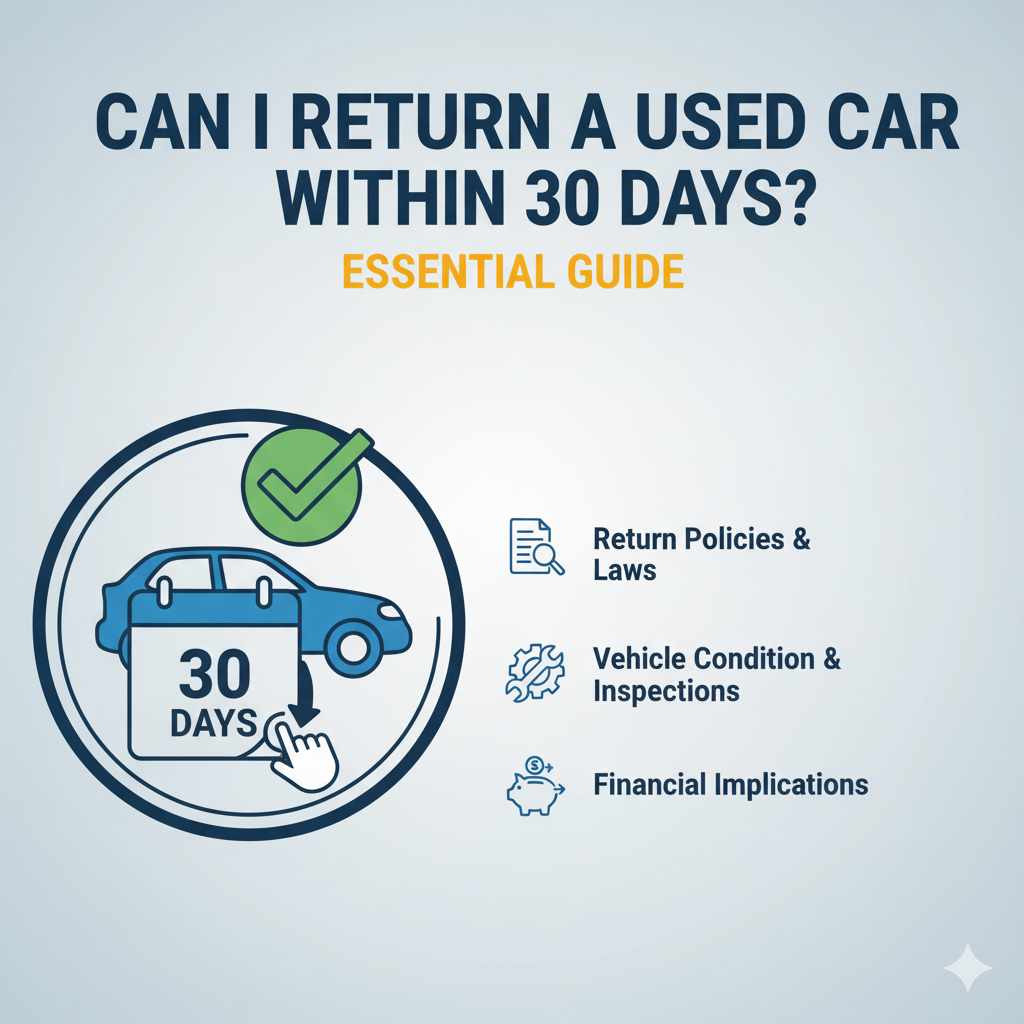
Can I Return a Used Car Within 30 Days? Essential Guide
Yes, sometimes you can return a used car within 30 days, but it’s not a simple “yes” or “no.” It heavily depends on the seller, any contracts signed, state laws, and specific return policies. Understanding your rights and the dealer’s policies is key.
Buying a used car can feel like a big step, and sometimes, after you’ve driven it home, you might realize it’s not quite the right fit. Maybe it’s not as reliable as you hoped, or perhaps you discover a hidden issue. This often leads to a common question: “Can I return a used car within 30 days?” It’s a frustrating situation many buyers worry about, and the answer can feel complicated. But don’t worry!
As your trusted automotive guide, I’m here to break down exactly what to expect and what steps you can take. We’ll go through the possibilities, understand the key factors, and equip you with the knowledge to navigate this tricky situation. Stick around as we uncover the truth about returning a used car and what you need to know.
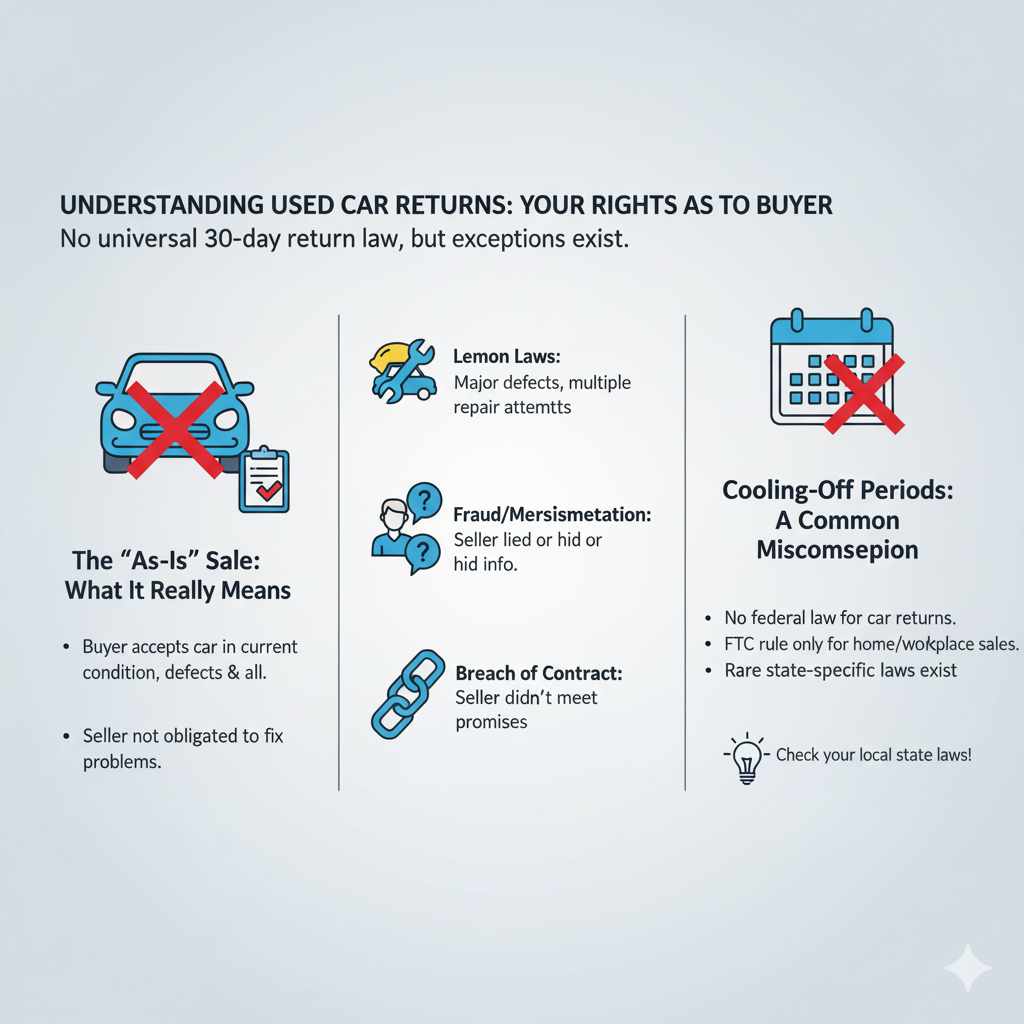
Understanding Used Car Returns: Your Rights as a Buyer
When you buy a used car, the transaction often feels final. Unlike buying a new shirt or a gadget, cars can be complex purchases. The common understanding is that once you sign the paperwork and drive off the lot, the car is yours, “as-is.” While this is often true, there are situations and legal avenues that might allow for a return. It’s crucial to remember that there’s no universal federal law in the U.S. that mandates a 30-day return policy for used cars. However, specific circumstances and state regulations can offer you protection. Let’s explore these nuances to help you understand your position.
The “As-Is” Sale: What It Really Means
Most used cars are sold “as-is.” This is a legal term that essentially means the buyer accepts the car in its current condition, including any existing defects or problems, whether they are obvious or hidden. When a car is advertised or sold “as-is” without any warranties, the seller (whether it’s a dealership or a private party) is generally not obligated to fix problems that arise after the sale. This is why it’s so important to get a thorough inspection before you buy.
However, even an “as-is” sale isn’t always ironclad. There are exceptions:
- Lemon Laws: While primarily for new cars, some states have limited “lemon law” protections that might apply to used cars, especially if a specific warranty was provided. These laws usually cover substantial defects that impair the vehicle’s use, value, or safety and that cannot be repaired after a reasonable number of attempts.
- Fraud or Misrepresentation: If the seller intentionally misled you about the car’s condition, history, or mileage, you might have grounds to void the sale. This requires proof that the seller knew about the issue and actively hid it or lied about it.
- Breach of Contract: If the sales contract included specific promises or warranties that were not met, you might have a case for returning the car based on a breach of contract.
Cooling-Off Periods: A Common Misconception
Many people believe there’s a federal “cooling-off period” that allows them to return any major purchase within a few days. This is a common myth, especially concerning vehicles. In the United States, there is no federal law that grants buyers a standard cooling-off period to return a car. The Federal Trade Commission (FTC) does have a “cooling-off rule,” but it applies only to sales made at your home, workplace, or dormitory, not typically to purchases made at a dealer’s lot.
Some states might have specific regulations, but they are not universal. For example, a few states allow a limited “buyer’s remorse” period, but these are rare and usually come with strict conditions and fees. It’s essential to check your local state laws regarding vehicle sales and returns.
When Can You Actually Return a Used Car?
While a universal 30-day return window isn’t standard, there are specific scenarios where returning a used car might be possible. These often involve specific agreements, legal protections, or significant issues with the sale itself.
1. Dealership Return Policies: The Buyer’s Remorse Option
Some dealerships, particularly larger ones or those aiming for exceptional customer service, might offer their own voluntary return policies. These are not legally required but can be a major selling point for buyers. These policies are often limited in scope and duration:
- Short Timeframes: The window is usually much shorter than 30 days, often 2 to 7 days.
- Mileage Limits: The car typically cannot have been driven more than a certain number of miles (e.g., 250-500 miles).
- Condition Requirements: The car must be returned in the same condition it was sold, with no new damage or wear.
- Fees: You might have to pay a restocking fee, a per-mile fee, or other administrative charges.
- Exchange Only: Some policies only allow you to exchange the car for another vehicle on their lot, rather than getting a full refund.
Before you sign anything, always ask explicitly about the dealership’s return policy. If one exists, make sure it’s clearly written and signed in your purchase agreement. Do not rely on verbal assurances.
2. Contracts with Specific Return Clauses
In rare cases, a contract might include a clause that allows for a return under certain conditions. This is more common in private party sales or specialized dealer agreements. If such a clause exists, it will detail the exact terms for returning the car. It’s vital to read every word of your purchase contract carefully or have a legal professional review it.
3. Legal Protections: When the Sale is Not Valid
There are times when you might have a legal right to return a car, even if the dealership doesn’t offer a voluntary return policy. This usually involves proving the sale was flawed in some way:
- Fraudulent Misrepresentation: If the seller lied about the car’s condition, maintenance history, or if the odometer was tampered with, you may be able to get out of the sale. For example, if a dealer claimed a car never had an accident, but you later discover evidence of significant collision damage, this could be grounds for rescinding the contract. The burden of proof generally lies with the buyer.
- Undisclosed Major Defects: While “as-is” means you accept the car’s condition, it doesn’t always shield a seller from liability if they actively concealed a major defect that makes the car unsafe or unusable, and they knew about it.
- Failure to Disclose Title Issues: If the car has a salvaged, flood, or lemon history that the seller failed to disclose, you may have legal recourse. The Vehicle History Report from services like CarFax or AutoCheck is crucial here.
- Breach of Warranty: If the car came with a limited warranty (express or implied) and the defect falls under that warranty, the dealer may be required to repair it. If they fail to do so after a reasonable number of attempts, you might be able to return the car.
4. Private Party Sales: The Tricky Terrain
Returning a car bought from a private seller is generally much harder. Private sales are almost always “as-is” with no implied warranties. Unless you can prove outright fraud, misrepresentation, or a breach of a very specifically written contract (which is rare in private sales), you likely have no recourse. Always perform a thorough inspection and consider a pre-purchase inspection by an independent mechanic when buying from a private seller.
Steps to Take if You Want to Return a Used Car
If you’ve purchased a used car and are considering a return, acting quickly and systematically is key. Here’s a step-by-step guide:
-
Review Your Paperwork Immediately:
Dig out your sales contract, financing agreement, and any other documents you signed. Look for any mention of a return policy, warranty, or specific clauses regarding buyer satisfaction. Check if the dealer offered a voluntary “buy-back” or “exchange” program.
-
Check State Laws:
Research your state’s specific laws regarding used car sales. Look for information on “buyers remorse” laws, lemon laws for used vehicles, and dealership disclosure requirements. The Federal Trade Commission (FTC) website is a good starting point for general consumer rights, and your state’s Attorney General’s office or Department of Motor Vehicles (DMV) will have state-specific information.For example, in California, there is NO “cooling-off” period for used cars bought from a dealer unless the dealer provides it or it’s part of a contract adding a specific buy-back option at a cost. In New York, there’s no automatic right to return a car. However, dealers must offer a written warranty for used vehicles over a certain age/mileage unless they offer an “as-is” sale, which must be clearly stated.
-
Document Any Issues:
If you’re considering a return because of a problem with the car, document everything. Take photos or videos of the issue. Note down when you first noticed it, how it manifested, and any inconvenience it caused. If there were verbal promises made by the salesperson, write them down with dates and times.
-
Contact the Seller Directly and Promptly:
Reach out to the dealership or private seller as soon as possible. If it’s a dealership, speak to the sales manager or general manager, not just the salesperson. Clearly and calmly explain your situation and what you hope to achieve (e.g., a refund, exchange, or repair). Be prepared to state your case based on your paperwork and research.
-
Be Prepared for Negotiation:
The seller may not agree to a full return immediately. Be ready to negotiate. They might offer a partial refund, credit towards another vehicle, or agree to fix the problem. If you have a contract with a return clause or can prove fraud, your negotiating position will be stronger.
-
Seek Professional Help If Necessary:
If the seller is unwilling to cooperate and you believe you have a strong case (based on fraud, misrepresentation, or a breach of contract), consider seeking legal advice. An automotive consumer attorney can help you understand your rights and options.
Factors That Can Affect Your Ability to Return a Car
Several elements will play a significant role in determining whether you can return a used car. Understanding these beforehand can save you a lot of stress and potential disappointment.
The Type of Seller Matters
As mentioned, the entity you bought the car from makes a big difference:
- Franchise Dealerships (New Car Dealers Selling Used Cars): These often have better policies and are more subject to consumer protection laws. They might offer voluntary return policies or exchanges to maintain their reputation.
- Independent Used Car Dealerships: Policies vary widely. Some may offer limited return options, while others strictly adhere to “as-is” sales. Smaller lots might have less flexibility.
- Private Sellers: As discussed, these sales are almost always final with very limited recourse, unless outright fraud can be proven.
The Purchase Price and Age of the Car
While not a strict rule, the car’s price and age can influence a seller’s willingness to negotiate a return. A very inexpensive, older car sold “as-is” may have fewer protections than a certified pre-owned vehicle or a higher-priced used car.
Financing Arrangements
If you financed the car through the dealership or a lender they work with, the process can become more complicated. Repaying the loan might be necessary before the car can be returned, and the lender’s policies could also come into play.
Mileage and Condition at Time of Sale
If the car was sold with significant mileage or visible wear and tear, it’s harder to argue that minor issues discovered later warrant a return, especially in an “as-is” sale. Conversely, if the car was presented as near-pristine and significant problems arise very quickly, it strengthens your case that there was an undisclosed issue.
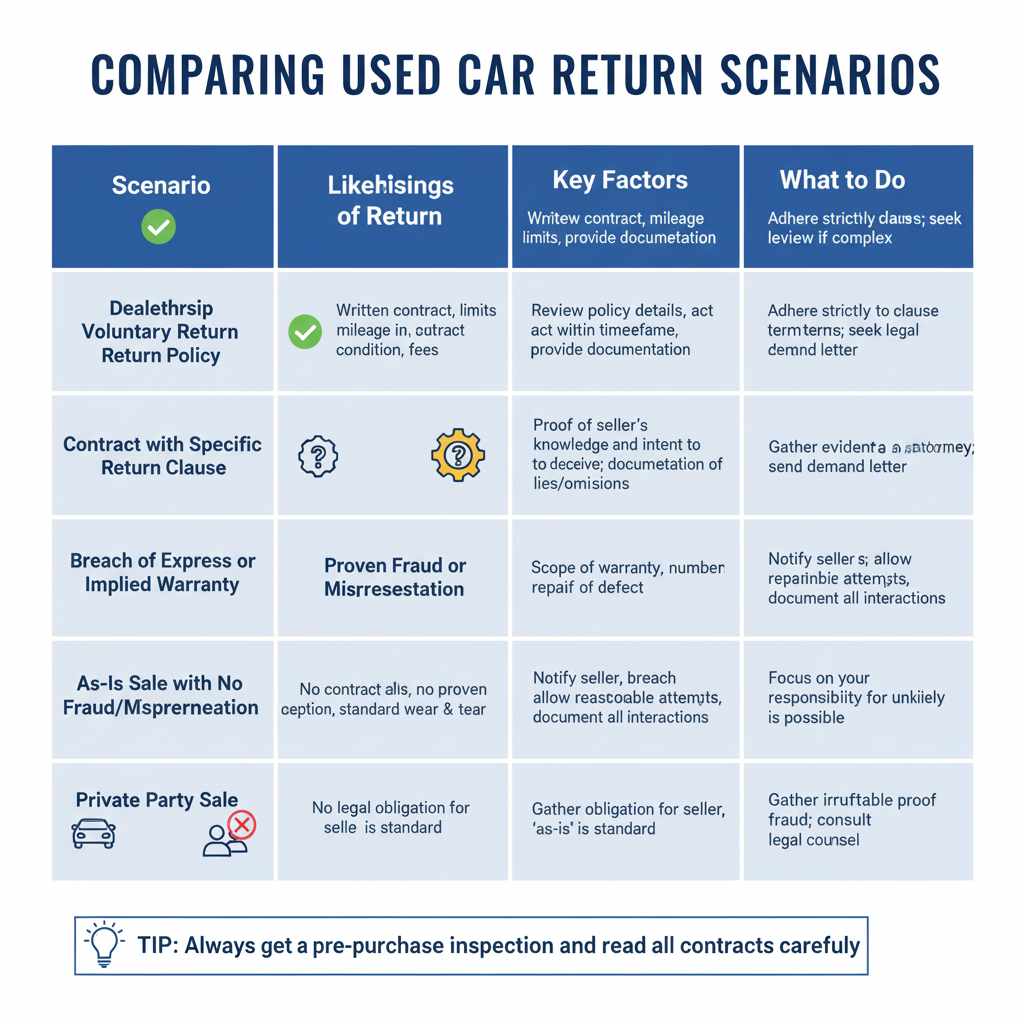
Table: Comparing Return Scenarios
To further clarify when a return might be possible, let’s look at a comparison table:
| Scenario | Likelihood of Return | Key Factors | What to Do |
|---|---|---|---|
| Dealership Voluntary Return Policy (e.g., 7-day exchange) | High (if policy conditions met) | Written contract, mileage limits, condition, fees | Review policy details, act within timeframe, provide documentation. |
| Contract with Specific Return Clause | High (if conditions met exactly) | Precise wording of the clause, all contract terms followed. | Adhere strictly to clause terms; seek legal review if complex. |
| Proven Fraud or Misrepresentation | Moderate to High (requires strong evidence) | Proof of seller’s knowledge and intent to deceive; documentation of lies/omissions. | Gather evidence; consult an attorney; send demand letter. |
| Breach of Express or Implied Warranty | Moderate (depends on warranty terms and attempts to fix) | Scope of warranty; number of repair attempts; proof of defect. | Notify seller of breach; allow reasonable repair attempts; document all interactions. |
| “As-Is” Sale with No Fraud/Misrepresentation | Very Low | No contract clause, no proven deception, standard wear & tear. | Focus on your responsibility for inspection; unlikely return is possible. |
| Private Party Sale | Extremely Low (unless blatant fraud) | No legal obligation for seller; “as-is” is standard. | Gather irrefutable proof of fraud; consult legal counsel. |
Preventing the Need to Return: Smart Buying Tips
The best way to avoid the headache of returning a car is to make a smart purchase decision from the start. Here are some tips to help you buy a used car with confidence:
- Always Get a Pre-Purchase Inspection (PPI): This is arguably the most important step. Take the car to an independent mechanic before you buy. They can spot hidden problems a typical buyer or even a dealer’s mechanic might miss. This can save you thousands in future repairs and give you negotiating power. You can find qualified mechanics through your local Better Business Bureau or by asking friends for recommendations.
- Do Your Research: Know the market value of the car you’re interested in. Use resources like Kelley Blue Book (KBB) or Edmunds to get an idea of fair pricing. Research common issues for the specific make, model, and year you’re considering.
- Test Drive Thoroughly: Don’t just drive around the block. Drive the car on different types of roads (city, highway) and at various speeds. Test all the features: air conditioning, heater, radio, power windows, locks, wipers, lights, etc. Listen for unusual noises.
- Check the Vehicle History Report: Services like CarFax and AutoCheck provide valuable information about a car’s past, including accident history, title issues (salvage, flood), odometer readings, and service records. While not foolproof, they are essential tools.
- Understand the Paperwork: Read everything before you sign. Pay close attention to the “Lemon Law Buy Back” section if present, warranty information, and “as-is” disclaimers. Don’t be afraid to ask questions.
- Negotiate Wisely: Be prepared to walk away if the deal doesn’t feel right or if the seller is pressuring you. The best deals often come to those who are patient and informed.
By following these steps, you significantly reduce the risk of ending up with a car you regret buying and needing to consider a return.
Frequently Asked Questions (FAQ)
Q1: Is there a federal law that allows me to return a used car within 30 days?
A: No, there is no federal law in the United States that mandates a 30-day “cooling-off” period or return policy for used cars purchased from dealerships or private sellers. The FTC’s cooling-off rule applies only to specific types of in-home sales.
Q2: Can a dealership voluntarily offer a 30-day return policy?
A: Some dealerships might offer their own return or exchange policies, but these are voluntary and usually much shorter than 30 days (often 3-7 days) and come with strict conditions like limited mileage and a restocking fee. Always get such policies in writing.