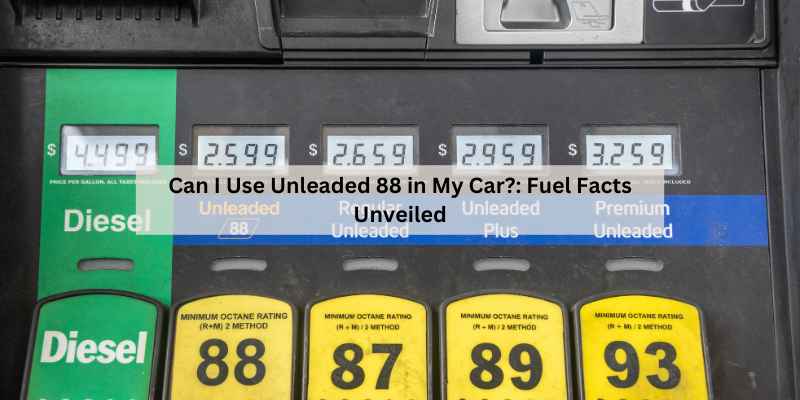
Can I Use Unleaded 88 in My Car? EPA Rules vs. Your Manual
Yes, most vehicles from 2001 or newer can use Unleaded 88 (E15) under EPA rules, but “EPA-approved” and “manufacturer-approved” aren’t the same thing — some 2001-2011 owner’s manuals still warn against fuel with more than 10% ethanol. Check your specific owner’s manual before switching, not just the vehicle’s model year.
Quick Answer
The EPA has approved Unleaded 88 (E15) for all 2001-and-newer gasoline vehicles, covering over 90% of cars on U.S. roads. But EPA approval doesn’t override your owner’s manual — some vehicles built between 2001 and 2011 explicitly warn against fuel with more than 10% ethanol, even though they technically fall in the “approved” window. When the two disagree, follow your manual.
Unleaded 88, also known as E15, contains 15% ethanol and 85% gasoline. This blend can be a cost-effective option for drivers seeking to save on fuel expenses. Many vehicles manufactured after 2001 are compatible with Unleaded 88. However, older models and certain high-performance cars may not support this fuel type.
Ethanol can affect engine performance and fuel efficiency in some cases. Understanding your vehicle’s needs is crucial to maintaining optimal performance. Consult your owner’s manual or a trusted mechanic for personalized advice. Making informed choices about fuel can enhance your driving experience while being budget-friendly.
Introduction To Unleaded 88
Unleaded 88 is a new fuel option for many drivers. It contains 15% ethanol and is designed for modern vehicles. This fuel helps reduce greenhouse gas emissions and supports renewable energy. The emergence of Unleaded 88 offers an affordable choice for those who want to save money.
Comparing Unleaded 88 with other fuels shows its benefits. Regular unleaded fuel usually has 10% ethanol. Unleaded 88 provides higher octane levels, which can improve performance in some cars. This fuel is often more affordable than premium options.
| Fuel Type | Octane Level | Ethanol Content |
|---|---|---|
| Regular Unleaded | 87 | 10% |
| Unleaded 88 | 88 | 15% |
| Premium Unleaded | 91-93 | 0-10% |
Chemical Composition And Properties
Unleaded 88 is a type of fuel with unique properties. It contains a mix of ethanol and gasoline. Ethanol is made from plants, like corn. This fuel has a higher octane rating than regular unleaded. This helps improve engine performance.
Using Unleaded 88 can lead to better fuel efficiency. It burns cleaner than traditional fuels. This means less pollution and fewer emissions. Many cars can safely use this fuel.
| Key Ingredients | Benefits |
|---|---|
| Ethanol | Renewable resource, reduces carbon footprint |
| Gasoline | High energy content for better performance |
Compatibility With Vehicles
Unleaded 88 is suitable for many vehicles. Most cars made after 2001 can use it safely. Check the owner’s manual for specific recommendations. Some engines may not perform well with higher ethanol blends.
Older vehicles often have different fuel requirements. Classic cars and high-performance models usually require premium fuel. Flex-fuel vehicles can use Unleaded 88 without any issues. Always consider your engine type before making a switch.
| Vehicle Type | Compatibility with Unleaded 88 |
|---|---|
| Cars (2012 and newer) | Compatible — ethanol-tolerant fuel systems standard |
| Cars (2001-2011) | EPA-approved, but check your owner’s manual — some models cap recommended ethanol at 10% |
| Classic Cars | Not recommended |
| High-Performance Vehicles | Not recommended |
| Flex-Fuel Vehicles | Compatible |
The Warranty Gap: When ‘EPA-Approved’ Doesn’t Mean ‘Manufacturer-Approved’
The EPA’s compatibility waiver covers gasoline vehicles model year 2001 and newer as a blanket rule, but automakers set their own fuel guidance independently, and the two don’t always agree. If your car was built between 2001 and 2011 specifically, check your owner’s manual before assuming it’s cleared to use E15 — a meaningful number of manuals from that decade still cap recommended ethanol content at 10% (standard E10), regardless of what the EPA waiver technically allows. Using a higher ethanol blend than your manufacturer specifies can affect fuel system seals and injectors that weren’t tested for it, and following the EPA rule alone isn’t the same as following your warranty terms.
Vehicles built in 2012 or later are far more likely to have ethanol-tolerant fuel systems built in from the start, since E15 approval was already a known factor by then. Motorcycles, boats, and small engines (lawnmowers, generators) are excluded from the EPA waiver entirely and should never use Unleaded 88.
2026 update: On March 25, 2026, the EPA issued its first nationwide E15 summer sales waiver, taking effect May 1 and running through September 15 in successive 20-day increments — meaning Unleaded 88 is now sold without the old summer restriction that used to make it harder to find at some stations during peak driving months (Source: EPA, DTN Progressive Farmer).
Benefits Of Using Unleaded 88
Unleaded 88 offers great cost savings at the pump. This fuel is often cheaper than regular unleaded. Using Unleaded 88 can lower your fuel expenses over time. Drivers can enjoy more miles for less money.
The environmental impact of Unleaded 88 is also positive. It contains more ethanol, which reduces harmful emissions. This fuel helps in lowering carbon footprints. Choosing Unleaded 88 supports cleaner air and a healthier planet.
Potential Drawbacks And Considerations
Using Unleaded 88 may affect engine wear. This fuel type can lead to increased friction. Over time, this might reduce engine longevity. Components may wear faster than expected.
Fuel efficiency is another concern. Some cars may not perform well with this fuel. This can lead to lower miles per gallon. Many drivers report decreased overall performance.
| Factor | Impact |
|---|---|
| Engine Wear | Possible increase in friction and wear |
| Fuel Efficiency | Potential drop in miles per gallon |
Our Pick: Ethanol Fuel Protection
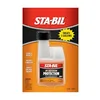
STA-BIL 360 Ethanol Treatment and Fuel Stabilizer
Treats higher-ethanol blends like Unleaded 88 for corrosion and moisture protection — one bottle treats 5 gallons.
View Our Pick on Amazon
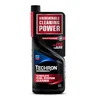 For Injector Deposits A Top Tier-grade detergent that helps offset the slightly lower energy density of higher-ethanol fuel. Check on Amazon → |
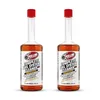 For Older Fuel Systems A stronger clean for 2001-2011 vehicles being switched to E15 for the first time. Check on Amazon → |
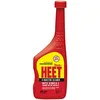 For Moisture Concerns Ethanol blends absorb more water than straight gasoline; this helps clear it from the fuel line. Check on Amazon → |
As an Amazon Associate we earn from qualifying purchases.
Regulatory Standards And Unleaded 88
The EPA sets strict regulations for fuels. These rules help ensure fuel quality. Unleaded 88 must meet these standards to be safe for use. This fuel type contains 15% ethanol and 85% gasoline. Cars designed for higher ethanol blends can use it without issues.
Global fuel standards vary by country. Some countries allow higher ethanol blends. Others focus on reducing emissions. Checking local regulations is important before using Unleaded 88.
| Region | Standard |
|---|---|
| United States | EPA regulates fuel quality |
| Europe | Focus on emissions reduction |
| Asia | Varies by country |
Consumer Experiences With Unleaded 88
Many drivers share their experiences with Unleaded 88. They often report smoother engine performance. Some users notice better fuel efficiency. A few mention slight power increases during acceleration.
Testimonials reveal that most vehicles run well on this fuel. Older cars sometimes show mixed results. Some drivers worry about warranty issues with their manufacturers.
| Driver | Experience |
|---|---|
| John D. | Noticed better mileage on highway trips. |
| Emily R. | Felt a boost in power during city driving. |
| Mark S. | Had no issues with his older model. |
Making An Informed Choice
Understanding your vehicle’s needs is important. Check the owner’s manual for fuel recommendations. Many cars can use Unleaded 88. This fuel has a higher ethanol content than regular unleaded. Some vehicles perform better with it.
Not all cars are compatible. Look for the flex-fuel label on your gas cap. If your car is a flex-fuel vehicle, it can use Unleaded 88 safely. Always ensure your vehicle can handle this fuel type.
| Location | Availability |
|---|---|
| Gas Stations | Often available in many states. |
| Online Resources | Check websites for nearby locations. |
Future Of Unleaded 88
The future of Unleaded 88 looks promising. Innovation in fuel technology is advancing rapidly. Many companies are investing in cleaner fuels. Unleaded 88 offers a better option for environmentally-friendly driving.
Market trends show a shift towards higher ethanol blends. Consumers are interested in sustainable fuels. Predictions indicate that Unleaded 88 will gain popularity. More drivers will choose this fuel for its benefits.
| Trend | Impact |
|---|---|
| Increased demand for clean fuels | More sales for Unleaded 88 |
| Government support for biofuels | Boost in production |
| Consumer awareness | Higher adoption rates |
Frequently Asked Questions
Can I Use Unleaded 88 In My Car?
Yes, you can use Unleaded 88 in most cars. It is a blend of 15% ethanol and 85% gasoline. However, make sure to check your vehicle’s owner manual. Some older models may not be compatible. Always prioritize the manufacturer’s recommendations for fuel types.
Looking for which specific makes and models are compatible, plus current 2026 availability rules? See our full brand-by-brand Unleaded 88 compatibility guide. If you drive a Honda CR-V specifically, we also have a CR-V-specific breakdown.
What Cars Are Compatible With Unleaded 88?
Most vehicles manufactured after 2001 can use Unleaded 88. This includes many cars, trucks, and SUVs. However, some high-performance models may require premium fuel. Always refer to your owner’s manual for specific fuel recommendations. Compatibility ensures optimal performance and efficiency.
Is Unleaded 88 Better For My Engine?
Unleaded 88 can be beneficial for many engines. It often burns cleaner than regular gasoline. This can lead to reduced emissions and better environmental impact. However, some engines may not perform as well with higher ethanol content. Always consider your vehicle’s specifications before switching fuels.
Will Using Unleaded 88 Void My Warranty?
Using Unleaded 88 generally does not void your warranty. However, this can depend on your vehicle’s manufacturer. Always consult your owner’s manual or contact your dealership for guidance. Following the manufacturer’s fuel recommendations is crucial to maintaining warranty coverage.
Conclusion
Choosing Unleaded 88 can benefit certain vehicles while potentially harming others. Always check your owner’s manual or consult with a professional. Using the right fuel is crucial for your car’s performance and longevity. Make informed decisions to keep your engine running smoothly and efficiently for years to come.
Products related to this article
Sponsored / affiliate links. As an Amazon Associate I earn from qualifying purchases. I may earn additional commission from eligible campaigns.