Fan Running After Car Is Off? Normal vs Problem (Manual Wording)
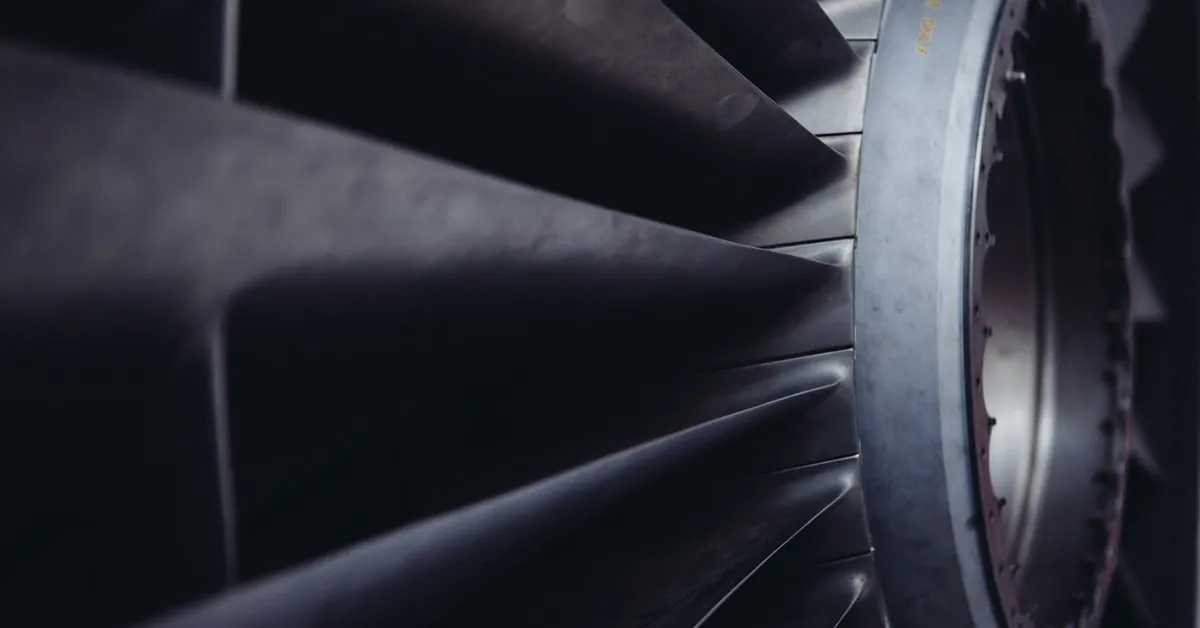
A cooling fan that keeps spinning after you switch the car off is often normal, and some owner’s manuals say so in plain words. Mazda’s manual says the engine-compartment fan “could turn on for a few minutes” after the ignition goes from ON to OFF, and Kia’s manual warns the fan motor “may continue to operate or start up when the vehicle is not running.” What is not normal is a fan that never stops, or one that leaves you with a dead battery.
This page replaces the old “5-minute rule” with what primary sources say: exact manual wording, two NHTSA-hosted service documents, a normal-versus-problem table, safe checks, and clear lines for when to call a professional.
Is It Normal for a Fan to Run After the Car Is Off?
Best Battery Drain Test Pick |
|
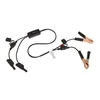 |
Lisle 64970 Parasitic Drain Tester ($22.99) If a fan that ran after shutdown leaves you with a dead battery, the next step is a drain test, covered in the safe checks section below. This tester connects between the battery and a multimeter so the car can be left connected while its modules shut down.
|
As an Amazon Associate we earn from qualifying purchases. Spec-based pick from the listing, not a hands-on test.
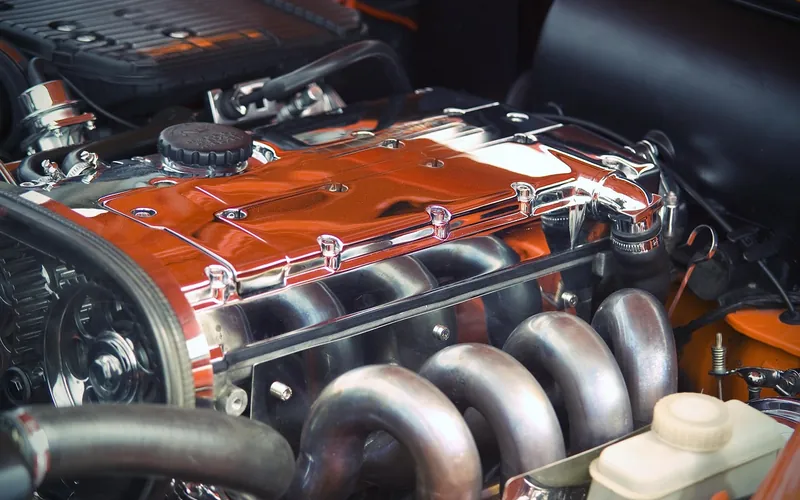
Yes, often. The engine-bay fan is controlled by the car, not by the key. Kia’s manual says the cooling fan motor “is controlled by vehicle coolant temperature, refrigerant pressure and vehicle speed,” and that as the coolant temperature decreases the motor “will automatically shut off.” In other words, the fan keeps working until the car decides the engine bay has cooled enough, which can be after you have walked away.
Here is the myth worth correcting. There is no universal timer. The common claim that “up to 5 minutes is normal and anything longer is a fault” does not appear in the manuals we read. Mazda says “a few minutes.” Kia gives no duration at all and ties the fan to temperature. A short run after a hot drive or a hot day is expected on cars built this way; the warning sign is a fan that does not stop on its own, or one that comes with other symptoms such as a dead battery, a temperature warning or steam.
One more distinction: this article is about the cooling fan in the engine bay (on many cars it also serves the A/C condenser, but check your own manual). The cabin blower behind the dashboard is a different fan, and the manuals quoted here do not cover it. If you want the driving-condition side of the story, our guides on a radiator fan that keeps running and why the fan stays on after the engine is off approach it from that angle.
What Owner’s Manuals and NHTSA Documents Say
Only statements we read on the maker’s or NHTSA’s own pages are listed here. Manual wording changes by model and year, so treat these as examples and check the manual for your exact vehicle.
- Mazda (online owner’s manual, CX-5 page, SKYACTIV-G 2.0 and 2.5 engines): the page says “The cooling fan in the engine compartment could turn on for a few minutes after the ignition is switched from ON to OFF,” and that this applies whether or not the A/C is on. The Mazda2 online manual carries the same note for its SKYACTIV-G 1.3 and 1.5 engines and does not list it for the SKYACTIV-D 1.5. The pages we read do not show a model year. Source: Mazda owner’s manual.
- Kia (online owner’s manual, Coolant section; editions coded SV1 2025 and CT1 2026): “The electric motor for the cooling fan may continue to operate or start up when the vehicle is not running and can cause serious injury. Keep hands, clothing and tools away from the rotating fan blades of the cooling fan.” The pages do not name the model. Source: Kia owner’s manual.
- Ford Customer Satisfaction Program 21N01 (2016-2018 Explorer built in Chicago, dated August 19, 2021): after extended idling the high-speed cooling fan relay “may fail,” and “a failure will cause the fan to either continuously run or never turn on.” Ford adds that customers “may experience a drained battery” and a melted or burned relay in the battery junction box. Source: NHTSA document of Ford’s program letter.
- GM service bulletin PI1069 (October 2013; 2012-2013 Chevrolet Impala Police Vehicle and 2014 Impala Limited Police Vehicle): titled “Cooling Fans Do Not Run or Run with Key Off.” It says the cause may be cooling fan relays sticking, or fan motors drawing too much amperage and damaging the relays and wiring block. This is a bulletin on NHTSA’s site, not a recall.
Two lessons: a fan that runs a while after shutdown is designed behavior on some cars, and on the vehicles above a continuously running fan traced to a relay or worn motor, repaired in the shop.
Normal vs Problem: Quick Reference Table
| Situation | Normal per the manuals? | What to check | See a pro? |
|---|---|---|---|
| Fan runs for a short time after a hot drive, then stops by itself | Yes. Mazda: “a few minutes.” Kia: the motor shuts off as coolant temperature decreases. | Note roughly how long it runs and that it stops without help. | No |
| Fan starts up again while the car is parked and the key is out | Kia’s warning says the motor “may continue to operate or start up” when the vehicle is not running. | Keep hands, clothing and tools clear. Watch whether it settles down. | Only if it keeps repeating for long periods |
| Fan keeps running for a very long time and does not stop by itself | Not described as normal in the pages we read. Ford 21N01 and GM PI1069 describe relay faults. | Is the temperature warning on? Is the battery weak the next morning? | Yes |
| Fan was running and the battery is dead the next day | No. Ford 21N01 lists a drained battery as a symptom of the relay failure. | A drain test is the right next step, see the section below. | Yes, unless you know how to run a drain test safely |
| Fan runs and there is steam or a temperature warning | No | Stop driving, shut the engine off and let it cool. Do not open the coolant cap hot. | Yes, before driving again |
| Fan runs and you smell burning plastic or see a melted connector | No. Ford and GM both describe melted or discolored relays. | Do not keep driving it; have it inspected where it is parked outdoors. | Yes, tow if needed |
Why a Fan Can Keep Running Too Long
Because the fan is commanded by the car, a fan that will not quit usually traces back to one of two places: the part that switches it, or whatever is telling it to run. We can only point to what the sources say, so here are the causes they actually name.
- A relay that sticks or fails. GM bulletin PI1069 lists “cooling fan relays sticking,” and Ford’s program 21N01 describes a high-speed relay failing so the fan runs continuously. A fan that is permanently powered keeps drawing current from the battery after you park.
- A fan motor that draws too much current. GM’s bulletin names motors “drawing too much amperage” that damage the relays and the wiring block. Its technicians check motor current with a scan tool and a meter at the wiring block, which is not a driveway job.
- Heat that the car still sees. Kia says coolant temperature, refrigerant pressure and vehicle speed control the fan. If the coolant still reads hot, whether from real heat or a faulty reading, the fan has a reason to run. This is why a temperature warning, steam or a hot-running engine changes the picture completely.
What You Can Safely Check Yourself
You can learn a lot without touching the fan or the wiring. Keep your hands away from the fan area the whole time, because Kia’s warning says the motor can start when the vehicle is not running.
- Time it and listen from a distance. Park, switch off, and note when the fan starts and when it stops. A fan that settles down by itself matches the manual wording above. A fan still going long afterward does not.
- Look at the temperature gauge or warning light while driving. A fan that runs after shutdown together with a car that runs hot is a cooling-system problem, not just a fan problem. Our guide to how a car acts with a blown head gasket describes the overheating pattern to watch for.
- Check the coolant level only when the engine is cold. Kia’s coolant-cap caution says to turn the vehicle off and let the engine cool first, then use a thick towel and release pressure slowly. For the full hot-system safety picture, read how long to let the car cool before adding coolant.
- See how the battery behaves the next morning. If the car cranks slowly or not at all after the fan ran overnight, the fan may be draining it. Our car battery health guide covers testing voltage and the safety rules for working near a battery.
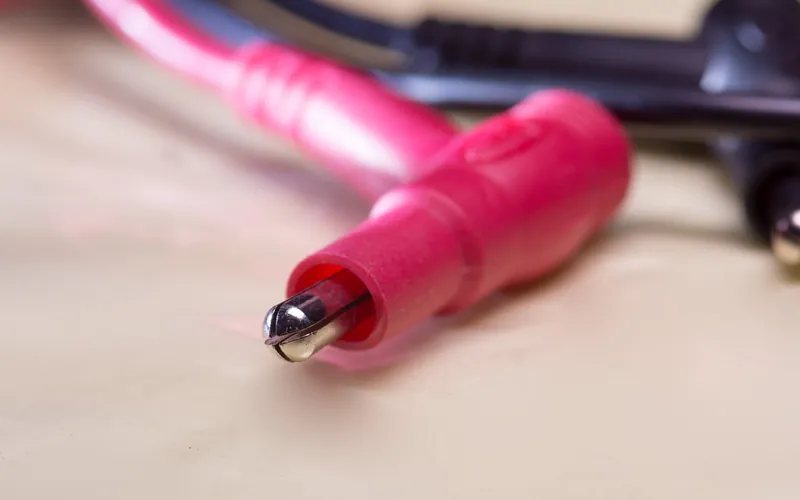
If the battery keeps dying, the standard confirmation is a parasitic-draw test: a meter placed in series between the battery and the car, with the car fully asleep. A tester such as the Lisle unit in the box above is built for this. Its listing says in-line fuses protect the meter and the tester if a large current is left on, and a switch bypasses the meter while you connect it. Even so, follow your vehicle’s own procedure, because modern cars take time to shut their modules down and some should not be opened or woken mid-test.
Fan Safety With a Hot Engine or the Key Out
The main hazard is simple: the fan can start without warning. Kia’s manual puts it in a WARNING box, saying the motor “can cause serious injury” and telling you to keep hands, clothing and tools away from the rotating blades. That applies with the hood open, with the key out and with the engine cold. Never reach toward the fan to check it, never hold a hand near it to feel airflow, and do not work near it with loose clothing or tools in hand.
Do not open the coolant cap on a hot engine, because the system is under pressure. And do not rewire a fan circuit or bypass a relay to stop a fan: the documents above describe relays that overheated and melted under continuous load.
Hybrid and Electric Cars: Different Fans, Different Rules
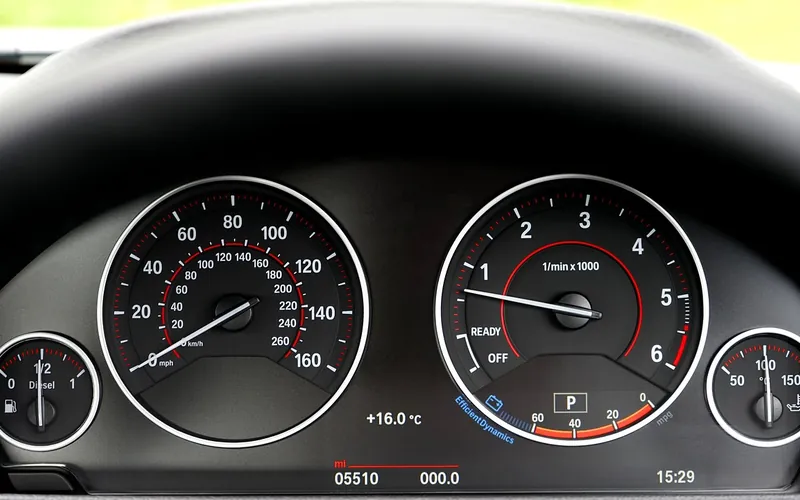
Hybrids and EVs add fans for the battery and power electronics, documented in each maker’s own manual. We found no primary-source statement of how long those fans run after shutdown, so we give no number. Look in your manual’s high-voltage battery or thermal management section. High-voltage components are for trained technicians, so a long-running fan on one of these cars is a reason to book service.
When to Stop and See a Professional
- The fan runs for a very long time, or for hours, instead of stopping on its own.
- The battery is dead or weak after the fan ran while parked.
- The temperature gauge is high, a warning light is on, or you see steam from the hood. Pull over, switch off and let the engine cool before you do anything else.
- You smell burning plastic or see melted wiring or connectors near the fan or fuse box. Do not drive it.
- The fan runs even though the car has been sitting for hours and has not been driven.
- Your car is covered by a recall or program like the ones above. Enter your VIN on NHTSA’s recall lookup and ask the dealer, because a no-cost repair may exist.
A shop with the wiring diagram and the right test equipment can find the cause far faster than guessing, and for an electrical fault on a car that is already dropping its battery, that matters. This guide is educational and not a substitute for your manual or a qualified technician.
Fan Running After the Car Is Off: FAQ
Is it normal for the fan to run after the car is turned off?
Often yes. Mazda’s manual says the engine-compartment fan could turn on for a few minutes after the ignition goes from ON to OFF, and Kia’s manual says the cooling fan motor may continue to operate or start up when the vehicle is not running. A fan that never stops, or comes with a dead battery or overheating, is not normal.
How long can a cooling fan run after the engine is off?
No source we read gives one number for all cars. Mazda says a few minutes. Kia says the motor shuts off automatically as coolant temperature decreases, with no duration given. Check your own manual, and treat a fan that runs for hours or keeps draining the battery as a fault to have inspected.
Can a fan running after shutdown drain the battery?
Yes, if it keeps running. Ford’s program 21N01 for certain 2016-2018 Explorers says a failed high-speed fan relay can make the fan run continuously and that customers may experience a drained battery. If your battery is weak after the fan ran overnight, have a drain test done on your specific car.
Is it safe to touch or reach near the fan after the car is off?
No. Kia’s manual warns that the cooling fan motor may continue to operate or start up when the vehicle is not running and can cause serious injury, and tells you to keep hands, clothing and tools away from the rotating blades. Treat the fan as live whenever the hood is open, even with the key out.
Can I fix a fan that will not stop by wiring in a relay kit?
We do not recommend it. The documents we read describe relays that overheated or melted from continuous load, and the repairs were done in the shop with the maker’s parts and procedures. A universal wiring kit can bypass the car’s own controls. Have a professional find why the fan is being told to run.
Products related to this article
Sponsored / affiliate links. As an Amazon Associate I earn from qualifying purchases. I may earn additional commission from eligible campaigns.