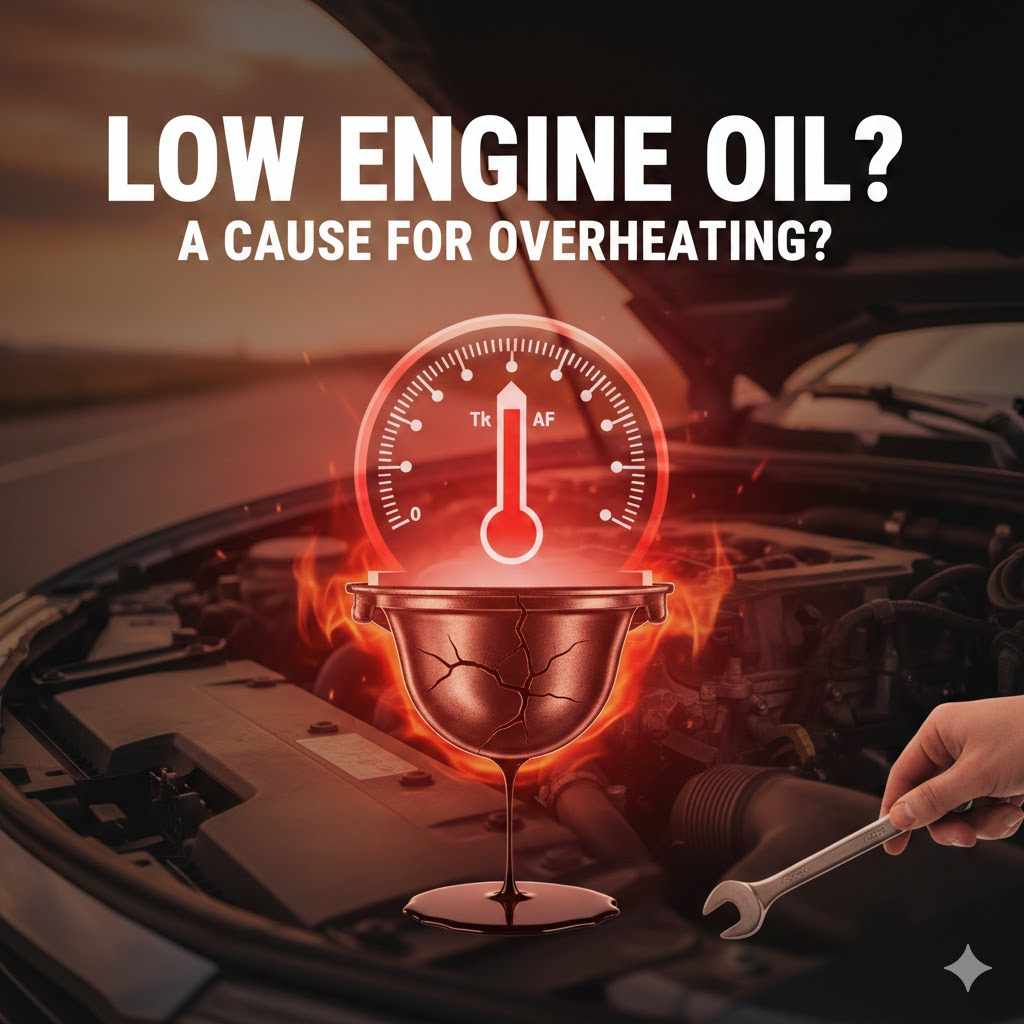
Can Low Engine Oil Cause a Car to Overheat?
Many new car owners wonder, “Can low engine oil cause a car to overheat?” It’s a common question because we know oil does important things for our engines. Sometimes, the thought of engine trouble can feel a bit scary, making us unsure where to start. But don’t worry! This guide will explain it all in a super simple way. We’ll walk through exactly why this happens and what you can do about it, step by step. Get ready to learn how your car’s oil and heat are connected.
The Role of Engine Oil in Preventing Overheating
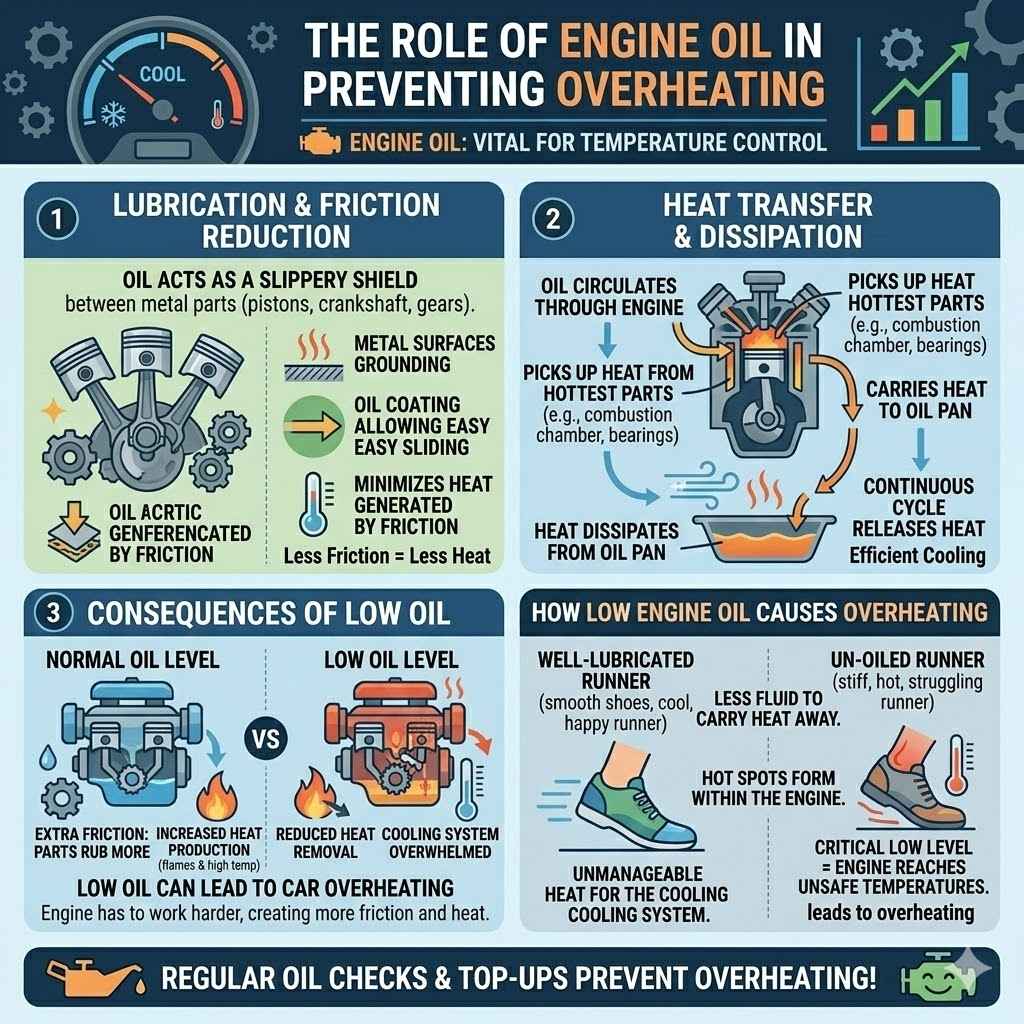
Engine oil plays a really important part in keeping your car’s engine from getting too hot. Think of your engine like a hard-working athlete. It produces a lot of heat when it runs. Oil’s main job is to keep things running smoothly by lubricating all the moving parts. This reduces friction. Less friction means less heat is made in the first place.
When oil is low, the parts inside the engine rub against each other more. This creates extra friction. More friction means more heat. The cooling system in your car is designed to handle a certain amount of heat. But if the oil level is too low, the extra heat from friction can become too much for the cooling system to manage. This is how low oil can lead to your car overheating.
Lubrication and Friction Reduction
Oil acts like a slippery shield between metal parts in your engine. These parts move very fast. Without enough oil, these metal surfaces would grind against each other. This grinding, or friction, creates a lot of heat. It’s like rubbing your hands together very fast; they get warm. In an engine, this heat can build up very quickly.
A good amount of oil ensures that all the critical parts are well-coated. This coating allows them to slide past each other easily. It’s much like putting oil on a squeaky door hinge to make it quiet and smooth. The oil reduces the force needed for parts to move, which in turn minimizes the heat they generate. This keeps the engine at a safe operating temperature.
Heat Transfer and Dissipation
Beyond just lubricating, engine oil also helps move heat away from the hottest parts of the engine. Many engine components get extremely hot during operation. The oil circulates through the engine, picking up this heat. It then carries the heat to other parts of the engine where it can be dissipated.
This heat dissipation often happens in the oil pan at the bottom of the engine. The oil pan is exposed to the air. As the oil flows through it, some of the heat escapes into the surrounding air. This continuous cycle of picking up heat and releasing it is vital. When oil levels are low, there isn’t enough oil to effectively collect and transfer this heat. This can cause hot spots to form within the engine.
How Low Engine Oil Causes Overheating
When your car’s engine oil is low, the engine has to work harder. This extra effort creates more friction. Think of trying to run a race with stiff, un-oiled shoes versus smooth, well-lubricated ones. The stiff shoes would make you work harder and probably feel hotter.
The oil’s ability to cool the engine is also reduced. Not enough oil means less fluid to carry heat away from critical areas. The cooling system, which usually handles the heat, can get overwhelmed. This is especially true if the oil level is critically low. The engine can then reach temperatures that are too high for its components to handle safely. This leads to overheating.
Understanding Your Car’s Cooling System
Your car has a system specifically designed to keep the engine cool. This system uses a liquid called coolant. It circulates through the engine, absorbing heat. Then, it goes to the radiator. The radiator is like a heat exchanger. It cools the coolant down before it goes back into the engine.
This system works constantly while the engine is running. It’s like your car’s personal air conditioner for the engine. If any part of this system isn’t working right, the engine can overheat. This includes having enough coolant and the coolant circulating properly. The oil system and the cooling system work together. They both help maintain the engine’s optimal temperature.
The Role of Coolant
Coolant, often called antifreeze, is a special liquid. It’s usually a mix of water and ethylene glycol or propylene glycol. This mix has a lower freezing point and a higher boiling point than plain water. This is important because engines operate in a wide range of temperatures.
The coolant absorbs heat from the engine block and cylinder heads. It then flows to the radiator. In the radiator, air passes over small tubes filled with hot coolant. This process cools the coolant down. The cooled coolant then circulates back into the engine. A properly filled and maintained cooling system is essential for preventing overheating.
The Radiator and Its Function
The radiator is a key component of the cooling system. It’s a network of thin tubes and fins. Hot coolant from the engine flows into these tubes. Air passes through the fins. This airflow helps to transfer the heat from the coolant to the outside air.
The radiator fan, which is either engine-driven or electric, helps move air through the radiator. This is especially important when the car is moving slowly or stopped. Without enough airflow, the radiator can’t cool the coolant effectively. This can cause the engine temperature to rise. A clogged or damaged radiator will also reduce its cooling efficiency.
Water Pump and Thermostat
The water pump is like the heart of the cooling system. It circulates the coolant throughout the engine and radiator. It ensures a constant flow of coolant. If the water pump fails, the coolant stops moving. This quickly leads to overheating.
The thermostat is like a valve. It controls the flow of coolant to the radiator. When the engine is cold, the thermostat stays closed. This allows the engine to warm up faster. Once the engine reaches its optimal temperature, the thermostat opens. This allows coolant to flow to the radiator for cooling. A faulty thermostat can get stuck closed. This prevents coolant from reaching the radiator, causing overheating.
Symptoms of Low Engine Oil and Overheating
Recognizing the signs your car is giving you is very important. If your engine oil is low, or if your car is starting to overheat, there are usually some clear symptoms. Paying attention to these can help you avoid serious damage to your engine.
Some common signs are unusual noises coming from the engine. You might also see a warning light on your dashboard. The temperature gauge on your dashboard is also a good indicator. If it starts to creep up into the red zone, that’s a serious warning sign.
Dashboard Warning Lights
Your car’s dashboard has lights that alert you to potential problems. One is the oil pressure warning light. This light looks like an oil can. If it comes on while you are driving, it means the oil pressure is low. This can happen when the oil level is too low.
Another important light is the engine temperature warning light. This light often looks like a thermometer. If this light comes on, it means your engine is getting too hot. It’s crucial to pull over safely as soon as you see either of these lights. Driving with low oil pressure or an overheating engine can cause severe damage.
Unusual Engine Noises
When engine oil levels are low, the engine parts aren’t lubricated as well. This can cause them to make new and concerning sounds. You might hear a knocking or ticking sound coming from under the hood. This is because metal parts are hitting or grinding against each other.
These noises are a sign that the engine is under stress. They indicate that the lubrication is insufficient. If you hear these sounds, it’s a good idea to check your oil level immediately. Continuing to drive without addressing the low oil can lead to major engine repairs.
The Temperature Gauge
Your car’s dashboard usually has a temperature gauge. This gauge shows you how hot your engine is. It typically has a range from cold to hot. A normal operating temperature is usually in the middle of this range.
If the needle on the temperature gauge starts to climb higher than normal, it’s a sign of overheating. If it reaches the red zone, it means the engine is dangerously hot. This could be caused by low oil, a problem with the cooling system, or both. It’s important to take action immediately if you see the temperature gauge rising.
How Low Engine Oil Directly Leads to Overheating
We’ve touched on this, but it’s worth going into more detail. When the engine oil is low, it means there’s less oil to do its jobs. The first job is lubrication. The second job is cooling. Both are affected when the oil level drops.
Imagine trying to cool down a hot room with only a small fan. It won’t be very effective. Similarly, low oil can’t effectively cool the engine. The engine creates a lot of heat from the combustion process. This heat needs to be managed.
Reduced Lubrication Causes Increased Friction
When the oil level is low, the oil pump may struggle to pick up enough oil from the oil pan. This means less oil gets sent to all the moving parts. The spaces between these parts, like the crankshaft and pistons, become larger.
The oil film that normally separates these parts becomes thin or breaks. This allows metal-on-metal contact. This contact generates significant friction. Friction, as we know, creates heat. So, low oil leads to more friction, which leads to more heat.
Impaired Heat Transfer
Engine oil doesn’t just lubricate; it also absorbs and carries away heat from engine parts. The oil circulates through hot areas of the engine. It picks up heat and carries it to the oil pan or the oil cooler. There, the heat is released into the air.
With less oil, there’s less fluid to perform this heat transfer function. The oil can’t effectively collect the heat from critical components. This causes those components to get hotter. The overall engine temperature then starts to rise because the heat isn’t being removed efficiently.
Strain on the Cooling System
The engine’s cooling system is designed to handle the heat generated during normal operation. However, the extra heat generated by increased friction due to low oil is often more than the cooling system can manage. The cooling system might be perfectly fine, but it’s being asked to do more than it’s designed for.
This extra burden can cause the coolant to get too hot. It might even reach boiling point, which is not good. This can lead to steam pockets forming in the cooling system. These steam pockets block coolant flow, further reducing cooling efficiency. The result is a rapid increase in engine temperature, leading to overheating.
Real-Life Examples and Scenarios
Let’s look at some situations where low oil caused car trouble. These examples show how important regular oil checks are.
Example 1: The Cross-Country Trip
Sarah was driving her car on a long road trip. She hadn’t checked her oil in a few months. About halfway through her trip, her car started making a strange ticking noise. Then, the temperature light came on. She pulled over immediately and found her oil was very low. She added oil, and the noise stopped, but the temperature gauge was still high. She had to get it checked by a mechanic. The mechanic said the engine had gotten too hot and was lucky she stopped.
Example 2: The Busy Commuter
Mark was always in a hurry for work. He often forgot to do basic car maintenance. One morning, his car just stopped running on the highway. He called for a tow truck. The mechanic found that the engine had seized up. This happened because the oil level was so low that the engine parts couldn’t move freely. They overheated and locked together. This was a very expensive repair.
Scenario: A Sudden Sputter
Imagine you’re driving your car and suddenly notice the engine is making a louder noise than usual. The temperature gauge is also creeping up. You might also smell something a bit like burning oil. These are all signs that something is wrong with your engine’s lubrication.
Your first instinct might be to think about the cooling system. But it’s crucial to remember the oil. If you haven’t checked your oil recently, this could be the primary cause. A quick check of the dipstick could tell you if your oil level is low. If it is, adding the correct type and amount of oil could solve the problem before it gets worse.
Checking and Maintaining Your Engine Oil
Keeping your engine oil at the right level is one of the simplest yet most important maintenance tasks for your car. It doesn’t take long, and it can save you from costly repairs down the road. You can easily check your oil yourself.
Most cars have a dipstick specifically for checking the oil level. It’s usually a brightly colored loop or handle. You’ll need to know where to find it in your engine bay. It’s often yellow or orange. Make sure your car is parked on a level surface. This gives you an accurate reading.
Locating the Dipstick
Open your car’s hood. Look for the dipstick. It usually has a loop or handle that’s easy to grab. It might have the word “OIL” printed on it. If you’re unsure, check your car’s owner’s manual. It will show you exactly where to find it.
Once you’ve found it, pull the dipstick out completely. Wipe it clean with a rag or paper towel. Then, push it back into its slot all the way. Pull it out again.
Reading the Oil Level
On the dipstick, you’ll see markings. These typically indicate the “low” and “full” levels. There might be two lines or dots. The oil level should be somewhere between these two marks.
If the oil level is at or below the “low” mark, you need to add oil. If the oil is well above the “full” mark, it might be overfilled. Too much oil can also cause problems.
Adding Engine Oil
If your oil level is low, you’ll need to add the correct type of engine oil for your car. Your owner’s manual will tell you the specific type of oil to use. It’s important to use the recommended oil.
Find the oil filler cap. It usually has an oil can symbol on it. Slowly add a small amount of oil at a time. Wait a minute or two. Then, recheck the dipstick. Repeat this process until the oil level is between the low and full marks. Do not overfill the oil.
Statistics on Engine Oil and Overheating Issues
Understanding the real impact of oil maintenance can be helpful. Statistics show that a significant number of car problems are related to fluid levels, including engine oil.
A study by the U.S. Department of Transportation found that engine mechanical failures account for a notable percentage of vehicle breakdowns. While not all of these are directly caused by low oil, poor lubrication is a contributing factor in many cases. For example, improper lubrication can lead to premature wear and tear on engine components. This can then result in more serious mechanical failures.
Another report from an automotive research firm indicated that a significant portion of vehicle owners admit to not checking their oil regularly. This oversight can lead to a gradual decline in oil levels over time. This gradual decline can put the engine at risk of overheating and damage, even before the driver notices any obvious symptoms.
Here’s a look at some data that highlights the importance of oil maintenance:
| Issue | Estimated Percentage of Related Breakdowns |
|---|---|
| Engine Mechanical Failures (including those linked to lubrication) | 15-25% |
| Owners admitting infrequent oil checks | 30-40% |
| Overheating incidents directly linked to low oil levels | 5-10% (conservative estimate) |
These numbers suggest that being proactive with oil checks can prevent many common car issues. It is a simple step that contributes to the overall health and longevity of your vehicle.
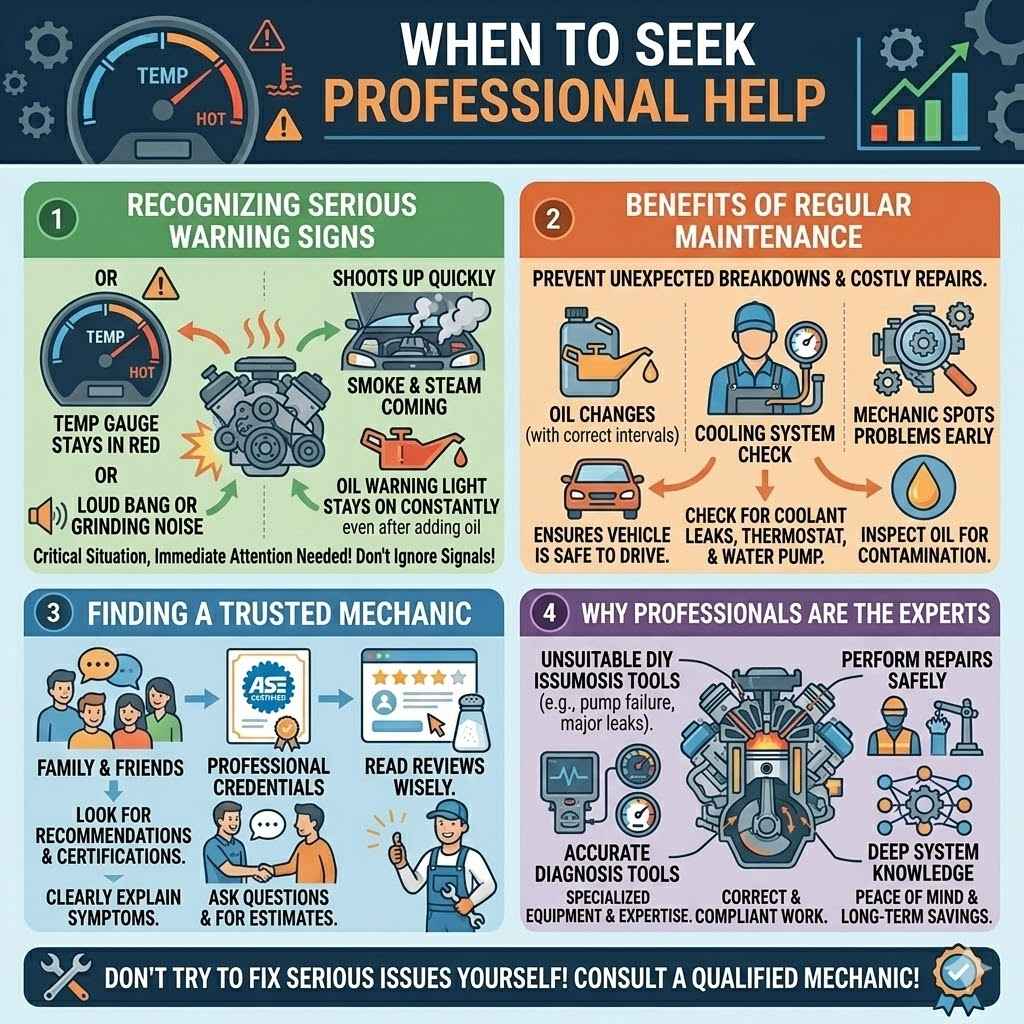
When to Seek Professional Help
While checking your oil is a simple DIY task, some issues are best left to the experts. If you’re not comfortable working on your car, or if you notice serious problems, it’s always best to consult a qualified mechanic.
Don’t try to ignore warning signs. Small problems can become very big, very expensive problems if not addressed promptly. A mechanic has the tools and expertise to diagnose issues accurately. They can also perform repairs safely and correctly.
Recognizing Serious Signs
If your car’s temperature gauge stays in the red zone for an extended period, or if it shoots up very quickly, it’s a critical situation. If you see a lot of smoke coming from under the hood, or if your car makes a loud bang or grinding noise and then stops working, these are also serious signs.
If your oil warning light stays on constantly, even after adding oil, there might be a bigger problem with the oil pump or a leak. These are not issues to try to fix yourself unless you have significant mechanical experience.
Benefits of Regular Maintenance
Regular maintenance is key to keeping your car running smoothly. This includes oil changes at the recommended intervals. It also means having your cooling system checked. Mechanics can spot potential problems before they become serious.
A mechanic can check for coolant leaks, ensure your thermostat is working, and inspect your water pump. They can also check your oil for signs of contamination or degradation. These regular check-ups can prevent unexpected breakdowns and costly repairs. It also ensures your car is safe to drive.
Finding a Trusted Mechanic
Choosing a good mechanic is important for your peace of mind. Ask friends or family for recommendations. Look for mechanics who are certified by professional organizations. Read online reviews, but take them with a grain of salt.
When you take your car in, explain the symptoms clearly. Ask for an estimate before any work is done. Don’t be afraid to ask questions. A good mechanic will be happy to explain what needs to be done and why.
Frequently Asked Questions
Question: Can I just put any type of oil in my car if the level is low?
Answer: No, it is very important to use the specific type of engine oil recommended in your car’s owner’s manual. Using the wrong type of oil can lead to poor lubrication, increased wear, and potential engine damage.
Question: How often should I check my engine oil?
Answer: It’s a good practice to check your engine oil at least once a month. You should also check it before any long road trips. If you notice any leaks or your car uses a lot of oil, you might need to check it more often.
Question: What happens if I keep driving with low engine oil?
Answer: Driving with low engine oil significantly increases friction between engine parts. This causes overheating, which can lead to severe engine damage, such as seized pistons or a damaged engine block. It can result in very expensive repairs or even require a complete engine replacement.
Question: Is it possible for low oil to cause a car to overheat even if the coolant level is fine?
Answer: Yes, absolutely. Engine oil plays a crucial role in cooling by reducing friction and carrying heat away from engine parts. If the oil level is too low, the increased friction generates excessive heat that the cooling system alone may not be able to manage, leading to overheating.
Question: My car’s temperature gauge is normal, but the oil light is on. Should I be worried?
Answer: Yes, you should be very concerned. The oil light indicates low oil pressure, which can happen even if there’s some oil in the engine. This means the oil isn’t being circulated properly.
You should stop driving the car as soon as it is safe to do so and check your oil level immediately.
Summary
Yes, low engine oil can absolutely cause your car to overheat. Oil lubricates moving parts, which reduces friction and heat. It also helps carry heat away. When oil is low, friction increases, generating more heat. This extra heat can overwhelm your car’s cooling system. Regularly checking and maintaining your engine oil level is a simple but vital step to prevent overheating and protect your engine.