How to Make a Car Run Faster: Boost Performance Tips
Make a car quicker by fixing the weak point first: fresh maintenance, the right tires, more grip, less weight, and an ECU tune usually beat bolt-ons for real acceleration. Ignore the limiting part, and you spend money on pieces that change sound more than speed. This guide ranks legal performance upgrades from cheapest to riskiest, matched to the problem each one is intended to solve.
What is slowing your car down?


Start by splitting lost power from lost traction. A car with weak spark, dirty filters, or a misfire feels lazy everywhere; a car with poor tires often spins first and only feels slow from a stop. Then decide whether you want quicker launch, stronger pull, or higher top speed, because each one points to a different fix.
Check for maintenance problems first
The cheapest first step is a basic condition check: spark plugs, air filter, fuel filter where fitted, correct oil viscosity, and a scan for misfire codes. A clogged filter or worn plug can cut power without warning, while the wrong oil grade can hurt response in cold weather or at high temperatures.
Know what kind of speed you want
Acceleration from a stop depends heavily on grip, gearing, clutch condition, and shift logic. Top speed depends more on power, drag, gearing, and rev limit. Throttle response sits in between; it can feel sharper after a tune or lighter wheels even when peak horsepower barely changes.
| Setup | Expected benefit type | Approximate install cost range | Reliability risk | When not to do it |
|---|---|---|---|---|
| Naturally aspirated | ECU calibration for response and modest power; tires for launch; maintenance for lost output | $0 to $900 | Low to medium, depending on tune quality | Skip tuning if the car has unresolved misfires, poor fuel quality, or emissions rules that forbid calibration changes |
| Turbocharged | Calibration, intercooler, and fuel system support for larger gains | $300 to $2,500 | Medium to high if boost, heat, or fuel limits are ignored | Do not add boost or aggressive timing on stock hardware when the engine is already heat-soaked, knocking, or over mileage for the setup |
| High-mileage daily driver | Maintenance restoration, tires, fluid service, and conservative tune only if healthy | $100 to $1,200 | Low with maintenance; medium with power mods | Avoid power adders until compression, misfire checks, and transmission behavior are sorted out |
Why should you start with maintenance?
Maintenance comes first because it restores power you already paid for. Fresh plugs, a clean air filter, proper fuel delivery, and the correct oil can bring back lost throttle response before any parts swap. A slow car is often a worn car, not an underbuilt one.
Spark plugs, air filter, and fuel filter
Worn plugs can cause hesitation under load, especially when the engine asks for more spark energy during hard acceleration. A dirty air filter can restrict flow, and a weak or clogged fuel filter can lean out the engine under demand. If the car stumbles, buckles, or flashes a check-engine light, diagnose before modifying.
Oil viscosity and misfire diagnostics
Use the oil viscosity listed in the owner’s manual. Too thick can slow cold start behavior and oil flow; too thin can reduce protection in a hot, loaded engine. Misfire diagnostics matter because a single weak coil or plug can make the car feel slower than it is, and tuning around that problem only hides it.
When a slow car is really a worn car
If the car lost pace gradually, the issue may be age, not a lack of modifications. Compression loss, tired ignition parts, dragging brakes, and old fluid all add up. Fixing those faults often produces a larger real-world gain than a cosmetic bolt-on.
Which tune changes make the biggest difference?
An ECU calibration can deliver real gains, especially on engines that leave factory power on the table. It can sharpen throttle mapping, change fuel and ignition targets, and improve boost control on forced-induction engines. The best results come from dyno verification and conservative settings that match the engine and fuel available.
ECU calibration and dyno verification
A tune is only as good as the measurements behind it. Dyno verification helps confirm that power rises smoothly and that the air-fuel ratio stays safe across the rev range. A tune that feels quick but runs too lean or too advanced can create knock and long-term damage.
Octane requirements and knock resistance
Follow the manufacturer’s fuel recommendation first. Premium fuel only helps when the engine calibration can use its extra knock resistance. If the tune is written for 91 or 93 octane, running regular fuel can cause the ECU to pull timing and give back some of the gain paid for.
Air-fuel ratio and safe power gains
A proper tune does more than chase peak horsepower. It balances air-fuel ratio, ignition timing, and load limits so the engine makes power without unsafe detonation. Safe gains vary by engine; no honest guide can promise a fixed number without the exact car, hardware, and fuel being verified.
Do intake and exhaust mods help?
They can help, but usually in specific ways. A cold-air intake may improve sound and response, while a cat-back exhaust may reduce restriction enough for a modest gain. Neither one fixes poor traction, a bad tune, or a tired drivetrain, and both can add noise faster than power.
Cold-air intake vs stock airbox
A well-designed intake can help if the factory box is restrictive, but many cars already have a good stock airbox. Heat soak is the main risk: warmer intake air reduces density and can cancel out the gain at low speed or in traffic. On cars with a mass air flow sensor, MAF compatibility matters; a bad tube design can upset calibration.
Cat-back vs axle-back exhaust
A cat-back changes piping after the catalytic converter and may flow better than an axle-back, which mainly changes sound. The common backpressure myth says more restriction always helps low-end torque; in practice, the right exhaust balances flow and gas velocity for the engine. Check emissions legality before changing anything that affects emissions equipment.
Heat soak, MAF compatibility, drone, and emissions legality
Noise is not speed. A louder exhaust can feel quicker because the car sounds more urgent, but that is not the same as added acceleration. Drone on the highway can make a daily driver unpleasant, and emissions rules can make certain exhaust changes illegal even when they bolt on cleanly.
How do tires and weight affect acceleration?
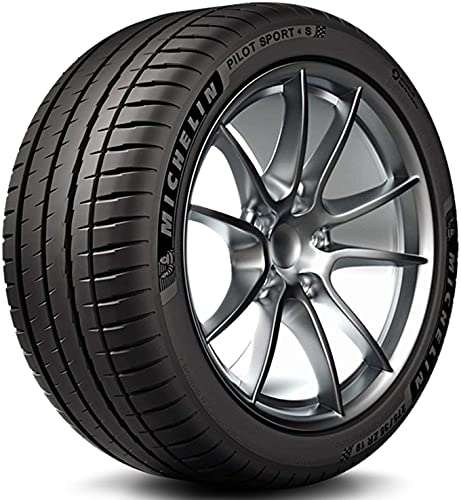
Tires often deliver the biggest seat-of-the-pants change for a street car because acceleration is useless if the tires spin. Weight reduction helps too, especially on a car with modest power. The key is to cut mass and add grip without making the car unsafe or miserable to use.
Grip, compound, and tire pressure
More grip means more torque can reach the pavement. Softer compounds and performance-oriented tread patterns usually hook better, but they wear faster. Tire pressure matters as well: too much pressure can reduce contact patch, while too little can hurt stability and wear. Use the door placard as the baseline and adjust only within a safe range for the tire and load.
Sprung vs unsprung mass
Sprung mass is the body, seats, and cargo. Unsprung mass is the wheels, tires, brakes, and other parts that move with the suspension. Cutting unsprung mass often helps response more than the same amount removed from the cabin because the suspension has less mass to control.
Rear seat and spare tire removal tradeoffs
Removing the rear seat or spare tire can help a drag-focused build, but the payoff is limited for a daily driver. You trade practicality, crash protection, and repair readiness for a small gain. For most road cars, lightening the load should stay reversible and legal.
Picture a front-wheel-drive sedan that spins the inside tire leaving a light and feels dead on 87 octane. Better tires and a correct alignment can produce more usable acceleration than a louder exhaust, because the limiting factor is traction, not airflow.
What limits gains on turbo and supercharged cars?
Forced induction can add the biggest power jump, but it also exposes weak links quickly. Turbochargers and superchargers move more air, which means more heat, more fuel demand, and more stress on the engine. Intercooling, fueling, and the engine’s internal limits decide how far the setup can safely go.
Turbocharger and supercharger basics
A turbo uses exhaust energy to compress intake air. A supercharger is driven mechanically by the engine. Both can add strong midrange torque, but both need careful calibration. A hot, over-boosted setup can make more noise and less usable power than a cooler, well-sorted one.
Intercooler and fuel system upgrades
An intercooler lowers intake charge temperature and helps prevent heat soak, especially on repeated pulls. Fuel system upgrades may include larger injectors or a higher-capacity pump, depending on the car. If fuel delivery cannot keep up, the tune must be conservative or the engine will run outside its safe range.
Engine internals limits and heat management
Stock pistons, rods, head gaskets, and cooling systems have limits. Exceed them and reliability falls fast. That is why a power plan for a turbo or supercharged car should start with heat management and fuel support, then move to boost targets only after the base engine is known to be healthy.
Suppose a turbo hatchback pulls hard once, then feels flat on the second run. That pattern often points to heat soak or a conservative ECU strategy after intake temperatures climb, not a missing exhaust part.
How do transmission and chassis setup change speed?
Power does not reach the road by itself. Shift logic, gear ratios, clutch condition, and fluid condition decide how much of the engine’s output turns into motion. Braking and suspension matter too, because speed without control is slower in any real drive cycle.
Shift logic, gear ratios, and clutch condition
Automatic transmissions can hold gears too long or shift too early for acceleration, and some calibrations respond better than others. Shorter gear ratios improve punch but can raise highway rpm and limit top speed. A slipping clutch on a manual car wastes torque and can make a healthy engine feel weak.
Transmission fluid and launch characteristics
Old or wrong-spec transmission fluid can change shift quality and raise heat. That matters on hard launches, where the transmission is under maximum stress. Follow the manual for fluid type and service intervals; do not guess on a modern gearbox.
Braking distance, suspension setup, and cornering grip
More power should never outrun stopping distance or cornering grip. If the car dives, wanders, or loses control under acceleration, suspension setup may need attention before more engine work. A balanced chassis lets you use the power you already have.
- Verify maintenance: plugs, filters, oil, and misfire codes.
- Check tire condition, pressure, and traction.
- Confirm fuel grade matches the factory requirement or the tune.
- Assess clutch, transmission behavior, and fluid condition.
- Choose the first mod that fixes the real bottleneck.
- Only then consider tuning, intake, exhaust, or boost.
Frequently asked questions
How to boost a vehicle
Boost a vehicle only after confirming that the engine, transmission, and brakes can handle the change. The safe path is fuel quality first, then calibration, then supporting parts like intercooling and fueling. More boost without more support usually creates heat, knock, and shorter part life.
What increase car performance?
Things that increase car performance include fresh maintenance, better tires, conservative tuning, lighter wheels, and, on the right setup, forced induction support parts. The best choice depends on whether the car is limited by grip, calibration, airflow, or drivetrain capacity.
Products related to this article
Sponsored / affiliate links. As an Amazon Associate I earn from qualifying purchases. I may earn additional commission from eligible campaigns.