Can Lyft Jump Start My Car: Proven Rescue
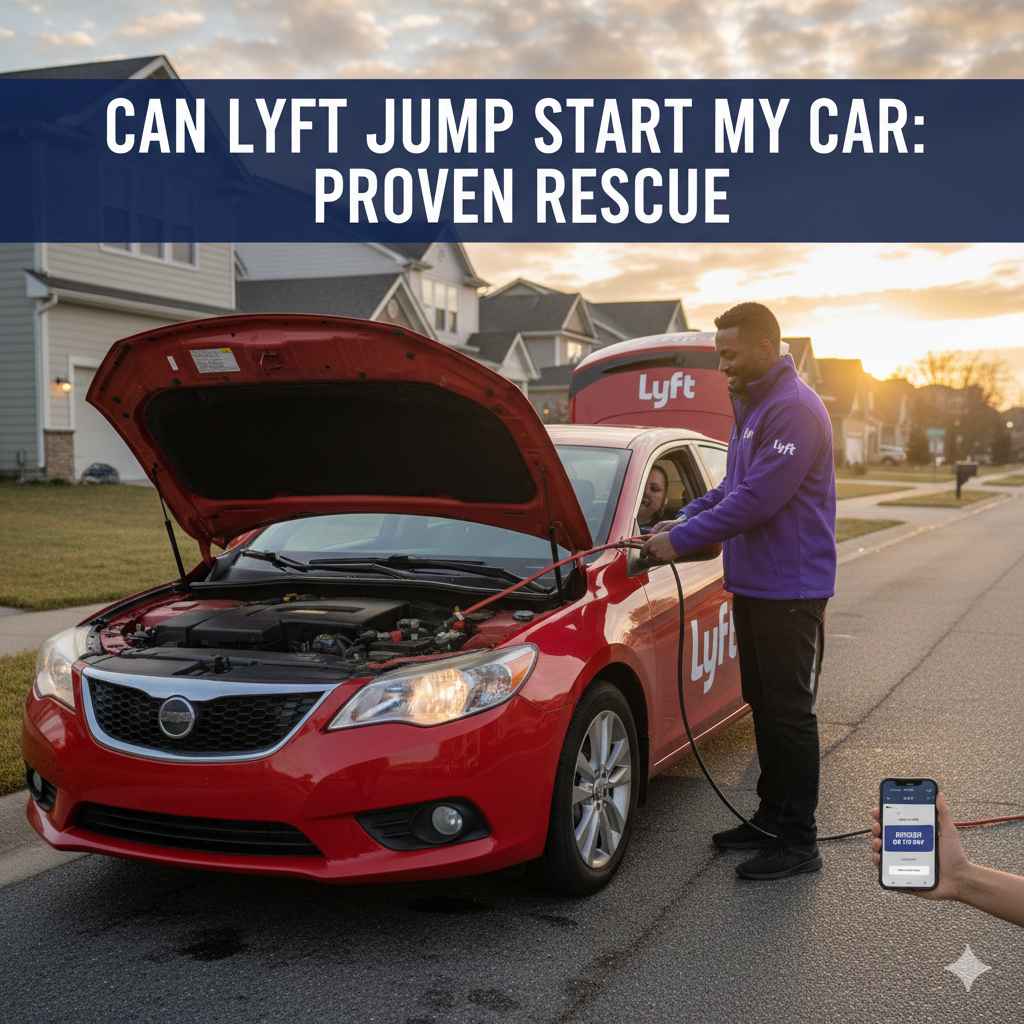
Yes, Lyft can sometimes jump start your car! While Lyft drivers aren’t roadside assistance, many are willing to help if they have jumper cables and a few minutes to spare. It’s a convenient option when you’re in a pinch, but here’s what you need to know to make it work safely and effectively for a proven rescue.
Having your car battery die on you is never fun. It’s a common problem that can leave you stranded and stressed, especially when you’re in a hurry or in an unfamiliar place. The good news is, you might have a quick solution right nearby if you’re using a ride-sharing service like Lyft. Many Lyft drivers are happy to lend a hand, but it’s important to understand how to ask, what to expect, and how to ensure the process is safe for everyone involved. This guide will walk you through everything you need to know about getting a jump start from a Lyft driver and other proven rescue options.
Understanding the Dead Battery Situation
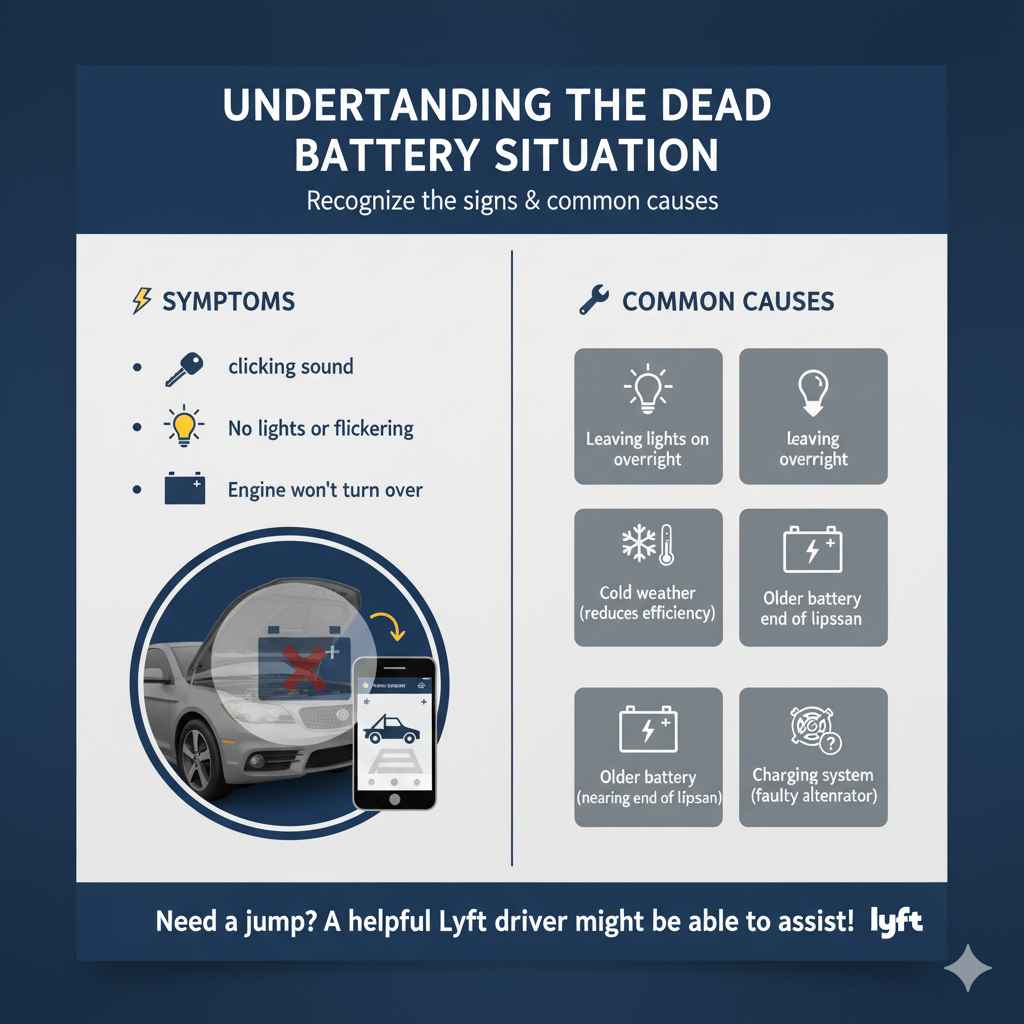
A dead car battery is a frustrating experience. You turn the key, and all you hear is a clicking sound, or perhaps nothing at all. This usually means your battery doesn’t have enough power to start the engine. Batteries naturally lose their charge over time, but jump starts are often needed after:
Leaving lights on overnight
Cold weather, which can reduce battery efficiency
An older battery that’s nearing the end of its lifespan
Issues with the charging system, like a faulty alternator
While calling a tow truck or a dedicated roadside assistance service is always an option, sometimes a simpler, quicker solution is available. That’s where your helpful Lyft driver might come in.
Can Lyft Drivers Jump Start Your Car?
The short answer is: sometimes, yes! Lyft drivers are independent contractors, and while their primary job is to drive you to your destination, many are equipped with jumper cables and are willing to help out in a pinch. They understand the inconvenience of a dead battery and often want to be helpful members of their community.
However, it’s crucial to remember a few key points:
It’s not a guaranteed service: Lyft does not officially offer jump-starting as part of its service. Drivers are not obligated to help, and not all drivers will have jumper cables or the time to assist.
Safety first: If you ask, ensure the driver is comfortable helping and that you both follow safe jump-starting procedures.
Be prepared to compensate: While many drivers will help for free, it’s a kind gesture to offer them a tip or a good rating for their help.
The best way to approach this is to be polite and empathetic. You can say something like, “Hi [Driver’s Name], it looks like my car battery is dead, and I’m stuck. I know this is out of the way, but would you happen to have jumper cables and a few minutes to help me get a jump start? I’d be incredibly grateful.”
How to Safely Jump Start a Car with a Lyft Driver
If you or your Lyft driver agree to help, here’s a step-by-step guide to safely jump-starting your car. Safety is paramount, as improper connections can damage both vehicles or cause injury.
What You’ll Need:
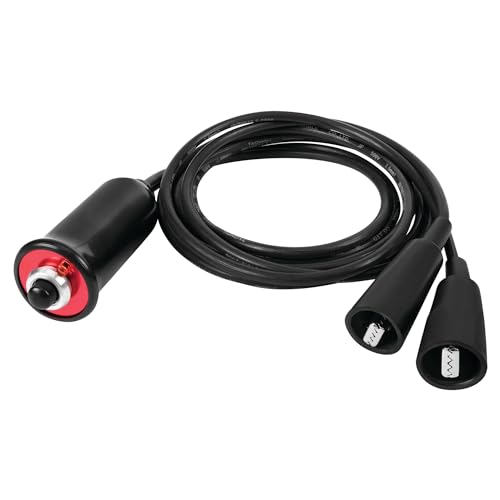
Jumper Cables: Your Lyft driver might have these, or you might need to ask a passing motorist if they have a set handy. Ensure they are in good condition, with no frayed wires or loose clamps. A thicker gauge cable (lower AWG number, like 4 or 6 gauge) is generally better for more efficient power transfer.
Two Vehicles: Your car with the dead battery and a car with a working battery (in this case, the Lyft vehicle).
Safety Glasses: To protect your eyes from sparks.
Gloves: To protect your hands.
Step-by-Step Guide:
1. Position the Vehicles: Park the working car close enough to your car so that the jumper cables can reach both batteries. Ensure the cars are not touching each other. If you’re on a roadside, turn on your hazard lights on both vehicles.
2. Turn Off Both Cars and Accessories: Make sure both vehicles are turned completely off. Turn off headlights, radios, fans, and any other electrical accessories in both cars. This prevents electrical surges.
3. Open the Hoods and Locate Batteries: Open the hoods of both cars. Identify the batteries. They are usually located under a plastic cover.
4. Identify Battery Terminals: Each battery has two terminals: a positive (+) and a negative (-). The positive terminal is usually marked with a plus sign or “POS” and may have a red cover. The negative terminal is marked with a minus sign or “NEG” and may have a black cover. Clean off any corrosion from the terminals if necessary.
5. Connect the Jumper Cables (The Crucial Part!): Follow this sequence precisely to avoid sparks and damage.
Connect the first RED clamp to the POSITIVE (+) terminal of the DEAD battery.
Connect the second RED clamp to the POSITIVE (+) terminal of the GOOD (Lyft) battery.
Connect the first BLACK clamp to the NEGATIVE (-) terminal of the GOOD (Lyft) battery.
Connect the second BLACK clamp to an UNPAINTED METAL SURFACE on the engine block or chassis of the DEAD car, away from the battery. This is a crucial grounding point and helps prevent sparks near the battery, which can emit flammable hydrogen gas. Look for a sturdy metal bracket or bolt.
Important Note: Never let the red clamps touch the black clamps or any part of the other car’s engine while connecting. Also, never connect a black clamp to the negative terminal of the dead battery, as this can create a spark that ignites hydrogen gas released by the dying battery.
6. Start the Working Car: Have your Lyft driver start their car and let it run for a few minutes to charge your battery. You may need to rev their engine gently to around 1500-2000 RPM for a minute or two.
7. Try to Start Your Car: After a few minutes, attempt to start your car. If it starts, great! If not, let the working car run for another 5-10 minutes and try again.
8. Disconnect the Jumper Cables: Once your car is running, disconnect the cables in the REVERSE order that you connected them.
Remove the BLACK clamp from the metal ground on your car.
Remove the BLACK clamp from the negative terminal of the Lyft car.
Remove the RED clamp from the positive terminal of the Lyft car.
Remove the RED clamp from the positive terminal of your car.
Be careful not to let the clamps touch each other or any metal surfaces while disconnecting.
9. Keep Your Car Running: Allow your car to run for at least 15-30 minutes (a short drive is best) to allow the alternator to recharge the battery. This will help prevent it from dying again immediately.
When a Lyft Jump Start Might Not Be Possible or Advisable
While it’s a convenient idea, there are situations where asking a Lyft driver for a jump start isn’t the best option:
Safety Concerns: If you’re in a poorly lit or unsafe area, or if the driver seems reluctant or uncomfortable.
Complex Vehicle Issues: Modern cars have sophisticated electrical systems. If you suspect a more serious problem beyond a simple dead battery (like a short circuit or a failing alternator), attempting a jump start might not resolve the issue and could potentially cause more damage.
Lack of Equipment: The driver might not have jumper cables.
Time Constraints: The driver might have another ride booked or be on a tight schedule.
Weather Conditions: Extreme weather, like heavy rain or snow, can make the process dangerous and difficult.
Vehicle Type: Some vehicles, particularly hybrids or electric cars, have specific jump-starting procedures or may not be suitable for a standard jump start. Always consult your owner’s manual.
Alternatives to a Lyft Jump Start: Proven Rescue Options
If a Lyft jump start isn’t feasible or your car still won’t start, don’t worry! There are other reliable ways to get back on the road.
1. Roadside Assistance Services
If you have a membership, this is your go-to option. Services like AAA, or those offered through your car insurance or a credit card, provide professional roadside assistance.
Americas Automobile Association (AAA): Offers battery testing, jump-starts, towing, and more. You can find their services at aaa.com.
Car Insurance Providers: Many insurance policies include roadside assistance. Check your policy details or call your provider.
New Car Warranties: Some new cars come with complimentary roadside assistance for a certain period.
Pros: Professional, insured, reliable.
Cons: May require a membership or fee, can take time for a technician to arrive.
2. Mobile Battery Services
These services specialize in car batteries. They can often test your battery, jump-start your car, or even replace your battery on the spot.
Examples: Companies like Batteries Plus Bulbs often offer mobile services. A quick search for “mobile car battery service near me” will give you local options.
Pros: Quick battery diagnosis and replacement, convenient.
Cons: Can be more expensive than a simple jump start, may require them to come to you.
3. Calling Another Friend or Family Member with Jumper Cables
If you have a friend or family member nearby who has jumper cables and a few spare minutes, they might be able to help.
Pros: Familiar faces, often free help.
Cons: Relies on availability of someone nearby.
4. Professional Towing Services
If the battery issue is part of a larger problem, or if jump-starting doesn’t work, a tow truck can take your car to a mechanic.
Pros: Can handle any car problem.
Cons: Most expensive option, usually only used if other solutions fail.
Table: Comparing Your Jump Start Options
| Option | Speed of Service | Cost | Reliability | Professionalism | Best For |
|---|---|---|---|---|---|
| Lyft Driver | Varies (Fast) | Tip/Gratitude (Often Free) | Moderate | Informal | Quick fixes when a driver is available |
| Roadside Assistance (e.g., AAA) | 30-90 mins | Membership Fee / Per Use | High | Professional | Regular issues, membership benefits |
| Mobile Battery Service | 30-60 mins | Varies (Higher than jump) | High | Professional | Battery replacement needed, convenient |
| Friend/Family | Varies (Fast) | Free | Moderate | Informal | Someone nearby with cables |
| Professional Towing | Varies | Most Expensive | High | Professional | Serious car issues, no other option works |
Preventing Future Dead Batteries
Once you’ve successfully jump-started your car, it’s a good idea to take steps to prevent future dead batteries.
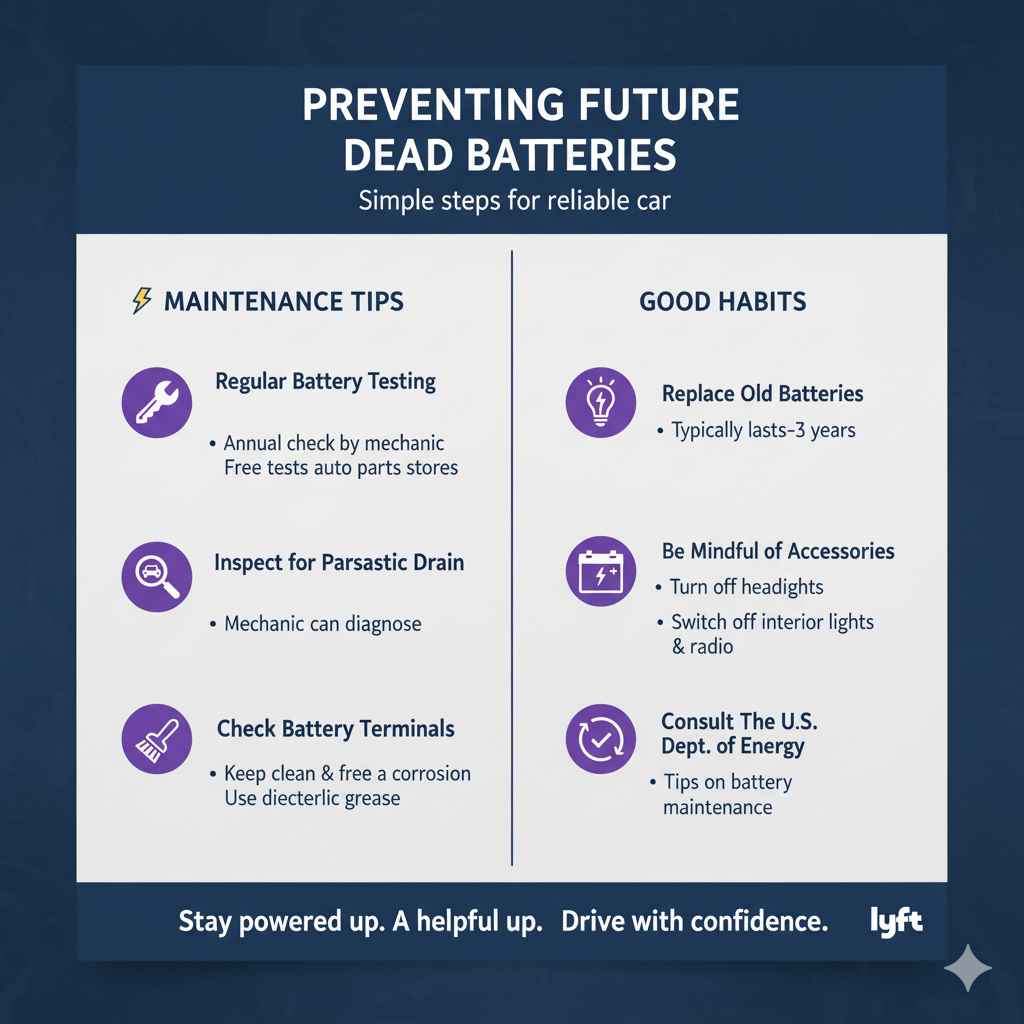
Regular Battery Testing: Get your battery tested annually by a mechanic or auto parts store. Most places do this for free. You can find tips on battery maintenance from The U.S. Department of Energy as well.
Check for Parasitic Drain: This is when a component in your car continues to draw power even when the car is off. A mechanic can diagnose this.
Inspect Battery Terminals: Ensure they are clean and free of corrosion. A dielectric grease can help prevent future corrosion.
Replace Old Batteries: Car batteries typically last 3-5 years. If yours is approaching that age, consider replacing it proactively.
Be Mindful of Accessories: Make it a habit to turn off headlights, interior lights, radios, and other accessories when you leave your car.
Frequently Asked questions
Q1: Can I use my Lyft driver’s phone to call AAA if my battery is dead?
A1: While your Lyft driver can’t officially use their phone as a service for you, they might be willing to let you use it for an important call if they have a moment. It’s always best to have your own charged phone with you or a nearby contact to call for assistance if needed.
Q2: Am I expected to pay the Lyft driver for the jump start?
A2: Lyft drivers are not paid or required to provide jump-start services. However, it’s a kindness they are offering. A significant tip, a five-star rating, and sincere thanks are highly appreciated and recommended as compensation for their time and effort.
Q3: What if my car has a hybrid or electric system? Can a Lyft driver jump it?
A3: This is a crucial point. Most hybrid and electric vehicles have separate 12-volt batteries that can sometimes be jump-started, but the procedure can be different and more complex. It’s essential to consult your specific vehicle’s owner’s manual for the correct procedure or to avoid attempting a jump start if unsure. Many drivers might hesitate to jump-start these types of vehicles due to the potential for damage.
Q4: What if my car doesn’t start after the jump start?
A4: If your car doesn’t start after a jump start, it could indicate a more serious issue. The battery might be completely dead, the alternator could be failing, or there could be another electrical problem. In this case, it’s best to call a professional roadside assistance service or a tow truck to take your car to a mechanic for diagnosis.
Q5: How long does it take for my car battery to recharge after a jump start?
A5: After a successful jump start, you should drive your car for at least 15-30 minutes, preferably at highway speeds, to allow the alternator to sufficiently recharge the battery. A short drive around the block might not be enough to prevent it from dying again soon.
Q6: Can a Lyft driver tow my car?
A6: No, Lyft drivers are not equipped or insured to tow vehicles. Their service is solely for transportation. For towing services, you must contact a professional towing company.
Q7: Is jump-starting from a Lyft car dangerous?
A7: Jump-starting can be dangerous if done incorrectly. Following the proper steps, ensuring good cable connections, and being aware of potential sparks are essential for safety. If either you or the driver is uncomfortable with the process, it’s better to seek professional assistance.
Conclusion
Being stranded with a dead car battery is a stressful situation, but knowing your options can make all the difference. While the helpfulness of a Lyft driver can offer a convenient, quick rescue in many cases, it’s vital to approach it with an understanding of the informal nature of this assistance and to always prioritize safety. Always remember to have jumper cables handy yourself for future emergencies, and consider investing in a portable jump starter pack for ultimate peace of mind.
If a Lyft driver isn’t able to help, or if your car still won’t start, don’t despair. Reputable roadside assistance services, mobile battery specialists, and even a call to a trusted friend can get you back on the road. By being prepared and informed, you can turn a potentially frustrating breakdown into a manageable situation, ensuring you’re always ready for your next journey.