Can You Negotiate With Car Dealers on Fees, Trade-Ins and Financing
Yes, and the sticker price is only one of several things you can negotiate. Documentation fees, extended warranties, dealer add-ons, your trade-in value, and even the interest rate on your loan are all commonly open for discussion, and each one can be negotiated separately from the price of the car itself.
Most buyers only push back on the sticker price and then accept everything else the dealer offers at face value. That is exactly where a dealership makes back the margin it gave up on the car. This guide covers the parts of the deal beyond the price tag: fees, trade-ins, financing, and add-ons, plus the pressure tactics dealers use to keep you from questioning any of it.
Quick Answer
Yes. Beyond the car’s price, you can typically negotiate the trade-in value, the interest rate on dealer-arranged financing, and add-ons like extended warranties, GAP insurance, and paint protection. Government fees like sales tax, title, and registration are not negotiable, and documentation fees are capped by law in some states.

What You Can Negotiate Besides the Sticker Price
Check Before You Negotiate
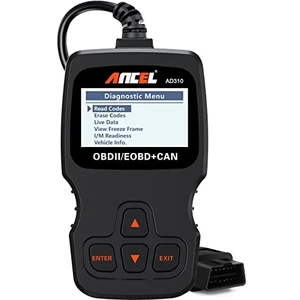 |
ANCEL AD310 OBD II Scanner – $29.99 If part of your deal includes a trade-in, plug this into the car first so a hidden trouble code cannot be used to argue down its value, and you are not blindsided by an issue the dealer already knew about.
|
If you only ever negotiate the number on the windshield, you are leaving the rest of the deal on the table. Here is what else is typically in play, and what is not:
| Part of the Deal | Usually Negotiable? | Why |
|---|---|---|
| New or used car price | Yes | Gap between the asking price and what the dealer actually paid for the car |
| Trade-in value | Yes, and separately | Often blended into the new-car price to hide how little you were offered |
| Financing interest rate | Yes | Dealers can mark up the rate a lender actually approved you for |
| Extended warranty, GAP insurance, add-ons | Yes, heavily | Some of the highest-margin items on the entire deal |
| Documentation (“doc”) fee | Sometimes | Fixed by state law in some states, a flat dealer policy in others |
| Sales tax, title, registration | No | Set by your state and local government, not the dealer |
For the step-by-step process of negotiating the car’s price itself, from researching market value to closing the paperwork, see our full guide: Can You Negotiate Car Price at a Dealership? This article focuses on everything else on the deal that most buyers never think to question.
Recognizing Common Dealer Pressure Tactics
Dealerships use predictable psychological tactics to keep you from questioning the parts of the deal beyond the price. Recognizing them takes away most of their power.
- Payment packing: quoting you a monthly payment instead of a total price. A “low” monthly number can hide a longer loan term, a higher interest rate, or add-ons rolled into the loan. Always ask for the total price and APR before discussing monthly payments.
- The four-square worksheet: some dealers use a notepad divided into four boxes for price, trade-in, down payment, and monthly payment. Moving numbers between boxes lets the salesperson give ground on one figure while quietly taking it back in another. Negotiate one number (the total, out-the-door price) at a time.
- Manufactured urgency: “this price is only good today” or “another buyer is looking at this car right now.” A real deal on a car that will still be for sale tomorrow does not usually disappear overnight.
- Spot delivery: letting you drive the car home before financing is fully approved, then calling days later to say you need to sign a new contract at a higher rate or come up with more money. If financing is not finalized in writing before you leave, you have not actually bought the car yet.
- Small perks as distraction: a free oil change or car wash thrown in to make you feel like you won something, while a fee or add-on with a much bigger markup goes unquestioned.

Negotiating Fees and Add-Ons Separately from the Car Price
Every line item on the final contract is not automatically fixed just because it appears on a printed sheet. Ask for an itemized breakdown before you sign anything, and question each fee on its own.
- Documentation fee: covers paperwork processing. Several states cap what dealers can charge; in states without a cap, this is often negotiable, especially if you ask directly.
- Extended warranties and service contracts: frequently marked up well above what the dealer pays the warranty provider. You can negotiate the price, decline it outright, or shop a third-party warranty separately.
- GAP insurance: useful if you are financing more than the car is worth, but dealer pricing is usually much higher than buying the same coverage through your own insurer.
- Paint protection, fabric protection, VIN etching, nitrogen-filled tires: high-margin add-ons that are almost always negotiable or removable entirely. If you did not ask for it, you generally do not have to keep it on the deal.
Trade-in value works the same way. Get your trade-in appraised and negotiated as its own transaction before you agree to a price on the new car. Cleaning the car, fixing small cosmetic issues, and pulling your own service records first can noticeably improve the offer. If a hidden mechanical issue exists, it is far better for you to know about it (and disclose it) than to let the dealer “discover” it after the fact and use it to justify lowballing you.

Negotiating Your Financing Rate
A loan lets you pay off the car over time and own it once the balance is paid. Leasing is closer to renting: lower monthly payments, but you hand the car back at the end unless you buy it out. Whichever you choose, the interest rate is worth negotiating on its own.
When a dealer arranges financing for you, they are usually working with an outside lender that approved you at a specific rate, and the dealer is often allowed to mark that rate up before presenting it to you. Getting pre-approved for a loan from your own bank or credit union before you shop gives you a real number to compare against, and gives the dealer’s finance office a rate they need to beat instead of just accept. Ask directly whether the rate you are being quoted is the rate the lender approved, or a marked-up version of it, and ask whether the rate is fixed or can change over the life of the loan.
After You Buy: What Is Still Negotiable
Negotiation does not necessarily end when you sign. Dealers often have room to work with even after the sale.
- Ask about discounts on service packages, accessories, or a future oil-change plan, especially if you are a repeat customer.
- If you discover a problem shortly after pickup, report it right away, describe it clearly, and ask for a specific fix rather than a vague promise. Keep a written record of every conversation.
- Check your state’s rules and your specific contract for any cooling-off or return period; not every state or dealer offers one, so do not assume you can unwind the deal after the fact.
- If a dealer is unresponsive about a legitimate issue, your state’s attorney general’s office or consumer protection division is a real resource, and most states require dealers to honor warranty terms in writing.
Frequently Asked Questions
Can You Negotiate Fees at a Car Dealership?
Some fees are negotiable, such as documentation fees in states without a legal cap, and dealer add-ons like paint protection or fabric coating. Government fees, including sales tax, title, and registration, are set by law and are not negotiable.
Is Trade-In Value Negotiable Separately From the New Car Price?
Yes, and it should be. Get a firm number for your trade-in and a firm price on the new car as two separate figures before agreeing to either one, so a dealer cannot quietly make up ground on one by shorting you on the other.
Can You Negotiate the Interest Rate on a Car Loan?
Yes. Dealer-arranged financing can include a markup over the rate the lender actually approved. Getting pre-approved by your own bank or credit union first gives you a rate to compare against and often leverage to negotiate the dealer’s offer down.
Are Extended Warranties and Add-Ons Negotiable?
Yes. Extended warranties, GAP insurance, and add-ons like paint protection or VIN etching typically carry large markups and are some of the most negotiable, or removable, items on the entire deal.
Can You Still Negotiate After Signing the Paperwork?
Rarely on the car’s price itself, but you can often negotiate service discounts, request a fix for a newly discovered issue, or, depending on your state and dealer, cancel certain add-ons within a return window. Check your contract and your state’s consumer protection rules for specifics.
Conclusion
Negotiating with a car dealer is not limited to the number on the windshield. Fees, trade-in value, financing rate, and add-ons are all separate negotiations, and treating them that way is often where the real savings show up. Stay informed, ask for every number in writing, and be ready to walk away from any single piece of the deal that does not add up.
Products related to this article
Sponsored / affiliate links. As an Amazon Associate I earn from qualifying purchases. I may earn additional commission from eligible campaigns.