If You Wreck a Car You Do Not Own, Whose Insurance Pays?
If you wreck a car you do not own, the owner’s insurance almost always pays first. Coverage follows the vehicle, not the driver, so as long as you had permission to be behind the wheel, the car owner’s liability and collision coverage responds to the claim before your own policy is ever involved.
That covers the basic coverage order. What most drivers actually want to know is what happens to them: will their own rates go up, are they on the hook for anything the owner’s policy does not cover, and does the answer change if it was a rental car, a dealership test drive, or a car they were not technically supposed to be driving. That is what this guide walks through.
Whose Insurance Pays First When You Wreck a Car That Is Not Yours
DOCUMENT WHAT HAPPENED
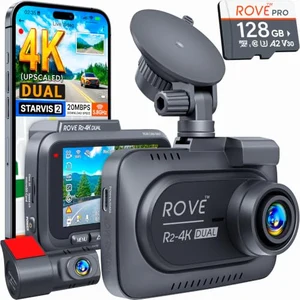 |
ROVE R2-4K Dual Dash Cam, Front & Rear – $149.99 If you regularly drive a car that is not yours, footage of exactly what happened can settle a fault dispute in minutes instead of weeks.
|
Auto insurance is written against the vehicle, so the car owner’s policy is primary. If you had permission to drive — this is called permissive use — the owner’s liability coverage pays for damage to the other car or property, and their collision coverage repairs the car you were driving, up to their policy’s limits and minus their deductible.
Your own auto policy, if you have one, only comes into play as secondary coverage — it can help cover costs above what the owner’s policy pays, but it is not the first line of defense. There are real exceptions to this order, including named driver exclusions, drivers using the car regularly instead of occasionally, and a couple of states that handle exclusions differently. We cover those exceptions in full in our guide to whose insurance covers a borrowed car — this article focuses on what all of that means for you specifically, as the person who caused the wreck.
What Happens to You, the At-Fault Driver, After the Wreck
Because the claim is filed against the owner’s policy, it is generally the owner’s claims history and premiums that are affected at renewal — not yours — even though you were the one driving. That is one of the more counterintuitive parts of permissive use: you can be fully at fault for a wreck and still not see it show up on your own insurance record, as long as the claim stays within the owner’s policy limits and you have no policy of your own that also gets involved.
That changes if you carry your own auto or non-owner policy and it ends up paying out as secondary coverage. In that case, the claim can appear on your record too, and your own rates can rise at your next renewal. It is also common for the owner to ask you to cover their deductible directly, since that is money out of their pocket regardless of whose insurance ultimately pays for the rest.
Are You Personally Liable If the Damage Costs More Than the Owner’s Coverage?
Yes, potentially. If the total damage and injury costs go beyond the owner’s liability limits, and you do not have your own policy to absorb the rest, you can be personally sued for the remaining amount — as the driver who caused the accident, not just the owner of the car. A state’s minimum liability requirement does not disappear because you were driving someone else’s vehicle; it simply means your personal assets, wages, or future earnings could be at risk for whatever the insurance does not cover.
A handful of states add another wrinkle on the owner’s side. Florida, for example, applies what is known as the dangerous instrumentality doctrine, which can hold a car’s owner vicariously liable for a permissive driver’s negligence, separate from whatever the driver owes personally. That affects the owner’s exposure more than yours, but it is a reminder that “whose insurance pays” and “who can be sued” are not always the same question.
If you frequently drive cars you do not own — a friend’s car, a family member’s, a coworker’s — and you do not carry your own auto insurance, a non-owner car insurance policy is worth pricing out. It provides liability coverage that follows you as a driver rather than a specific vehicle, typically for a few hundred dollars a year, and it can pick up costs that go beyond the owner’s limits. It does not cover collision or comprehensive damage to the car itself, since you do not own it — just the liability piece.
What If You Did Not Have Permission to Drive the Car?
This changes everything. If you took the car without the owner’s permission, or kept driving it after being told to stop, that is non-permissive use — and the owner’s insurer will typically deny the claim outright once that is documented, often through a police report or the owner’s own statement. Permissive use is the entire legal basis that lets someone else’s policy respond to a wreck; without it, that protection is not there.
Without the owner’s coverage available, you become the primary party responsible for the damage, relying on your own auto policy if you have one. Beyond the insurance question, driving a car without the owner’s consent can also carry legal consequences of its own, separate from the accident itself, depending on the state and the circumstances.
Special Cases: Dealership Test Drives and Rental Cars
Not every “car you do not own” situation follows the friend-lending-a-car pattern above. Two common scenarios work differently.
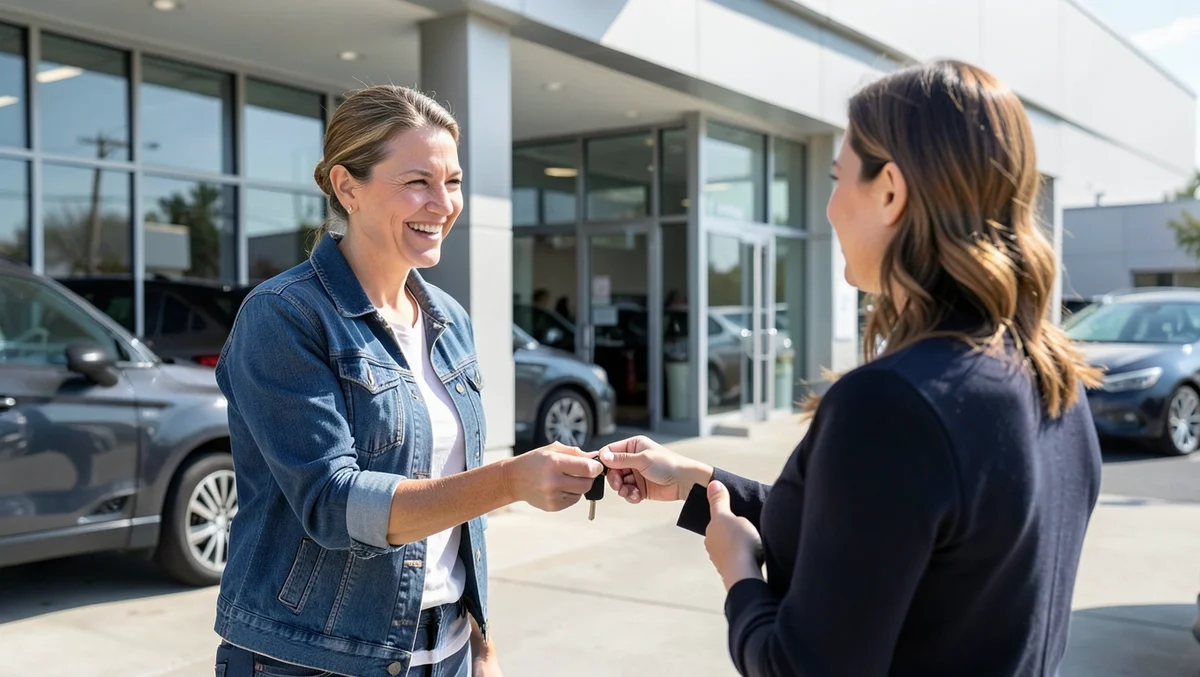
Dealership test drives. Dealerships are generally required to carry commercial fleet insurance on the vehicles they let customers test drive, and a test driver is typically considered a covered driver under that fleet policy. In most cases, the dealership’s fleet insurance handles damage from a test-drive accident regardless of who caused it, which is different from a private borrowed-car situation where the owner’s personal policy is what responds. Your own auto insurance can still come into play if the dealership’s coverage does not fully resolve the claim, similar to how it would with a rental car. Many dealerships also have you sign a liability waiver before a test drive, so it is worth reading before you get in.
Rental cars. There is no individual “owner” to fall back on here — the rental company’s own damage waiver, your personal auto policy’s rental-car provisions (if you carry collision and comprehensive coverage on your own vehicle), and certain credit card rental-coverage benefits can all apply. Rental company coverage tends to come with high deductibles and add-on fees, so it is worth checking what your own policy or credit card already covers before you buy the counter’s insurance.
A loaner car from a dealership’s service department — the kind you get while your own car is being repaired — is a separate situation again, usually governed by the service agreement rather than a fleet or rental policy. See our guide on whether you need insurance to get a loaner car for how that specific case works.
What to Do Right After You Wreck Someone Else’s Car
- Check for injuries and call 911 if needed. Safety comes before any insurance question.
- Call the police and get a report, even for a minor accident. A police report documents fault and who was driving, which matters for both insurers.
- Tell the car’s owner right away. They need to know before their insurer hears about it from anyone else, and they may need to start a claim themselves.
- Exchange information with the other driver, if one is involved — insurance details, license plate, and contact information for everyone.
- Take photos of all vehicles, the accident scene, and any visible damage before anything is moved, if it is safe to do so.
- Notify your own insurer, even if you expect the owner’s policy to pay first. Most policies require you to report an accident you were involved in, and your insurer can advise you on secondary coverage if it is needed.
- Keep records of every call, claim number, and conversation with either insurer until the claim is fully resolved.
Frequently Asked Questions
If I Wreck Someone Else’s Car, Does It Raise My Insurance Rate or Theirs?
Usually the owner’s, not yours. The claim is typically filed against the car owner’s policy, so it is their claims history and renewal premium that can be affected — even though you were driving. Your own rates are only affected if your policy also pays out as secondary coverage.
Am I Personally Liable If the Damage Costs More Than the Owner’s Insurance Covers?
Yes. If the total costs exceed the owner’s liability limits and you do not have your own coverage to fill the gap, you can be personally sued for the remaining amount as the at-fault driver. This is one of the main reasons frequent drivers of other people’s cars consider a non-owner policy.
What Happens If I Wreck a Car I Did Not Have Permission to Drive?
The owner’s insurer will typically deny the claim once non-permissive use is established, since permission is what makes the owner’s coverage extend to you in the first place. Without it, you become primarily responsible for the damage yourself, and the situation can carry legal consequences beyond the insurance claim.
Who Pays If I Crash a Car During a Dealership Test Drive?
The dealership’s own commercial fleet insurance typically covers damage from a test-drive accident, regardless of who caused it, since a test driver is generally considered a covered driver under that policy. This is different from borrowing a friend’s personal car, where their individual policy is what responds.
Do I Need My Own Insurance If I Often Drive Cars I Do Not Own?
It is worth having. If you regularly drive other people’s cars but do not own one yourself, a non-owner car insurance policy provides liability coverage that follows you as a driver, which can matter if a claim ever exceeds the vehicle owner’s limits.
Should I File a Claim on My Own Insurance If I Wreck Someone Else’s Car?
Notify your own insurer regardless, since most policies require you to report accidents you were involved in. Whether your policy actually pays out depends on whether the owner’s coverage falls short — your insurer can tell you if and when your own policy needs to step in.
Conclusion
For a typical wreck in a car you do not own, the owner’s insurance pays first and your own policy backs it up only if needed — and in most cases, it is the owner’s record, not yours, that is affected. The exceptions are worth knowing before it happens: driving without permission, damage that exceeds the owner’s limits, and situations like dealership test drives and rental cars that follow different rules entirely. A quick call to your own insurer to understand where you stand takes a few minutes and can save a lot of uncertainty if something goes wrong.
Products related to this article
Sponsored / affiliate links. As an Amazon Associate I earn from qualifying purchases. I may earn additional commission from eligible campaigns.