Can Police Impound Your Car for No Insurance? Shocking Truth Revealed
Have you ever wondered what happens if you’re caught driving without insurance? Can police actually take your car away just because you don’t have coverage?
If you’re worried about losing your vehicle or facing unexpected trouble, it’s important to know the rules. This article will clear up the confusion and help you understand when and why your car can be impounded for no insurance. Keep reading to protect yourself from costly surprises and stay on the right side of the law.
Legal Requirements For Car Insurance
Car insurance is not just a good idea. It is a legal must in almost every state. Laws set clear rules about insurance for drivers. Knowing these rules helps avoid trouble with the law.
States want drivers to carry insurance to protect everyone on the road. Without insurance, you risk big fines and losing your car. Understanding legal requirements is key for every driver.
State Insurance Laws
Each state has its own car insurance laws. These laws say who must have insurance and what kind. Most states require drivers to prove they have insurance. This proof is needed during traffic stops or after accidents.
States also decide when police can impound your car. Usually, no insurance is a common reason for impounding. Knowing your state’s laws helps you stay safe and legal.
Minimum Coverage Standards
States set minimum coverage rules for car insurance. These rules say how much insurance you must buy. Common coverage includes liability for injuries and damage. This protects others if you cause an accident.
Minimum coverage varies by state. Some states require more than others. Always check your state’s minimum standards before driving. This ensures your insurance meets the law’s demands.
Consequences Of Driving Without Insurance
Driving without insurance has serious consequences. Police can stop you and check your insurance proof. If you have none, your car might be impounded on the spot.
Fines and fees add up fast. You may also lose your driver’s license. Courts can order you to pay extra penalties. In some cases, you face jail time.
Insurance protects you and others. Driving without it risks your money and freedom. Stay insured to avoid these harsh penalties.
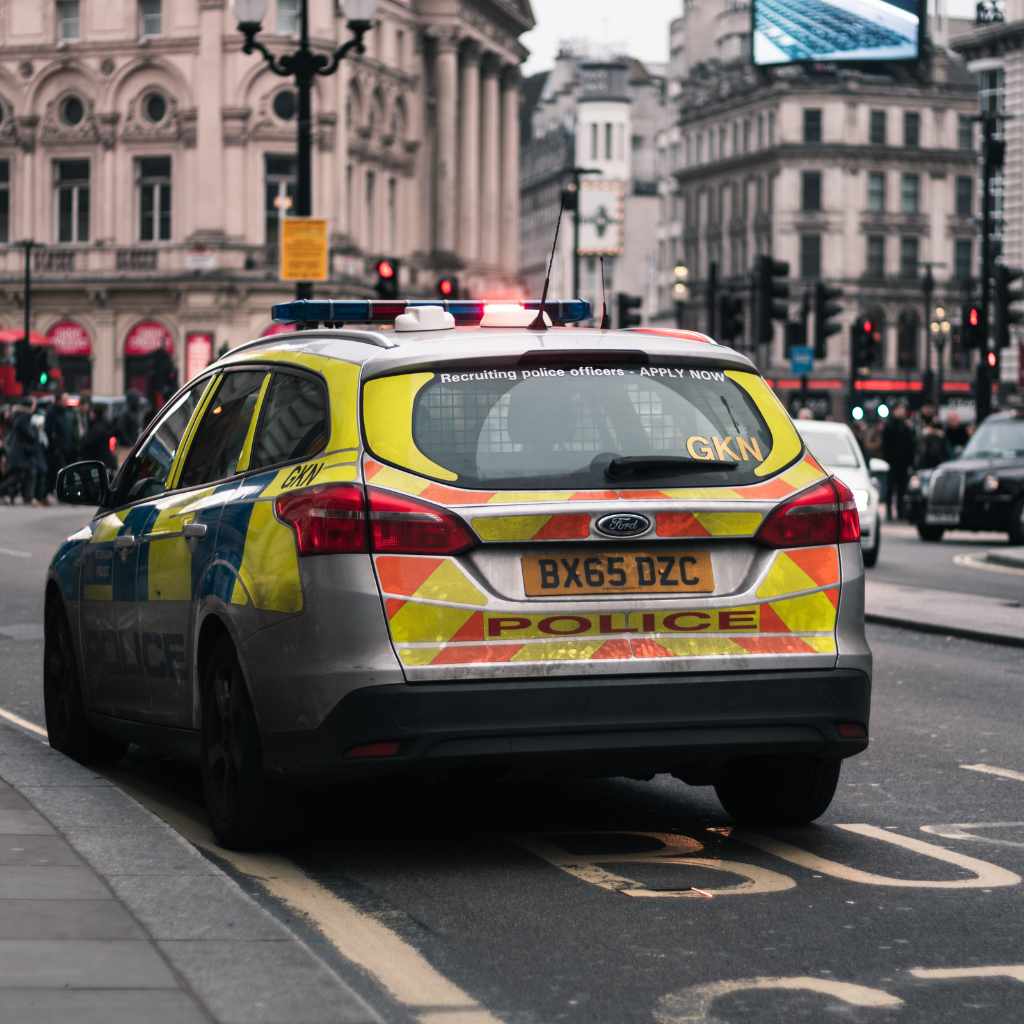
When Police Can Impound Your Vehicle
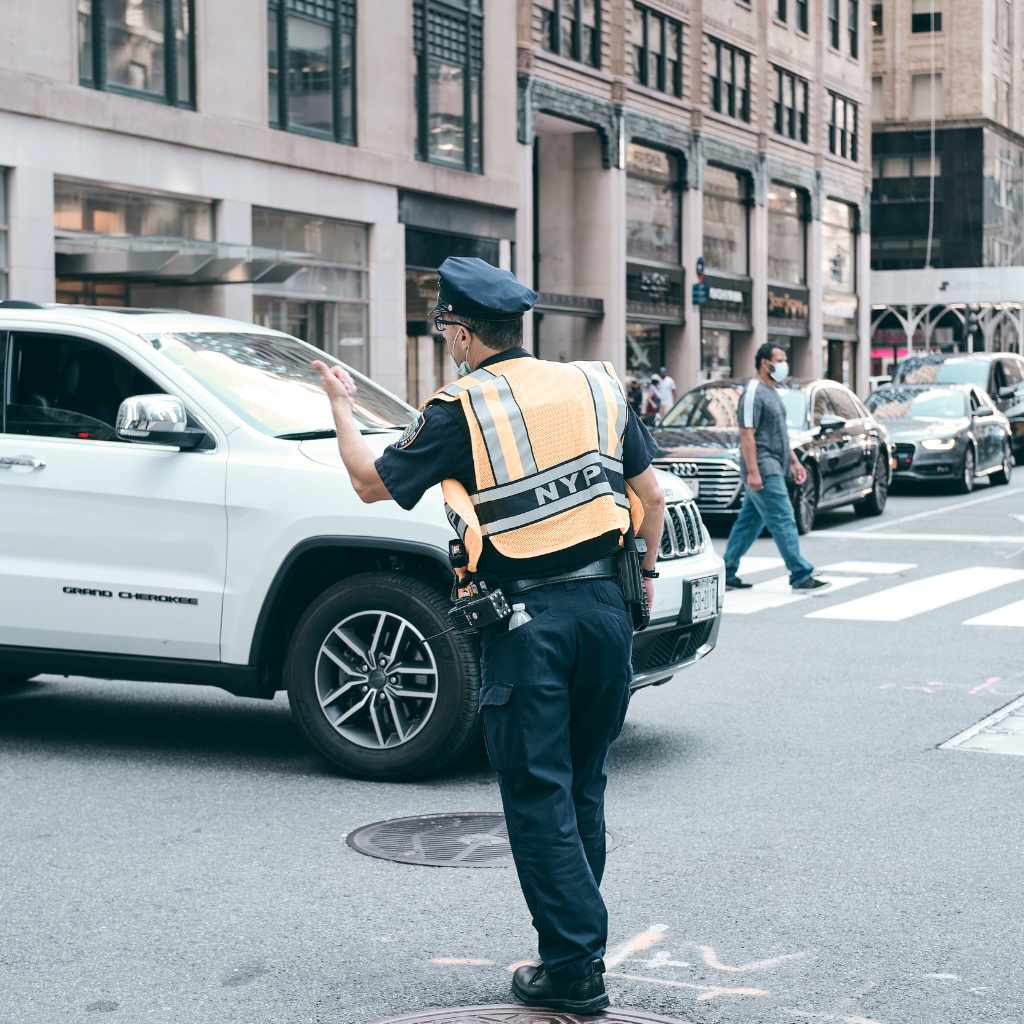
Police have the authority to impound vehicles under certain conditions. Understanding when this happens helps drivers avoid trouble. Impoundment means the police take your vehicle and keep it in a secured lot. This action can lead to fees and legal steps to get your car back. Knowing the rules can save time and money.
Common Reasons For Impoundment
Police impound vehicles for many reasons. Some common causes include driving under the influence, reckless driving, or having outstanding tickets. Cars involved in crimes or abandoned on public roads also face impoundment. Police act to keep roads safe and clear from hazards.
Role Of No Insurance In Impound Decisions
Driving without insurance is a serious offense in many places. Police often impound vehicles when drivers cannot prove valid insurance. This rule aims to reduce risks to other drivers and cover damages. Not having insurance increases chances of your vehicle being towed.
Variations By Jurisdiction
Rules about impounding cars vary by state or city. Some areas have strict laws about insurance and impoundment. Others might only tow cars after multiple violations. Local laws decide how long police can keep your vehicle. Always check the rules where you drive to stay safe.
Impound Process Explained
The impound process starts the moment police decide to tow your car. This usually happens if your vehicle lacks valid insurance. Understanding what happens helps you stay calm and act wisely. The process involves several key steps: the actual impound, notification, retrieval rules, and fees. Each step affects how soon and at what cost you get your car back.
What Happens During Impound
Police officers check your insurance status during a traffic stop or after an accident. Without proof, they can order a tow truck. Your car is then taken to an impound lot. Officers document the vehicle’s condition and location. This keeps your car safe while it is held by authorities.
Notification And Retrieval Procedures
Once your car is impounded, you get a notice. This tells you where your car is and how to retrieve it. The notice may arrive by mail or phone. You must visit the impound lot to get your car. Bringing proof of insurance and identification is necessary to reclaim your vehicle.
Fees And Penalties Involved
Impound fees start from towing charges and daily storage costs. These fees add up quickly. You also face fines for driving without insurance. Paying all fines and fees clears your car for release. Keeping insurance current helps avoid these costly penalties.
Rights And Responsibilities Of Vehicle Owners
Vehicle owners have clear rights and duties regarding their cars. Knowing these rules helps avoid trouble with the police and the law. Every driver must carry valid insurance to protect themselves and others on the road. Without insurance, authorities may take strict actions, including impounding the car.
Understanding your rights helps you act quickly if your car is impounded. You also have responsibilities to prevent future issues. Staying informed about laws and legal help can make a big difference in handling such situations.
Challenging An Impoundment
You can question the police if they impound your car unfairly. Check if the officer followed the correct steps. Gather all documents, like your insurance papers and registration. Request a hearing to explain your case. Acting fast improves your chance to get the car back sooner.
Avoiding Future Impoundments
Keep your car insurance active at all times. Renew your policy before it expires. Carry proof of insurance in your vehicle. Follow traffic rules and avoid risky behavior. These steps reduce the chance of police impounding your car again.
Legal Support And Resources
Many groups offer advice for drivers facing impoundment. Legal aid clinics provide free or low-cost help. Look for local organizations specializing in traffic law. Knowing your rights empowers you to deal with police actions. Getting proper guidance can save time and money.
Impact Of No Insurance On Drivers
Driving without insurance can cause many problems for drivers. It affects more than just the risk of paying for damages after an accident. The law treats uninsured driving seriously. This can lead to penalties that make life harder for drivers.
Understanding the impact of no insurance helps drivers see the full picture. It is not just about fines. It affects your money, your driving record, and your ability to get insurance again.
Financial Consequences
No insurance means facing large fines. These fines can be very expensive. You may also pay fees to get your car back if it is impounded. In some places, you might lose your vehicle for a long time. Legal costs can add up if you must go to court.
Effect On Driving Record
Having no insurance can hurt your driving record. Points may be added for driving uninsured. These points can lead to higher penalties later. Your license might be suspended or revoked. A bad record makes it harder to drive legally.
Insurance Reinstatement Challenges
Getting insurance after a lapse is tough. Insurance companies may see you as a high risk. You might pay higher premiums or be denied coverage. Some states require proof of insurance before you can drive again. This process can take time and money.
Preventive Measures For Vehicle Owners
Preventive measures help vehicle owners avoid car impoundment for no insurance. Following simple steps keeps your car safe and legal. Awareness and regular care reduce risks on the road.
Taking these actions protects you from fines and inconveniences. Staying informed about insurance and documents is key.
Maintaining Proper Insurance
Always keep your car insurance active and up to date. Check your policy before it expires. An active policy shows you follow the law. Choose a plan that fits your needs. Avoid driving without valid insurance. Police can impound your car if you lack coverage.
Regular Documentation Checks
Keep all vehicle documents organized and current. Check your registration and insurance papers often. Carry copies in your vehicle at all times. Expired or missing documents can cause trouble. Regular checks prevent last-minute surprises during police stops.
Using Technology To Stay Compliant
Use apps to remind you about insurance and registration dates. Digital alerts help you stay on track. Some apps store digital copies of your documents. Technology makes managing car papers easier. This reduces the chance of forgetting important deadlines.

Frequently Asked Questions
Can Police Impound Your Car Without Insurance?
Yes, police can impound your car if you drive without valid insurance. Laws vary by state, but most require proof of insurance. Impoundment helps enforce financial responsibility laws and prevent uninsured driving.
How Long Can Police Keep An Impounded Car?
Police can hold an impounded car until you pay fines, fees, or provide proof of insurance. The duration varies by jurisdiction but often ranges from a few days to several weeks.
What Are The Costs To Retrieve An Impounded Car?
Retrieval costs typically include towing fees, storage charges, and fines. These can add up quickly, so providing proof of insurance promptly may reduce expenses.
Can You Contest Car Impoundment For No Insurance?
Yes, you can challenge the impoundment in court. You must provide valid reasons or evidence, such as proof of insurance or errors in the impound process.
Conclusion
Police can impound your car if you drive without insurance. This rule helps keep roads safer for everyone. Paying for insurance is not just a law—it protects you from big costs. Avoiding insurance can lead to fines, towing fees, and losing your car temporarily.
Always check your state’s rules about driving without insurance. Stay safe, follow the law, and protect your vehicle. Remember, insurance is a small price for peace of mind. Don’t risk losing your car over missing coverage. It’s better to be prepared than face penalties later.