Can You Drive An Antique Car Everyday? Essential Guide
Can you drive an antique car everyday? While a dream for some, daily driving an antique car is generally impractical and not recommended due to reliability, safety, and maintenance concerns. However, with careful preparation and managing expectations, occasional daily use might be feasible for specific vehicles and drivers willing to invest the effort.
So, you’re thinking about making that classic beauty your daily driver? It’s a romantic idea, right? Imagining cruising down the street in a car that turns heads, a piece of automotive history rolling by. But before you ditch your modern car keys for a vintage ignition, let’s talk frankly. Driving an antique car every single day comes with big questions. Are they safe enough? Can they keep up with modern traffic? Will they break down constantly? As your trusted guide, I’m here to help you understand the reality. We’ll break down what it really takes, what to expect, and whether it’s a practical path for you. Let’s get started on this fascinating journey!
What Defines an “Antique Car”?
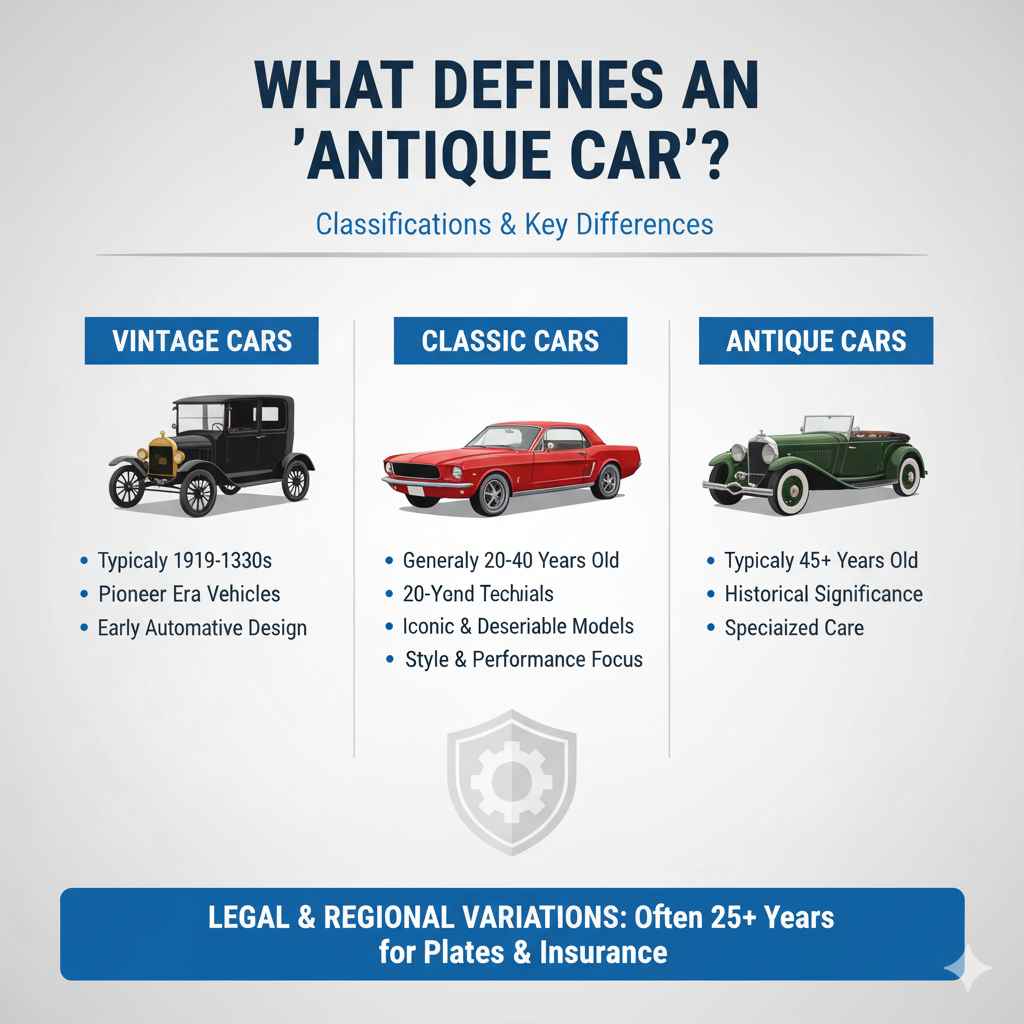
First off, what exactly do we mean when we say “antique car”? This isn’t just about a car that’s a few years old. The term “antique” usually refers to vehicles that are generally 25 years or older. However, the exact definition can vary.
Classic Cars: Often considered 20-40 years old. They are admired for their style, performance, or historical significance.
Antique Cars: Typically 45 years or older. These are the real vintage machines, often requiring specialized care and attention.
Vintage Cars: Sometimes used interchangeably with antique, typically referring to cars made between 1919 and 1930, though this can also be more broadly applied.
Different organizations and states have their own specific classifications, often for insurance and registration purposes. For instance, many states require a car to be at least 25 years old to qualify for antique vehicle license plates, which often come with fewer restrictions than standard plates. Understanding these classifications helps when looking into insurance, maintenance, and even where you can legally drive your car.
The Dream vs. The Reality of Daily Driving an Antique Car
Owning an antique car is often a passion project. For many, these cars represent a simpler time, a connection to automotive heritage, and a unique driving experience. The allure of the open road in a classic machine is undeniable. However, translating that dream into a daily reality presents several significant challenges:
From a performance perspective, antique cars were not built with the demands of modern traffic in mind. Think about it:
Speed: They often struggle to keep up with modern highway speeds.
Acceleration: Merging into fast-moving traffic can be nerve-wracking.
Braking: Older braking systems are significantly less effective than their contemporary counterparts.
Handling: Power steering, anti-lock brakes, and advanced suspension systems are usually absent.
The driving experience is vastly different without these modern conveniences and safety features. It requires a different kind of focus and skill set.
Key Considerations for Driving an Antique Car Daily
If you’re seriously considering using an antique car for day-to-day activities, there are several crucial factors you need to weigh. It’s not just about whether the car can run, but whether it can do so reliably and safely in the context of modern life.
1. Reliability and Mechanical Condition
This is perhaps the biggest hurdle. Antique cars, by their very nature, are older. Components wear out. They require more frequent attention and often use technology that’s no longer standard.
Engine Tune-ups: Older engines need regular adjustments. Carburetors, points ignition, and older fuel systems can be finicky. A typical modern car might go 10,000 miles between oil changes; an antique car might need attention much sooner or require more frequent inspections.
Cooling Systems: Older radiators and cooling systems were not designed for the heat generated by heavy traffic and prolonged idling. Overheating can be a common issue.
Fuel Systems: Older fuel lines and tanks can be prone to leaks or blockages. Modern fuel blends can also sometimes be incompatible with older rubber components or seals, leading to issues.
Electrical Systems: From basic wiring to primitive alternators or generators, antique electrical systems are far less robust than modern ones. Short circuits and failures are not uncommon.
Recommendation: Before even thinking about daily driving, the car must undergo a thorough mechanical inspection by a specialist familiar with that make and model. Address any potential issues proactively.
2. Safety Features (or Lack Thereof)
Modern cars have a suite of safety features we take for granted. Antique cars lack most, if not all, of these.
Braking Systems: Most antique cars have drum brakes or very basic disc brakes. They lack ABS (Anti-lock Braking System), which prevents wheel lock-up during hard braking, and electronic brake-force distribution. Stopping distances are significantly longer.
Seatbelts: Many very old cars do not have factory-installed seatbelts, or they might have only lap belts.
Airbags: Non-existent in antique cars.
Crumple Zones: Modern cars are designed with energy-absorbing structures. Older cars have much more rigid frames, which can offer less protection in a collision.
Modern Lighting: Older headlights and tail lights are far less bright and effective than modern LED or halogen systems, making visibility a challenge, especially at night or in poor weather.
According to the National Highway Traffic Safety Administration (NHTSA), modern safety technologies have dramatically reduced fatalities and injuries in vehicle crashes. Driving an antique car means opting out of these.
3. Environmental and Weather Considerations
Antique cars are often not equipped to handle extreme weather conditions gracefully.
Heating and Cooling: Many lack reliable air conditioning or robust heating systems. Driving in sweltering heat or freezing cold can be uncomfortable or even dangerous.
Wipers and Defrosters: These systems are often rudimentary. Heavy rain or fog can severely impair visibility.
Rust: Older cars, especially those that haven’t been meticulously preserved or restored, are more susceptible to rust, particularly in regions that use road salt in winter. Daily exposure to road salt and moisture can accelerate decay.
4. Fuel Efficiency and Emissions
Let’s be honest, antique cars are not known for their fuel economy. They often guzzle gasoline, and their emissions systems are far less sophisticated than modern vehicles.
MPG (Miles Per Gallon): Expect significantly lower MPG compared to even a moderately efficient modern car. This can lead to substantial fuel costs.
Emissions: Many older vehicles predate strict emissions controls. Driving them daily in urban areas might even be restricted in some places due to these regulations. Understanding local emissions standards managed by the EPA is important.
5. Availability of Parts and Specialized Mechanics
Finding parts for a classic car can be a treasure hunt. While a vibrant community exists for many popular antique models, sourcing specific components for less common vehicles can be incredibly difficult and expensive.
Obsolete Parts: Many parts are no longer manufactured. You might need to rely on used parts, restoration companies, or custom fabrication.
Specialized Knowledge: Not every mechanic can work on antique cars. You’ll likely need to find a mechanic who specializes in older vehicles, and their labor rates can be higher.
6. Comfort and Convenience
Modern cars are designed for comfort and convenience. Antique cars often lack:
Power Steering: Steering can be heavy, especially at low speeds.
Power Brakes: Requiring more physical effort.
Air Conditioning: A significant comfort issue in warmer climates.
Sound Insulation: Road and engine noise can be much more pronounced.
Modern Infotainment: Forget GPS, Bluetooth, or USB ports.
7. Insurance and Registration
Antique cars often have specific insurance policies. Agreed value” policies are common, where you and the insurer agree on the car’s value. These policies, however, may restrict mileage and how the car can be used. Daily driving might be prohibited or significantly increase your premiums. Registration rules also vary by state, with antique plates often limiting annual mileage.
Can You Make it Work? Tips for Occasional Daily Driving
While daily driving an antique car as your sole vehicle is generally ill-advised, using it for occasional daily driving, perhaps for short commutes or weekend errands, might be achievable with significant preparation and realistic expectations. Here’s how to increase your chances of success:
Step-by-Step Guide to Preparing for Occasional Daily Use
Phase 1: Thorough Mechanical Assessment and Refurbishment
1. Find a Specialist: Locate a reputable mechanic who has deep knowledge of your car’s make and model vintage. This is non-negotiable.
2. Comprehensive Inspection: Have them inspect absolutely everything: engine, transmission, brakes, suspension, steering, cooling system, electrical system, fuel system, and body integrity (especially for rust).
3. Address All Issues: Don’t cut corners. Any existing problems should be fixed. This might involve replacing aging components like hoses, belts, brake lines, and fuel lines.
4. Upgrade Where Possible (and Practical):
Brakes: Consider upgrading to a more modern braking system if it doesn’t detract from the car’s originality too much. Better brakes are a huge safety improvement.
Cooling System: Ensure it’s in top condition, or consider an upgraded radiator or fan for better performance in traffic.
Ignition: Modern electronic ignition can offer more reliable spark than points and condenser systems.
Tires: Ensure you have modern, high-quality tires that are appropriate for the car.
5. Electrical System Check: Ensure all wiring is in good condition and properly insulated. Consider adding a modern fuse panel for better reliability and safety.
Phase 2: Enhancing Safety and Comfort
1. Seatbelts: Install them if they aren’t present. Three-point seatbelts (lap and shoulder) are the best option for safety.
2. Lighting: Upgrade headlights to brighter halogen or even LED bulbs if possible, and ensure all lights are functioning correctly.
3. Mirrors: Ensure you have good visibility with well-positioned mirrors.
4. Comfort Upgrades: If AC is a must for your climate, research discreet retrofit options. Even a good fan can help.
5. Fire Extinguisher: Keep a small, ABC-rated fire extinguisher in the car.
Phase 3: Understanding and Managing the Car
1. Know Your Car’s Quirks: Every old car has them. Learn how to start it reliably, how it behaves in different conditions, and what sounds it makes when something is wrong.
2. Pre-Drive Checks: Make it a habit to do a quick walk-around before you drive: check tire pressure, look for leaks, check fluid levels, and test brakes and clutch (if manual) when starting.
3. Carry a Basic Tool Kit: Include essentials like pliers, screwdrivers, a wrench set, duct tape, and some spare fuses.
4. Know Your Route: Stick to familiar routes initially, and avoid areas with heavy traffic or challenging driving conditions.
5. Have a Backup Plan: Always have a plan for what you’ll do if the car breaks down. This might mean having a modern car available or knowing how to contact roadside assistance (ensure your policy covers antique cars).
6. Drive Defensively: Be extra aware of your surroundings. Anticiipate actions of other drivers and be prepared for your car’s limitations.
Pros and Cons of Everyday Antique Car Use
To help you decide, let’s break down the good and the not-so-good points of trying to use a vintage car as a daily driver.
| Pros | Cons |
|---|---|
| Unique Driving Experience: A connection to the past, a more engaging and visceral drive. | Lower Reliability: Older vehicles are inherently more prone to breakdowns. |
| Head-Turning Appeal: Classic cars are conversation starters and a joy to behold. | Safety Concerns: Lack of modern safety features puts you at greater risk. |
| Lower Purchase Price (Potentially): Well-maintained antique cars can sometimes be purchased for less than equivalent modern vehicles, though rare or pristine examples can be very expensive. | Higher Maintenance Costs: Parts and specialized labor can be expensive and hard to find. |
| Simplicity: Fewer complex electronic systems means less to go wrong from a technological standpoint (though mechanical systems are more numerous). | Poor Fuel Economy: Antique cars are typically much less fuel-efficient. |
| Potential for Simpler Repairs (for some): With basic mechanical knowledge, some older cars can be easier to work on than modern computer-heavy vehicles. | Inconvenience: Frequent stops for fuel, potential for breakdowns, lack of modern comforts. |
| Sense of Accomplishment: The satisfaction of keeping a piece of history running and on the road. | Environmental Impact: Less efficient engines and older emissions systems mean a larger carbon footprint. |
Maintaining Your Antique Car for Reliable Service
Whether you’re aiming for occasional daily use or just want to enjoy your classic on weekends, proper maintenance is key. It’s the foundation of reliability, safety, and preserving your investment.
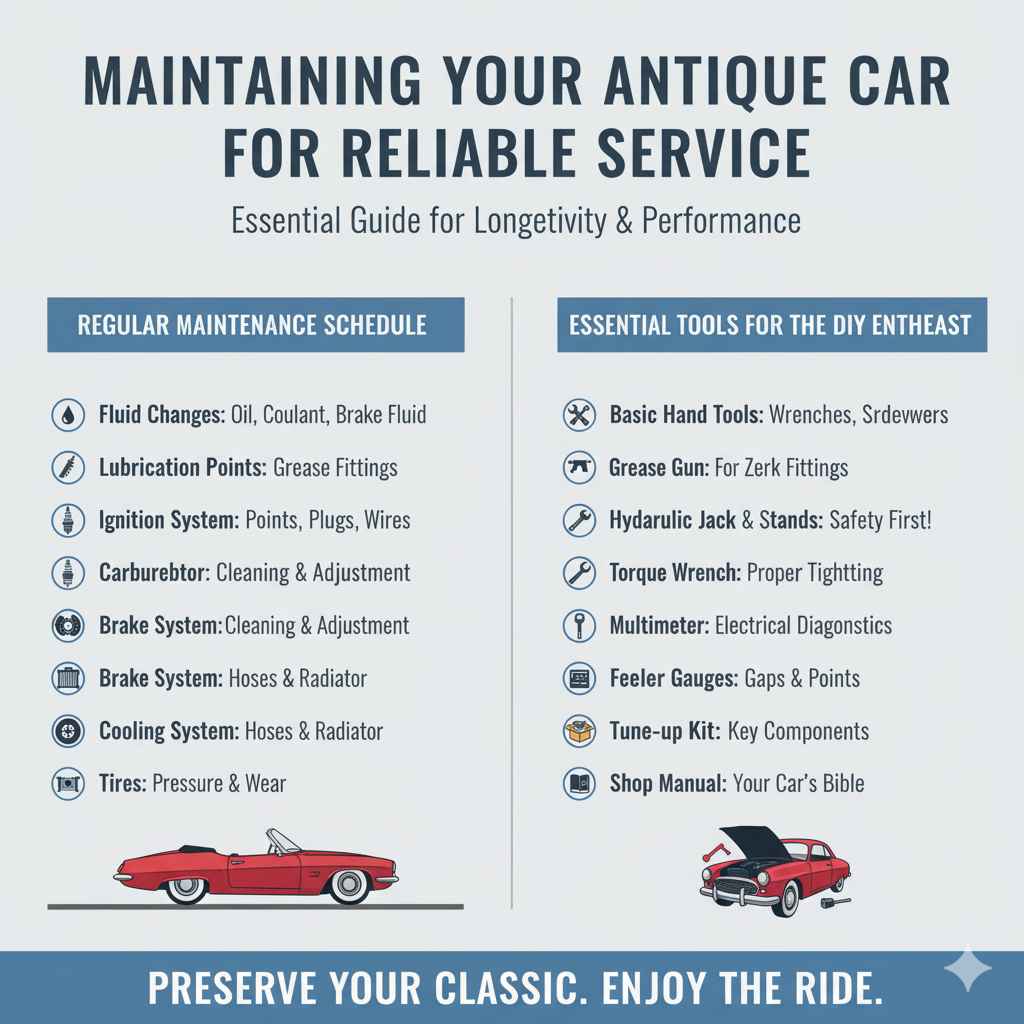
Regular Maintenance Schedule
While there’s no single schedule that fits all antique cars, certain aspects require constant vigilance.
Fluid Changes: Oil, coolant, brake fluid, and transmission fluid should be changed at recommended intervals, which are often shorter than for modern cars. Always use fluids appropriate for your car’s age and materials.
Lubrication Points: Many older cars have numerous grease fittings (zerks) that require regular lubrication. This is crucial for suspension and steering components.
Ignition System: Points, condenser, spark plugs, and ignition wires need regular inspection and adjustment or replacement.
Carburetor: Carburetors may need periodic cleaning and adjustment to ensure proper fuel mixture.
Brake System: Inspect brake shoes/pads, drums/rotors, lines, and fluid regularly.
Cooling System: Check hoses for cracks, leaks, and the condition of the radiator. Flush and refill coolant periodically.
* Tires: Check pressure regularly and inspect for wear and “dry rot,” especially if the car sits for long periods.
Essential Tools for the DIY Enthusiast
Having the right tools can make basic maintenance tasks much more manageable.
- Basic Hand Tools: Socket set, wrench set (SAE and Metric, depending on your car), screwdrivers, pliers, wire cutters.
- Grease Gun: For lubricating zerk fittings.
- Hydraulic Jack and Jack Stands: Essential for safely lifting the car. Never work under a car supported only by a jack.
- Torque Wrench: For tightening fasteners to the correct specification.
- Multimeter: For diagnosing electrical issues.
- Feeler Gauges: For setting spark plug gaps and points.
- Tune-up Kit: Spark plugs, points, condenser, distributor rotor, and cap.
- Shop Manual: A factory service manual or a reputable aftermarket manual for your specific car is invaluable.
Frequently Asked Questions (FAQ)
Here are some common questions people have about driving antique cars daily.
Q1: Is it legal to drive an antique car every day?
In most places, it is legal, but antique vehicles often have restrictions. Many states offer special antique license plates with mileage limitations (e.g., under 5,000 miles per year). Driving beyond these limits can invalidate your registration and insurance. Check your local DMV regulations.
Q2: How often do antique cars need maintenance?
Much more frequently than modern cars. Depending on usage, some systems might need checks every few months or a few thousand miles, while others, like fluid changes, might be annually or every 3,000-5,000 miles. Regular inspections are key.
Q3: Can I get insurance for an antique car used for daily driving?
It’s difficult. Most antique car insurance policies are designed for collector vehicles used sparingly. They often have mileage restrictions and usage limitations (e.g., “pleasure use only”). Using one for daily commuting may require a standard auto insurance policy, which can be more expensive and might not be available for very old vehicles.
Q4: Are antique cars safe in accidents?
Generally, no. They lack modern safety features like airbags, ABS, advanced crumple zones, and sometimes even basic seatbelts. In a collision with a modern vehicle, the occupants of the antique car are at a significantly higher risk of serious injury.
Q5: What are the biggest challenges of driving an antique car in modern traffic?
Keeping up with modern speeds, having weaker brakes and acceleration, and being more vulnerable in traffic are major challenges. Drivers need to be exceptionally defensive and aware of their car’s limitations.
Q6: Where can I find parts for my antique car?
There are many sources: specialized automotive parts suppliers, online forums and communities dedicated to your car’s make/model, car shows, swap meets, and restoration shops. For very rare parts, you might need to source used items or have