Average Car Insurance Cost in 2026: Rate Decoder & Real-World Breakdown
You finally get that insurance renewal notice in the mail. The number looks higher than last year. You didn’t get a ticket. You didn’t crash. So why is the bill creeping up? That confusion is normal. Most drivers have no idea what they should pay or why they pay it. They just know the monthly auto-pay hurts.
This article decodes the average car insurance cost for 2026. You’ll see national numbers, state-by-state differences, and the hidden factors that move your rate up or down. We’ll also bust myths that cost you money and show you exactly how to read your policy declaration page. By the end, you’ll know what drives your premium and how to shop smarter.

TOURSUIT
TOURSUIT Car Registration & Insurance Card Holder,…
- 👁️Quick Accessible: Inside the car insurance and registration card holder, the clear inner material makes you easy to find documen…
- 💼Document Well Organized: The car document holder keeps your car documents organized and keep them tidy and secured, which make it…
- 🧲Hidden Magnetic Closure: The glove box document holder are built with hidden magnetic closure, which will keep your car paperwork…
Before we dig into the numbers, one small practical tip. Keeping your registration and proof of insurance organized in your glove box saves headaches during traffic stops. A simple holder like the TOURSUIT Car Registration & Insurance Card Holder keeps those documents visible and protected, so you’re not fumbling through a stack of old receipts when an officer asks for them.
How Much Is Car Insurance in 2026? (National Average)
The national average car insurance cost in 2026 sits at roughly $2,150 per year for full coverage. That works out to about $179 per month. Minimum coverage averages $680 annually, or about $57 per month. Those are baseline figures. Most drivers will not pay exactly that amount.
Full coverage means you carry liability, collision, and comprehensive. Liability pays for damage you cause to others. Collision covers your car in a crash. Comprehensive covers theft, vandalism, hail, and animal strikes. Minimum coverage only satisfies your state’s legal requirement, usually just liability.
These averages come from rate data across all 50 states and Washington, D.C. They assume a 35-year-old driver with a clean record and good credit. Change any one of those details and your quote shifts dramatically.
Average Car Insurance Cost by State
Where you park your car matters more than almost anything else. Michigan leads the country with an average annual premium near $5,300 for full coverage. That’s because of unlimited lifetime medical benefits under its no-fault system. Florida comes next at roughly $3,900, driven by high litigation rates and severe weather claims.
At the other end, Maine averages about $1,100 per year. Idaho sits near $1,200, and Vermont around $1,250. Rural states with low population density and fewer claims consistently see the cheapest rates.
| State | Average Annual Full Coverage | Average Annual Minimum Coverage |
|---|---|---|
| Maine | $1,100 | $390 |
| Idaho | $1,200 | $420 |
| Vermont | $1,250 | $450 |
| Ohio | $1,400 | $480 |
| Texas | $2,300 | $720 |
| California | $2,600 | $800 |
| Florida | $3,900 | $1,100 |
| Michigan | $5,300 | $1,400 |
Why such a spread? State insurance regulations, lawsuit frequency, weather patterns, and medical costs all feed into the formula. A state with aggressive attorneys and expensive healthcare will always have higher premiums than one without.
Why Your State’s Average Might Not Apply to You
State averages are useful for comparison, but they hide a lot. Your personal rate depends on your ZIP code, driving history, and the car you drive. A clean-driving 50-year-old in Detroit pays less than the state average. A 19-year-old with an at-fault accident in rural Maine pays more than the state average.
Insurance companies price risk at the neighborhood level, not the state level. Two addresses ten miles apart can see premiums differ by 40% or more. We’ll get into ZIP code specifics later in this article.
Car Insurance Cost by Age, Gender, and Credit Score
Age is the biggest single rating factor for most drivers. Teenagers pay the most because they crash more. A 16-year-old with full coverage averages $5,800 per year nationally. That number drops to $3,200 by age 20 and keeps falling until around age 30.
Rates stay relatively flat from 30 to 60. Then they climb again after 70, reflecting increased crash risk among older drivers. A 75-year-old pays roughly 20% more than a 45-year-old with the same profile.
Gender matters too, but less than people think. Young men pay about 15% more than young women because they take more risks behind the wheel. That gap narrows after age 25 and nearly disappears by age 40. Some states ban gender as a rating factor entirely, including California, Hawaii, Massachusetts, Michigan, Montana, North Carolina, and Pennsylvania.
Credit score is the factor most drivers ignore. Insurers use credit-based insurance scores because data shows a strong link between credit history and claim frequency. Drivers with poor credit pay roughly double what drivers with excellent credit pay for the same coverage. In 2026, that difference averages about $1,900 per year. California, Hawaii, Massachusetts, Michigan, and Washington restrict or ban credit scoring, which keeps rates more equal in those states. See our full breakdown of Massachusetts car insurance rates and the state’s 2025 minimum coverage increase for the specifics.
How Your Driving Record Changes Your Premium
Your driving record tells insurers how likely you are to file a claim. One mistake can cost you for years. The surcharges last between three and five years depending on your state and insurer.
Speeding Tickets vs. At-Fault Accidents vs. DUIs
A single minor speeding ticket (10 mph over) raises your average full coverage premium by about 20%. That’s roughly $430 per year. The surcharge depends on how fast you were going. A ticket for 20 mph over can push your rate up 40% or more.
An at-fault accident hits harder. Expect a 45% increase on average. That adds about $970 per year to a full coverage policy. If the accident involved injuries or significant property damage, the surcharge climbs even higher. Some insurers offer accident forgiveness after five years of clean driving, but most don’t offer it automatically.
A DUI is the worst mark on your record. Rates jump by an average of 80%, and that’s just the insurance cost. You’ll also pay fines, legal fees, and possibly install an ignition interlock device. In many states, a DUI conviction requires an SR-22 filing, which adds administrative fees and keeps your rate elevated for three to five years.
One ticket or accident doesn’t doom you forever. Most surcharges drop off after three years. Shopping around after a violation often finds a better rate than staying loyal to your current insurer.
Car Insurance Cost by Vehicle Type and Safety Features
The car you drive directly influences your premium. Insurers look at repair costs, theft rates, and safety ratings. A luxury sedan with expensive parts costs more to insure than a practical hatchback. A sports car with a high horsepower-to-weight ratio signals risk, even if you drive it carefully.
Here’s a rough breakdown. A Honda Civic or Toyota Corolla averages $1,800 per year for full coverage. A Ford F-150 averages $2,100. A BMW 5 Series jumps to $2,800. A Tesla Model S can exceed $4,000 because repair costs are astronomical and parts are hard to source.
Safety features actually lower your premium, but not as much as you’d hope. Automatic emergency braking earns about a 5% discount. Anti-theft systems with tracking earn another 5%. Adaptive headlights and lane departure warning each net around 3%. These discounts stack, but they rarely exceed 15% combined. The bigger savings come from choosing a car with a strong crash-test record and cheap replacement parts.
One overlooked factor: the vehicle’s trim level. A base model and a fully loaded version of the same car can differ by 20% in premium. That’s because the loaded version costs more to repair and replace. If you’re shopping for a new car, check insurance quotes before you sign the paperwork.
The Real Impact of Your ZIP Code on Rates
Your ZIP code can change your premium by hundreds of dollars per year. Insurers use location data to assess risk of theft, vandalism, accidents, and weather claims. Urban areas with dense traffic and high repair costs see the highest rates.
A concrete example: a 35-year-old driver with a clean record in Chicago’s Loop pays about $3,100 per year for full coverage. The same driver twenty miles west in Naperville pays $2,100. That’s a $1,000 difference for identical coverage and the same driver profile.
Zip code also matters within a single city. In Los Angeles, downtown ZIP codes average 25% higher premiums than neighborhoods in the San Fernando Valley. In New York City, Manhattan rates run about 30% above Staten Island. The pattern repeats everywhere: denser, higher-crime areas cost more.
You can’t change your ZIP code just to save on insurance, but you can use it when comparing quotes. If you’re moving, run a quote for the new address before you commit. Sometimes a short move across a city line saves more than any discount you can find.
How to Read Your Policy Declaration Page
Your declaration page, or dec page, is the one-page summary of your auto insurance policy. Most drivers never read it. That’s a mistake. It lists every coverage you carry and the exact premium for each. Learning to read it takes five minutes and tells you exactly where your money goes.
Find the section labeled “Coverages.” You’ll see lines for Bodily Injury Liability, Property Damage Liability, Collision, Comprehensive, and Uninsured/Underinsured Motorist. Each has a limit, like 100/300/50. That means $100,000 per person, $300,000 per accident for bodily injury, and $50,000 for property damage.
Next to each coverage is a premium amount. Add them up and you get your total policy premium. Look for the deductible on collision and comprehensive. This is what you pay out of pocket before insurance kicks in. A $500 deductible costs more than a $1,000 deductible because the insurer takes on more risk.
Also check the discounts section. It lists every discount you’re receiving, like multi-policy, safe driver, or anti-theft. If you see a discount you don’t qualify for, that’s an error worth fixing. If you’re missing a discount you should get, call your agent.
Finally, verify the vehicle information. The VIN, model year, and primary use (commute vs. pleasure) all affect your rate. An incorrect odometer reading or wrong annual mileage can inflate your premium by 10% or more. — for a related option, see our mileage and car insurance guide.
Car Insurance Myths That Cost You Money
Plenty of folklore surrounds car insurance. Some myths just waste your time. Others cost you real money. Let’s set the record straight on the most common ones.
Myth: Red cars cost more to insure. No. The color of your car has zero effect on your premium. Insurers care about make, model, engine size, and safety ratings. A red Honda Civic costs the same as a blue one. This myth persists because people confuse purchase price with insurance cost.
Myth: Your credit score only matters for loans. False. Most states allow insurers to use credit-based insurance scores. A good credit score can save you hundreds per year. A poor one can double your premium. If you have bad credit, improving it is one of the fastest ways to lower your rate.
Myth: Minimum coverage is always the cheapest option. It has the lowest premium, but it leaves you exposed. If you cause a serious accident, minimum limits may not cover the other driver’s medical bills. You’ll pay the difference out of pocket. In some states, minimum coverage doesn’t include uninsured motorist protection at all. One crash can wipe out years of savings.
Myth: Your insurance follows the driver, not the car. It follows the car. If you let a friend borrow your car and they crash, your insurance pays the claim. Their insurance comes second. That means your rates go up, not theirs. Lending your car is riskier than most people realize.
Myth: Switching insurers always raises your rates. Actually, loyal customers often pay more. Insurers regularly raise rates for existing customers while offering lower rates to new ones. Shopping around every year or two almost always finds a better deal. The average driver saves $400 per year by switching.
7 Proven Ways to Lower Your Car Insurance Bill
You don’t have to accept your current premium as fate. These strategies actually work, and most take less than an hour to implement.
- Shop around every renewal. Get quotes from at least three insurers before your policy renews. Rates change constantly, and the cheapest company last year may not be the cheapest this year. Online comparison tools make this easy.
- Raise your deductible. Moving from $500 to $1,000 lowers your collision and comprehensive premium by about 15%. Just make sure you have that $1,000 in savings if you need to file a claim.
- Bundle your policies. Combining home or renters insurance with auto insurance typically earns a 10-15% discount. Even bundling with a life insurance policy can help.
- Ask about usage-based insurance. Programs like Progressive Snapshot or State Farm Drive Safe & Save track your driving habits through an app or device. Safe drivers can save up to 30%. If you drive less than 10,000 miles a year, you’re a good candidate.
- Check for group discounts. Alumni associations, professional organizations, and even some employers offer discounted rates through specific insurers. A quick call to your HR department or alumni office can uncover savings you didn’t know existed.
- Drop collision on older cars. If your car is worth less than $3,000, collision coverage may not be worth the premium. Calculate your car’s value and compare it to your annual collision premium. If the car isn’t worth much, dropping it makes sense.
- Improve your credit score. Pay down credit card balances and dispute errors on your credit report. A 50-point credit score improvement can cut your insurance premium by 10-15%.
One more tip: don’t let your policy auto-renew without a second look. Insurers count on inertia. A quick annual review takes ten minutes and can save you hundreds.
Future Trends: Will Car Insurance Get Cheaper or More Expensive?
Looking ahead, most experts expect premiums to keep climbing. Repair costs are rising because modern cars are packed with sensors, cameras, and expensive materials. A minor fender bender that cost $1,500 to fix a decade ago now runs $3,500 or more. Those costs pass directly to you.
Inflation plays a role too. Medical costs, labor rates, and parts prices all rise faster than general inflation. Insurers must raise premiums to keep pace with claim payouts. The average annual increase over the past five years has been about 6% per year.
Telematics could change the picture. Usage-based insurance rewards low-mileage, safe drivers with significant discounts. As more drivers opt in, insurers gain better data and can price risk more precisely. That means safe drivers pay less while risky drivers pay more. The overall average may stay flat, but individual rates will vary more widely.
Electric vehicles complicate things further. They cost more to repair and have specialized parts, which drives up premiums. But they also have advanced safety features and lower theft rates in some areas. The net effect varies by model and location. If you’re considering an EV, get a quote before you buy.
Autonomous driving technology might eventually reduce accidents, but that’s years away. For now, plan on rates rising 3-5% annually. Shopping around remains the best defense against these increases.
Frequently Asked Questions
What is the average car insurance cost per month in 2026?
The national average is about $179 per month for full coverage and $57 per month for minimum coverage. Your actual rate depends on your state, age, driving record, and credit score. Young drivers and those with violations pay well above the average.
Does my credit score really affect my car insurance rate?
Yes, in most states. Insurers use credit-based insurance scores to predict claim likelihood. Drivers with poor credit pay about double what drivers with excellent credit pay on average. Some states, including California and Hawaii, prohibit this practice.
How long does a speeding ticket affect my insurance?
Most speeding tickets stay on your driving record for three to five years. Insurance surcharges typically last the same period. The exact duration depends on your state and insurer. A minor ticket raises your premium by about 20% for the first year, then gradually decreases.
Is it cheaper to pay car insurance every six months?
Paying in full for six months usually saves money because insurers offer a discount for avoiding monthly installment fees. That discount averages 5-10%. If you can afford the lump sum, it’s worth doing.
Can I get car insurance without a driver’s license?
It’s difficult. Most insurers require a valid license to issue a policy. Some states allow non-owner policies or named-driver exclusions, but these are niche products. If you have a suspended license, you may need a high-risk insurer and an SR-22 filing.
Methodology: How We Calculated These Rates
The figures in this article come from a combination of publicly available rate filings, insurance industry reports, and proprietary quote data from multiple carriers. We modeled a baseline driver profile: a 35-year-old single male with a clean driving record, good credit (FICO 700+), and a 2026 Honda Civic. We then adjusted for age, gender, credit tier, and vehicle type using published rate tables.
State averages reflect the mean of all ZIP codes within each state, weighted by population. ZIP code examples are based on actual quotes pulled from major insurers’ online rate tools. All rates assume annual mileage of 12,000 miles and a $500 deductible on collision and comprehensive.
Rates vary by insurer, and your quote will differ. Use these numbers as a baseline, not a guarantee. The best way to know your rate is to shop around. And if you’re organizing your documents for that process, a car insurance cost guide can help you understand what to expect.
What to Do With This Information
- Check your declaration page to see exactly what you’re paying for and verify your coverage limits.
- Shop around at every renewal, not just when something changes. The cheapest insurer last year rarely stays cheapest.
- Raise your deductible if you have savings to cover it. That single move can cut your premium by 15%.
- Improve your credit score if you live in a state that allows credit scoring. It’s one of the fastest ways to lower your rate.
- Drive safely. One at-fault accident raises your premium by 45% for three years. That’s over $1,400 in extra costs.
- Consider usage-based insurance if you drive under 10,000 miles per year. Safe drivers can save up to 30%.
- Keep your documents organized in your glove box. A simple holder like the TOURSUIT registration holder makes traffic stops and renewals easier.
Insurance is a product you buy to protect against the worst-case scenario. Understanding how it’s priced gives you the power to control what you pay. Now you have the numbers and the knowledge. Go get a better rate. And if you’re wondering about driving another car or whether stolen car coverage applies, those guides have you covered too.
Products related to this article
Sponsored / affiliate links. As an Amazon Associate I earn from qualifying purchases. I may earn additional commission from eligible campaigns.
 4G GPS Tracker Car Anti-Theft Long Battery Life 20000mAh Real Time GPS Tracking Device Magnet No Geographic Restriction Car Tracker with Alerts, Geo Fence, History Playback TK905C
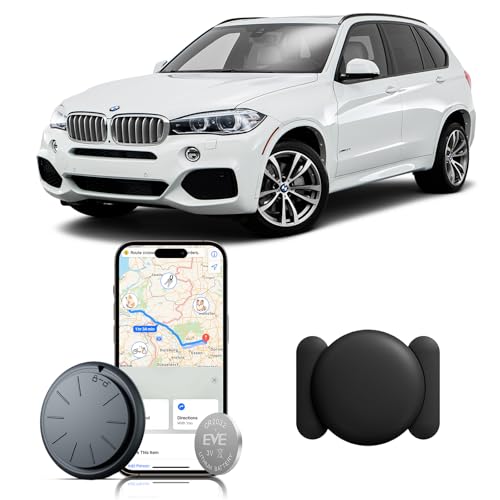 ZFSJTAG Car GPS Tracking Device for Vehicles, 1PCS Real Time GPS Tracker for Car, Work with Find My (iOS Only),Hidden Mini GPS Tracker,No Monthly Fee (Black Tracker, Black Magnetic Case)