Can You Fill a Car With Petrol While the Engine Is Running
Many new drivers wonder about simple things like fueling their car. A common question is, Can You Fill a Car With Petrol While the Engine Is Running? It might seem tricky at first, but it’s actually a pretty straightforward process once you know the facts. We’ll walk you through it step-by-step to make sure you feel confident.
Let’s get your car fueled up safely and easily.
Safety First Can You Fill A Car With Petrol While The Engine Is Running
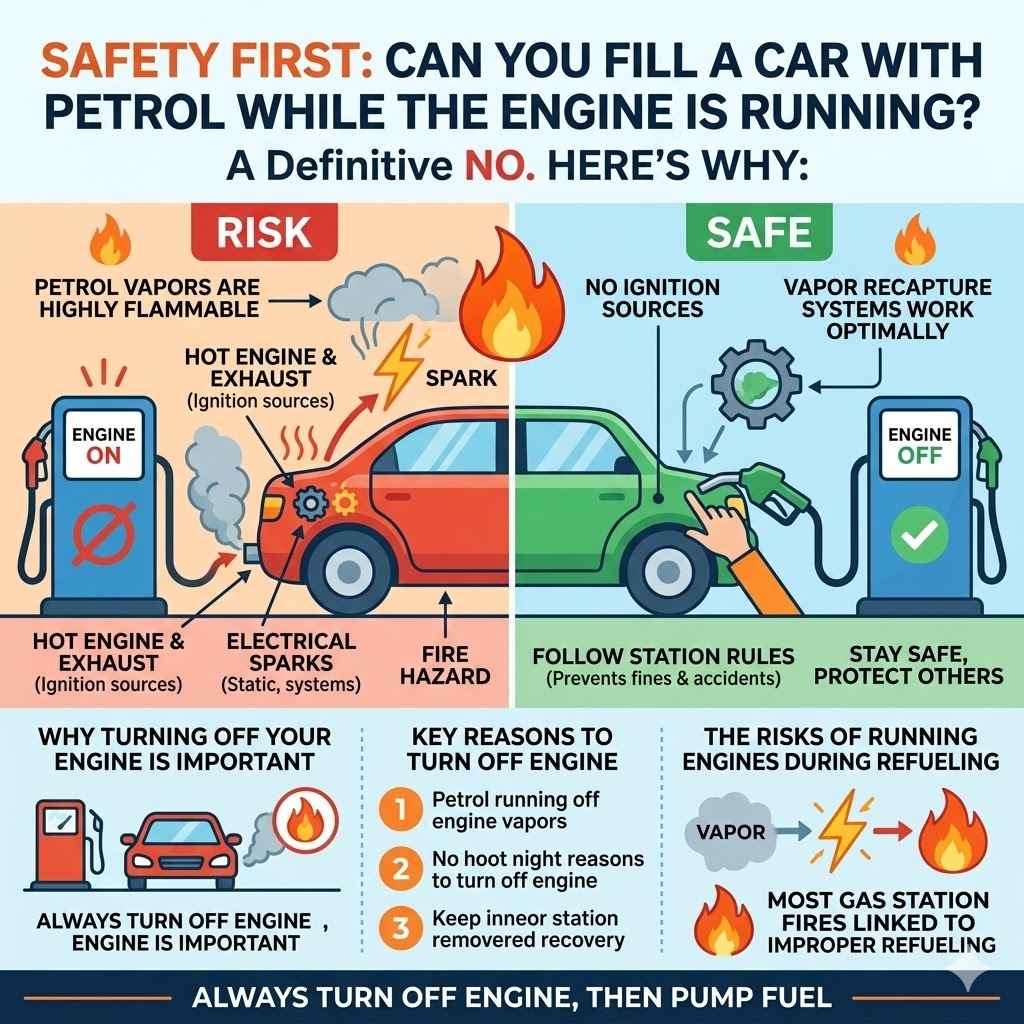
When it comes to fueling your car, safety is the top priority. This is especially true when people ask, Can You Fill A Car With Petrol While The Engine Is Running? The general advice is a clear no, and here’s why. Petrol is highly flammable.
The exhaust system and engine parts on a running car can get very hot. Sparks can happen, and a spark near petrol fumes is a serious fire risk. Most gas stations have rules and signs telling you to turn off your engine before fueling.
Following these rules keeps you, other drivers, and the gas station safe from harm.
Why Turning Off Your Engine Is Important
Turning off your car’s engine before you start pumping fuel is a critical safety step. Engines generate heat, and various parts, like the exhaust manifold, can become extremely hot. Petrol fumes are easily ignited by heat or a stray spark.
Even a small spark from static electricity or the car’s electrical system could cause a fire.
Modern cars also have complex electronic systems. While usually safe, any unexpected electrical activity near flammable fumes poses a risk. It’s a simple action that significantly reduces the chances of a dangerous accident.
Gas stations are designed with safety in mind, and their rules reflect best practices.
Here are the main reasons to always turn off your engine when pumping petrol:
- Fire Hazard: The primary reason is to prevent fires. Petrol fumes are volatile. A running engine means hot components that could ignite these fumes. Static electricity discharge is also a risk, especially in dry weather. Turning off the engine removes a major ignition source.
- Static Electricity: When you get out of your car, you can build up static electricity. Touching the fuel nozzle could create a spark. Turning off the engine, and ideally touching a metal part of your car before touching the nozzle, helps dissipate this charge.
- Vapor Recapture Systems: Modern fuel pumps often have vapor recapture systems. These systems work best when the engine is off. A running engine can disrupt these systems, allowing more fuel vapors to escape into the atmosphere.
- Station Regulations: Almost all fuel stations have rules requiring you to turn off your engine. These are safety regulations designed to protect everyone. Ignoring them can lead to fines or being asked to leave.
The Risks of Running Engines During Refueling
The risks associated with filling a car with petrol while the engine is running are significant and can lead to severe consequences. The combination of a hot engine, potential sparks, and highly flammable petrol fumes creates a dangerous environment. Even a small, seemingly insignificant spark can have catastrophic results.
Consider the science behind it. Petrol is made of hydrocarbons, which are very easy to ignite. When you pump petrol, some of it evaporates, creating invisible but highly flammable vapors.
These vapors can travel a short distance from the fueling point. If there’s an ignition source nearby, such as a hot exhaust pipe, a spark from the car’s electrical system, or even static electricity from your clothes, a fire can start instantly.
Furthermore, some vehicles have emission control systems that can be affected by the engine running. These systems are designed to capture fuel vapors, but a running engine might interfere with their optimal function. This interference could lead to more vapors escaping, increasing the risk of ignition.
It’s a chain reaction where one small oversight can escalate into a major incident.
Statistics show that while fuel fires at gas stations are rare, they do happen. Many of these incidents are linked to improper refueling practices, such as not turning off the engine or smoking. The National Fire Protection Association (NFPA) reports that fuel-related fires at service stations, though infrequent, can be severe.
In the United States, an average of 21 fires occur annually at gas stations, with some resulting in injuries. While not all are directly related to engine running, the underlying cause is often ignition of fuel vapors.
How To Refuel Safely Step By Step
Refueling your car safely is a simple process when you follow a few key steps. This ensures that you avoid any potential dangers and get back on the road quickly and securely. Knowing these steps can put your mind at ease, especially if you’ve been wondering, Can You Fill A Car With Petrol While The Engine Is Running? The answer is still a firm no, but understanding the safe way to do it is empowering.
Preparing Your Vehicle For Refueling
Before you even get to the pump, there are a few things to consider for safe refueling. First, locate a designated fueling spot. Most gas stations have clear lines or signs indicating where to park for fuel.
Once you’re in position, it’s time to prepare your car.
The most crucial step is to turn off your car’s engine completely. You should also engage your parking brake. This prevents the car from accidentally rolling away.
Then, if you’ve been sitting in the car, it’s a good idea to touch a metal part of your car’s body before you touch the fuel nozzle. This helps to discharge any static electricity that might have built up on your body.
Make sure your car doors are closed before you start pumping. Leaving them open can sometimes trap fuel vapors inside the vehicle. Also, check for any “No Smoking” signs around the fueling area and be sure to comply.
These simple preparations make the entire refueling process much safer.
The Refueling Process Explained
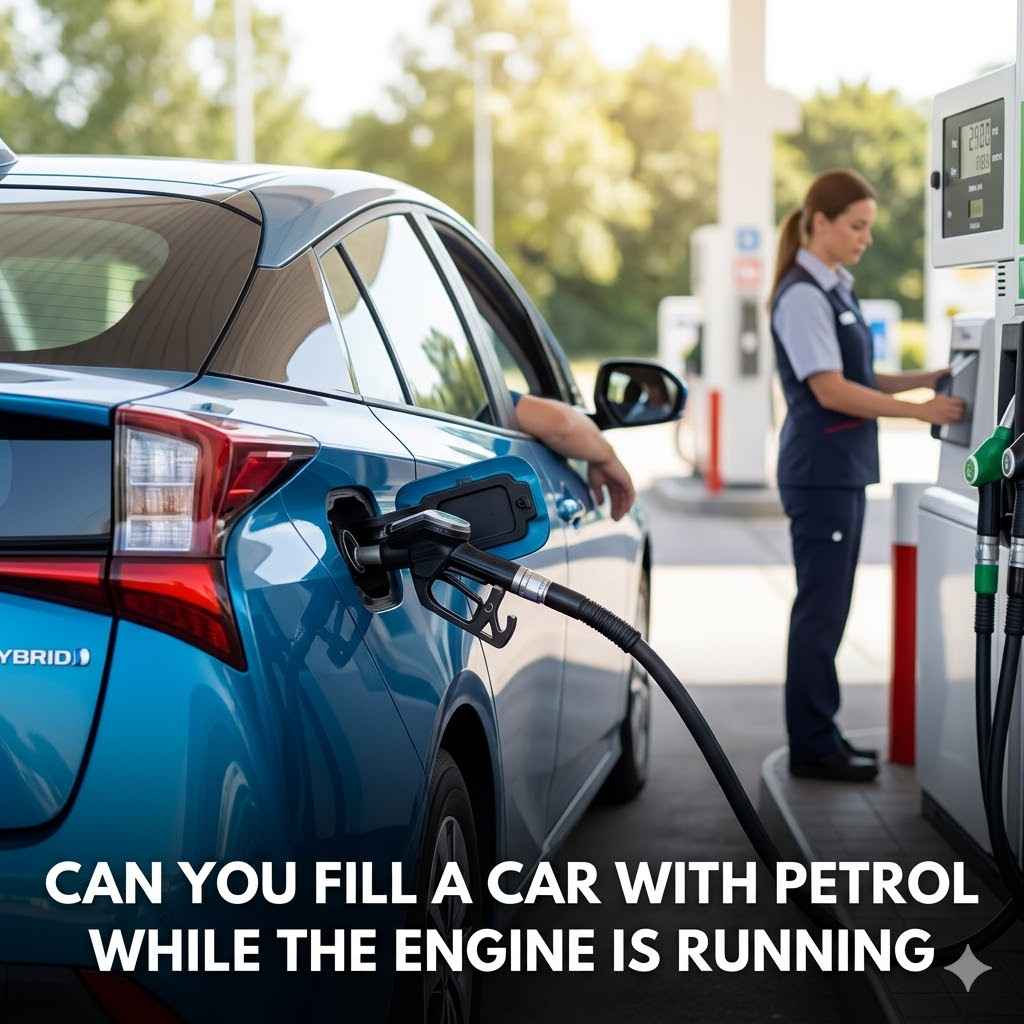
Once your engine is off and you’ve taken precautions against static electricity, you can proceed to the pump. Open your fuel tank door or cap. It’s usually located on the side of your car, and you might need to push a lever inside the car or find a button on the dashboard to release it.
Next, select your fuel type at the pump. Most pumps will prompt you to choose between different grades of petrol or diesel. Follow the instructions on the screen.
Once you’ve selected your fuel, lift the nozzle from its holder. You might need to press a button on the pump to unlock it.
Insert the nozzle firmly into your car’s fuel tank opening. Most nozzles have a trigger to start pumping. Some have a locking mechanism so you don’t have to hold the trigger down the entire time.
Once you’re done, the pump will automatically shut off when your tank is full or when you reach a pre-set amount if you chose that option. Carefully remove the nozzle, hang it back on the pump, and securely replace your fuel cap and tank door.
Post-Refueling Checks
After you’ve finished refueling, there are a couple of final checks to ensure everything is in order. First, double-check that your fuel cap is properly screwed back on or clicked into place. A loose fuel cap can cause your car’s “check engine” light to come on because it affects the car’s emissions system.
Once the fuel cap is secure, close the fuel tank door. Then, carefully start your car’s engine. You’re now ready to drive away.
It’s a good habit to quickly glance at your fuel gauge to confirm the correct amount of fuel has been added.
It’s also wise to be aware of your surroundings. Before pulling away from the pump, check for pedestrians, other vehicles, or any obstacles. Signal your intention to move and drive away slowly and carefully.
These final steps are quick but important for a smooth and safe departure from the fueling station.
Common Misconceptions About Refueling
Even with clear safety guidelines, some confusion persists about refueling, particularly regarding the question, Can You Fill A Car With Petrol While The Engine Is Running? Many people might think it’s fine because they’ve seen it done, or they are in a rush. However, these misconceptions can lead to dangerous situations. Let’s clear up some of the common myths.
Myth 1 The Engine Running Is Not A Fire Risk
A prevalent misconception is that a running engine poses no real fire risk during refueling. People might believe that modern car engines are designed to be safe, or that the risk is exaggerated. However, as discussed, a running engine produces significant heat, especially in its exhaust system.
The exhaust manifold, catalytic converter, and muffler can all reach temperatures high enough to ignite fuel vapors. Moreover, the engine’s electrical system can also produce sparks. Even a seemingly minor spark from the alternator or ignition system could ignite the highly flammable petrol fumes that are released during refueling.
The density of these vapors means they can settle near the hot engine parts.
Static electricity is another factor. When you exit a car, especially in dry conditions, you can accumulate a static charge. Touching the fuel nozzle without grounding yourself can create a spark.
A running engine contributes to the overall electrical activity within the vehicle, potentially increasing this risk. Therefore, the idea that a running engine is not a fire risk is a dangerous myth.
Myth 2 Fuel Pumps Automatically Shut Off So It’s Safe
Another common belief is that because modern fuel pumps have automatic shut-off mechanisms, it’s safe to refuel with the engine running. While automatic shut-off is a vital safety feature, it’s designed to prevent overfilling, not to mitigate ignition risks. The mechanism works by sensing when the fuel level in the tank reaches a certain point, triggering a shut-off.
This shut-off happens after fuel is already flowing and vapors are being released. It doesn’t prevent the initial release of flammable fumes. The danger comes from the potential ignition sources present during the refueling process, not just from overfilling.
If a spark occurs while the fuel is flowing, even for a few seconds, a fire can start.
The automatic shut-off is an important part of safe fueling, but it’s only one part. It does not eliminate the risks associated with a running engine, hot exhaust components, or static electricity. Relying solely on the auto-shutoff without turning off the engine is a critical error in judgment.
Myth 3 It Saves Time And Is More Convenient
Some drivers believe that leaving the engine running saves time and adds convenience, especially during busy periods. They might think that turning the engine off, refuelling, and restarting it takes too long. However, the time saved is minimal, typically only a minute or two, and it comes at the cost of increased safety risks.
The few seconds it takes to turn off the engine, engage the brake, and then restart it are negligible compared to the potential consequences of a fire. Gas stations are designed for a quick refueling process. The added convenience is a false economy when considering the severe danger involved.
In reality, the inconvenience and damage caused by a refueling fire would far outweigh any perceived time savings. It’s about prioritizing safety over a minor time saving. The standard procedure of turning off the engine is the most efficient and safest way to refuel.
Legal And Ethical Considerations
Beyond the immediate safety concerns, there are also legal and ethical aspects to consider when refueling. Understanding these can reinforce the importance of following proper procedures. The question, Can You Fill A Car With Petrol While The Engine Is Running? also touches on our responsibility to others and to adhere to regulations.
Station Policies And Regulations
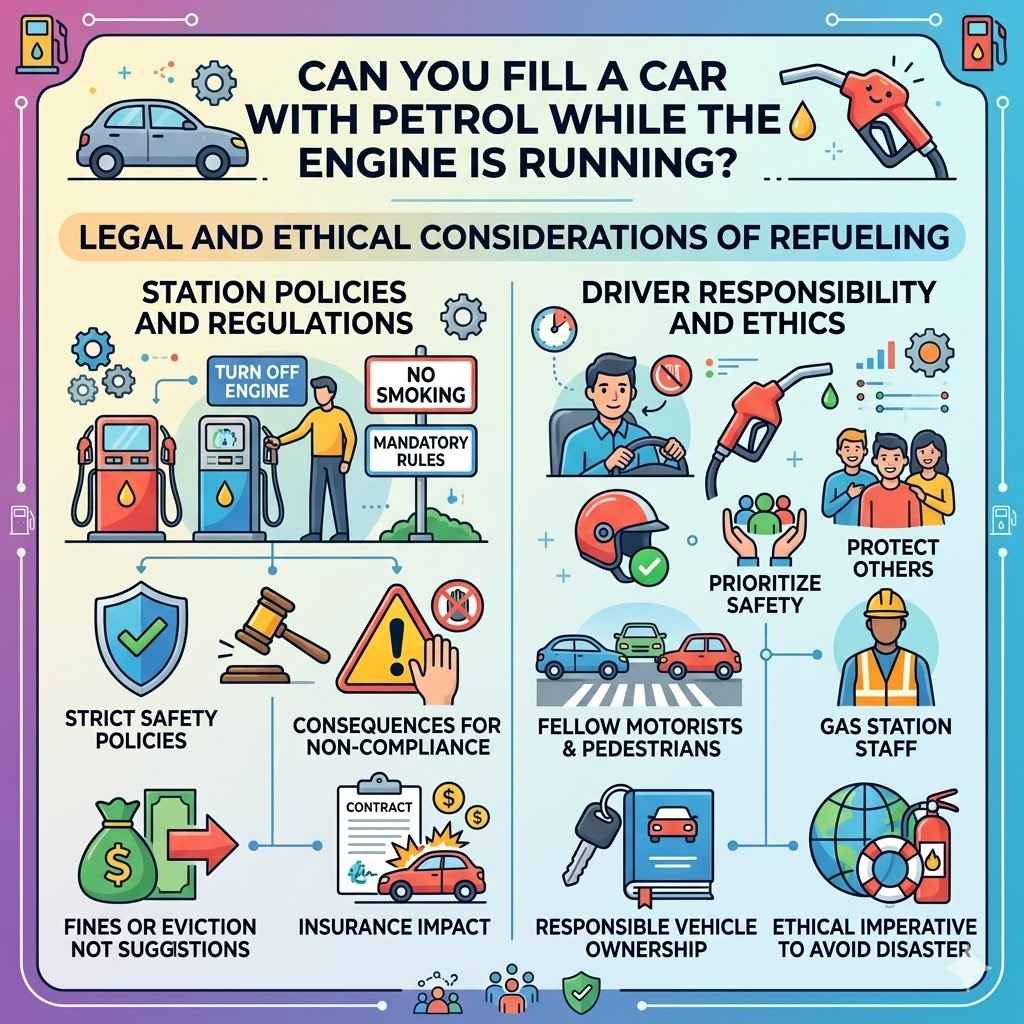
Most fuel stations operate under strict policies set by the station owners and local authorities. These policies are primarily driven by safety regulations. Nearly every gas station will have prominent signs advising drivers to turn off their engines before fueling.
These regulations are not suggestions; they are often mandatory rules. Failure to comply can result in consequences. You might be asked to leave the premises by station staff, or in some jurisdictions, you could face fines.
These rules are in place to protect the public and prevent accidents that could harm people and property.
It’s also worth noting that insurance policies for fuel stations and for drivers may have clauses related to refueling safety. If an accident occurs due to non-compliance with safety rules, insurance coverage could be affected. This highlights the serious nature of these regulations.
Your Responsibility As A Driver
As a driver, you have a responsibility not only for your own safety but also for the safety of others around you. This includes fellow motorists, pedestrians, and the staff at the fuel station. Refueling is a common activity, but it involves handling hazardous materials.
Being informed about safe refueling practices and adhering to them is a crucial part of responsible vehicle ownership. It demonstrates respect for the rules and consideration for the well-being of the community. When you choose to follow safety guidelines, you contribute to a safer environment for everyone.
Think of it this way: if a simple action like turning off your engine can prevent a potential disaster, it is ethically imperative to do so. This is not just about following rules; it’s about making a conscious choice to be safe and to protect others.
Frequently Asked Questions
Question: Is it legal to fill a car with petrol while the engine is running?
Answer: In most places, it is against the law or against fuel station policy to fill a car with petrol while the engine is running. This is for safety reasons.
Question: What happens if I am caught refueling with my engine on?
Answer: You could be asked to leave the fuel station, face a fine, or have your insurance affected if an accident occurs due to non-compliance.
Question: Can static electricity really start a fire at the pump?
Answer: Yes, static electricity can create a spark that ignites fuel vapors. Touching a metal part of your car before touching the fuel nozzle helps reduce this risk.
Question: What should I do if I see someone refueling with their engine running?
Answer: You can politely inform the person about the safety risks or report it to the fuel station attendant if you feel uncomfortable.
Question: Are there any exceptions to turning off the engine when refueling?
Answer: No, there are no safe exceptions to turning off your engine when refueling with petrol or diesel. Safety always comes first.
Summary
The question Can You Fill A Car With Petrol While The Engine Is Running? has a clear answer: no. The risks of fire from hot engine parts, sparks, and flammable fumes are too great. Always turn off your engine, engage the brake, and discharge static electricity before fueling.
Follow station rules to stay safe and responsible.