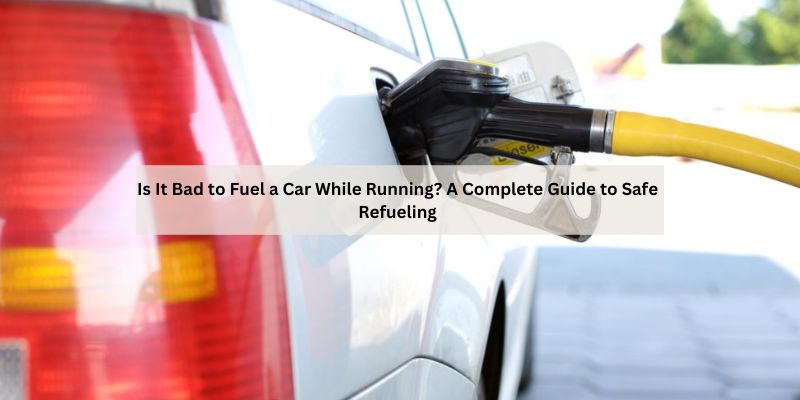
Is It Bad to Fuel a Car While Running? A Complete Guide to Safe Refueling
Hey there, friend! Have you ever pulled up to a gas station, ready to fill up your car, and wondered, is it bad to fuel a car while running? I’ve been there, sitting at the pump, engine idling, debating whether to turn it off or just keep it going.
It’s a question that pops up for a lot of us, especially when we’re in a rush. Over the years, I’ve dug into this topic, talked to mechanics, and even tested it myself (safely, of course!). I’m here to share everything I’ve learned about fueling a running car, why it’s a hot topic, and how to refuel safely. Whether you’re a new driver or a seasoned road warrior, this guide will give you the lowdown in a way that’s easy to understand. Let’s dive in!
Quick Answer
Most states enforce the International Fire Code, which requires engines to be shut off during fueling, and studies show the real fire risk comes mostly from static electricity discharge, not the running engine itself. Modern cars have sealed fuel tanks and vapor recovery nozzles that make fires from a running engine extremely rare, but turning the engine off removes even that small risk, saves fuel that would otherwise be wasted idling, and keeps you compliant with gas station and local fire-code rules.
Why Do People Fuel Their Car While It’s Running?
Picture this: you’re late for work, the gas light’s been on for miles, and you finally make it to the pump. Turning off the engine feels like one more step you don’t have time for. I’ve been guilty of this, especially on chilly mornings when I didn’t want to lose the heat. Some folks keep the engine running for convenience, to keep the AC or radio on, or because they think it’s no big deal. But is it safe, or are we risking something by skipping that key turn? Let’s break it down.
What Happens When You Fuel a Running Car?
When your car’s engine is running, it’s burning fuel, creating heat, and generating small electrical sparks in the ignition system. The fuel pump is active, and the alternator is charging the battery. At the gas station, you’re pumping flammable gasoline vapors into the tank, which can escape into the air. The concern is whether the running engine increases the risk of those vapors igniting or causing other issues.
I used to think the risk was overstated, like an old wives’ tale. But after looking into it, I realized there’s more to consider than just sparks. The engine’s heat, the fuel system’s pressure, and even static electricity all play a role. Let’s explore the potential risks.
Potential Risks of Fueling a Car While Running
Fueling a running car isn’t as dangerous as it was once thought, but there are still risks worth knowing. Here’s what I’ve learned from my own experience and research:
Fire Hazard from Gasoline Vapors
Gasoline vapors are highly flammable. A running engine produces heat and small electrical charges, which could, in theory, ignite those vapors. I remember hearing stories about gas station fires caused by running engines, but studies show this risk is low. Modern cars have vapor recovery systems that capture most of the fumes, and gas pumps have safety features to reduce vapor escape. Still, it’s not zero risk, especially with older vehicles.
Static Electricity Sparks
This one surprised me. Static electricity, not the engine, is a bigger fire risk at the pump. I’ve felt that little zap when touching the car door after sliding out of my seat. That static spark can ignite gasoline vapors if conditions are just right. Keeping the engine running doesn’t directly cause static, but it keeps the car’s electrical system active, which some worry could add to the risk. I always touch the metal frame of the car before grabbing the pump to discharge any static.
Fuel System Pressure Issues
When the engine’s running, the fuel pump is active, creating pressure in the fuel lines. Pumping gas into a pressurized system can sometimes cause fuel to splash back or spill. I had this happen once with an old truck—gas sputtered out when I removed the nozzle. Turning off the engine lets the system depressurize, making refueling smoother and safer.
Environmental Impact
Leaving the engine running while fueling burns extra gas and releases emissions. It’s not a huge deal for one car, but multiply that by millions of drivers, and it adds up. I try to be mindful of my carbon footprint, so turning off the engine feels like a small win for the planet.
Legal and Gas Station Rules
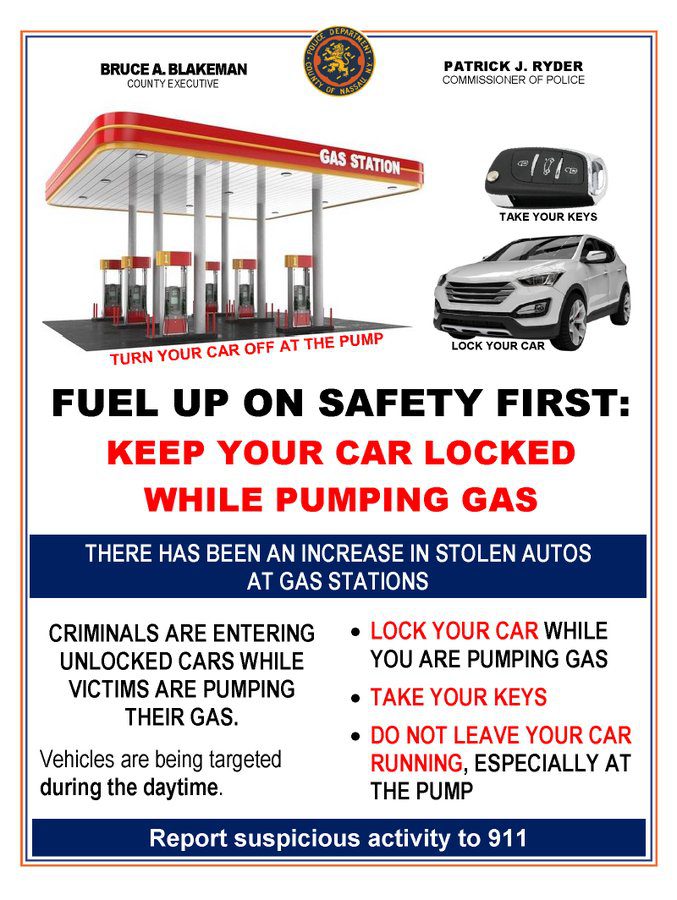
Here’s something I didn’t know at first: many gas stations in the U.S. have signs telling you to turn off your engine while fueling. In some states, it’s even the law. I’ve seen attendants politely ask drivers to shut off their engines. Ignoring these rules could get you a warning or, in rare cases, a fine. Plus, it’s just courteous to follow the station’s guidelines.
Is It Really Dangerous? What Studies Say
Back in the 1990s, there was a myth that cell phones could ignite gasoline vapors at pumps. That got me thinking about whether running engines were a similar urban legend. I dug into some research, and here’s the deal: studies by the Petroleum Equipment Institute and others found no significant fire risk from running engines during refueling. Modern cars have safety systems like sealed fuel tanks and vapor recovery nozzles that make fires extremely rare.
That said, the risk isn’t zero. I’ve read about rare cases where spills or faulty equipment led to small fires. The National Fire Protection Association still recommends turning off the engine as a precaution. Better safe than sorry, right?
Comparing Fueling with Engine On vs. Off
To make this clearer, here’s a table based on my experience and what I’ve learned:
| Aspect | Engine On | Engine Off |
|---|---|---|
| Fire Risk | Slightly higher due to heat and electrical activity | Lower, as no heat or sparks from engine |
| Static Electricity | No significant difference | No significant difference |
| Fuel System Pressure | May cause splashing or spills | Depressurized, smoother refueling |
| Environmental Impact | Burns extra fuel, more emissions | No extra fuel burned, eco-friendly |
| Convenience | Keeps AC, radio, or heat running | Requires restarting, brief inconvenience |
| Gas Station Rules | May violate station or local laws | Complies with most regulations |
I used to leave my engine on for convenience, but now I turn it off. The extra 10 seconds to restart is worth the peace of mind.
Safe Refueling Practices
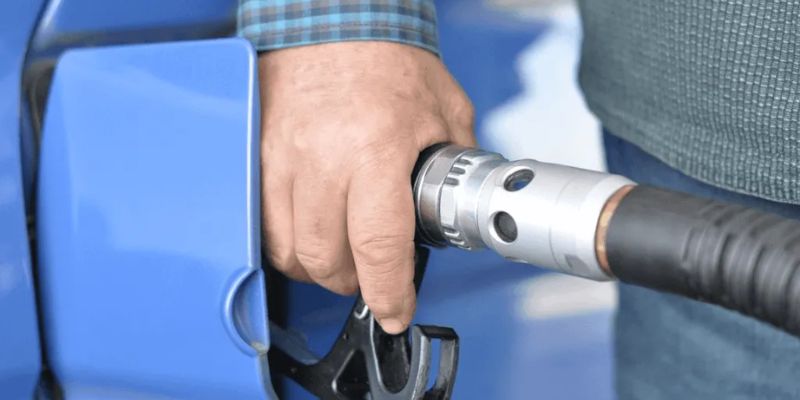
Whether you keep the engine running or not, safe refueling is key. Here’s how I fuel my car to stay safe:
- Turn Off the Engine: I always shut off the engine to reduce any risk and follow gas station rules.
- Avoid Static Sparks: Touch the car’s metal frame before grabbing the pump to discharge static. I also avoid getting in and out of the car while fueling.
- Don’t Overfill: Stop when the pump clicks off. Overfilling can cause spills, which are a fire hazard.
- Use the Right Fuel: Check your owner’s manual for the correct octane. Using the wrong fuel can harm your engine.
- Stay Alert: Don’t walk away or use your phone. I’ve seen people get distracted and cause spills.
- Check for Leaks: If you smell gas or see a spill, notify the attendant immediately.
I’ve followed these steps for years, and they’ve kept me safe at the pump. It’s all about forming good habits.
Does Fueling with the Engine Running Hurt Your Car?
This was a big question for me. Could leaving the engine on while fueling damage my car? From what I’ve seen, it doesn’t directly harm the engine or fuel system. The fuel pump and lines are designed to handle pressure, and modern cars have safeguards to prevent issues. However, repeated splashing or overfilling could stress the fuel system over time, especially in older cars.
I had an old sedan that didn’t like being fueled while running—it would sputter when I started driving again. Turning off the engine solved the problem. For most modern cars, though, it’s not a big deal mechanically. Still, I turn off the engine to avoid any potential hiccups.
Special Cases: When It Might Be Okay to Keep the Engine Running
There are rare situations where leaving the engine on makes sense. For example, in extreme cold, some diesel trucks need to stay running to prevent fuel gelling. I’ve also heard of emergency vehicles keeping engines on for quick getaways. But for most of us driving regular cars, these exceptions don’t apply. I always ask myself, “Is it worth the risk?” Usually, the answer is no.
Myths and Misconceptions About Fueling a Running Car
There are plenty of myths floating around about refueling. Here are a few I’ve come across:
- Myth: Running the engine always causes fires. Truth: Studies show the risk is minimal with modern cars and pumps.
- Myth: You need to keep the engine running to maintain fuel pressure. Truth: The fuel system is fine when the engine’s off.
- Myth: Static from cell phones is a big risk. Truth: Cell phones don’t ignite gasoline vapors, but static from your body can.
I used to believe some of these, but learning the facts helped me make smarter choices at the pump.
Environmental and Cost Considerations
Leaving the engine running while fueling isn’t just about safety—it’s also about waste. Idling burns about 0.1 to 0.5 gallons of gas per hour, depending on your car. That might not sound like much, but it adds up over time. I calculated that if I idle for 5 minutes every time I fuel up, I could waste a gallon of gas a year. Plus, idling pumps out extra CO2, which isn’t great for the environment.
Turning off the engine saves a few cents per fill-up and reduces emissions. It’s a small change that makes a difference, and I feel good about doing my part.
What Do Gas Stations and Laws Say?
Most gas stations in the U.S. have signs asking you to turn off your engine. I’ve seen these at every major chain, from Shell to Chevron. In states like California and New Jersey, it’s illegal to fuel with the engine running, though enforcement is rare. I once got a polite reminder from a gas station attendant when I forgot to turn off my engine. It’s not worth arguing—just flip the key and keep the peace.
My Personal Experience with Fueling a Running Car
I’ll be honest: I used to fuel my car with the engine running all the time. It was convenient, especially in summer when I wanted the AC blasting. But one day, I noticed a small fuel spill when I pulled the nozzle out. It got me thinking about the risks. After researching and talking to a mechanic friend, I decided to always turn off the engine. It’s become second nature now, and I don’t miss the convenience. The few seconds it takes to restart the car are nothing compared to the safety and savings.
Tips for New Drivers
If you’re a new driver, fueling up can feel overwhelming. Here’s what I tell my friends who are just starting out:
- Take Your Time: Don’t rush at the pump. Follow the steps and stay focused.
- Learn Your Car: Check your manual for the right fuel type and tank capacity.
- Practice Static Safety: Touch the car’s metal before the pump to avoid sparks.
- Ask for Help: If you’re unsure, gas station attendants are usually happy to guide you.
I remember my first time fueling up—I was nervous about doing it wrong. But with practice, it’s as easy as pie.
Maintaining Your Car’s Fuel System
Fueling safely is just one part of keeping your car happy. Here’s how I take care of my fuel system:
- Use Quality Fuel: Stick to reputable gas stations to avoid contaminated fuel.
- Check for Leaks: If you smell gas or see drips, get your car checked.
- Replace the Fuel Cap: A loose or damaged cap can let vapors escape.
- Clean the Fuel System: I use a fuel system cleaner every 10,000 miles to keep things running smoothly.
These habits have kept my cars running great, and they make fueling up worry-free.
Conclusion: Fuel Smart, Stay Safe
So, is it bad to fuel a car while running? After years of driving, researching, and learning from my own mistakes, I’d say it’s not worth the risk. While modern cars and gas pumps make fires unlikely, turning off the engine eliminates even the smallest chance of trouble. It’s also kinder to your wallet and the environment, and it keeps you on the right side of gas station rules. I’ve made turning off my engine a habit, and it’s given me peace of mind every time I fill up. Whether you’re a new driver or a car enthusiast like me, I hope this guide helps you fuel up safely and confidently. Next time you’re at the pump, take that extra second to turn off the key—it’s a small step for a safer, smoother ride. Happy driving!
FAQs
Is it dangerous to fuel a car while the engine is running?
It’s not highly dangerous, but there’s a small risk of fire from gasoline vapors or static sparks. Turning off the engine reduces this risk and follows gas station rules.
Does fueling with the engine running hurt my car?
It’s unlikely to damage modern cars, but it can cause fuel splashing or spills due to system pressure. Turning off the engine makes refueling smoother.
Why do gas stations ask you to turn off the engine?
Gas stations want to minimize fire risks from gasoline vapors and ensure safety. Some states also have laws requiring engines to be off during fueling.
Can static electricity ignite gasoline?
Yes, static sparks from your body can ignite gasoline vapors in rare cases. Touch the car’s metal frame before grabbing the pump to discharge static.
Does leaving the engine running while fueling waste gas?
Yes, idling burns a small amount of fuel—up to 0.5 gallons per hour. Turning off the engine saves gas and reduces emissions.
Are there times when it’s okay to fuel with the engine running?
In rare cases, like extreme cold for diesel vehicles, it might be necessary. For most cars, though, it’s safer and better to turn off the engine.
Products related to this article
Sponsored / affiliate links. As an Amazon Associate I earn from qualifying purchases. I may earn additional commission from eligible campaigns.