How to Get Your Car Out of Impound Without a License
Yes, you can get your car out of impound without a driver’s license, as long as you’re the registered owner – but in most places you still won’t be the one driving it off the lot. You’ll need a valid photo ID (it doesn’t have to be a driver’s license), proof that you own the car, and either a licensed driver, a notarized letter authorizing someone else to pick it up, or a towing service to haul it away for you.
Exact requirements vary by city and state, and by the reason your car was impounded in the first place. A car towed for expired registration or illegal parking is usually released the same day once you pay the fees and show ownership. A car impounded specifically because you were driving without ever having a license, or on one that’s suspended or revoked, can trigger a mandatory hold of up to 30 days in some states, regardless of how fast you show up with cash. This guide covers what actually gets a car released, plus that exception, so you know which situation you’re in before you head to the lot.
Why Cars End Up in Impound
Cars get impounded for a range of reasons, and the reason matters because it often determines exactly what you’ll need to bring and how quickly the lot can release the vehicle. The most common triggers are illegal or abandoned parking, unpaid parking tickets, a collision where the car couldn’t be safely left where it was, expired or missing registration, a vehicle tied to a police investigation, and being pulled over while driving with a suspended license or no license at all.
| Fee Type | Typical Range |
|---|---|
| Towing Fee | $100 – $250 |
| Daily Storage | $20 – $50 per day |
| Release Fee | $75 – $150 |
| Administrative Fee | $30 – $100 |
These are rough national ranges, not a quote. The actual bill depends on your city, which towing company holds the contract, and how many days the car sits before you pick it up – storage fees add up fast, so ask the lot for an itemized breakdown before you agree to pay anything.
KEEP THESE ON HAND
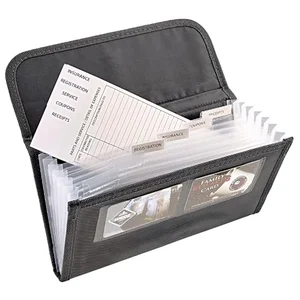 |
High Road Glove Box Organizer – $12.99 Impound lots ask for your title, registration, and insurance card – not being able to find them on the spot is one of the most avoidable delays.
|
What You Actually Need to Bring (a Driver’s License Isn’t on the List)
Every impound lot in the country asks for two things before releasing a car: proof of who you are, and proof you’re allowed to have it. Neither one has to be a driver’s license.
- A valid photo ID – a state ID card or passport works in most places. Some states accept alternatives too; Texas, for example, will take a matrícula consular, an ITIN card, or a foreign passport if you don’t have a U.S.-issued ID.
- Proof of ownership – the vehicle’s title, current registration, or a bill of sale if you just bought the car. Most lots will only release a vehicle to its registered owner, so this document matters more than your ID does.
- Proof of insurance – many lots want to see this before release, since driving (or towing) an uninsured car off the lot can create a separate violation.
- Payment for the fees owed – see the fee table above for typical ranges.
You Usually Can’t Drive It Away Yourself – Here’s What Actually Works
Being the owner gets your car released to you. It doesn’t automatically let you drive it off the lot if you don’t have a valid license – most impound facilities won’t let an unlicensed person get behind the wheel on their property, for liability reasons. That leaves three realistic options.
Bring a Licensed Driver With You
The simplest option: ask a friend or family member with a valid license to come with you. You handle the ID, ownership documents, and payment as the owner; they drive the car away once it’s released. Confirm they’re willing ahead of time and make sure they bring their own license.
Send Someone Else With a Notarized Authorization Letter
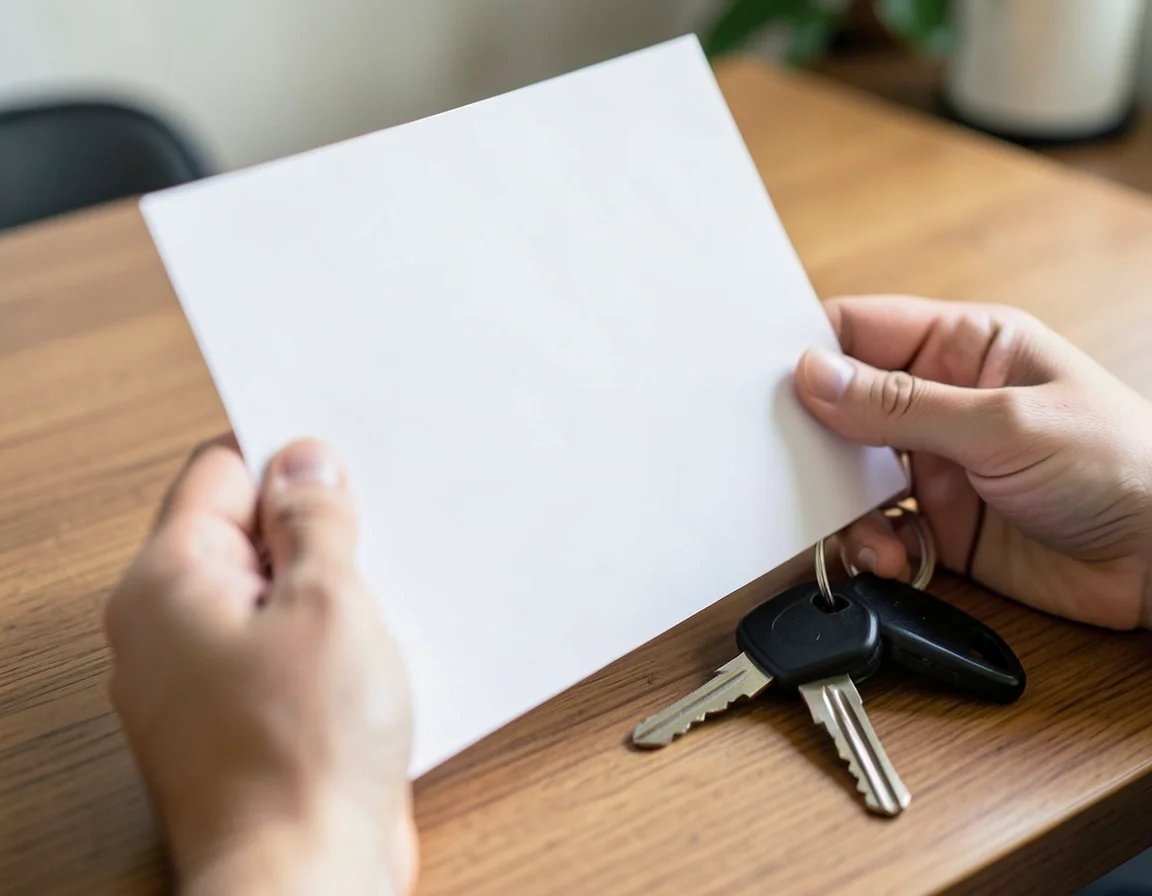
If you can’t go in person at all, most impound lots will release the car to someone else if you provide a notarized Vehicle Release Authorization letter. This is a short statement, signed in front of a notary, that names the person you’re authorizing, includes your vehicle’s VIN, and is accompanied by a copy of your own photo ID. The person picking up the car still needs their own valid ID and, in most cases, their own driver’s license to drive it away. Requirements for exactly what the letter must say vary by lot, so call ahead and ask what wording they’ll accept.
Have It Flatbed-Towed Instead of Driven
A licensed towing company can pick up your car and deliver it to your home on a flatbed, so nobody has to drive it out of the lot at all. You’ll typically still need to be present, or send someone with your ownership documents and payment, to authorize the release – but once that’s done, the tow company handles the rest. It costs more than driving it away yourself, but it removes the licensed-driver requirement entirely.
The Exception That Trips People Up: License-Based Impounds
If your car wasn’t impounded for parking or paperwork, but specifically because you were caught driving without ever having a license, or on one that was suspended or revoked, the rules can be very different. In California, for example, Vehicle Code §14602.6 allows police to impound a vehicle for a mandatory 30-day hold in exactly this situation – and simply showing up with your ID, ownership documents, and full payment does not automatically get it released early. Early release under that law is limited to specific circumstances, such as the driver having since reinstated their license, the vehicle being driven by an unlicensed employee of a business under a lawful arrangement, or an administrative review finding you had no reasonable way of knowing the driver was unlicensed.
One common piece of advice worth correcting: a “temporary permit” from the DMV is not a way around a missing driver’s license. A DMV temporary operating permit exists for a completely different problem – it lets you legally drive a vehicle that’s impounded or flagged for expired or improper registration while you sort out new plates. It has nothing to do with driving privileges for a person who has no license at all. If your impound is license-related rather than registration-related, that permit won’t help you.
Because these rules differ so much by state and even by city, call the impounding agency or your local DMV directly and ask two specific questions: whether your car qualifies for a mandatory hold given the reason it was towed, and if so, whether an early release or administrative review is available to you.
How to Find Where Your Car Was Taken
Contact local authorities first – the police department or parking enforcement office that ordered the tow can tell you the exact address and confirm your car is actually there. Be ready to give your license plate number and the approximate location and time your car was picked up. Some cities also run an online “find my towed vehicle” lookup tool where you can search by plate number, which can save you a call. For a step-by-step walkthrough of tracking down which company towed your car, see our guide on how to find what towing company took your car.
What Happens When You Arrive at the Lot
Bring every document listed above, along with a form of payment. Check with the lot ahead of time on what they accept – most take cash, debit, and credit cards, though some don’t take checks. Arrive during business hours and expect some wait time, especially at busy municipal lots.
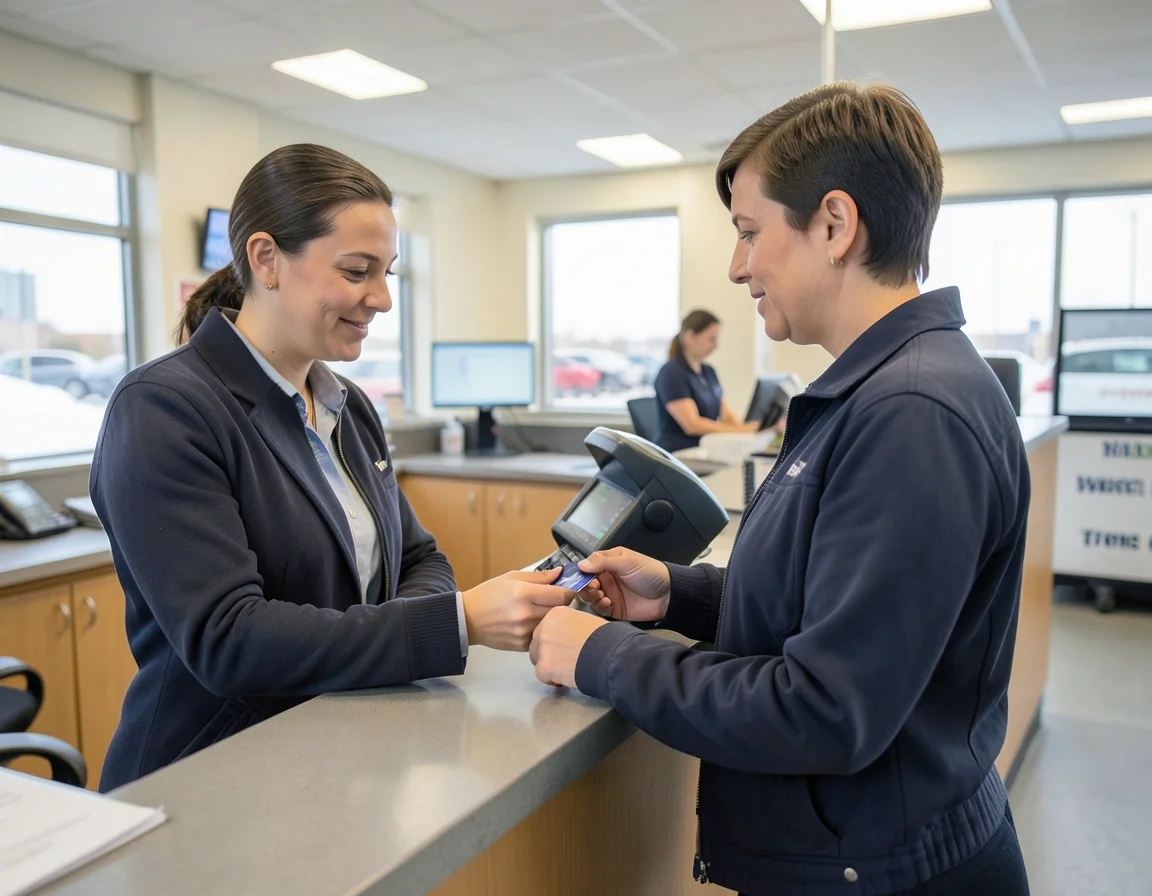
Explain your situation clearly to the staff and ask what their specific process is for release without a driver’s license present. Pay the fees, which typically include towing, storage, and a release or administrative fee. Keep every receipt – you may need them if you dispute a fee later or if the impound is connected to a court case.

After You Get Your Car Back
Once your car is released, check it over before you leave the lot. Look for new damage or missing items, confirm all the windows and doors are secure, and make sure you have both your key and your paperwork before you go.
If the reason your car was impounded also created a legal issue – a lapsed registration, an insurance gap, or an unpaid ticket – deal with that promptly so you don’t end up back at the same lot. If your case involved a suspended or missing license specifically, talk to a local attorney or your state’s DMV about what’s required to legally drive again.
Frequently Asked Questions
How Do I Get Someone Else’s Car Out of Impound?
You’ll typically need the registered owner’s proof of ownership (title or registration), your own valid photo ID, and a notarized authorization letter from the owner naming you as the person allowed to pick up the vehicle. Call the specific impound lot first, since exact requirements vary.
What Do I Need to Get My Vehicle Out of Impound in Texas?
In Texas, you’ll need a government-issued photo ID (a matrícula consular, ITIN documentation, or foreign passport is accepted if you don’t have one), proof of ownership, and proof of insurance, plus payment for the towing and storage fees. Confirm exact requirements with the specific facility, since they can vary by city.
Do Tow Truck Drivers Need a License?
Yes. The tow truck driver who transports your car needs a valid license to operate the tow vehicle. That’s separate from the impound lot’s requirements for you as the owner picking up your car – you don’t need a driver’s license to be the person authorizing the release.
What Do Police Do With Impounded Cars?
Police typically store impounded cars in a secure, fenced lot, either one they operate directly or one run by a contracted towing company. If a car goes unclaimed past the jurisdiction’s hold period, it’s usually sold at auction to cover the accumulated towing and storage fees.
Can I Get My Car Out of Impound Without Proof of Insurance?
It depends on the lot. Many facilities require proof of current insurance before releasing a vehicle, since driving or towing an uninsured car off the property can create a separate legal issue. If your insurance lapsed, contact your provider for a replacement card, or ask the lot directly whether they’ll accept an alternative.
Can Someone Pick Up My Car From Impound Without Me There?
Yes, in most cases. Provide the impound lot with a notarized Vehicle Release Authorization letter naming that person, along with a copy of your photo ID and your ownership documents. The person you send will still need their own ID, and usually their own driver’s license, to drive the vehicle away.
Products related to this article
Sponsored / affiliate links. As an Amazon Associate I earn from qualifying purchases. I may earn additional commission from eligible campaigns.