Can You Repair an Auto Transmission? Yes, Sometimes
Yes, many automatic transmissions can be repaired if the fault is fluid, a solenoid, valve body, sensor, or external seal; a rebuild or replacement is usually smarter when hard-part wear, burnt fluid, or no-reverse points to internal damage. Delay can turn a fixable shift complaint into a full failure and a much larger bill. This guide explains which symptoms point to service, repair, rebuild, or replacement.
Can you repair an automatic transmission?


Often, yes. An automatic transmission can be repaired when the problem is outside the hard parts, such as low or dirty fluid, a leaking seal, a failed solenoid, a valve body issue, or an electrical fault. Once clutches, bands, gears, or the torque converter have serious wear, repair may no longer be the economical choice.
What “repair” can mean
Repair does not always mean rebuilding the whole unit. It may mean correcting fluid level, fixing a leak, replacing a sensor, cleaning or replacing a valve body component, or servicing contaminated fluid. Because an automatic transmission depends on fluid pressure and hydraulics, a small fluid problem can produce symptoms that look much worse than the actual damage.
A technician should road test the vehicle and check for external damage or leaks before recommending a flush or a repair. If fluid looks acceptable, a qualified service technician should check the vehicle soon rather than letting the complaint spread into a more expensive failure.
When repair makes sense and when replacement starts to make more sense
Repair makes sense when the complaint is limited, repeatable, and tied to serviceable parts. Replacement or rebuild starts to make more sense when the transmission has burnt fluid, persistent slipping after correct service, no reverse, grinding, or complete loss of drive. Those are harder signs of internal wear.
A common first-timer mistake is replacing the transmission computer before checking for a damaged solenoid harness. If the unit has worn clutches or damaged bands, fresh fluid will not restore the lost friction material. It may make the symptoms easier to notice because the transmission can no longer hide the failure with dirty, thickened fluid.
The short answer for drivers with shifting or delay symptoms
If the problem is rough shifting, delay, or light slipping, start with fluid condition, fluid level, and leaks. If the problem is no reverse, grinding, or a brief stall after selecting gear that keeps coming back, it may point to a deeper diagnosis. That sequence keeps you from paying for service that cannot solve the fault.
📊 The page recommends transmission service every 30,000 miles. Source: Serviceproautorepair.
Automatic transmission symptoms and likely causes
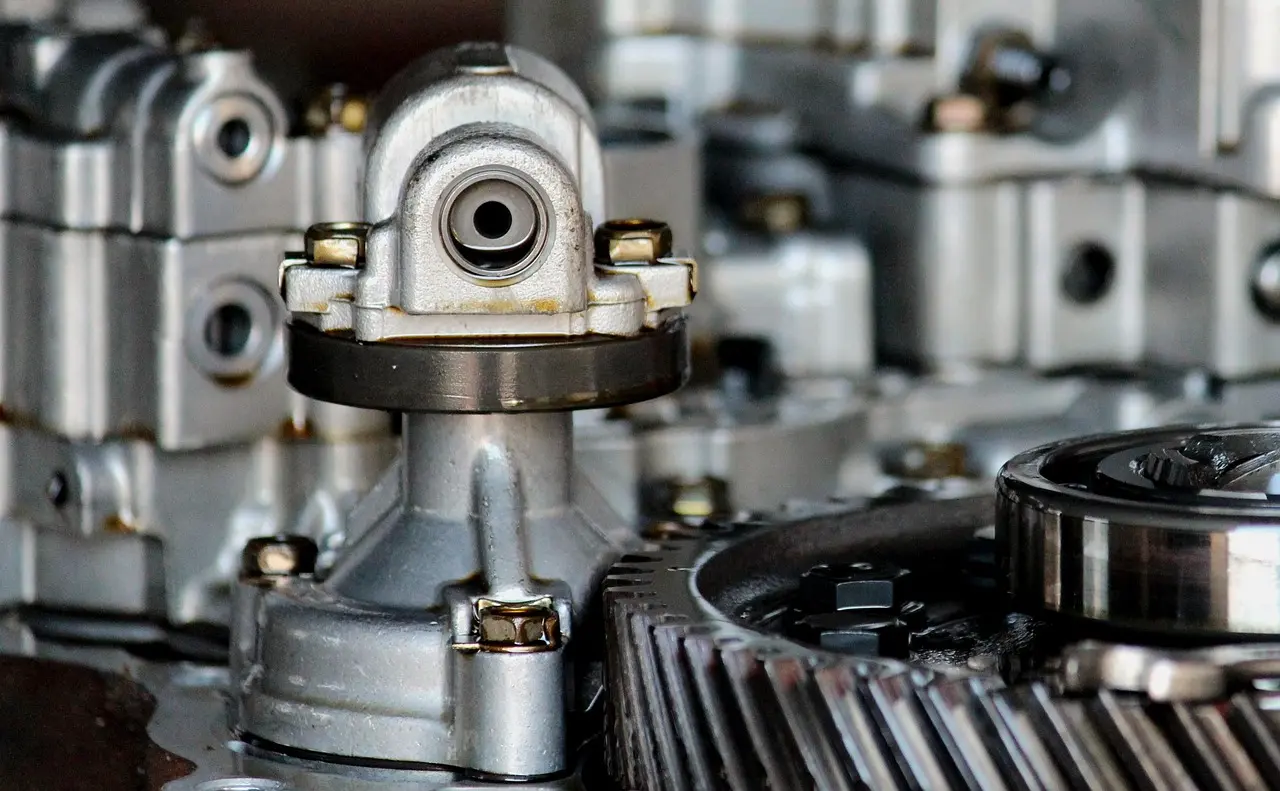
Automatic transmission symptoms are useful only if you separate fluid-related behavior from hard failure. Dirty or low fluid can cause grinding or strange sounds, shifting too quickly or too late, slipping gears, surging, and a delay in vehicle movement. Internal wear can create the same complaints, so the pattern matters.
Rough shifting, slipping, surging, and delayed engagement
Dirty fluid can make gears change too quickly or too late. It can also reduce hydraulic power enough to cause slipping gears, and that can feel like the engine revs climb without a clean gear change. Surging may feel like the vehicle jumps forward and backward instead of moving smoothly.
Delay in vehicle movement may appear as a one- or two-second stall after shifting into gear. If the delay improves after a fluid correction, the problem may have been service-related. If the delay remains after the correct fluid is confirmed, the issue may be internal.
Grinding or strange noises
Dirty transmission fluid can cause grinding or strange sounds. Noise that changes with gear selection can point to hydraulic trouble, while a noise that continues in every range can suggest more serious mechanical wear. Noise alone does not prove failure, but it should move the diagnosis away from guesswork.
No reverse and other hard-failure clues
No reverse is a harder warning sign than a mild shift complaint. If reverse is gone, and forward gears are also slipping or delayed, the transmission may have clutch, band, or valve body damage. A complete loss of drive is a red flag that often points to rebuild or replacement rather than fluid service.
Suppose a sedan starts hesitating for two seconds before moving into Drive, but reverse still works and the fluid is dark brown. That pattern can fit a service issue or an internal wear issue. If the same vehicle later loses reverse after a correct fluid check, the repair conversation changes fast.
Transmission fluid checks before service
Before you approve work, check transmission fluid color, smell, and contamination, then confirm the level the way the vehicle procedure calls for it. On many vehicles, that means checking with the engine running. Bright red fluid is generally more acceptable, while brown or black fluid, sludge, or a burnt smell points toward trouble.
Check color, smell, and contamination
Look for bright red fluid versus brown or black fluid. Dark, dirty fluid can carry debris and sludge that interfere with hydraulic operation. A contaminated fluid sample is not proof of internal failure, but it is strong evidence that the transmission has been operating in poor conditions for some time.
If the fluid is foamy, gritty, or full of sludge, do not treat that as a simple top-off problem. Contamination can block passages, disturb pressure control, and worsen shifting complaints. That is one reason many shops recommend service every 30,000 miles.
Check the level with the engine running if the procedure calls for it
Many automatic transmissions must be checked with the engine running, because the pump and hydraulic circuits need operating conditions to give an accurate reading. A low reading can mimic major failure. An overfilled case can also cause bad shift behavior, aeration, and noise.
Use the correct procedure for the vehicle. Some units are checked hot, some at idle, and some with a specific selector position. The point is simple: the level check must match the design, or the reading can mislead the diagnosis.
Look for leaks, damaged lines, and visible pan problems
Before any flush or repair, inspect the unit for external damage or leaks. Check the case, pan, cooler lines, fittings, and the area around the transmission for wetness or impact damage. A leaking line can cause low pressure, and low pressure can imitate internal failure.
Do not skip visible damage at the pan or line connections. A bent cooler line or crushed pan can be the whole problem. Fixing that is much cheaper than authorizing internal work on a transmission that is otherwise serviceable.
Transmission repair decision matrix
This matrix helps separate fixable service issues from signs that usually mean rebuild or replacement. It is not a substitute for diagnosis, but it gives you a cleaner approval point before you authorize work. Use it with the fluid check, road test, and leak inspection.
| Symptom | Likely fixable causes | Red-flag causes that usually mean rebuild or replacement |
|---|---|---|
| Rough shifting | Low or dirty fluid, incorrect fluid level, sticking solenoid, valve body issue | Burnt fluid, worn clutches, damaged bands, internal pressure loss |
| Slipping gears | Low fluid, contaminated fluid, leak, hydraulic pressure issue | Persistent slip after correct fluid service, clutch pack wear, hard-part damage |
| Surging | Dirty fluid, valve body control problem, sensor issue | Severe internal wear, loss of hydraulic control, repeated shudder after service |
| Delay in vehicle movement | Low or dirty fluid, clogged filter, external leak, solenoid fault | One- or two-second stall that persists, no drive engagement, worn clutches |
| Grinding or strange sounds | Contaminated fluid, low fluid, damaged cooler line, poor pressure control | Metal contamination, burnt fluid, internal bearing or gear damage |
| No reverse | Shift linkage issue, electrical fault, valve body fault | Reverse clutch failure, major internal damage, complete loss of drive |
Is a flush enough or do you need more?
A flush can be enough when the problem is old or dirty fluid and the unit still has good mechanical health. A drain and refill is less complete. It removes only about 20% to 40% of total fluid and leaves behind most contaminants. If the transmission already has internal wear, neither service will fix it.
What a transmission flush does
A transmission flush removes all oil in a transmission using a special machine. A complete flush can replace 100% of used oil with synthetic fluid, and some shops include torque converter fluid in the exchange. That matters because contaminated fluid often lives throughout the system, not only in the pan.
Flush machines typically connect to the cooler lines. The machine pushes old fluid out and new fluid in through the fluid path the transmission already uses. The BG PF5 Power Flush and Fluid Exchange System is an advanced flushing machine the shop says it uses for that process.
How drain-and-refill differs from a flush
Drain and refill is simpler, but it is less complete. Because it removes only about 20% to 40% of total fluid, it leaves behind most contaminants. That can be useful as maintenance, but it is not the same as a full exchange when dirty fluid is the problem.
If the fluid is contaminated with debris or sludge, a drain and refill may leave too much old material behind to change the shift quality. That is why a flush can be a better service choice when the unit is still otherwise healthy.
How cooler lines and the torque converter fit into a full exchange
Cooler lines are the connection point for many flush machines. They route transmission fluid to and from the machine, letting the old fluid move out while fresh fluid moves in. A complete exchange may also include fluid in the torque converter, which is part of the circulation path and can trap old fluid.
That is the main advantage of a full flush over a basic drain and refill. It reaches more of the fluid volume, including fluid that a simple pan drain cannot remove.
What can a shop repair inside the transmission?
Many internal and external faults can be repaired without replacing the entire unit. The likely candidates are solenoids, valve body components, clutches, bands, seals, sensors, and related electrical faults. The question is not whether the part is inside the transmission, but whether the damage is limited enough to justify repair.
Solenoids and valve body faults
Solenoids control fluid flow, so a bad one can create wrong shift timing, harsh shifts, or delayed engagement. Valve body problems can do the same by disrupting hydraulic routing. These faults are often repairable, especially when the rest of the transmission still shows clean engagement and no major slip.
Clutches, bands, and seals
Clutches and bands create the holding force that lets the transmission change ratios. When those parts wear out, the unit can slip or lose reverse. Seals matter too, because internal leakage reduces hydraulic pressure. If wear is limited, repair can still be possible. If the friction material is burnt, rebuild becomes more likely.
Sensors and external electrical faults
Sensors can trigger poor shift logic even when the hard parts are still sound. Wiring, connectors, and control faults can create hesitation, odd shift timing, or gear hunting. Those are worth checking before anyone orders major internal work, because electrical faults are often cheaper and faster to correct.
Can you repair an automatic gearbox? Usually, yes, if the fault is in fluid quality, pressure control, electronics, or seals. If the gearbox has internal hard-part failure, the repair may be partial only, or it may move into rebuild territory. The unit’s symptoms and fluid condition should decide that call.
Automatic transmission repair checks
Use a short sequence before you approve service. It reduces guesswork and keeps a shop from selling the wrong fix. It also helps separate a service job from a transmission that is already beyond a simple repair.
- Check fluid color, smell, and visible contamination.
- Confirm the fluid level using the correct procedure, including engine-running checks if required.
- Look for leaks, damaged cooler lines, or pan damage.
- Road test the vehicle and note whether the symptom happens in every gear or only in one range.
- Ask whether the problem points to a flush, a drain and refill, a solenoid, a valve body, or internal wear.
- Compare the likely fix with the age, mileage, and value of the vehicle before authorizing rebuild or replacement.
Cost and time usually follow the scope of work. Basic fluid service can be a same-day job. Diagnosis and repair of a solenoid, sensor, or leak often take longer but still stay below rebuild costs. A rebuild or replacement is a bigger commitment, so it should follow clear evidence of internal damage.
Questions to ask before approving work
Ask whether the complaint points to fluid condition, external leaks, a solenoid, a valve body, or internal clutch wear. Ask whether the transmission was road tested and checked for leaks or visible damage. Ask whether the proposed service is a flush, a drain and refill, a repair, a rebuild, or replacement, and why.
Can you fix car transmission problems? Yes, many of them. The key is matching the fix to the failure mode. A fluid problem should not get a rebuild by default, and a burnt, slipping unit should not get sold a flush as if it were new again.
Frequently asked questions
Can you repair an automatic gearbox?
Yes, many automatic gearboxes can be repaired when the issue is a leak, fluid breakdown, solenoid fault, valve body problem, sensor issue, or an external electrical failure. If the gearbox has burnt fluid, metal contamination, or no reverse, repair may no longer be the best route.
Can a transmission be repaired without replacing it?
Often, yes. A transmission can be repaired without full replacement when the problem is limited to serviceable parts or fluid-related issues. If the hard parts are worn, the clutch packs are damaged, or the case has severe internal failure, a rebuild or replacement becomes more practical.
How do you fix an automatic transmission not shifting?
Start with the fluid level, fluid condition, and any leaks. Then check for a bad solenoid, valve body issue, or sensor fault. If the fluid is dirty or low, correcting that may restore shift quality. If the transmission still will not shift correctly, internal wear may be present.
How do you fix an automatic transmission delay?
A delay in engagement can come from low fluid, contaminated fluid, a clogged filter, or hydraulic pressure loss. A one- or two-second stall after shifting into gear is a warning sign that should be checked quickly. If the delay remains after the fluid issue is corrected, deeper diagnosis is needed.
How to fix transmission with no reverse?
No reverse is a serious symptom. Start with the fluid level, linkage, and electrical checks, but do not assume a flush will solve it. If reverse is still missing after proper service checks, the problem may be a failed reverse clutch, valve body issue, or other internal damage that needs rebuild or replacement.
Can all transmissions be rebuilt?
Not always in a practical sense. Many transmissions can be rebuilt if parts are available and the case is serviceable, but severe damage, broken hard parts, or poor parts support can make replacement smarter. The decision depends on the transmission design, damage level, and total cost versus vehicle value.
Products related to this article
Sponsored / affiliate links. As an Amazon Associate I earn from qualifying purchases. I may earn additional commission from eligible campaigns.
 BLCKTEC 460T OBD2 Scanner Car Code Reader Engine ABS SRS Transmission Diagnostic Tool, 12 Reset Services, Oil/TPMS/EPB/BMS/SAS/DPF/Throttle Reset, ABS Bleeding, Battery Test, Auto VIN, Free Update
 6L Transmission Fluid Pump and Oil Extractor Pump,6L Automatic Transmission Fluid Pump Fluid Extractor/Dispenser for ATF Filler System with 15 Pieces ATF Filler Adapters and 4 Hoses (BLUE, 6L)