Can You Start A Car Without Immobiliser? Proven Steps
Starting a car without its immobiliser is generally not possible for the average driver and is designed to prevent theft. While some older vehicles might have bypass methods, modern immobilisers are complex electronic systems requiring a specific key fob or programmed code. Attempting to bypass them can cause significant damage. For legitimate issues like a lost key or faulty immobiliser, professional diagnosis is the safest and most effective route.
Ever found yourself in a hurry, car keys in hand, only to have your vehicle refuse to start? It’s a frustrating feeling, especially when you’re not sure why. Sometimes, the culprit is your car’s built-in immobiliser system. This is a security feature designed to prevent your car from being started without the correct key. If your immobiliser seems to be acting up, you might be wondering if there’s a way to bypass it temporarily. Taking charge of simple car issues can be empowering, and understanding your car’s security features is part of that. This guide will walk you through what an immobiliser does, why it might prevent your car from starting, and the steps you should take, focusing on safe and reliable solutions.
What Is a Car Immobiliser and Why Does It Matter?
Think of your car’s immobiliser as a digital bodyguard. It’s an electronic security device that physically prevents the engine from running unless the correct key or key fob is present. This is a huge deterrent for car thieves, making your vehicle much safer. Modern cars have sophisticated immobiliser systems integrated deeply into their electronics.
How Does an Immobiliser Work?
When you insert your key (or simply have your key fob nearby in keyless entry systems) and turn it to start the engine, a few things happen behind the scenes:
- Transmitter & Receiver: Your key fob (or the transponder chip inside your key) contains a unique code. When you try to start the car, a receiver in the car’s steering column or dashboard area reads this code.
- ECU Communication: This code is sent to the car’s Engine Control Unit (ECU), which is like the car’s brain.
- Starting Permission: If the code matches what the ECU expects, it gives the green light for the engine to start. If the codes don’t match, the ECU will prevent the engine from starting by disabling critical components like the fuel pump or ignition system.
This system is designed to be tamper-proof. Unlike old-school steering wheel locks that could be broken, an immobiliser requires the specific electronic signal from your programmed key to disarm.
Common Reasons Your Immobiliser Might Prevent Starting
When your car won’t start and you suspect the immobiliser, it’s usually due to one of these issues:
- Lost or Damaged Key Fob: If your key fob is lost, broken, or its battery is dead, the car won’t receive the correct signal.
- Dead Key Fob Battery: Most key fobs have small batteries that eventually die. A low battery might not transmit the signal strongly enough.
- Faulty Immobiliser System: Like any electronic component, the immobiliser module or its wiring can fail over time.
- Interference: Sometimes, strong external radio frequencies can briefly interfere with the immobiliser’s signal.
- Aftermarket Alarm Issues: If you have an aftermarket alarm system, it might be interfering with the factory immobiliser.
Can You Actually Start a Car Without an Immobiliser? The Reality
For most modern cars, the straightforward answer to “Can you start a car without an immobiliser?” is no, especially not in a way that’s practical or advisable for an everyday driver. The system is specifically designed to prevent this. It’s not like the old days where a mechanic might hotwire a car; modern immobilisers rely on complex electronic communication.
The “Hotwiring” Myth
The idea of bypassing an immobiliser by simply connecting a few wires under the dashboard is largely a myth for cars made after the mid-1990s. These systems are far more sophisticated and integrated into the vehicle’s computer network. Attempting to physically “hotwire” a modern car with an immobiliser will likely result in:
- Permanent damage to the car’s electrical system.
- Triggering the car’s alarm.
- Completely disabling the vehicle, making it unstartable even with the correct key.
Older Vehicles and Potential Workarounds
Some very old vehicles (pre-1995ish) might not have had immobilisers fitted as standard, or they might have had very basic systems that could potentially be bypassed by a skilled mechanic. However, this is highly dependent on the specific make, model, and year. If your car is old enough to fall into this category, it’s still not a DIY job for someone without significant automotive electrical experience.
Troubleshooting When Your Immobiliser Seems to Be the Problem
If you suspect your immobiliser is preventing your car from starting, don’t panic. There are several safe and logical steps you can take before considering drastic measures (which, as we’ve covered, are usually not feasible or advisable).
Step 1: Check the Obvious – Your Key Fob
This is the most common reason for immobiliser issues. Before assuming a complex fault, go through this simple checklist:
- Is the Key Fob Present? Ensure you have the correct key fob with you. Sometimes, in cars with keyless entry, the fob might have fallen out of your pocket or bag.
-
Check the Fob Battery: This is a very common culprit.
- Most key fobs have a small, replaceable coin cell battery (e.g., CR2032).
- Try replacing the battery with a new one. You can usually find instructions on how to open your specific key fob online or in your car’s manual.
- Many auto parts stores sell these batteries, and replacing one is a quick and inexpensive fix.
- Inspect the Fob for Damage: Look for any cracks, loose buttons, or signs of water damage.
- Try a Spare Key: If you have a spare key fob, use that to see if the car starts. If the spare works, your primary fob is likely the issue.
Step 2: Check Your Car’s Battery
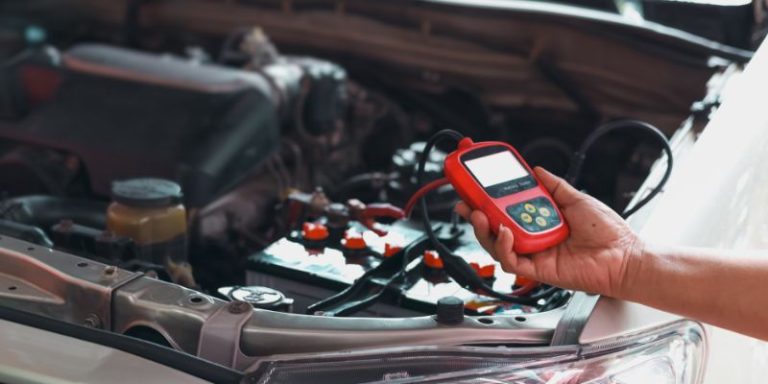
A weak or dead car battery can sometimes cause confusing electrical issues, including problems with the immobiliser system. While not directly an immobiliser fault, a low voltage can prevent the immobiliser’s electronics from communicating correctly.
- Symptoms of a Bad Battery: Slow engine crank, dim headlights, clicking sounds when trying to start.
- Testing: You can try jump-starting your car. If it starts with a jump, your car battery likely needs replacing or charging.
- Voltage Check: A multimeter can check your battery’s voltage. A healthy battery should read around 12.6 volts when the engine is off. You can find reputable guides on how to use a multimeter from sources like U.S. Department of Energy.
Step 3: Reset the Immobiliser System (If Applicable)
Some vehicles have a procedure to reset their immobiliser system. This is less about bypassing and more about re-synchronising the car’s computer with the key. The exact procedure varies greatly by manufacturer.
General Reset Procedure (May Vary Significantly):
- Insert the key into the ignition.
- Turn the ignition to the “ON” position but do not start the engine.
- Wait for the immobiliser warning light on the dashboard to stop flashing and remain solid, or go out completely. This can take anywhere from 5 to 30 minutes, depending on the car.
- Turn the ignition “OFF.”
- Wait a few seconds.
- Try starting the car again.
Important Note: Always consult your car’s owner’s manual for the specific immobiliser reset procedure for your model. Some manufacturers do not recommend or provide a user-resettable immobiliser procedure.
Step 4: Check for Warning Lights
Modern cars have sophisticated diagnostic systems. Pay attention to any warning lights on your dashboard, especially the immobiliser light (often a key symbol, a car with a lock, or an acronym like IMMO).
Interpreting Warning Lights:
- Solid Light: Often indicates a fault within the immobiliser system.
- Flashing Light: Usually means the system is actively trying to read the key, or it detects an issue preventing it from recognising the key.
If the immobiliser light is flashing rapidly or stays on constantly when it shouldn’t, it’s a strong indicator of an immobiliser issue.
Step 5: Consider External Factors
While rare, external factors can sometimes cause temporary immobiliser glitches:
- Interference: Are you parked very close to a powerful radio transmitter or other electronic devices that might cause interference? Try moving the car a short distance.
- Aftermarket Alarms: If you have a non-factory alarm system, it might be misconfigured or faulty, interfering with the factory immobiliser.
When to Call in the Professionals
If you’ve gone through the basic troubleshooting steps and your car still won’t start, it’s time to seek expert help. Trying to force the issue can lead to expensive repairs.
Who to Contact:
- Your Car Dealership: They have the most specialised diagnostic tools and information for your specific make and model.
- A Reputable Automotive Locksmith: These specialists can often program new keys and work with immobiliser systems, sometimes at a lower cost than dealerships. Look for one with experience in automotive transponder keys. Reputable locksmith associations can help you find one, like those affiliated with the Associated Locksmiths of America (ALOA).
- A Qualified Mechanic: If you trust your mechanic, they can diagnose immobiliser faults, especially if they have the right diagnostic equipment (like an OBD-II scanner that can read immobiliser codes).
What Professionals Will Do:
Automotive professionals have tools and knowledge that everyday drivers don’t:
- Diagnostic Scanners: They use specialised equipment to read error codes from the car’s ECU, which can pinpoint the immobiliser fault.
- Key Programming: If you’ve lost all your keys, they can program new transponder keys for your vehicle.
- Immobiliser Module Diagnosis: They can test the immobiliser control unit itself for faults.
- Wiring Checks: They can trace and test the wiring harness connected to the immobiliser system.
Understanding the Costs Involved
Repairing immobiliser issues can vary in cost:
Cost Factors for Immobiliser Repair:
| Service | Typical Cost Range (USD) | Notes |
|---|---|---|
| Key Fob Battery Replacement | $5 – $20 | For DIY or quick service at a store. |
| New Key Fob Programming (per key) | $150 – $500+ | Varies greatly by car make/model and whether all keys are lost. |
| Immobiliser Module Repair/Replacement | $300 – $1000+ | Depends on the complexity of the module and labour. |
| Diagnostic Scan (by mechanic) | $75 – $150 | Often waived if you proceed with repairs. |
Always get a quote before authorising any work. Dealerships are often the most expensive, while a good independent mechanic or locksmith might offer more competitive pricing.
Preventing Future Immobiliser Woes
While immobiliser failures aren’t always preventable, these tips can help:
- Protect Your Keys: Store your key fobs in a safe place, away from extreme temperatures or moisture.
- Regular Battery Checks: If you notice your key fob becoming less responsive, consider replacing the battery proactively.
- Use a Spare Key: If you have a spare key, use it occasionally. This helps ensure its battery stays fresh and the chip remains functional.
- Be Cautious with Aftermarket Alarms: Ensure any aftermarket alarms are professionally installed and compatible with your vehicle’s existing systems.
- Keep Manuals Handy: Store your car’s owner’s manual and any key programming information in a safe but accessible place.
Frequently Asked Questions (FAQs)
Q1: My car won’t start, and the immobiliser light is flashing. What does this mean?
A1: A flashing immobiliser light typically indicates that the car’s security system is not recognising your key fob. This could be due to a dead battery in the fob, a damaged fob, or a fault within the car’s immobiliser system or the key reader. Try replacing the fob battery or using a spare key.
Q2: Can I disconnect the immobiliser system permanently?
A2: For most modern cars, attempting to permanently disconnect the immobiliser system is not feasible and will likely cause extensive damage to the vehicle’s electrical and computer systems, rendering it unstartable and potentially voiding your insurance or warranty. It is highly discouraged.
Q3: My immobiliser warning light is on, but my car still starts. Is this normal?
A3: Generally, no. If the immobiliser warning light stays on solid after you’ve started the car, it usually indicates a fault in the system that the car has detected. While the car might still start now, it’s a sign that the immobiliser system may fail completely in the future, potentially leaving you stranded. It’s best to have it diagnosed by a professional.
Q4: How do I program a new key fob if I lost mine?
A4: Programming new key fobs typically requires specialised diagnostic equipment and software that automotive dealerships and qualified locksmiths possess. Some vehicles may have a basic procedure that can be done by the owner mentioned in the manual, but this is rare for immobiliser keys. You’ll likely need to visit a dealer or a professional automotive locksmith.
Q5: Will a dead car battery mess up the immobiliser?
A5: While a dead car battery doesn’t directly damage the immobiliser, very low voltage can prevent the electronic components of the immobiliser system (like the receiver or the ECU) from communicating correctly. This can manifest as an immobiliser fault. Once the car battery is charged or replaced, the immobiliser system might function correctly again.
Q6: Is it possible to bypass an immobiliser for theft?
A6: While determined thieves with advanced tools and knowledge may find ways to bypass immobilisers, these methods are complex, illegal, and not accessible to the average car owner. For legitimate drivers, bypassing is not a practical or safe solution for starting their own car.
Conclusion
Understanding your car’s immobiliser system is key to troubleshooting starting issues. While the idea of bypassing it might pop into your head when faced with a no-start situation, the reality for modern vehicles is that they are designed to prevent this for security reasons. Your best bet is always to focus on the most common and safe solutions: checking your key fob, its battery, and the car’s main battery. If these simple steps don’t resolve the problem, remember that professional help is available. A certified mechanic or a specialised automotive locksmith can diagnose immobiliser faults accurately and safely, getting you back on the road without damaging your car. By following these proven steps, you can confidently manage potential immobiliser issues and keep your vehicle running smoothly and securely.