When Was the Car Made? Karl Benz’s 1885 Automobile Explained
Quick Answer
The first car, the Benz Patent-Motorwagen, was built by German engineer Karl Benz in 1885 and patented on January 29, 1886. It wasn’t until 1908, with Ford’s Model T, and 1913, when Ford introduced the moving assembly line, that cars became affordable enough for the average person to own.
When was the car made? The first true automobile, the Benz Patent-Motorwagen, was built by Karl Benz in Mannheim, Germany in 1885, and he formally patented the design on January 29, 1886. That single event marks the birth of the modern car, but the road to the vehicles we drive today involved decades of competing inventors, engineering breakthroughs, and manufacturing innovations. Here is the full timeline of when cars were made, who made them, and how they evolved.
Early Beginnings
The journey of the automobile dates back to the late 19th century when the first practical automobile was invented. Karl Benz, a German engineer, built the three-wheeled Benz Patent-Motorwagen in 1885. It used a rear-mounted, single-cylinder gasoline engine, a first for a purpose-built vehicle (rather than a motorized carriage). Benz filed his patent application on January 29, 1886, and the patent (DRP No. 37435) was officially granted that November. Because the car was built in 1885 but patented in 1886, both years are cited in different sources, the Motorwagen itself dates to 1885, while its patent, often called the birth certificate of the automobile, is dated 1886.
When Were Cars Invented? A Timeline of Key Dates
When were cars invented does not have one single answer, since the automobile evolved through several distinct breakthroughs rather than a single moment. Here is the timeline of the events that actually mattered:
| Year | Milestone |
|---|---|
| 1834-1835 | Vermont blacksmith Thomas Davenport builds an early electric motor and applies it to a small model car that ran on an electrified track, a precursor to electric vehicles, not a full-size car. |
| 1885 | Karl Benz builds the Benz Patent-Motorwagen in Mannheim, Germany, widely considered the first true automobile. |
| 1886 | Benz formally patents the Motorwagen (application filed January 29, granted that November). |
| 1890-1891 | William Morrison builds a six-passenger electric wagon in Des Moines, Iowa, recognized as the first successful electric car in the United States. |
| 1891 | John William Lambert test-drives his gasoline-powered Buckeye buggy in Ohio, colliding with a hitching post, the first recorded car accident in the U.S. |
| 1893 | Brothers Charles and Frank Duryea test their Duryea Motor Wagon in Springfield, Massachusetts, on September 21, one of the first American-built gasoline cars. |
| 1908 | Ford introduces the Model T, designed to be simple, durable, and affordable. |
| 1913 | Ford’s Highland Park plant debuts the moving assembly line, slashing production time and making car ownership realistic for millions of Americans. |
Notably, Lambert’s 1891 Buckeye gasoline buggy predates the Duryea brothers’ more famous 1893 debut, making Lambert’s vehicle the earlier gasoline-powered car actually built and driven in the U.S., though the Duryea Motor Wagon Company, founded in 1895, became the first American company to manufacture and sell automobiles commercially.
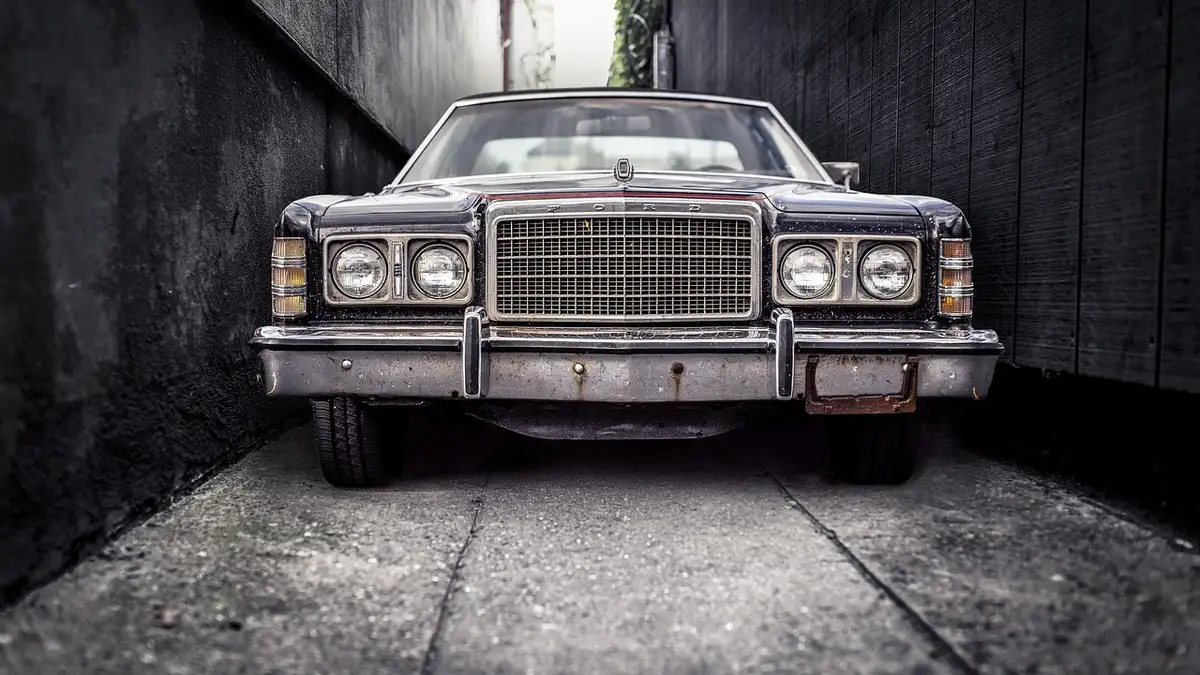
Evolution of Automobiles
Following Karl Benz’s groundbreaking invention, the automobile industry witnessed rapid evolution and innovation. The late 19th and early 20th centuries saw the emergence of several pioneering figures and companies contributing to the development of automobiles.
Henry Ford And The Moving Assembly Line
While Henry Ford did not invent the automobile, his introduction of the moving assembly line in 1913 revolutionized the manufacturing process. This innovation significantly reduced production time and costs, making automobiles more accessible to the masses. Ford’s Model T, introduced in 1908, became an iconic symbol of the automotive industry’s progress.
Global Impact
The invention and widespread adoption of automobiles had a profound impact on global transportation and society. The convenience and freedom offered by cars transformed the way people commuted, traveled, and conducted business. It also led to the development of road infrastructure, fueling economic growth and urban expansion.
Key Milestones in Automobile History
Throughout the 20th century, the automotive industry continued to evolve, introducing new technologies and designs. Major milestones include the introduction of electric cars, the first car accident, and the establishment of prominent car companies.
Electric Cars
The development of electric cars dates back to the 1830s, when Vermont blacksmith Thomas Davenport built an early electric motor and applied it to a small model car running on an electrified track. Decades later, in 1890-1891, Scottish-born chemist William Morrison built a six-passenger electric wagon in Des Moines, Iowa, that could reach about 14 mph, widely recognized as the first successful electric car in the U.S. However, it was not until the 21st century that electric cars gained significant mainstream traction, with companies like Tesla spearheading the electric vehicle revolution.
First Car Accident
The first recorded car accident in the U.S. occurred in 1891 in Ohio, when John William Lambert lost control of his gasoline-powered Buckeye buggy after swerving to avoid a tree root, striking a hitching post. Both Lambert and his passenger were injured, though not seriously. The event is a sobering reminder of how quickly safety became a concern once cars hit the road, eventually prompting traffic laws and built-in safety features.
Establishment Of Car Companies
Various car companies emerged in the late 19th and early 20th centuries, contributing to the diversification of the automotive market. Companies such as Ford, General Motors, and Mercedes-Benz played pivotal roles in shaping the industry and setting the stage for the modern automotive landscape.

Legacy and Future Innovations
The legacy of the automobile continues to drive innovation and technological advancements. From self-driving cars to sustainable fuel technologies, the automotive industry remains at the forefront of progress, striving to meet the evolving needs of society.
Frequently Asked Questions
When Was The First Car Made?
The first car, the Benz Patent-Motorwagen, was built by Karl Benz in 1885 and formally patented on January 29, 1886. Although Henry Ford did not invent the automobile, he introduced the moving assembly line in 1913, which allowed for the mass production of cars and made them far more accessible to the general public.
When Were Cars Invented?
Cars were invented in stages rather than all at once. Karl Benz built the first gasoline-powered automobile in 1885 and patented it in 1886. Earlier still, electric vehicle technology traces back to the 1830s with Thomas Davenport’s electric motor, and gasoline cars specifically built and sold in the U.S. followed in the early 1890s with builders like John William Lambert and the Duryea brothers.
Did Henry Ford Invent The Car?
No, Henry Ford did not invent the car. Karl Benz built the first automobile nearly 20 years before Ford’s company was founded. Ford’s real contribution was the moving assembly line, introduced in 1913, which revolutionized how cars were manufactured and made them affordable for the average American.
Was The Car Invented In 1920?
No, the car was not invented in 1920. The first car, the Benz Patent-Motorwagen, was built by Karl Benz in 1885 and patented in 1886, more than three decades before 1920. By 1920, cars had already been in mass production for years thanks to Ford’s Model T and moving assembly line.
When Was The Old Car Made?
The original old car, the Benz Patent-Motorwagen, was built in 1885 by Karl Benz, who patented the design on January 29, 1886. It was the first motor tricycle with a rear-mounted engine, featuring steel tubing with woodwork panels, steel-spoked wheels, and solid rubber tires. This invention marked the beginning of the automobile era.
Conclusion
When was the car made? The invention of the automobile in 1885, followed by its patent in 1886, marked a transformative moment in history, redefining transportation and shaping the modern world. The journey from Karl Benz’s original Patent-Motorwagen to the electric and self-driving cars of today reflects the relentless pursuit of innovation and progress in the automotive industry.
As we look to the future, the legacy of the automobile serves as a testament to human ingenuity and the enduring pursuit of excellence in technology and engineering. For an even deeper dive into the exact date, the people involved, and how the story unfolds decade by decade, see our full guide on when the first car was made.
Products related to this article
Sponsored / affiliate links. As an Amazon Associate I earn from qualifying purchases. I may earn additional commission from eligible campaigns.