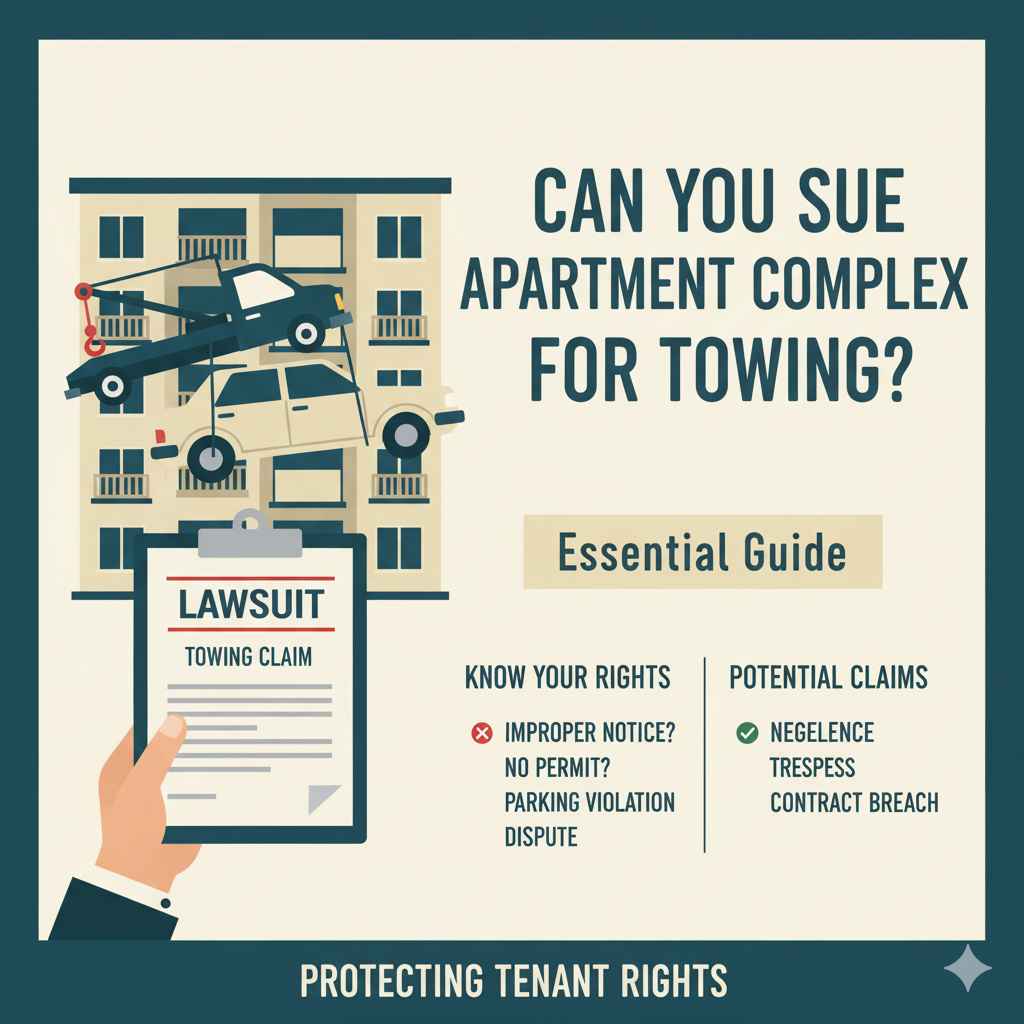
Can You Sue Apartment Complex For Towing: Essential Guide
Yes, you might be able to sue an apartment complex for towing your car, but it depends heavily on the specific circumstances, local laws, and whether the towing was justified according to your lease agreement and state regulations. Proving wrongful towing is key.
Getting your car towed can be a huge hassle and an unexpected expense. It’s especially frustrating when you believe your car was parked legally and you’re not sure what to do next. Many apartment dwellers wonder if they have grounds to take legal action against their complex if they feel the towing was unfair or improper. This guide will break down the essential steps and considerations to help you understand your rights and potential options. We’ll explore what makes a tow lawful, what could make it unlawful, and what steps you can take if you think you’ve been a victim of wrongful towing. Let’s figure this out together!
Understanding Apartment Complex Towing Rules
Apartment complexes often have specific rules about parking. These rules are usually laid out in your lease agreement. They aim to manage parking spaces, ensure guest parking is available, and prevent unauthorized vehicles from taking up resident spots. Sometimes, these rules can seem strict, but they are generally in place for the benefit of all residents. Knowing these rules is the first step in understanding if a tow was justified.
Why Apartment Complexes Tow Cars
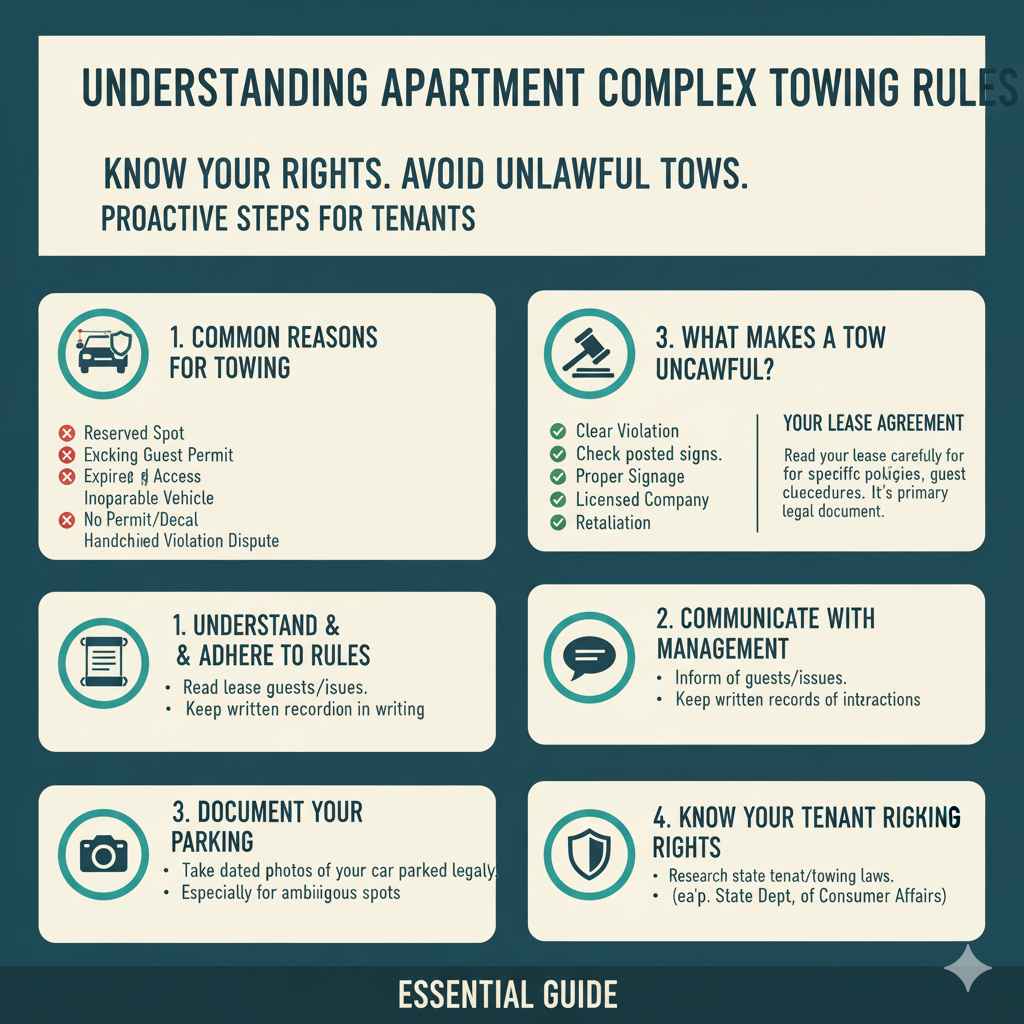
Your apartment complex has the right to enforce parking rules to maintain order and access for residents and their guests. Towing is typically used as a last resort to address parking violations. Common reasons for towing include:
- Parking in a reserved spot without permission.
- Blocking fire lanes, driveways, or other essential access points.
- Parking in a designated guest spot for too long or without being a guest.
- Having an unregistered or inoperable vehicle parked on the property.
- Violating specific permit or decal requirements.
- Parking in handicapped spots without a proper placard.
What Makes a Tow Lawful?
For a tow to be considered lawful, several conditions usually need to be met. These often align with your lease agreement and local ordinances. Generally, a tow is lawful if:
- There was a clear violation of parking rules that you were aware of (or should have been aware of).
- The apartment complex followed their own posted procedures for towing.
- Proper signage was in place, clearly indicating towing will occur for violations.
- The towing company used was licensed and followed all state regulations.
- The vehicle was not towed in retaliation or due to a personal dispute.
What Could Make a Tow Unlawful?
A tow can be considered unlawful if the apartment complex or the towing company didn’t follow the proper procedures or if there was no legitimate reason for towing your vehicle. Some common reasons for an unlawful tow include:
- Lack of clear signage or notification about towing policies.
- Towing a vehicle for a minor or debatable infraction without prior warning.
- The towing company was not authorized or licensed.
- The tow occurred due to a mistake or misidentification.
- The towing company charged excessive fees that are not permitted by law.
- The vehicle was towed in retaliation for a complaint or dispute with management.
When Can You Sue an Apartment Complex for Towing Your Car?
The ability to sue an apartment complex for towing your car hinges on proving that the tow was wrongful and caused you damages. This means showing that the complex or the towing company acted improperly, violated your rights, or failed to follow established laws and lease terms. The goal is to demonstrate negligence or a breach of contract on the part of the apartment complex.
Key Factors to Consider Before Suing
Before you decide to pursue legal action, it’s important to assess your situation carefully. Not every frustrating tow is a case for a lawsuit. Here are key factors to consider:
- Was the Tow Valid? Review your lease and any posted signage. Did you truly violate a rule?
- Were Proper Procedures Followed? Did management give you notice if required? Was the towing company legitimate?
- What Damages Did You Suffer? Consider the cost of the tow, any repairs needed, lost wages from missing work, and emotional distress.
- Evidence is Crucial. Do you have photos, videos, receipts, witness statements, or copies of communications?
- Local Laws Matter. Towing regulations vary significantly by state and even city. What are the laws in your area?
Proving Wrongful Towing
To build a strong case, you need evidence. Gathering documentation is vital. You’ll want to collect anything that supports your claim that the tow was unjustified.
Essential Documentation and Evidence
- Your Lease Agreement: This is your contract with the apartment complex. It outlines parking rules you agreed to.
- Photos/Videos: Document the location where your car was towed from, including any signage. Take pictures of your car as it was parked.
- Towing Invoice/Receipt: This shows the cost of the tow and any associated fees.
- Communication Records: Save any emails, letters, or notes from management regarding towing policies or the incident itself.
- Witness Statements: If someone saw the improper towing or can attest to your car’s legal parking, their statement can be valuable.
- Local Ordinances: Research your city or county’s towing laws. Websites for your local government or Department of Motor Vehicles (DMV) are good resources. You can often find towing regulations outlined by state legislative websites, for instance, many states have detailed regulations available through their government portals.
When to Consult a Legal Professional
While some minor disputes can be resolved directly, more complex cases involving significant financial loss or potential violations of consumer protection laws might require legal expertise. An attorney specializing in landlord-tenant law or consumer law can advise you on your specific rights and the best course of action. They can help you understand if you have a viable claim and represent you in court if necessary.
Steps to Take If Your Car Was Towed Illegally
If you believe your car was towed from your apartment complex unlawfully, it’s important to act quickly and systematically. Here’s a breakdown of the steps you can take:
- Gather Information Immediately: When you discover your car is gone, get the towing company’s name and number. They are legally required to provide you with information about where your car is and how to retrieve it.
- Secure Your Vehicle: If possible, retrieve your car as soon as you can to prevent further charges and potential damage. Obtain all receipts and documentation from the towing company.
- Contact Apartment Management: Speak with the property manager or landlord. Calmly explain the situation, present your evidence (like photos of your car parked legally), and ask for justification for the tow. Keep records of this conversation.
- Review Your Lease and Local Laws: Compare the towing situation against your lease agreement and local towing ordinances. Did management or the towing company adhere to them?
- Send a Formal Demand Letter: If management is unresponsive or uncooperative, you may need to send a formal written demand letter. This letter should clearly state the issue, the evidence you have, and what you are requesting (e.g., reimbursement for towing fees). Send it via certified mail with a return receipt requested.
- File a Complaint: Depending on your location, you might be able to file a complaint with a local consumer protection agency, the Better Business Bureau (BBB), or your state’s Attorney General’s office.
- Consider Small Claims Court: If you cannot resolve the issue through communication or formal complaints, you can consider suing the apartment complex in small claims court. This is a court designed for individuals to resolve disputes involving smaller amounts of money without needing a lawyer, although hiring one is often an option. The U.S. Courts website provides general information on the federal court system, but for state-specific small claims procedures, you’ll need to search your local court’s website.
Understanding Towing Fees and Damages
Towing fees can add up quickly. Laws in many states set maximum rates that towing companies can charge. If the fees seem excessive or include charges for services not rendered, you may have a basis for a claim. Beyond the towing cost, consider other damages:
- Cost of Towing and Storage: The primary expense.
- Lost Wages: If you missed work because you had to deal with the tow.
- Rental Car Expenses: If you needed one to get around while your car was gone.
- Damage to Your Vehicle: If your car was damaged during the tow.
- Emotional Distress: In some cases, significant stress and anxiety caused by a wrongful tow can be considered.
It’s important to be realistic about recoverable damages. While emotional distress is a factor in some lawsuits, it can be harder to prove and recover in towing disputes compared to other types of legal cases. Focus on quantifiable losses like towing fees and lost wages.
Legal Grounds for Suing an Apartment Complex
When you’re considering a lawsuit, understanding the legal basis for your claim is essential. Several legal principles might apply if your car was wrongfully towed by an apartment complex.
Breach of Contract
Your lease agreement is a legally binding contract between you and your apartment complex. If the complex towed your car in violation of the terms outlined in the lease, they may have breached the contract.
- Example: If your lease states that you will receive a written warning before any towing occurs, and they tow your car without providing a warning, this could be a breach of contract.
Violation of State/Local Laws
Most states and municipalities have specific laws governing vehicle towing. These laws often dictate:
- When a vehicle can be towed.
- The signage requirements for towing enforcement.
- The types of fees a towing company can charge.
- The process towing companies must follow.
If the apartment complex or the towing company they hired violated any of these regulations, you may have grounds to sue. For example, if a state law requires a 24-hour notice before towing for certain violations and no notice was given, that could be a violation.
Negligence
The apartment complex has a duty of care to its residents. This includes ensuring that actions taken by management or their vendors (like a towing company) are not negligent. If the complex hired an unlicensed towing company or failed to properly supervise their actions, leading to your wrongful tow, they might be considered negligent.
- Example: If the complex knowingly uses a towing company with a history of illegal tows and doesn’t investigate an improper tow, they could be sued for negligence.
The Role of Towing Companies
It’s important to remember that the towing company is often a direct party responsible for the tow itself. In many cases, you can sue both the apartment complex (for authorizing or failing to prevent the wrongful tow) and the towing company (for carrying out the improper tow).
Navigating the Legal Process
If you decide to pursue legal action, understanding the process will help you feel more prepared. While it might seem daunting, breaking it down into manageable steps makes it less intimidating.
Small Claims Court vs. Higher Courts
For most car towing disputes, small claims court is the most appropriate venue. Each state has its own limits on the amount of money you can sue for in small claims court. For example, in some states, the limit might be $5,000, while in others it could be $10,000 or more. These courts are designed to be accessible to individuals without attorneys, with simplified procedures and faster timelines.
Benefits of Small Claims Court:
- Lower filing fees.
- Simpler procedures.
- No or limited requirement for lawyers.
- Faster resolution of disputes.
If your damages exceed the small claims limit, you might need to file in a higher court, which typically requires hiring an attorney and involves more complex legal procedures.
Preparing Your Case
Success in court relies on solid preparation. This involves organizing all your evidence and understanding how it supports your claim.
- Organize Your Evidence: Keep all documents (lease, receipts, photos, communications) in a clear, chronological order.
- Outline Your Argument: Clearly state what happened, why the tow was wrongful, and what damages you are seeking.
- Understand the Law: Familiarize yourself with the specific local ordinances or state laws that apply to your situation.
- Identify Your Witnesses: If you have witnesses, confirm they are willing to testify.
What to Expect in Court
In small claims court, you will present your case to a judge or magistrate. The apartment complex (or their representative) will have a chance to present their side. You will likely have the opportunity to present your evidence and explain why you believe the tow was wrongful. The judge will then make a decision based on the evidence and arguments presented. It’s important to remain calm, respectful, and stick to the facts.
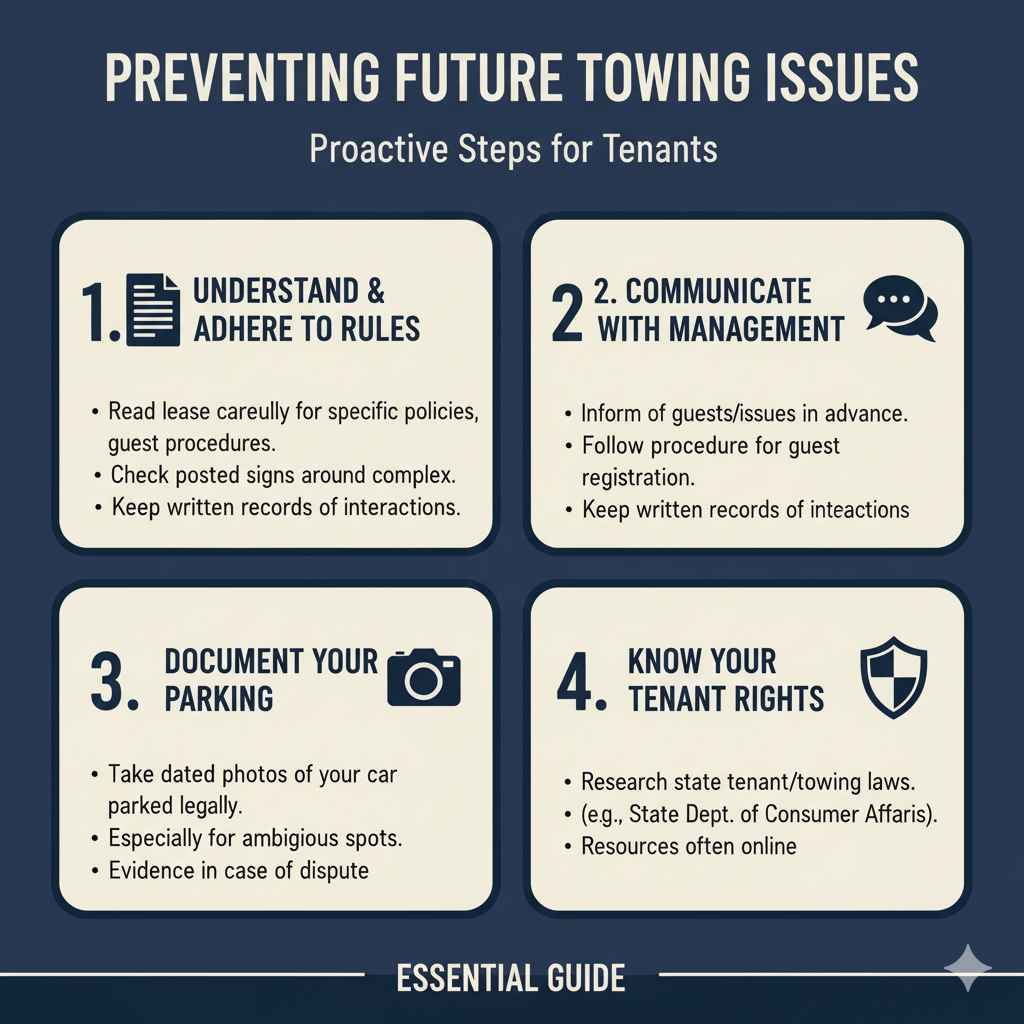
Preventing Future Towing Issues
The best way to deal with towing disputes is to avoid them in the first place. Proactive steps can save you a lot of stress and money.
Understanding and Adhering to Parking Rules
Take the time to thoroughly read and understand the parking rules in your lease agreement and any posted signs around the complex. If anything is unclear, ask management for clarification in writing.
Maintaining Clear Communication with Management
Keep lines of communication open with your apartment management. If you have a guest who needs to park, follow the proper procedure for registering their vehicle. If you anticipate any parking issues (like needing to leave your car for repairs for an extended period), inform management in advance.
Documenting Your Parking Habits
When in doubt, take a photo of your car parked legally, especially if you are parking in a spot that might be ambiguous or if you’ve had issues before. Having a dated photo can be invaluable evidence if a dispute arises.
Knowing Your Rights as a Tenant
Familiarize yourself with tenant rights in your state. Many government websites offer resources for tenants, outlining their rights and responsibilities regarding issues like towing and lease agreements. For instance, in California, the Department of Consumer Affairs offers extensive resources for tenants that could touch upon towing regulations.
Frequently Asked Questions (FAQ)
Q1: What is the first thing I should do if my car is towed from my apartment complex?
A1: First, find out where your car was towed and by which company. Get the towing company’s contact information immediately. Then, secure your vehicle by retrieving it as soon as possible to minimize storage fees. Document everything from the start.
Q2: How do I know if the towing company is legitimate?
A2: Legitimate towing companies are usually licensed and insured by the state. You can often verify their license with your local DMV or licensing authority. They should provide a clear invoice with their company details and fees charged.
Q3: Can an apartment complex tow my car for expired registration or inspection stickers?
A3: This depends entirely on your state and local laws, as well as your lease agreement. Many jurisdictions allow towing of vehicles that are unregistered or inoperable on private property, as they can be considered a nuisance or safety hazard. Always check your local ordinances.
Q4: What if the apartment complex claims I violated a rule I wasn’t aware of?
A4: If the rule wasn’t clearly communicated to you (via lease or prominent signage), and you had no reasonable way of knowing about it, you may have grounds to dispute the tow. Evidence of clear signage and notification is key for the complex to enforce such rules.
Q5: How much can a towing company legally charge me?
A5: Towing and storage fees are often regulated by state or local laws. These laws typically set maximum allowable rates. You can usually find these limits by checking your state’s Department of Transportation or DMV website. If fees appear excessive, you may have grounds to dispute them.
Q6: Do I need a lawyer to sue an apartment complex for wrongful towing?
A6: For small claims court, you often don’t need a lawyer, though you can choose to have one. If your case is complex or involves significant damages, consulting with or hiring a lawyer is highly recommended. They can assess your case and guide you through the legal process.
Conclusion
Dealing with a wrongfully towed car can be a stressful and expensive ordeal, but understanding your rights is the first step toward resolving the issue. While you can indeed sue an apartment complex for towing your car, the success of such a claim depends on whether you can prove the tow was unlawful, a breach of your lease, or a violation of local regulations. Gathering evidence, communicating effectively, and knowing when to seek legal advice are crucial. By following the steps outlined in this guide and being prepared, you can navigate this challenging situation with more confidence and work towards a fair resolution.