Can You Tow a Car Across the Border? Rules Explained
Figuring out Can You Tow a Car Across the Border? Rules can seem tricky, especially if you’re new to the idea. There are different rules for each border, and it’s easy to get confused by all the paperwork and regulations. Don’t worry, though! This guide will break down the steps in a clear way. We’ll explore the main things you need to know to tow your car across a border safely and legally. Let’s get started and make the whole process simple.
Border Crossing Regulations and Vehicle Transport
When you are planning to transport a vehicle across international boundaries, you need to be very aware of the regulations. This involves more than just driving; it involves preparing documentation, knowing vehicle compliance standards, and being fully aware of customs duties and taxes. These things may vary greatly depending on where you are traveling and the rules of the border you’ll be crossing. This knowledge is important because it ensures a smooth and legal transit, as failure to comply could result in delays, fines, or even the seizure of your vehicle. Thinking ahead and being organized will help prevent problems later.
Necessary Documentation for Vehicle Movement
Having the proper documents is the first step in a successful border crossing. The most essential document is the vehicle’s title, which shows that you have the right to own the car. You’ll also need to have proof of registration, which confirms that your car is legally registered in the place where it is from. Additionally, some countries require an import permit, particularly if you plan to keep the vehicle in their territory for an extended period. Your driver’s license, of course, is a must-have, verifying your ability to operate the vehicle. Ensure that all the documents are current, authentic, and easily accessible. Furthermore, you will need to prepare a bill of sale if you recently purchased the car, as well as any other paperwork related to the trailer or towing equipment you’ll be using.
-
Vehicle Title: The official document proving ownership of the car. It is crucial to have the original title.
A vehicle title is like a birth certificate for a car. It is an official paper that proves who legally owns the car. This document is required because border officials need to make sure you have the right to move the vehicle across the border. If you don’t have the title, you won’t be able to cross.
-
Vehicle Registration: Proof that the vehicle is registered and compliant with local laws.
Vehicle registration is proof that your car is properly registered with the authorities. This includes your license plate, and the registration paperwork shows that your car meets all of the necessary rules and regulations. It also confirms that you have paid any necessary fees or taxes. Having a valid vehicle registration is essential to confirm that your car is allowed on public roads and is up-to-date with any inspections or testing required by law.
-
Driver’s License: A valid driver’s license from your home country.
Your driver’s license allows you to drive legally. Border officials need to see that you are authorized to operate a vehicle. The license confirms that you have met the requirements for driving in your home country. Make sure your license is valid and not expired, as this could cause delays. You should keep it with you at all times during the trip.
-
Import Permit (If Required): Needed for importing the vehicle into another country.
An import permit gives you permission to bring your car into a foreign country. This permit is required in many cases. The permit helps customs officials keep track of imported vehicles and ensures that you comply with all local rules. Getting an import permit requires paperwork and possibly inspections. Researching requirements before you travel is very important.
Complying With Customs and Border Protection
Once you have your documents in order, you must know how to deal with the customs and border protection authorities. They will inspect your car and documents to ensure all laws are followed. Customs officials collect taxes and duties, which are applied based on the vehicle’s worth and its classification. You need to be truthful and provide all the information required. Any attempt to conceal goods or falsify information is a serious violation that can have consequences. Staying calm and being polite is helpful. The authorities want to be sure that your vehicle and its contents comply with their country’s import rules, so following their directions is the key to a speedy crossing. This part may seem intimidating, but thorough preparation will help make it manageable.
-
Declaration of Goods: All items being transported must be declared, including the vehicle.
You must declare what you are bringing into the country, including your car. Declare all items and be honest about the car’s condition, features, and equipment. The officials need to know this information for tax and safety regulations.
-
Payment of Duties and Taxes: Depending on the agreement between the countries, you may have to pay import duties.
Border officials will calculate any taxes that are due on your vehicle based on its value and origin. These duties are determined based on international trade agreements. Be sure to have the payment options available to settle your tax liabilities. Keep all receipts and paperwork related to any payments for your records.
-
Vehicle Inspection: Your vehicle will likely be inspected for safety and compliance.
The customs and border protection may do a physical inspection of your car to be sure it complies with their rules. This may include checking its mechanical components, its emissions, and any modifications you’ve made. Be prepared for this inspection, and have any required certificates or safety records.
Trailer and Towing Equipment Requirements
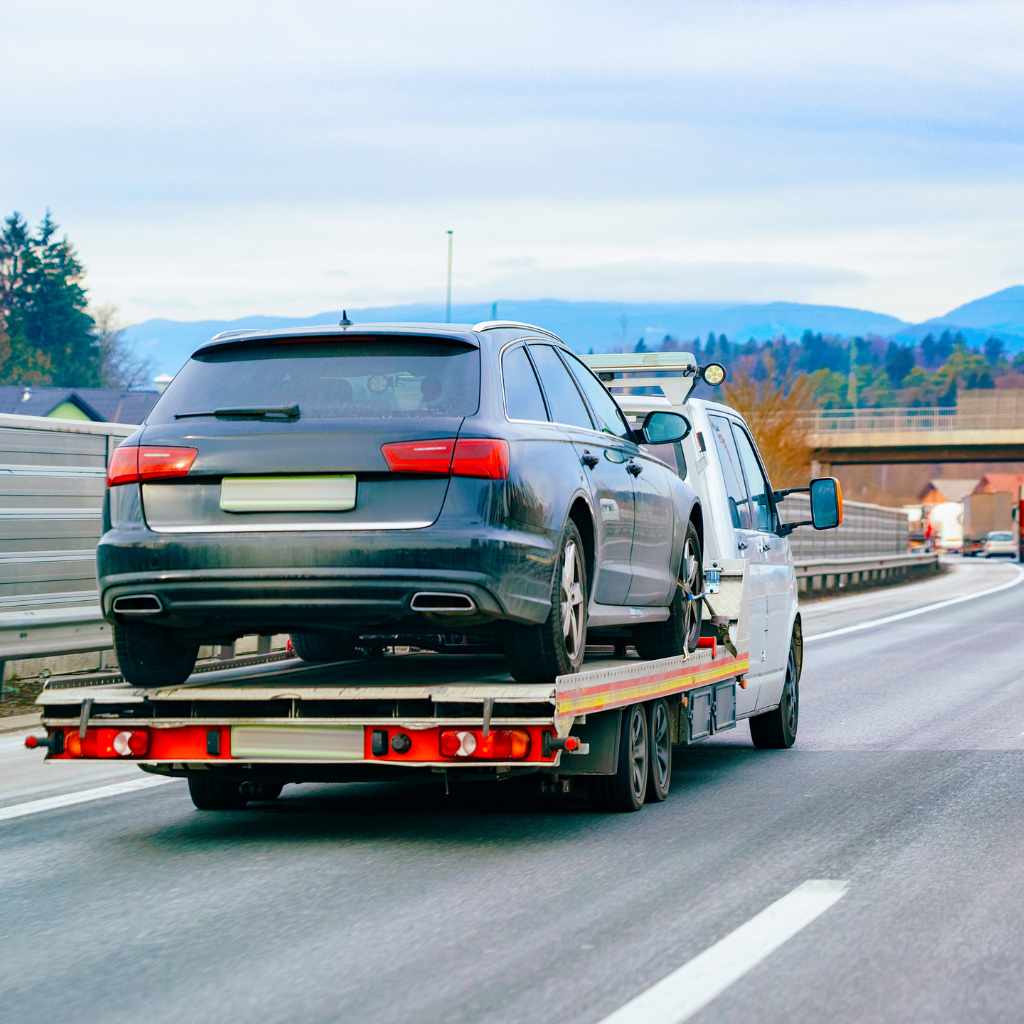
If you’re using a trailer to tow your car, additional rules will apply. These rules can be different depending on where you are. Trailers must meet specific size, weight, and safety standards. Make sure your trailer is rated to carry your car’s weight. Trailer lights, brakes, and tires must be in good working condition and in compliance with local rules. You’ll need to know the proper hitch, wiring, and safety chain configurations. You’ll also want to make sure the trailer is registered and has all necessary documentation. Proper preparation and adherence to these standards make the trip safer and prevent legal issues.
-
Trailer Registration: Make sure the trailer is registered and has proper documentation.
A trailer, like a car, usually needs to be registered with the appropriate authorities. This means having registration documents that prove the trailer is properly authorized for road use. The registration process might require you to provide specific information. Keeping your trailer registered and documented keeps you compliant with rules.
-
Weight and Size Restrictions: Adhere to size and weight limits for trailers.
Each country sets its own limits for the weight and size of trailers. Overweight or oversized trailers are prohibited because they can create road hazards and damage infrastructure. Checking and adhering to these regulations is crucial before you start your trip. You should weigh your trailer to verify it complies.
-
Safety Features: Ensure that the trailer has necessary safety features, like lights and brakes.
Trailers must have proper lighting, including brake lights, turn signals, and side markers. These lights tell other drivers about the movement of your trailer. Some trailers require brakes, and if so, those brakes should be in good working order. Safety chains that keep the trailer attached to the tow vehicle should be properly secured. Having these features helps ensure a safer trip for you and other drivers.
Understanding the Rules for Towing a Car
When you are attempting to Can You Tow a Car Across the Border? Rules are very important. This involves the legal regulations, equipment standards, and the paperwork you have to handle. The requirements vary by the country, so you have to know and adhere to the guidelines where you are going. Doing it right can stop problems and secure a safe trip. Knowing the regulations about towing can stop legal problems.
Laws and Regulations for Towing
The rules for towing are different depending on what countries you are traveling through. First, you need to understand the speed limits for towing. These are frequently lower than regular speed limits. You’ll also need to know all the rules about lane usage. This means understanding where you’re allowed to drive and any restrictions. Safety equipment is critical; for example, you may be required to have reflective triangles. Checking local regulations before your trip and being sure you follow them is essential. This can include anything from how you secure your vehicle to the weight limits for your tow setup. Because the rules vary, you should look up each place you will be going through.
-
Speed Limits: Always know and follow the speed limits for towing vehicles.
Speed limits are reduced for vehicles that are towing. This is because towing vehicles are usually less stable and take longer to stop. Pay close attention to posted speed limits. Following speed limits is necessary to avoid accidents. You may get a ticket if you exceed the limit.
-
Lane Restrictions: Be aware of the lane restrictions for towing vehicles.
In certain areas, towing vehicles might be limited to specific lanes. This helps ease traffic flow and makes the roads safer. Always follow the posted signs. The specific restrictions vary from place to place, so be watchful of the local rules. If you travel in the wrong lane, you could get ticketed or cause an accident.
-
Equipment Requirements: Adhere to all equipment requirements, like reflective triangles.
To keep things safe, towing vehicles have specific equipment requirements. These can include things like having reflective triangles. Make sure your vehicle and trailer meet the standards in all the locations you travel through. Carry the needed equipment and know how to use it.
Equipment Standards for Towing Vehicles
Proper equipment is important for a safe and legal trip. Your tow vehicle should be properly equipped. Check the tow hitch to make sure it meets weight requirements for your trailer. Make sure the wiring for your trailer lights works, so other drivers can see your signals. Trailer brakes are important, especially for heavier loads. Be sure that they are working. Make sure your tires are properly inflated. Inspect them for wear and tear. All this will help you arrive at your destination safe and sound.
-
Tow Hitch: Verify the tow hitch meets the weight requirements.
The tow hitch connects your vehicle to the trailer. It must be strong enough to handle the total weight of the trailer and the car. Look for the weight ratings printed on the hitch. Do not exceed these ratings. Using a hitch that is not rated for the weight of your setup could cause a separation while you are driving. This could cause a serious accident.
-
Trailer Lights and Wiring: Make sure the trailer lights are working.
Trailer lights are very important for safety. They tell other drivers when you are stopping, turning, or changing lanes. Confirm that your trailer’s lights are working. You will need to inspect the wiring to confirm there is a connection and that the lights are working. Check the signals to prevent accidents and make your trip safer.
-
Brakes and Tires: Check the trailer brakes and tires before your trip.
Trailer brakes are important, particularly for heavier loads. Be sure that they are working. Inspect your tires for the correct inflation. Your tires also need to have enough tread to handle road conditions. Do not tow with worn or damaged tires. Check and adjust everything before you start the trip.
Safety Practices for Crossing Borders
Safety should always be your top concern when crossing borders. Before you leave, check your car and trailer to make sure everything is in good working order. Plan your route, and know about any road conditions along the way. Be prepared for delays at the border. Always use caution when you are driving, particularly in unfamiliar areas. If you follow this advice, you can travel more safely.
-
Pre-Trip Inspection: Inspect your car and trailer before departure.
Before leaving, inspect your tow vehicle and trailer. Check the lights, brakes, and tires. Make sure that the hitch is properly attached. Check your fluids and other vital parts. A proper inspection can prevent breakdowns. It will also help you identify any issues. Do the inspection, so that you know your trip will be safe.
-
Route Planning: Plan your route and identify potential hazards.
Before you go, plan your route and know about the roads you will use. Check the weather and road conditions. Know where gas stations, rest stops, and emergency services are located. Consider your route, so you can avoid trouble. This will help you get to your destination more safely.
-
Driving with Caution: Drive carefully, especially near border crossings.
Pay attention when driving and give yourself extra time. Drive cautiously when approaching border crossings. Follow the directions of traffic personnel. Stay calm, and do not make sudden moves. Driving carefully will improve your safety. It can also help you avoid trouble.
Common Scenarios for Towing Vehicles Across Borders
Understanding Can You Tow a Car Across the Border? Rules is all about real-world situations. Let’s look at some likely situations. These examples offer practical insights into the rules and issues you’ll have to face. These situations should give you a better idea of what to expect.
Scenario One: Moving a Personal Vehicle
Consider a family moving from the United States to Canada. They own a car they want to bring with them. The family will have to ensure that their vehicle complies with Canadian import rules, like safety and emissions standards. They will also need to have all the right paperwork. They will need to report the vehicle to customs. This can involve paying duties and taxes depending on the circumstances. Preparing the vehicle and documenting everything is essential. Careful preparation will make the move less stressful and prevent problems at the border.
-
Obtain Necessary Documentation: Gather the vehicle’s title, registration, and any import permits.
The first step is to gather all the required documents. This should include the original vehicle title, proof of current registration, and any necessary import permits that the destination country requires. Without proper paperwork, you won’t be able to transport your vehicle across the border.
-
Inspect Vehicle Compliance: Ensure the vehicle meets Canadian safety and emissions standards.
Before you move, confirm that your car meets the standards for the country you’re entering. This can require specific modifications or equipment. Not doing this could result in refusal or penalties. Ensure compliance, so you don’t run into problems at customs.
-
Declare the Vehicle: Declare the vehicle to customs and pay any applicable duties.
When you get to customs, you’ll need to declare your vehicle and present the required documents. Be honest and prepared to pay any duties or taxes. Customs officials will inspect the car and paperwork. Prepare for this by knowing the laws.
Scenario Two: Transporting a Vehicle for Business
Imagine a car dealership in Mexico wants to bring a group of vehicles to the United States for a trade show. The dealership must comply with all import regulations. They need to get temporary import permits. The dealership must pay duties and taxes. They’ll also have to provide detailed information about the vehicles. Customs authorities will then be able to check everything. This can be complex, and any errors could delay or stop the business. Preparation is key to ensuring that the vehicles are brought across the border smoothly.
-
Secure Temporary Import Permits: Obtain temporary import permits for each vehicle.
For business vehicles, you may need to get special temporary import permits. These permits allow the vehicles into the destination country for a limited time. Verify the requirements and apply early. The temporary permits usually have restrictions on use and location.
-
Adhere to Customs Regulations: Comply with all customs regulations, including declarations.
Follow customs procedures, including detailed declarations for each vehicle. Include the vehicle’s make, model, VIN, and value. Be ready to provide any additional information requested by customs. Clear and thorough paperwork prevents confusion and minimizes delays.
-
Ensure Compliance with Trade Agreements: Follow any trade agreements between countries.
Some trade agreements offer reduced duties or exemptions. Be aware of any such agreements, as this can affect costs. Consult with trade experts. Understanding trade agreements can save you money and ensure your business can run properly.
Scenario Three: Interstate Vehicle Transport
Consider a driver who is transporting a vehicle from one state to another for a customer. The rules are different for interstate transport than for international borders. The driver must have a valid commercial driver’s license (CDL). The driver must also comply with the rules about size and weight. A key concern is following all safety regulations, like using safety chains and properly securing the car. This can mean avoiding fines or delays. Knowing the laws in the states helps to prevent problems.
-
Confirm Driver’s Licensing: Ensure the driver has a valid commercial driver’s license (CDL).
For interstate vehicle transport, make sure that the driver has the proper CDL. This license means that the driver is qualified and trained to handle the vehicle. Verify that the CDL is up to date and that the driver has the proper endorsements. A CDL is crucial for legal interstate transport.
-
Comply with State Size and Weight Restrictions: Adhere to the size and weight limits of each state.
Each state has rules about the size and weight of vehicles. Know the laws to prevent any legal problems. This includes the height, width, and weight of the load. Plan your route, and be alert for any warning signs. Keeping to these limits keeps you on the right side of the law.
-
Follow Safety Regulations: Comply with all safety standards for securing and transporting vehicles.
The safety of the vehicle and other drivers is important. Secure the vehicle to the trailer by using appropriate tie-downs and straps. Make sure that all safety features, like lights and brakes, are working correctly. Also, make sure that any safety chains are in place. Proper safety practices stop accidents. It’s also important to follow regulations.
Potential Challenges and How to Avoid Them
When you are attempting Can You Tow a Car Across the Border? Rules it is very easy to run into problems. Some of these issues include incomplete paperwork, and the vehicle not meeting local standards. Knowing these things and being ready will make the crossing smoother. It is important to know about customs delays, unexpected inspections, and the ways to be ready for them. Being prepared will make crossing the border a lot easier.
Common Mistakes and How to Prevent Them
One common error is incomplete paperwork. Not having the proper documents can lead to delays or rejection. This is easily prevented by preparing and checking everything. Make copies and keep the originals. Another error is not knowing the rules and requirements. Educate yourself about the regulations, particularly for the border crossing you are planning. Also, avoid underestimating the time needed. Be sure to arrive early, because the border crossing process can be long. By avoiding these mistakes, you can significantly reduce the potential for issues.
-
Incomplete Documentation: Gather and thoroughly check all required documents.
Incomplete paperwork is a common mistake. It can lead to delays and problems. Gather all the required documents beforehand. Check them for accuracy. Keep originals and copies in different places. This preparation is a very easy step. It prevents many problems at the border crossing.
-
Not Knowing Regulations: Research all local towing and import laws for your destination.
Not knowing the local rules is another mistake that causes problems. Know the rules before you start. Check any speed limits, lane restrictions, or rules about equipment. Knowing the rules and requirements for your destination is critical. This knowledge can keep you from running afoul of the law.
-
Underestimating Time: Always plan to arrive at the border well in advance.
Border crossings sometimes take a long time, so plan to arrive early. Give yourself extra time for paperwork, inspections, or possible delays. Delays can happen. This extra time can relieve stress. It will also help you if unexpected issues appear.
Dealing With Customs Delays and Inspections
Delays and inspections are a regular part of crossing borders. You may have to wait in line. Be patient and expect this. Keep the paperwork ready. Customs officials may ask you questions or do a detailed check of your vehicle. Be polite and provide the information. Follow the officials’ instructions, as this will help the procedure move quickly. If there are any delays, stay calm and keep your documents ready. Patience and cooperation will assist you in going through the customs process.
-
Patience and Preparedness: Be patient and have all documents readily available.
When crossing the border, be patient and have your documents ready. Customs procedures may take a while. Keep all the documents and information you need. Stay calm. Having this approach will help the process run smoothly. Being prepared can save time.
-
Cooperation With Officials: Respond promptly and honestly to any questions.
Cooperate with customs officials and answer their questions honestly. Provide all the requested information and do not try to conceal anything. The officers want to ensure you are complying with the rules. Being cooperative helps make the process run faster. It can also help to avoid problems.
-
Handling Vehicle Inspections: Know the basics about what the inspection may entail.
Customs officials may need to inspect your vehicle to check that it meets the requirements. They could check its mechanical parts, emissions, or compliance with safety standards. Be ready for the inspection and provide any documentation required. If any issues are found, follow the inspector’s directions. Being ready for inspections can reduce delays.
Legal Considerations for Towing Vehicles
Knowing the legal aspects is crucial. Be sure to adhere to all the applicable rules about vehicle transport and towing. Any violations of these rules can have serious results, including fines, the seizing of your vehicle, or more severe penalties. It is essential to have a complete understanding of your obligations. By being informed, you will reduce your legal risk and protect yourself from issues.
-
Compliance With Import Regulations: Fully adhere to all import and customs regulations.
Knowing and obeying all import regulations is very important. This means following all rules and paying any duties and taxes. Be certain that your vehicle meets all the requirements. Do not attempt to bypass regulations or falsify information. Full compliance is important to stay on the right side of the law.
-
Insurance and Liability: Have sufficient insurance to cover potential incidents.
Be sure you have adequate insurance coverage for your vehicle and trailer. Know about your insurance, especially the liabilities and coverage for cross-border trips. Make sure your insurance covers all circumstances. Have your policy and proof of insurance accessible to show if needed. Keeping the proper insurance protects you in case of any accidents.
-
Consequences of Violations: Know the consequences of not following the rules.
Be aware of the potential consequences of not following the rules. Violations of the law can cause fines, vehicle seizure, or legal penalties. Prevent issues by obeying all laws and regulations. You should get legal advice from an expert if you are unsure of any laws. Keeping to the rules and being informed helps to avoid legal difficulties.
Frequently Asked Questions
Question: What documents do I need to tow a car across the border?
Answer: You’ll typically need the vehicle’s title, registration, driver’s license, and possibly an import permit.
Question: Are there any specific rules for the trailer when towing a car across a border?
Answer: Yes, trailers need to meet size, weight, and safety standards, and they must be registered.
Question: How do I handle customs when towing a car across the border?
Answer: You must declare the vehicle, pay any duties or taxes, and may have to undergo an inspection.
Question: What should I do if my car or trailer is stopped for inspection?
Answer: Remain calm, have your documents ready, and answer the officials’ questions honestly.
Question: What are the main mistakes people make when towing across a border?
Answer: Common mistakes include incomplete documentation, not knowing regulations, and underestimating the time needed.
Final Thoughts
Gaining a clear understanding of Can You Tow a Car Across the Border? Rules is essential for a stress-free travel experience. Preparation is key to avoiding issues. This means having all the right paperwork, from the vehicle title to registration, as well as knowing about any necessary permits or authorizations. Being aware of customs regulations and potential delays is important, as is ensuring that your vehicle and trailer meet the local safety and size regulations. Careful planning and attention to detail will help you navigate this process successfully. Take the time to prepare, research, and follow the instructions to make your border crossing a smooth one. This lets you get your car across the border. Go ahead and start exploring all the things you need to do to get ready.