Does Car Leasing Include Insurance? (No — Coverage Rules)
Car leasing never includes insurance — lessors require you to carry your own full-coverage policy, often with liability limits of $100,000 per person and $300,000 per accident, well above most state minimums. Skip this step and you cannot legally drive the car off the lot. This guide covers exact coverage requirements, gap insurance costs, and how leased car insurance compares to owning.
Quick Answer
Car leasing never includes insurance. You must buy your own policy meeting your lessor’s minimum coverage — typically full coverage with $100,000/$300,000 liability limits and gap insurance. You cannot legally drive the leased car home without proof of this coverage in place.

Car Leasing Basics
Leasing helps protect you against unanticipated depreciation — if the market value of the car drops faster than expected, that loss belongs to the leasing company, not you. Lease payments are also reported to the major credit bureaus the same way loan payments are, so on-time payments can help your credit score.
What car insurance does not cover, in a lease context, is the lease payment itself — insurance is never bundled into your monthly lease bill the way it sometimes is with a subscription-style car service. After signing a lease, you must buy at least the minimum insurance required by both your state and your lease agreement before you can legally drive the car.
Insurance Requirements For Leased Cars
When leasing a car, you are required to purchase your own insurance for the vehicle — both your state and the leasing company (the lessor) set minimum coverage rules, and the lessor’s minimums are almost always the higher of the two. This typically includes comprehensive and collision coverage on top of liability.
📊 Most leasing companies require liability limits of $100,000 per person, $300,000 per accident, and $50,000 in property damage — far above state minimums like California’s $15,000/$30,000 or Florida’s $10,000/$20,000. Source: Progressive, 2026
Best Dash Cam for a Leased Car
ROVE R2-4K Dual Dash Cam, Front and Rear
A leased car isn’t yours to gamble on in a disputed accident — a front-and-rear dash cam gives your insurer timestamped footage that speeds up claims and protects your no-fault standing.
- Best for: lessees who want clear liability evidence for insurance claims
- Why we picked it: dual front/rear 4K recording covers both angles insurers ask about first
- Main drawback: requires a memory card swap or cloud plan for long-term storage
Compare more dash cam options
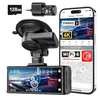 Option 1 REDTIGER 4K STARVIS 2 Dash Cam
|
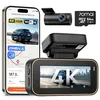 Option 2 70mai A810 Lite 4K with GPS
|
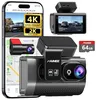 Option 3 FAIMEE 4K Dash Cam
|
As an Amazon Associate we earn from qualifying purchases.
What Happens If You Don’t Have Insurance on a Leased Car?
Driving a leased car without the lessor’s required coverage is a breach of your lease contract, separate from any state penalty for driving uninsured. Most leasing companies use force-placed insurance tracking — if your policy lapses, the lessor can buy a much more expensive policy on your behalf and bill you for it, often at several times the cost of a policy you’d buy yourself.
A lapse can also trigger default clauses in the lease agreement, giving the leasing company grounds to repossess the vehicle even if your payments are current. Keeping continuous proof of insurance on file with the lessor, not just your state, is what actually protects you here.
Is Gap Insurance Included When You Lease a Car?
Gap insurance is often built into the lease itself, but not always — it depends on the leasing company and the specific contract, so check your lease terms rather than assume it’s covered. Gap insurance pays the difference between the car’s depreciated value and what you still owe on the lease if it’s totaled or stolen.
When it isn’t bundled in, buying gap coverage as an add-on to your own auto insurance policy typically costs $20 to $40 a year. Buying the same coverage through the dealership instead usually costs $500 to $1,000 as a lump sum rolled into your financing, plus interest for the life of the lease — adding it to your own policy is almost always the cheaper route.

Common Misconceptions About Leasing And Insurance
The biggest misconception is that a lease payment works like a subscription that bundles insurance in — it doesn’t. Because you don’t legally own a leased car, some drivers also assume the leasing company’s insurance covers it, but the lessor only holds a financial interest in the vehicle, not liability for how you drive it. You are always the one who must carry the policy.
Comparing Leased Car Insurance To Owned Car Insurance
The core difference is who sets the minimum coverage. Owning a car means your state sets the floor; leasing means your lessor sets a much higher floor on top of that.
| Coverage Factor | Leased Car | Owned Car |
|---|---|---|
| Required coverage | Full coverage mandatory (liability + comprehensive + collision) | Full coverage optional once the loan is paid off |
| Liability limits | Often $100,000/$300,000/$50,000, set by the lessor | State minimum is legally acceptable (e.g., $15,000/$30,000 in CA) |
| Gap insurance | Often required or bundled into the lease payment | Optional, rarely needed once you have equity in the car |
| Typical annual cost | Higher, due to higher limits and gap coverage | Lower, especially on an older or paid-off car |
| Who sets the minimum | Leasing company and your state, whichever is higher | Your state only |
Financial Implications Of Leasing
Because leased cars carry higher required limits and often gap coverage, insuring a lease typically costs more per year than insuring the same car once you own it outright. Lenders and lessors also often want a good credit score before approving a lease, since on-time lease payments are reported to the credit bureaus the same way loan payments are. Budget for insurance as a real monthly cost on top of the lease payment, not an afterthought.
Pros And Cons Of Leasing A Car
Insurance is not the only added cost of leasing — weigh it against these broader trade-offs before signing.
| Pros of Leasing a Car | Cons of Leasing a Car |
|---|---|
| Flexibility: drive a new car every few years, with the option to buy it at the end of the term. | Upfront costs: a down payment, security deposit, and fees can add up. |
| Lower monthly payments than financing the same car new. | Mileage restrictions: exceeding your lease’s mileage cap triggers per-mile fees. |
| No long-term commitment: drive the car for a set period without owning it long-term. | No equity: you build no ownership stake in the vehicle. |
Navigating Insurance Policies For Leased Vehicles
Read your lease agreement’s insurance clause carefully before shopping for a policy — it will list the exact liability limits, deductible caps, and whether gap coverage is already included. Most insurers can quote a leased-car policy in the same call as any other vehicle; just be ready to give them your lessor’s name so they can be listed as an additional interested party on the policy.
Leasing With Insurance Packages
A standard car lease does not include insurance, but some dealerships offer bundled packages that fold an insurance product into the lease itself. Before accepting one, compare its coverage limits and deductibles against a quote from your own insurer — bundled packages are convenient but are not automatically the cheapest option, and you lose the ability to shop your rate independently for the life of the lease.
FAQ: Car Leasing and Insurance
What insurance do you need when leasing a car?
You need at least full coverage — liability, comprehensive, and collision — meeting your lease agreement’s minimums, which are usually higher than your state’s required minimums. Most lessors also want gap insurance, either bundled into the lease or added to your own policy.
Is gap insurance included when you lease a car?
Sometimes, but not always — it depends on your specific lease and leasing company, so check your contract. When it isn’t included, adding gap coverage to your own auto policy typically costs $20 to $40 a year, far less than buying it through the dealership.
What happens if you don’t have insurance on a leased car?
You breach your lease agreement, not just state law. Leasing companies track coverage lapses and can force-place a much more expensive policy on your behalf and bill you for it, and a lapse can even trigger repossession under some lease contracts.
Is insurance more expensive on a leased car than an owned car?
Yes, typically. Leased cars require higher liability limits (often $100,000/$300,000/$50,000) plus full coverage and frequently gap insurance, all of which push the premium above what the same car would cost to insure once it’s paid off.
Can you use your own insurance company when leasing a car?
Yes. You are free to shop and buy a policy from any licensed insurer, as long as it meets the coverage limits your lease agreement and state both require. You’ll typically need to list the leasing company as an additional interested party on the policy.
Conclusion
Car leasing does not include insurance. It is the lessee’s responsibility to buy a policy that meets both state and lease agreement requirements — usually full coverage with liability limits well above your state’s minimum, plus gap insurance. Shop around for the best rate, confirm whether gap coverage is already bundled into your lease, and list your leasing company as an interested party on the policy before you drive off the lot.
Related reading: what a rent charge on a car lease actually is, what happens if you scratch a leased car, and your options once the lease term ends.
Products related to this article
Sponsored / affiliate links. As an Amazon Associate I earn from qualifying purchases. I may earn additional commission from eligible campaigns.