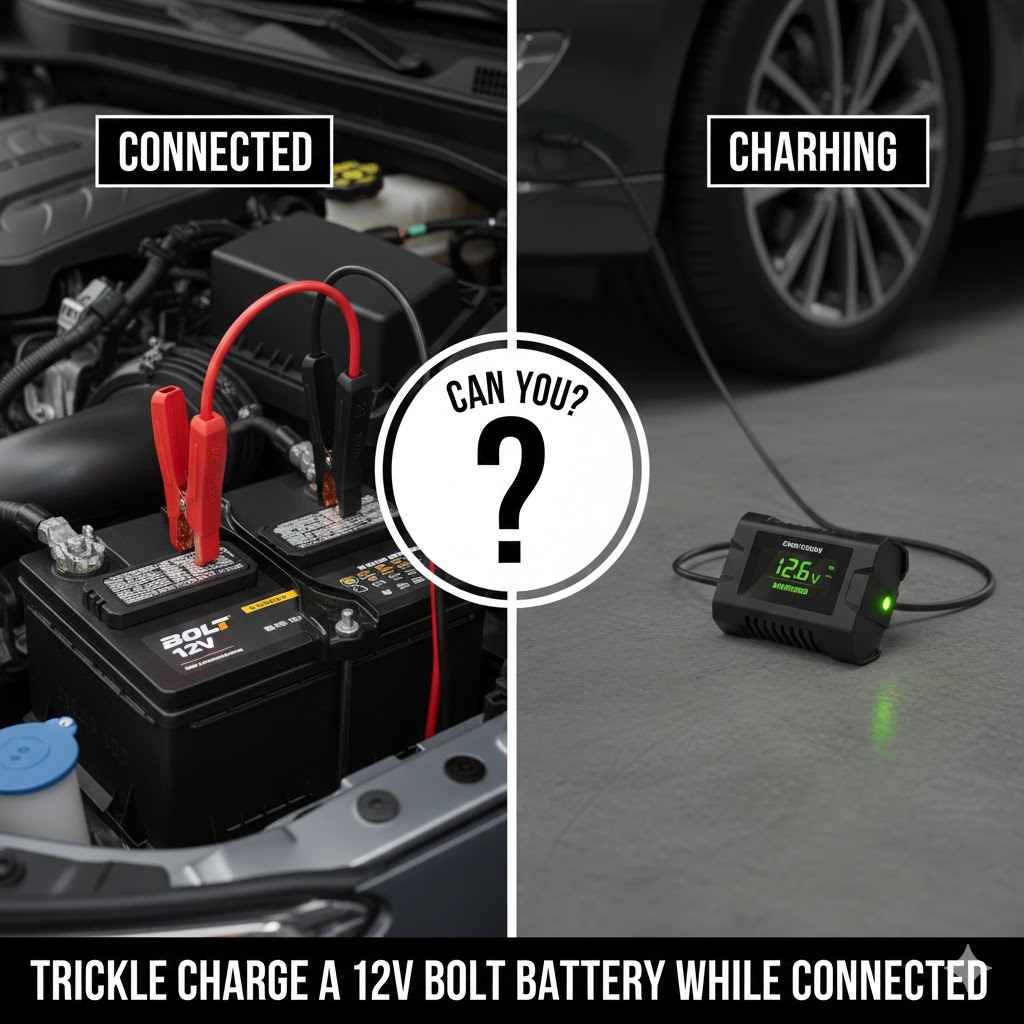
Can You Trickle Charge a 12V Bolt Battery While Connected?
Many people wonder, Can You Trickle Charge a 12V Bolt Battery While Connected? This question pops up because keeping a vehicle’s battery in good shape is important, but it can seem a bit tricky. For newcomers, figuring out how to safely charge a battery, especially when it’s still in the car, can feel confusing. Don’t worry though, we’re going to walk through it all step-by-step.
Let’s get your battery powered up the right way.
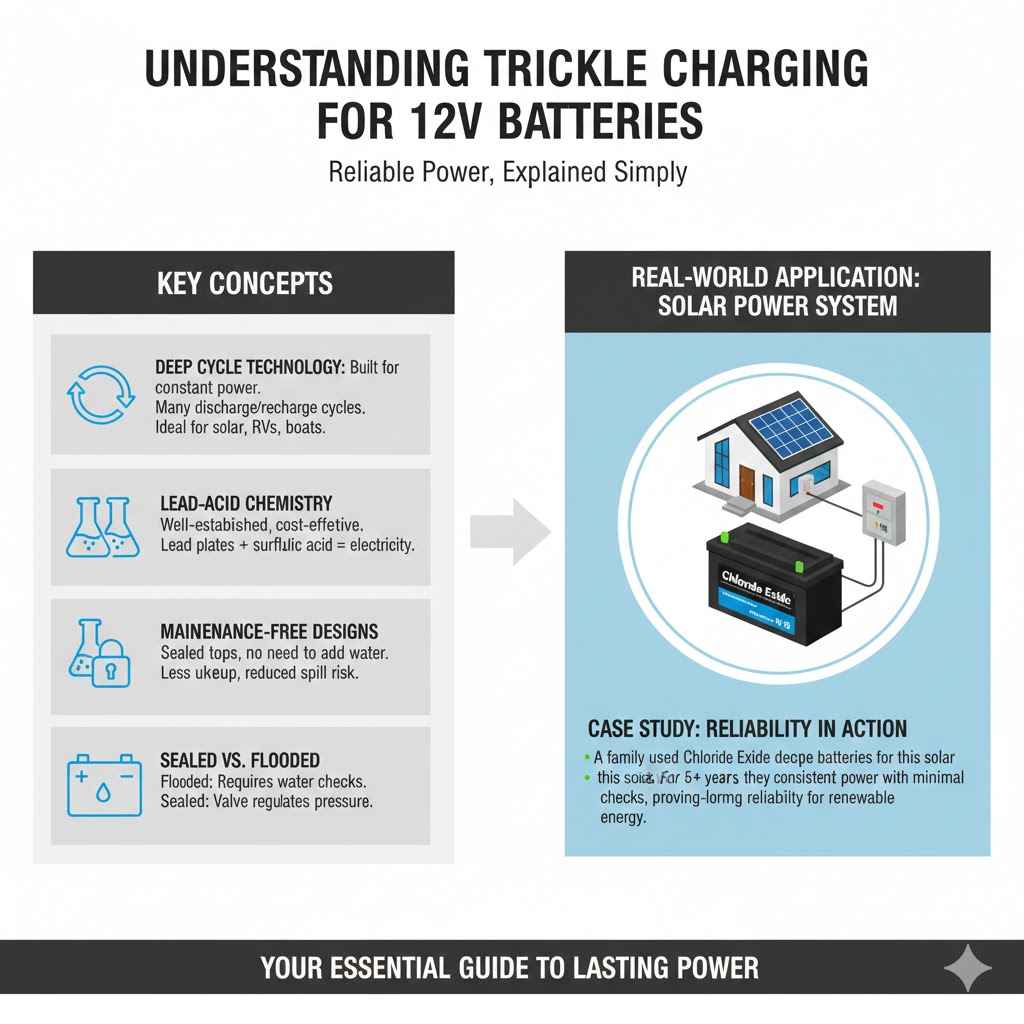
Understanding Trickle Charging for 12V Batteries
Trickle charging is a way to keep a battery topped up without overcharging it. It uses a low amount of current, just enough to replace the battery’s own small self-discharge. This is different from a fast charge, which uses more power to get a dead battery back to life quickly.
For a 12-volt battery, trickle charging is often seen as a maintenance task, especially for vehicles that aren’t used very often. It helps extend the battery’s lifespan by preventing it from sitting in a discharged state, which can cause damage over time.
When we talk about a “12V Bolt battery,” we’re usually referring to the 12-volt auxiliary battery found in electric vehicles like the Chevrolet Bolt. This battery powers many of the car’s electronic systems when the main high-voltage battery is not in use. Keeping this 12V battery healthy is vital for the car to start and function correctly.
Understanding how to maintain it, including trickle charging, is a key part of owning such a vehicle.
What is a Trickle Charger
A trickle charger is a specific type of battery charger. It’s designed to deliver a very low, constant amount of electrical current to a battery. Think of it like a slow, steady drip rather than a gushing faucet.
The main purpose of a trickle charger isn’t to revive a completely dead battery quickly. Instead, its job is to counteract the battery’s natural tendency to lose charge over time, a process called self-discharge. This is especially useful for batteries that sit unused for extended periods.
The low current ensures that the battery won’t get damaged by too much energy. Modern trickle chargers are often “smart” or “automatic.” This means they can sense the battery’s charge level and adjust the current accordingly. Some can even detect when the battery is fully charged and stop delivering power, or switch to a very low maintenance mode.
This prevents overcharging, which can shorten a battery’s lifespan and even cause damage like overheating or internal corrosion.
The key components of a trickle charger include a power source (usually a wall outlet), a transformer to step down the voltage, a rectifier to convert AC to DC power, and a control circuit. The control circuit is what makes smart trickle chargers intelligent. It monitors the battery’s voltage and adjusts the charging current.
For a 12V battery, the charger will aim to keep its voltage at a specific level, typically around 13.5 to 13.8 volts, which is the ideal float charge voltage.
How Trickle Charging Works
Trickle charging is all about slow and steady. A trickle charger sends a small, consistent flow of electricity to the battery. This current is low enough that it won’t cause the battery to overheat or damage its internal components.
Its primary goal is to offset the battery’s self-discharge rate. All batteries naturally lose some of their charge over time, even when not connected to anything. A trickle charger provides just enough power to replace this lost charge, keeping the battery at a healthy, full state.
The process typically starts when the charger is connected to a battery that has a slightly lower voltage than what the charger aims to maintain. The charger then begins delivering its low current. As the battery charges, its voltage rises.
Advanced trickle chargers have sensors that monitor this voltage. Once the battery reaches its full charge, these smart chargers will either reduce the current to a maintenance level or temporarily stop charging until the voltage drops slightly again. This cycle ensures the battery stays fully charged without being overworked.
A common analogy is watering a plant. A quick, heavy watering might drown it, but a gentle, consistent watering keeps it healthy. Similarly, a trickle charger provides the right amount of “energy watering” for the battery.
This gentle approach is crucial for long-term battery health, preventing the formation of sulfate crystals on the battery plates, which can reduce its capacity and lifespan.
Benefits of Trickle Charging
One of the biggest benefits of trickle charging is extending the lifespan of your 12V battery. Batteries that frequently sit in a partially discharged state are more prone to damage. This damage can include sulfation, where lead sulfate crystals build up on the battery plates.
These crystals reduce the battery’s ability to hold a charge and deliver power. Trickle charging keeps the battery at a full charge, which helps prevent this harmful buildup.
Another advantage is ensuring your vehicle is always ready to go. If you don’t drive your car regularly, the battery can slowly lose power. This can lead to a dead battery when you need your car the most.
A trickle charger maintains the battery’s charge, so you won’t have to worry about jump-starting or dealing with the inconvenience of a dead battery.
Trickle chargers are also very energy-efficient. They use a small amount of electricity, making them inexpensive to run. They are a low-cost way to protect your battery and avoid potentially expensive battery replacement costs down the line.
For electric vehicles like the Chevy Bolt, keeping the 12V battery healthy is critical for the car’s overall operation, including starting up the main systems. So, a trickle charger can be a smart investment.
Can You Trickle Charge a 12V Bolt Battery While Connected
Yes, you absolutely Can You Trickle Charge a 12V Bolt Battery While Connected? This is a common practice and is generally safe when done correctly. The 12V battery in a Chevrolet Bolt, like other modern vehicles, is designed to handle a trickle charge even when it’s connected to the car’s electrical system. Modern trickle chargers are intelligent enough to manage the charging process without interfering with the car’s electronics.
The key is to use the right type of charger and follow proper safety guidelines.
The car’s onboard computer systems are usually designed to protect themselves. A properly regulated trickle charger will not produce voltage spikes or surges that could harm these sensitive electronics. Instead, it will provide a stable, low-level current.
This is particularly helpful for electric vehicles that might sit for longer periods between charges or use, where maintaining the health of the 12V battery is crucial for the vehicle’s standby systems.
It’s important to understand that this is different from jump-starting a car, which involves a much higher current. Trickle charging is a gentle, long-term maintenance strategy. We will explore the specific considerations and best practices for performing this task to ensure both your battery and your vehicle remain safe and sound.
Safety Precautions for Connected Charging
When you’re considering if you Can You Trickle Charge a 12V Bolt Battery While Connected?, safety is the most important thing. You want to make sure that neither the battery nor your car’s electronics get damaged. First, always ensure you are using a trickle charger specifically designed for 12V automotive batteries.
Avoid using old, manual chargers that don’t have automatic shut-off or voltage regulation features, as these can easily overcharge a battery.
It’s also crucial to connect the charger correctly. Always attach the positive (red) clamp to the positive terminal of the battery and the negative (black) clamp to the negative terminal. If you’re unsure which terminal is which, consult your vehicle’s owner’s manual or look for the ‘+’ and ‘-‘ symbols.
Incorrect connections can cause short circuits and damage the vehicle’s electrical system or the charger itself.
Another safety tip is to ensure good ventilation around the battery. Batteries can release small amounts of hydrogen gas during charging, which is flammable. While trickle charging produces very little gas, it’s still good practice to charge in a well-ventilated area, away from any open flames or sparks.
Also, make sure the charger and all connections are dry. Water and electricity do not mix, so any dampness can be a safety hazard.
Choosing the Right Trickle Charger
Selecting the correct trickle charger is vital for safely charging a 12V Bolt battery while it’s connected to the vehicle. You’ll want to look for a charger that is “smart” or “automatic.” These chargers are equipped with microprocessors that monitor the battery’s voltage and charge level. When the battery reaches full charge, the smart charger will automatically reduce the current to a maintenance level or switch off completely.
This prevents overcharging, which is a primary concern when charging a battery while it’s still connected to the car.
The amperage rating of the trickle charger is also important. For maintenance purposes, a charger with a low amperage, typically between 1 to 3 amps, is ideal. This low current ensures that the charging process is slow and gentle, minimizing any potential strain on the vehicle’s electrical system.
Chargers with higher amperages are meant for faster charging of deeply discharged batteries and are generally not recommended for continuous maintenance charging while the battery is connected.
Look for chargers that are specifically advertised as being safe for use with modern vehicles. Many reputable brands offer chargers that have features like reverse polarity protection, which prevents damage if the clamps are accidentally connected incorrectly, and spark-proof technology. Reading reviews and checking for certifications from organizations like UL can also help you make an informed decision about the quality and safety of a particular trickle charger.
Connecting the Trickle Charger
Connecting a trickle charger to your 12V Bolt battery while it’s in the car is a straightforward process. First, locate the 12V battery. In many Chevrolet Bolt models, this battery is located under the hood.
Consult your owner’s manual if you’re unsure of its exact location. Ensure the vehicle is turned off and all accessories are powered down before you begin.
Once you have identified the battery terminals, take the positive (red) clamp from your trickle charger and attach it securely to the positive terminal of the battery. This is usually marked with a ‘+’ sign. Then, take the negative (black) clamp from the charger and attach it securely to the negative terminal of the battery, usually marked with a ‘-‘ sign.
Some vehicles have specific grounding points that are recommended for connecting the negative clamp instead of directly to the battery’s negative terminal; always check your owner’s manual for these specifics.
After the clamps are securely attached, plug the trickle charger into a grounded electrical outlet. The charger should indicate that it is in charging mode. Most smart trickle chargers will automatically begin the charging process.
It’s important to double-check that the connections are firm and that no sparks are generated during the connection process. If sparks occur, immediately disconnect and re-examine your connections.
How to Monitor the Charging Process
Even with a smart trickle charger, it’s a good idea to monitor the charging process, especially when it’s connected to your vehicle. Most modern trickle chargers have indicator lights that show the status of the charge. A common setup is a light that indicates when the battery is charging, another for when it’s nearly full, and a third for when it’s fully charged and in maintenance mode.
Pay attention to these lights to understand what the charger is telling you about your battery’s state.
Some higher-end trickle chargers also have a small digital display that shows the current voltage of the battery. This can be very useful for tracking the progress of the charge. You can compare the voltage reading to typical fully charged values for a 12V battery, which is usually around 13.5 to 13.8 volts when on a float charge.
If you notice the voltage rising significantly higher than this range, it could indicate a problem with the charger or the battery itself.
Regularly checking the connections is also part of monitoring. Ensure the clamps remain securely attached to the battery terminals. Vibration from the car or external factors could potentially loosen them over time.
While trickle charging is a low-current process, loose connections can lead to inefficient charging or, in rare cases, create resistance that generates heat.
Interpreting Charger Indicator Lights
Understanding the lights on your trickle charger is key to knowing what’s happening with your 12V Bolt battery. Typically, you’ll see a light for “charging” or “power,” often green or red, indicating that the charger is receiving power and actively sending it to the battery. This light should be illuminated when the charging process begins and continues until the battery is near full capacity.
Another common indicator is for “charged” or “float,” often a different color like blue or green. This light usually comes on when the battery has reached its optimal charge level. The charger then switches to a maintenance mode, providing a minimal current to keep the battery topped up.
If the charger has a “fault” or “error” light, pay close attention to it. This could signal a problem with the battery, the charger, or the connection, such as reverse polarity or a damaged battery.
Some advanced chargers might have a more nuanced set of lights, perhaps indicating different stages of charge like “75%” or “100%.” Regardless of the specific design, familiarize yourself with your charger’s manual. It will detail exactly what each light signifies. This knowledge helps you confirm that the charging is proceeding as expected and allows you to identify potential issues early on.
Voltage Readings and What They Mean
The voltage of a 12V battery is a good indicator of its charge level. When a trickle charger is actively charging, you’ll typically see the voltage reading climb. A fully charged 12V lead-acid battery, when not under load and resting, usually shows a voltage between 12.6 and 12.8 volts.
However, when a trickle charger is connected and actively supplying power, the voltage can rise higher, often into the 13.5 to 14.7 volt range, depending on the charger’s “float” voltage setting.
If you’re using a smart trickle charger that shows real-time voltage, you can observe this increase. Once the battery reaches its full charge, a good charger will maintain it at a “float” voltage, which is usually around 13.5 to 13.8 volts. This level is high enough to keep the battery topped up but low enough to prevent damage from overcharging.
If you see the voltage consistently staying above 14.5 volts for an extended period while on trickle charge, it might indicate an issue.
A voltage that drops significantly below 12.6 volts for a resting battery suggests it is not holding a charge well, possibly due to age or damage. If, after a full trickle charge, the voltage quickly drops when the charger is disconnected, the battery may be unable to hold its charge effectively. It’s important to note that the battery in your Bolt is an accessory battery, and its voltage can fluctuate slightly based on the car’s system demands, even when parked.
However, significant deviations from expected ranges during charging should be investigated.
When to Disconnect the Trickle Charger
For most modern smart trickle chargers, you don’t necessarily need to disconnect them. They are designed to be left connected for extended periods, automatically maintaining the battery’s charge without overcharging. This is their primary purpose – to keep the battery in peak condition when the vehicle isn’t being used regularly.
However, there are a few situations where you might choose to disconnect it. If you are planning to drive the vehicle for a longer trip, you might disconnect the trickle charger before you start. While safe, it’s not strictly necessary as the vehicle’s alternator will take over charging duties once the engine is running.
Also, if you notice any unusual behavior from the charger, such as constant error lights or excessive heat, it’s best to disconnect it immediately and investigate the issue.
Another reason to disconnect might be during extreme weather conditions, such as thunderstorms, where there’s a risk of power surges. While unlikely to harm a smart charger, some owners prefer to err on the side of caution. For routine maintenance, leaving a quality trickle charger connected indefinitely is generally safe and beneficial for the battery’s health.
Potential Risks and How to Avoid Them
While trickle charging a 12V Bolt battery while connected is generally safe, there are potential risks if not done correctly. The biggest concern is overcharging, which can damage the battery by causing it to overheat, leading to a reduced lifespan or even failure. This is particularly a risk with older, non-automatic chargers that don’t have the ability to regulate the charge.
Using a smart, automatic trickle charger specifically designed for automotive batteries significantly mitigates this risk.
Another potential issue is incorrect polarity. Connecting the charger’s positive clamp to the battery’s negative terminal, and vice versa, can cause short circuits. This can damage both the charger and the vehicle’s delicate electronic control units (ECUs).
Always double-check your connections before plugging the charger in. Many modern chargers have reverse polarity protection, which acts as a safeguard, but it’s still best practice to connect them correctly from the start.
Corrosion at the battery terminals can also be a problem. If the terminals are dirty or corroded, the connection might be poor, leading to inefficient charging or even sparking. Before connecting the charger, it’s a good idea to inspect the battery terminals and clean them if necessary.
This ensures a good electrical contact and prevents potential issues down the line.
Overcharging Concerns
Overcharging is the primary risk associated with trickle charging, especially if you’re using an older or basic charger. When a battery is continuously supplied with more power than it needs, it can lead to several problems. The battery can overheat, which can cause the internal components to warp or melt.
This damage is irreversible and will shorten the battery’s life significantly. It can also lead to the electrolyte inside the battery boiling, releasing excessive hydrogen gas.
This hydrogen gas, as mentioned before, is highly flammable. In a confined space or with a spark, it could potentially cause an explosion. Modern smart trickle chargers are designed to prevent this.
They monitor the battery’s voltage and stop or significantly reduce the current once the battery is full. This “float” or “maintenance” mode is crucial for preventing overcharging when the charger is left connected for long periods.
To avoid overcharging, always use a charger that is specifically advertised as a “smart,” “automatic,” or “maintainer” charger. These have built-in safety features that regulate the charging process. If your charger doesn’t have these features, it’s best to monitor it closely and disconnect it once the battery is fully charged.
Never leave an old, non-automatic charger connected unattended for extended periods.
Incorrect Polarity Issues
Connecting a charger with the wrong polarity, meaning the positive clamp is connected to the negative terminal and vice versa, is a serious mistake. This creates a direct short circuit through the battery and potentially the vehicle’s electrical system. The immediate consequence can be sparks, and in some cases, damage to sensitive electronic components within the vehicle.
Modern cars, like the Chevrolet Bolt, have complex computer systems that can be very sensitive to power fluctuations or incorrect electrical connections.
Many reputable trickle chargers come equipped with reverse polarity protection. This feature is designed to prevent damage if the clamps are connected incorrectly. If reverse polarity is detected, the charger will typically refuse to charge or may display an error code.
However, relying solely on this protection is not advisable. It’s always best to manually verify that the red clamp is on the positive terminal and the black clamp is on the negative terminal before powering up the charger.
If you accidentally connect with reverse polarity and the charger has protection, it simply won’t work. If it doesn’t have protection, or if the surge is too great, it could cause damage. Always take a moment to confirm the terminal markings on the battery and the corresponding colors of the charger clamps.
It’s a simple step that can prevent costly repairs.
Terminal Corrosion and Connection Quality
Battery terminal corrosion is a common issue that can affect the efficiency and safety of charging. Corrosion appears as a white, blue, or greenish powdery substance on the battery terminals and cable connectors. This buildup is conductive, but it can also create resistance in the electrical circuit.
Poor contact between the charger clamp and the battery terminal can lead to inefficient charging, meaning the battery might not reach its full charge capacity.
Furthermore, poor connections can generate heat. As current flows through a point of high resistance, it can cause the connection to become warm, which is undesirable. In extreme cases, this heat can potentially damage the battery terminal or the clamp itself.
For trickle charging, where the current is low, this might not be a major safety hazard, but it still prevents optimal charging.
To ensure a good connection, it’s recommended to inspect your battery terminals periodically. If you see any signs of corrosion, disconnect the battery cables (always disconnect the negative cable first, then the positive, and reconnect in reverse order: positive then negative) and clean the terminals and cable clamps thoroughly. A wire brush or a specialized battery terminal cleaner can be used for this.
After cleaning, ensure the clamps are securely tightened onto the terminals, providing a solid electrical connection for the trickle charger.
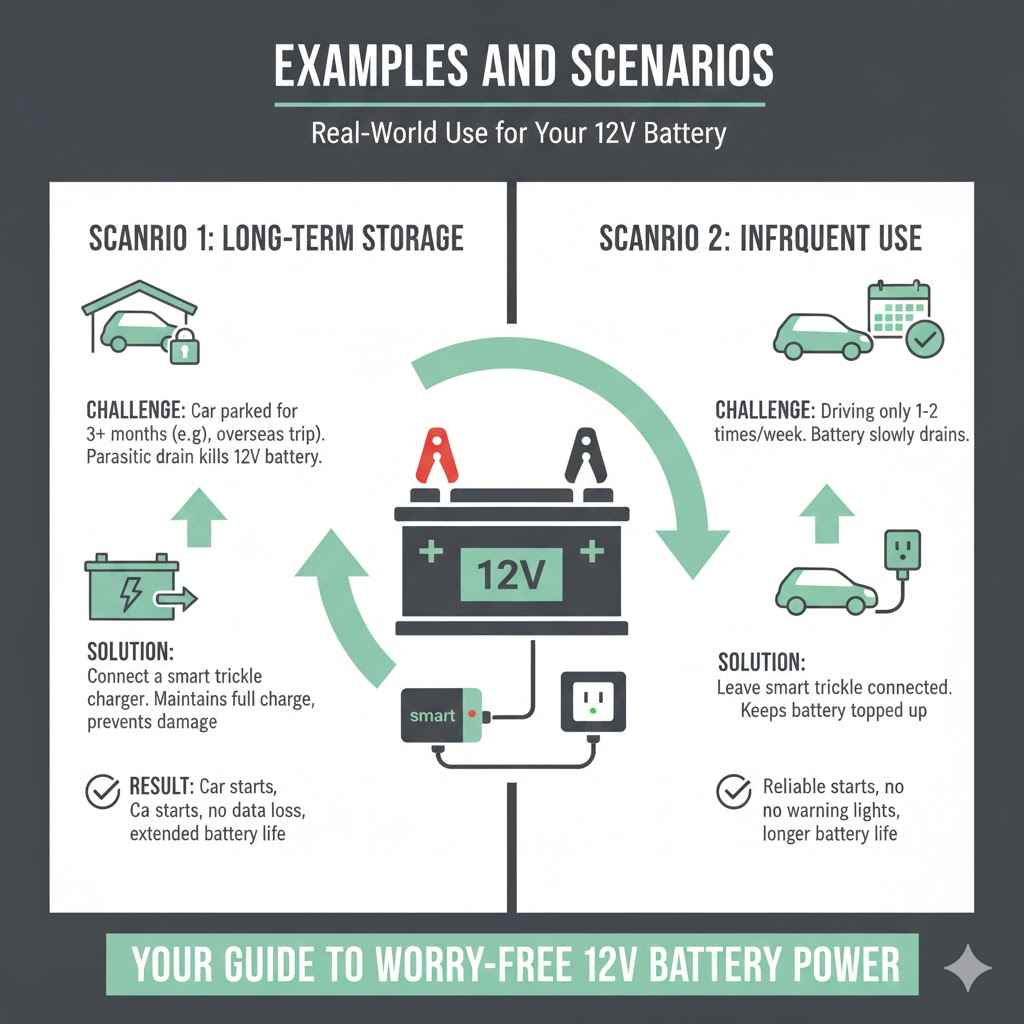
Examples and Scenarios
Let’s look at a couple of real-life situations where trickle charging a 12V Bolt battery while connected makes sense. Imagine someone who works from home and only drives their Chevrolet Bolt on weekends. During the week, the car sits idle.
The 12V battery, which powers the car’s computers, security system, and ability to “wake up” for charging, can slowly lose charge. Without any maintenance, by the time the weekend arrives, the battery might be low enough to cause issues, like slow system responses or even prevent the car from being ready to drive.
In this scenario, connecting a smart trickle charger to the 12V battery before going to bed on Sunday night, and leaving it connected throughout the week, ensures that the battery remains at its optimal charge level. When Saturday morning comes, the car will be fully ready to go, no hesitation, no error messages related to the 12V battery. The trickle charger uses minimal electricity and protects the battery from the damaging effects of sitting discharged.
Another example is a Bolt owner who travels frequently for work. They might be away for weeks at a time. During these periods, the car is parked.
The onboard systems, even when the car is off, draw a small amount of power. A trickle charger provides the necessary current to offset this drain, preventing the 12V battery from becoming deeply discharged. This is crucial for the car’s ability to maintain its settings, receive software updates over the air, and be ready for immediate use upon the owner’s return.
Scenario 1 Long-Term Storage
Consider a scenario where a Chevrolet Bolt owner needs to store their vehicle for an extended period, perhaps for three months while on an overseas assignment. Leaving a car parked for such a duration without any battery maintenance can lead to a completely dead 12V battery. This is because even when the car is “off,” its various electronic modules, such as the anti-theft system, keyless entry receivers, and onboard computers, draw a small amount of power.
This is known as parasitic drain.
Without a trickle charger, this constant drain will eventually deplete the 12V battery. A deeply discharged lead-acid battery can suffer permanent damage, including sulfation, which reduces its capacity and lifespan. When the owner returns, they might find the car completely unresponsive, requiring a jump start and potentially a new battery.
By connecting a smart trickle charger to the 12V battery and leaving it plugged in for the entire three months, the battery will be continuously topped up. The charger will supply just enough power to counteract the parasitic drain, ensuring the battery remains healthy and ready for use upon their return.
This proactive approach prevents the costly and inconvenient consequences of a dead battery. The trickle charger acts as an automated guardian, maintaining the battery’s charge without intervention, making the return to driving smooth and hassle-free.
Scenario 2 Infrequent Use
Let’s take the example of a retired individual who uses their Chevrolet Bolt for occasional errands and weekend trips. They might only drive the car an average of once or twice a week. On days the car isn’t driven, the 12V battery is subject to self-discharge and the small parasitic drain from the car’s systems.
Over time, these small drains can add up, especially if the car isn’t driven long enough on its outings to fully replenish the battery charge.
This can lead to a gradual weakening of the 12V battery. Eventually, the driver might notice warning lights on the dashboard, slower responsiveness from the infotainment system, or even issues with the car not being ready to drive when needed. To prevent this, the owner can connect a smart trickle charger to the 12V battery.
This charger can be left plugged in most of the time. It will automatically keep the battery at its optimal charge level, compensating for any small power draws.
This ensures that no matter when the owner decides to use the car, the 12V battery will have sufficient power. It’s a simple way to maintain battery health, extend its lifespan, and avoid the frustration of dealing with a dead battery, making car ownership much more reliable and enjoyable.
Frequently Asked Questions
Question: Can I use a regular battery charger for my 12V Bolt battery?
Answer: It’s best to use a trickle charger or a smart maintainer designed for 12V automotive batteries. Regular chargers can deliver too much current and may not have the safety features needed to prevent overcharging or damage to your car’s electronics.
Question: How long should I trickle charge my 12V Bolt battery?
Answer: With a smart trickle charger, you can leave it connected indefinitely. These chargers automatically regulate the charge and switch to maintenance mode when the battery is full, preventing overcharging.
Question: Will trickle charging affect my car’s warranty?
Answer: Using a compatible trickle charger correctly is generally not considered a modification that would void your vehicle’s warranty. Always refer to your owner’s manual or consult with your dealership if you have specific concerns.
Question: What happens if I connect the trickle charger backwards?
Answer: Many modern trickle chargers have reverse polarity protection, meaning they won’t charge if connected incorrectly. However, incorrect connections can still potentially cause damage to the charger or vehicle electronics, so always double-check your connections.
Question: How do I know if my 12V Bolt battery needs trickle charging?
Answer: If you don’t drive your car regularly, or if it sits for extended periods, trickle charging is recommended. Also, if you notice slower system responses or battery-related warning lights, it might indicate a need for charging.
Summary
Yes, you can trickle charge a 12V Bolt battery while connected safely. Using a smart, automatic trickle charger designed for 12V automotive batteries is key. It prevents overcharging and protects your vehicle’s sensitive electronics.
Follow proper connection procedures and monitor indicator lights. This practice ensures your battery stays healthy, extends its life, and keeps your Bolt ready for use, especially during periods of infrequent driving or storage.