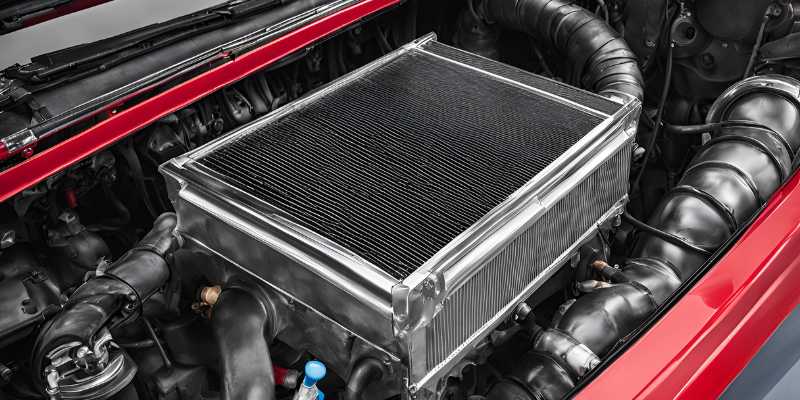
What Does a Radiator Do in a Car? How It Cools Your Engine
A car radiator cools the engine. It prevents overheating by transferring heat away.
Understanding the role of a radiator is crucial for car maintenance. The radiator is a key component in a car’s cooling system. It ensures the engine runs efficiently without overheating. This blog post will explain how a radiator works and its importance.
By the end, you’ll understand why keeping your radiator in good condition is essential. Whether you are a car enthusiast or just a driver, knowing about your radiator can save you from costly repairs. Let’s dive in and explore what a radiator does in a car.
Quick Answer
A car radiator cools the engine by circulating coolant through the engine block, then passing that hot coolant through thin tubes and fins where outside air (helped by a fan) pulls the heat away before the coolant flows back to the engine. Without it, engine temperatures would climb past 250 degrees F within minutes and cause serious damage.
Introduction To Radiators
A radiator helps keep a car engine cool. It removes extra heat from the engine. Engines get very hot when they run. If the heat stays, it can damage the engine. The radiator makes sure the engine does not overheat.
Engine cooling is very important. Without it, the engine can break down. Cool engines run better and last longer. The radiator helps in this process. It uses coolant to absorb heat. Then it releases the heat outside the car.
This keeps the temperature just right. A well-functioning radiator means a healthy engine. It is a key part of the car’s cooling system.
Components Of A Radiator
The core of a radiator is its main part. It is made up of tubes and fins. Tubes carry the coolant. Fins increase the surface area. This helps in better cooling. The coolant flows through the tubes. Fins transfer heat to the air. This cools the engine.
Radiators have two tanks. One at the top, one at the bottom. These are called coolant tanks. They hold the coolant. Hoses connect the radiator to the engine. The top hose brings hot coolant in. The bottom hose returns it cooled. This cycle keeps the engine at the right temperature.
How A Radiator Works
A radiator cools the engine by circulating coolant and releasing heat. It prevents overheating and maintains optimal engine temperature.
Heat Exchange Process
The radiator helps keep your car engine cool. It does this through a heat exchange process. Hot coolant from the engine flows into the radiator. Air passes over the radiator fins. This cools down the hot coolant. The coolant then returns to the engine. This cycle keeps the engine from overheating.
Coolant Circulation
The coolant moves through the engine and the radiator. It picks up heat from the engine. It moves to the radiator to cool down. The water pump helps push the coolant around. This keeps the engine at the right temperature. Without this, the engine would get too hot. Keeping the engine cool is very important.
The Thermostat: What Controls When Coolant Flows
The radiator doesn’t work alone. A thermostat sits between the engine and the radiator and acts as a valve. When the engine is cold, the thermostat stays closed so coolant skips the radiator and the engine warms up faster. Once the engine reaches its normal operating temperature (roughly 185-205°F, or about 85-96°C), the thermostat opens and lets hot coolant flow into the radiator to be cooled. This is why a car’s temperature gauge can climb after startup and then level off — that’s the thermostat opening for the first time. Read more about what temperature a car should run at once it’s fully warmed up.
The Pressure Cap: Why the Cooling System Is Sealed
The radiator cap does more than seal the top of the radiator — it pressurizes the entire cooling system, usually to around 13-16 psi. Pressurizing the coolant raises its boiling point. A typical 50/50 coolant-and-water mix boils at about 220°F at normal atmospheric pressure, but under 15-16 psi of cap pressure that same mix doesn’t boil until roughly 250°F. That extra margin is what keeps coolant liquid (instead of turning to steam) during hard driving or hot weather. If the cap’s spring-loaded valve wears out and can’t hold pressure, the system can boil over at a much lower temperature.
Cooling Fans: Electric vs. Clutch-Driven
At low speeds there isn’t enough airflow moving through the grille on its own, so a fan pulls extra air through the radiator fins. Older and heavy-duty vehicles often use a clutch-driven fan that’s mechanically connected to the engine and speeds up or slows down with engine RPM. Most modern cars instead use one or two electric fans wired to a temperature sensor or the engine computer, which can keep running for a few minutes after the engine is shut off — a normal safety feature, not a sign of a problem.
Our Top Pick
Orion Motor Tech Coolant Pressure Tester Kit (19-pc)
Best for: Finding a slow coolant leak or a weak radiator cap before it leaves you stranded.
Why we picked it: It pressurizes the system the same way the factory cap does, so you can watch the gauge for a pressure drop and pinpoint hoses, the water pump, or the cap itself as the source.
Main drawback: The included adapters won’t fit every radiator neck — check your car’s cap size first.
View Our Pick on Amazon
 Zerex Dex-Cool 50/50 Antifreeze Coolant Best for: Topping off or fully replacing old coolant. Why we picked it: Pre-mixed 50/50, so there’s no guessing on dilution ratio. Main drawback: Formulated for GM/Dex-Cool systems — check compatibility with your car first. Check on Amazon |
 Gates Safety Release Radiator Cap Best for: Replacing a worn cap that won’t hold pressure. Why we picked it: A weak spring is a common, cheap cause of low-speed boil-over. Main drawback: Must match your radiator’s specific pressure rating. Check on Amazon |
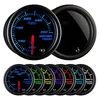 GlowShift Coolant Temperature Gauge Kit Best for: Keeping a real-time eye on coolant temperature. Why we picked it: Catches a rising temperature before the factory gauge or warning light does. Main drawback: Requires drilling into a coolant line or using a T-fitting to install the sender. Check on Amazon |
Types Of Radiators
Aluminum radiators are light and cool fast. They are good for high performance. Copper radiators are heavy but last long. They are better for older cars. Both types have their own benefits. Choose based on your car’s needs.
Single pass radiators allow coolant to pass through once. They are simple and work well for most cars. Double pass radiators let coolant go through twice. This makes cooling more efficient. They are best for high-performance cars.
Signs Of Radiator Problems
An overheating engine is a key sign of radiator trouble. The temperature gauge will rise quickly. Steam may come from the hood. This happens because the radiator can’t cool the engine. Engine damage can occur if not fixed.
Coolant leaks are another sign. You might see puddles of coolant under your car. Low coolant levels can cause the engine to overheat. The coolant is usually green, red, or yellow. Check for leaks if the coolant light comes on. See why your car might be leaking antifreeze for common leak points to check first.
Radiator vs. Thermostat vs. Water Pump: What’s Actually Overheating Your Car?
An overheating engine doesn’t always mean the radiator is the problem. The radiator, thermostat, and water pump work as a team, and each one fails in a different, recognizable way. Here’s how to tell them apart before you start replacing parts:
| Component | Typical Symptom | Any Noise? | Likely Fix |
|---|---|---|---|
| Radiator | Gradual overheating, visible coolant puddles, bent or clogged fins, sweet smell after driving | No | Repair a leak, clean fins, or replace the unit |
| Thermostat (stuck closed) | Engine warms up normally, then keeps climbing past normal temperature | No | Replace the thermostat ($20-$50 part) |
| Thermostat (stuck open) | Gauge never reaches the middle of the normal range; poor heater performance | No | Replace the thermostat |
| Water pump | Coolant stays still even as temperature climbs; leaking or residue near the front of the engine; loose pulley | Whining or squealing | Replace the pump and belt |
One quick at-home check: with the engine running and warmed up, gently squeeze the upper radiator hose (careful, it’s hot). If it’s rock-hard with no pulse, the thermostat may be stuck closed and blocking flow. If it’s cool and limp while the temperature gauge is climbing, the water pump likely isn’t circulating coolant at all.
It’s also worth noting the radiator isn’t the same part as the heater core. The heater core is a smaller radiator-like unit inside the dashboard that uses hot engine coolant to warm the cabin, and it doesn’t cool the engine at all. A failing heater core causes a weak or cold heater and sometimes a sweet smell inside the car, not engine overheating.
Radiator Maintenance Tips
Regular inspections are essential. Check your radiator for leaks or damage. Look at the hoses connected to it. Make sure there are no cracks. Inspect the coolant level. A low level could mean a leak. Clean the radiator fins. Dust and debris can block airflow. Blocked airflow leads to overheating. Always keep an eye on the temperature gauge. It shows if your engine is too hot.
Coolant flushes are important. Old coolant becomes dirty. It loses its ability to cool the engine. Flushing the system removes old coolant. Fresh coolant works better. Follow the car’s manual for flush intervals. Usually, every two years is good. Use the right type of coolant. Different engines need different coolants. Mixing coolants can cause problems. Our step-by-step coolant flush guide walks through the full process and typical cost.
Choosing The Right Radiator
Compatibility with Car Model is very important. Different cars need different radiators. A radiator must fit your car model. Check the car manual. It will tell you the right size and type. Using the wrong radiator can cause problems. It may not fit or work well. This can lead to overheating. Always match the radiator to your car model.
Performance Needs also matter. Some cars need better cooling. Sports cars need high-performance radiators. Regular cars need standard radiators. Think about how you use your car. If you drive a lot, a better radiator is good. If you drive in hot places, consider a high-performance radiator. The right radiator will keep your car running smooth.
DIY Radiator Repairs
Fixing a radiator can be simple. Check the coolant level first. Low coolant causes overheating. Add more if needed. Look for leaks next. Small leaks are common. Use a sealant to fix them. Clean the radiator fins too. Dirt can block airflow. A clean radiator works better.
Not all problems can be fixed at home. Seek help if the radiator is cracked. Professionals handle big repairs. Strange noises need expert care too. Never ignore warning lights. They signal serious issues. A professional ensures safety. Trust them for major fixes.
Frequently Asked Questions
What Is The Main Function Of A Car Radiator?
A car radiator cools the engine by dissipating heat. It maintains optimal engine temperature. This prevents overheating and potential engine damage.
How Does A Radiator Cool An Engine?
A radiator cools an engine using coolant. The coolant circulates through the engine, absorbs heat, and releases it through the radiator.
Why Is My Car Radiator Important?
Your car radiator is essential for engine health. It prevents overheating, ensuring your engine runs efficiently and avoids damage.
How Often Should I Check My Car Radiator?
Check your car radiator every 6 months. Regular maintenance ensures it functions properly and avoids overheating issues.
Is the Radiator the Same as the Heater Core?
No. The radiator cools the engine using outside air, while the heater core is a smaller unit inside the dashboard that uses hot engine coolant to warm the cabin. They both use coolant, but they do opposite jobs.
What Happens If Your Radiator Fails While You’re Driving?
The temperature gauge will climb quickly and a warning light may appear. Pull over and shut off the engine as soon as it’s safe. Continuing to drive with a failed radiator can cause the engine to overheat severely enough to warp the cylinder head or blow a head gasket.
Conclusion
A car radiator is vital for engine health. It keeps the engine cool. Without it, the engine overheats. Regular maintenance ensures the radiator works well. Check coolant levels often. Clean the radiator to avoid clogs. A well-functioning radiator means a smooth-running car.
It extends engine life. Stay on top of radiator care. Your car will thank you.
Products related to this article
Sponsored / affiliate links. As an Amazon Associate I earn from qualifying purchases. I may earn additional commission from eligible campaigns.