Does Car Insurance Cover a Stolen Car? Claim Process Explained
Yes, car insurance covers a stolen car – but only if you carry comprehensive coverage. Liability and collision policies do not pay for theft.
659,880 vehicles were reported stolen in the United States in 2025, according to the National Insurance Crime Bureau – roughly one every 48 seconds. If yours is one of them, the coverage type on your policy decides everything: whether you get paid at all, how long it takes, and how much you actually receive after your deductible.
This guide walks through the real claims timeline, how insurers calculate your payout, what happens if you still owe money on the car, and the steps to take in the first 24 hours after your car goes missing.
Which Type of Car Insurance Covers Theft
Comprehensive coverage is the only part of a standard auto policy that pays out for a stolen vehicle. It also covers vandalism, fire, flooding, and animal damage – essentially anything that isn’t a collision with another car or object.
Liability coverage, which is legally required in most states, only pays for damage or injury you cause to someone else. It never pays out on your own stolen car. Collision coverage only pays for damage from an accident, so a theft with no crash involved isn’t covered there either.
If your car is financed or leased, your lender almost certainly requires comprehensive coverage already. If you own your car outright and dropped comprehensive to save money, a stolen car means you cover the full replacement cost yourself.
VISUAL THEFT DETERRENT
 |
SURDOCA Steering Wheel Lock – $15.97 A visible anti-theft device like this can lower your risk before you ever need to file a comprehensive claim – and some insurers offer a small discount for using one.
|
How Long It Takes to Get Paid After a Car Theft
Most insurers do not declare a stolen car a total loss the moment you file the report. They typically wait 7 to 14 days to give police time to recover the vehicle, since a large share of stolen cars are found within that window – often abandoned or used briefly and dumped.
If your car is still missing after roughly 30 days, most policies allow the insurer to treat it as a total loss and move forward with a payout. Once that decision is made, the full claims process – valuation, paperwork, and the actual check or direct deposit – usually takes another one to two weeks. In total, plan on 30 to 45 days from the day you report the theft to the day you’re paid, assuming the car stays missing and there’s no dispute over the claim.
That timeline can stretch longer if the police report is delayed, the insurer suspects fraud, or there’s a dispute about your car’s value. It can move faster if your state or insurer has a shorter total-loss waiting period written into the policy – check your declarations page for the exact number.

How Your Payout Is Calculated
Comprehensive coverage pays your car’s actual cash value (ACV) – what it was worth right before the theft, based on age, mileage, condition, and comparable local sales – not what you originally paid for it and not what it would cost to replace with a brand-new model. The insurer subtracts your deductible from that ACV figure, and the remainder is your payout.
| Car’s Actual Cash Value | Deductible | Your Payout |
|---|---|---|
| $8,000 | $500 | $7,500 |
| $15,000 | $500 | $14,500 |
| $15,000 | $1,000 | $14,000 |
| $25,000 | $500 | $24,500 |
The average comprehensive deductible runs around $500, though many policies range from $250 to $1,000. A lower deductible means a bigger payout if your car is stolen, but it also means a higher monthly premium the whole time your car isn’t stolen – so it’s worth weighing which trade-off actually fits your situation.
What If You Still Owe Money on the Car
This is where a lot of stolen-car claims go wrong for drivers who financed or leased their vehicle. Your comprehensive payout is based on the car’s actual cash value – not your loan balance. Cars lose value faster than most loans get paid down, especially in the first two to three years, so it’s common to owe more than the car is currently worth.
If that happens and you don’t have GAP insurance (guaranteed asset protection), you could still owe your lender several thousand dollars for a car you no longer have. GAP coverage pays the difference between your comprehensive payout and your remaining loan balance, and the insurer typically pays your lender directly. GAP only works alongside comprehensive coverage – it doesn’t pay out on its own, and it has to already be in place before the theft happens.
If you financed a car in the last two to three years and skipped GAP coverage, it’s worth checking with your lender or insurer whether you can still add it, or budgeting for the possibility that a total loss leaves a gap you’d have to cover out of pocket.
What Happens If Your Car Is Found After You’re Paid
Once your insurer pays out a total-loss claim, they typically take ownership of the vehicle’s title and any salvage rights. If police recover your car after that point, you generally have two options: let the insurer keep it and sell it as salvage, or buy it back from them (usually at a reduced, pre-negotiated price) if you want it repaired and back on the road.
If your car is recovered before the claim is finalized, the process usually shifts from a theft claim to a damage claim – the insurer assesses whatever harm was done while it was missing (stripped parts, interior damage, mileage added) and pays for repairs instead of the full ACV.
Steps to Take Immediately After Your Car Is Stolen
- Call the police first. File a report right away and get the report number – your insurer will require it before opening a claim.
- Contact your insurance company the same day. Most companies expect prompt notice, and delaying can slow down or complicate your claim.
- Gather your car’s details. Have your policy number, VIN, make, model, year, and license plate ready.
- List anything valuable that was inside. Comprehensive auto coverage generally does not cover personal belongings left in the car – that’s typically a homeowners or renters insurance claim instead.
- Notify your lender if the car is financed. They’ll want to know and may need to coordinate with your insurer directly.
- Keep every document. The police report, your claim number, and any correspondence with the insurer all matter if there’s a dispute later.
How to Lower Your Theft Risk (and Sometimes Your Premium)
Parking matters more than most drivers assume. A well-lit, monitored lot or garage is a meaningfully harder target than a dark, secluded street, and many thefts are crimes of opportunity that a visible deterrent can prevent entirely.

- Use a visible anti-theft device, such as a steering wheel lock, in addition to your car’s built-in alarm
- Install a GPS tracking device so a stolen car can be located quickly, before it’s stripped for parts
- Always lock your doors and close your windows, even for a quick stop
- Never leave your key fob inside the car or running unattended, even to warm it up
- Ask your insurer about anti-theft discounts – alarms, trackers, and immobilizers can qualify for a lower comprehensive premium
For a deeper breakdown of exactly how comprehensive, liability, and collision coverage differ – including common exclusions and what counts as a covered loss – see our related guide on whether theft is covered in car insurance.
2025 Car Theft Statistics
Auto theft has actually been falling. Here’s what the National Insurance Crime Bureau reported for 2025:
| Statistic | 2025 Figure |
|---|---|
| Total vehicles reported stolen (U.S.) | 659,880 |
| Change from 2024 | Down 23% |
| Average time between thefts nationwide | Every 48 seconds |
| Most-stolen model | Hyundai Elantra (21,732 thefts) |
| Second most-stolen model | Honda Accord (17,797 thefts) |
| Hyundai + Kia share of all thefts | 14% (down from 21% in 2023) |
The steep three-year decline in Hyundai and Kia thefts follows a wave of viral social media challenges that exploited a missing engine immobilizer in older models – most 2022 and newer Hyundai and Kia vehicles now include immobilizers standard, and many older ones have been retrofitted through manufacturer software updates.
Frequently Asked Questions
Does insurance pay off your car if it’s stolen?
Comprehensive coverage pays the car’s actual cash value at the time it was stolen, minus your deductible – not the original purchase price and not your remaining loan balance. If you owe more than the car was worth, GAP insurance (if you have it) covers the remaining difference.
How long does it take for insurance to pay out on a stolen car?
Plan on roughly 30 to 45 days from the day you report the theft. Insurers usually wait 7 to 14 days for a possible recovery, then move toward declaring a total loss around the 30-day mark, followed by another one to two weeks to finalize the valuation and issue payment.
What happens if you still owe money on a car that gets stolen?
Your comprehensive payout is based on the car’s current value, not your loan balance, so you could still owe your lender money if the two don’t match. GAP insurance covers that difference; without it, you’re responsible for paying whatever remains on the loan yourself.
Will my insurance rates go up if my car is stolen?
Often, yes. Filing a comprehensive claim can raise your premium at renewal, even though theft isn’t your fault, because insurers price risk partly by claim history. The increase is usually smaller than for an at-fault accident, and some insurers offer accident/claim forgiveness that may soften the impact.
What if my stolen car is found after I’ve already been paid?
Once a total-loss claim is paid, the insurer typically owns the title. You can usually either let them keep and sell it as salvage, or buy it back from them at a reduced price if you want to repair it and drive it again.
Do I need a police report to file a car theft insurance claim?
Yes, virtually every insurer requires a police report before opening a theft claim. File it immediately after discovering the theft, and keep the report number handy – you’ll need to provide it when you contact your insurance company.
Conclusion
Car insurance covers a stolen car only through comprehensive coverage – liability and collision alone won’t pay out. If your car is stolen, expect roughly 30 to 45 days before you’re paid, a payout based on actual cash value minus your deductible, and a possible gap between that payout and your loan balance if you don’t carry GAP insurance.
Report the theft to police first, notify your insurer the same day, and keep every document along the way. A quick check of your policy’s comprehensive coverage and deductible today is far easier than discovering the gap after your car is already gone.
Products related to this article
Sponsored / affiliate links. As an Amazon Associate I earn from qualifying purchases. I may earn additional commission from eligible campaigns.
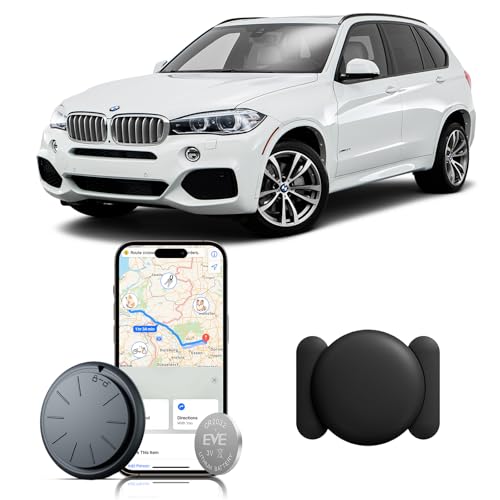 ZFSJTAG Car GPS Tracking Device for Vehicles, 1PCS Real Time GPS Tracker for Car, Work with Find My (iOS Only),Hidden Mini GPS Tracker,No Monthly Fee (Black Tracker, Black Magnetic Case)
 ZFSJTAG Car GPS Tracking Device for Vehicles, 1PCS Real Time GPS Tracker for Car Work with Find My (iOS Only), No Monthly Fee GPS Tracker (White Tracker, White Magnetic Case)