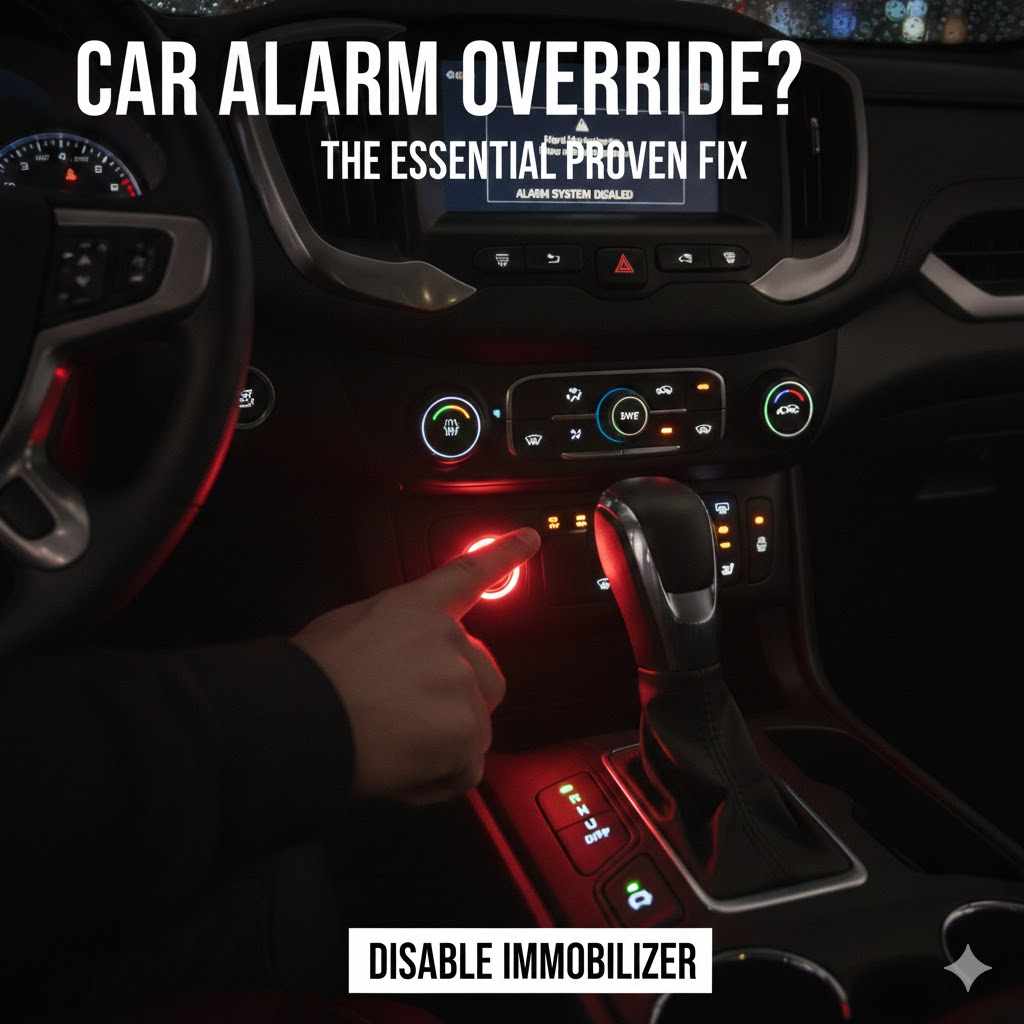
Car Alarm Override? The Essential Proven Fix
To override your car alarm, first try using your key in the driver’s side door lock; turn it to unlock, then lock, and unlock again. If that fails, get inside and cycle the ignition key from the “Off” to “On” position two or three times. These actions reset the system by confirming you are the authorized owner.
There’s nothing more stressful than a car alarm that just won’t quit. Whether it’s blaring in your driveway late at night or in a crowded parking lot, a faulty alarm is frustrating for everyone. You might worry that something is wrong with your car or that you’re bothering your neighbors. But don’t worry, you are not alone! This is a very common issue.
The good news is that you can usually fix it yourself in just a few minutes without any special tools. In this guide, I’ll walk you through the simple, proven steps to override your car alarm and get some peace and quiet. We’ll cover everything from the easiest fixes to what to do if you think someone tried to break into your car.
Why Is My Car Alarm Going Off for No Reason?
Before we jump into the fixes, it helps to know why your car alarm is acting up. Understanding the cause can help you prevent it from happening again. A car alarm isn’t just one simple switch; it’s a system with several parts that can sometimes get confused.
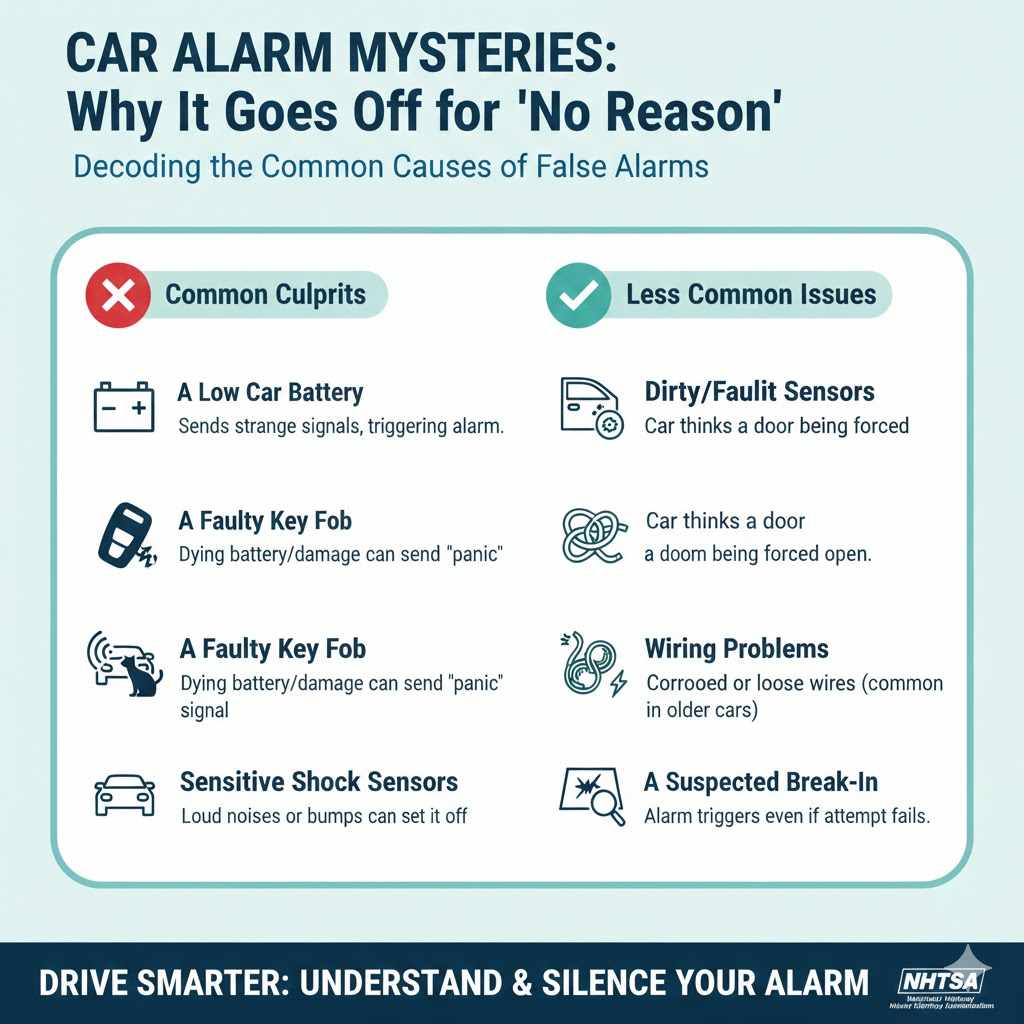
Here are the most common reasons your alarm might be triggered:
- A Low Car Battery: This is the number one culprit! When your car’s battery is running low on power, it can send strange signals to the car’s computer, causing the alarm to go off unexpectedly.
- A Faulty Key Fob: Your key fob sends a signal to your car. If its battery is dying or the internal parts are damaged, it can send a “panic” signal by mistake.
- Sensitive Shock Sensors: Most alarms have sensors that detect impact or movement. If they are too sensitive, a loud truck driving by, a heavy storm, or even a cat jumping on the hood can set them off.
- Dirty or Faulty Hood and Door Sensors: Your car has sensors to know when a door, trunk, or hood is open. If one of these sensors is dirty, sticky, or broken, the car might think someone is trying to force it open.
- Wiring Problems: Over time, the wires connected to your alarm system can become corroded or loose, leading to false alarms. This is more common in older cars or with aftermarket alarm systems.
- A Suspected Break-In Attempt: Sometimes, the alarm does its job. If someone tampers with a door lock or window, the alarm will sound. Even if they are unsuccessful, the system might remain in a triggered state.
Before You Start: Quick Checks to Save You Time
Let’s start with the simplest things first. Running through this quick checklist can often solve the problem in under a minute, saving you a lot of hassle. Don’t skip these steps, as they often pinpoint the root of the issue.
- Check All Doors, Trunk, and Hood: Walk around your car and firmly close every door. Don’t forget the trunk or rear hatch and the hood. Sometimes a door that looks closed isn’t latched completely, which can trigger the sensor.
- Examine Your Key Fob: Does the little light on your fob blink when you press a button? If not, the battery is likely dead. Try using your spare key fob if you have one. Replacing a key fob battery is cheap and easy to do at home.
- Look for Obvious Damage: This is especially important if you think there was a break-in attempt. Check your door handles, locks, and windows for scratches, pry marks, or broken glass. If you see signs of tampering, the alarm may have been rightfully triggered.
If these quick checks don’t solve the problem, it’s time to move on to the proven override methods. We will start with the easiest and work our way to more advanced solutions.
The 3 Proven Methods to Override Your Car Alarm
When your alarm is blaring, you want a fast and effective solution. These three methods are the most reliable ways to silence a car alarm and reset the security system. Most car owners will find success with the first or second method.
Method 1: Using Your Car Key (The Simplest Fix)
This is the classic, go-to method for a reason: it almost always works. Your car’s computer is programmed to recognize the physical key as the ultimate proof of ownership. Using it in the door tells the system that everything is okay and the alarm can be disarmed.
Here’s what to do:
- Get Your Physical Car Key: Don’t use the unlock button on your fob. You need the actual metal key. If your key is integrated into your fob (a flip-key or switchblade key), that’s perfectly fine.
- Go to the Driver’s Side Door: The driver’s door lock is the main point of contact for the security system.
- Insert the Key and Turn: Put the key into the lock and turn it to the “unlock” position. This simple action often silences the alarm immediately.
- Lock and Unlock Again: If it doesn’t stop, try turning the key to lock the door and then unlock it again. This lock/unlock cycle is a clear command to the car’s security module to stand down.
This method works because it bypasses the radio signal from the fob and communicates directly with the car’s brain, confirming your identity as the owner.
Method 2: Using the Ignition (The “Wake Up” Method)
If the key-in-door method doesn’t work, or if your door lock is damaged, the next best step is to use the ignition. This method essentially “reboots” the security system from inside the car, telling it that a valid key is present and ready to start the vehicle.
Follow these steps:
- Get Inside Your Car: Yes, you might have to endure the alarm for a few more seconds, but this is a necessary step. Close the door behind you.
- Insert the Key into the Ignition: Put your car key into the ignition cylinder, just as you would to start the car.
- Cycle the Key: Turn the key to the “On” or “Accessory” position. This is the position where your radio and dashboard lights turn on, but the engine is not yet running. Leave it in this position for 2-3 seconds.
- Turn it Off: Turn the key back to the “Off” or “Lock” position.
- Repeat the Cycle: Repeat this process—turning the key on and off—two or three times. This cycling sequence acts as a reset command for most factory alarm systems.
After the last cycle, the alarm should stop. You can then try starting your car normally. This process is a common reset procedure for many vehicle manufacturers.
Method 3: Disconnecting the Power (The Last Resort)
This method should only be used if the first two have failed. Disconnecting the power source to the alarm system will, of course, shut it up. You can do this by either disconnecting the car battery or by pulling the specific fuse for the alarm system.
Option A: Disconnect the Car Battery
Disconnecting the battery will reset your car’s entire computer system, including the radio presets and clock. It’s effective but requires a basic tool.
- What you’ll need: A small wrench or a pair of pliers (usually a 10mm wrench works for most battery terminals).
- Step 1: Open the hood of your car and locate the battery.
- Step 2: Use your wrench to loosen the nut on the negative (-) terminal. It’s usually black or marked with a minus sign. You don’t need to remove the nut completely, just loosen it enough to wiggle the cable off.
- Step 3: Carefully remove the negative terminal cable from the battery post and tuck it to the side so it can’t accidentally touch the post again.
- Step 4: Wait for a full minute. This gives the car’s computer enough time to fully power down and reset.
- Step 5: Reconnect the negative terminal cable and tighten the nut. The alarm should now be silent.
For more information on your car’s electrical system, you can review general vehicle safety information from trusted sources like the National Highway Traffic Safety Administration (NHTSA).
Option B: Pull the Alarm Fuse
This is a more targeted approach but requires you to find your car’s fuse box and identify the correct fuse. Your owner’s manual is your best friend here.
- Step 1: Locate your car’s fuse box. There is usually one inside the car (often under the steering wheel or in the glove compartment) and another in the engine bay.
- Step 2: Open your owner’s manual to the section on fuses. Look for a diagram of the fuse box and find the fuse labeled “Alarm,” “Security,” or “Horn.”
- Step 3: Use a fuse puller (often included in the fuse box) or a pair of needle-nose pliers to carefully pull the correct fuse out.
- Step 4: This will disable the alarm system. Remember that this is a temporary fix, as it leaves your car without an active security system.
Comparing Alarm Override Methods
To help you choose the right approach, here is a simple table comparing the methods we’ve discussed. For most people, starting with Method 1 is the best choice.
| Method | Difficulty | Tools Needed | When to Use It |
|---|---|---|---|
| Key in Door Lock | Easy | Your car key | This should always be your first step. It’s fast, simple, and highly effective. |
| Ignition Cycle | Easy | Your car key | Use this if the door lock method fails or if your door lock is broken. |
| Disconnect Battery | Moderate | A wrench or pliers | Use as a last resort when other methods don’t work. It will reset your car’s electronics. |
| Pull the Fuse | Moderate | Owner’s manual, fuse puller (optional) | A good temporary solution if you need to silence the alarm and can’t fix the root cause right away. |
What to Do After a Suspected Break-In Attempt
Seeing signs of a break-in is alarming, and it’s natural to feel worried. The key is to stay calm and follow a few logical steps to secure your vehicle and reset the alarm system.
- Prioritize Your Safety: If you believe someone is still nearby or you feel unsafe, do not approach the vehicle. Move to a safe location and call for help if needed. Your safety is more important than your car.
- Inspect the Vehicle: Once you are safe, take a moment to look over your car. Check for pry marks on the doors, broken window glass, or damage to the locks. This will help you know if the alarm was triggered for a legitimate reason.
- Try the Standard Resets First: Even if a burglar tried to override your system, the standard reset procedures (key in the door or ignition cycle) will usually still work. The car’s computer is designed to respond to the owner’s key above all else.
- Check for Tampering: Professional thieves sometimes try to disable an alarm by cutting wires under the hood or disconnecting the horn. If your alarm is sounding but the horn or siren is silent, this could be a sign of tampering.
- Call a Professional: If the alarm will not reset, or if you see visible damage to the wiring or locks, it’s time to call a mechanic or an auto electrician. They can repair the damage and ensure your security system is working correctly to protect your vehicle in the future.
Preventing Future Car Alarm Problems
Once you’ve silenced the alarm, you’ll want to make sure it doesn’t happen again. A few simple maintenance habits can keep your alarm system happy and quiet—until you actually need it.
- Maintain Your Car Battery: The health of your car’s electrical system starts with the battery. Car batteries typically last 3-5 years. If yours is getting old, have it tested. Many auto parts stores will test it for free. Understanding how your battery works is key; resources from the U.S. Department of Energy can be very helpful.
- Care for Your Key Fob: Don’t let your key fob get wet, and try not to drop it. Replace the battery every year or two as a preventative measure. They are inexpensive and easy to find.
- Adjust Sensor Sensitivity: If you have an aftermarket alarm, it may have adjustable shock sensors. If your alarm is too sensitive, check the alarm’s manual or ask the installer to turn the sensitivity down a bit.
- Keep Sensors Clean: Every few months, when you’re washing your car, take a moment to wipe down the door jambs and the area around the hood latch. This prevents dirt buildup that can interfere with the sensors.
When You Absolutely Should Call a Mechanic
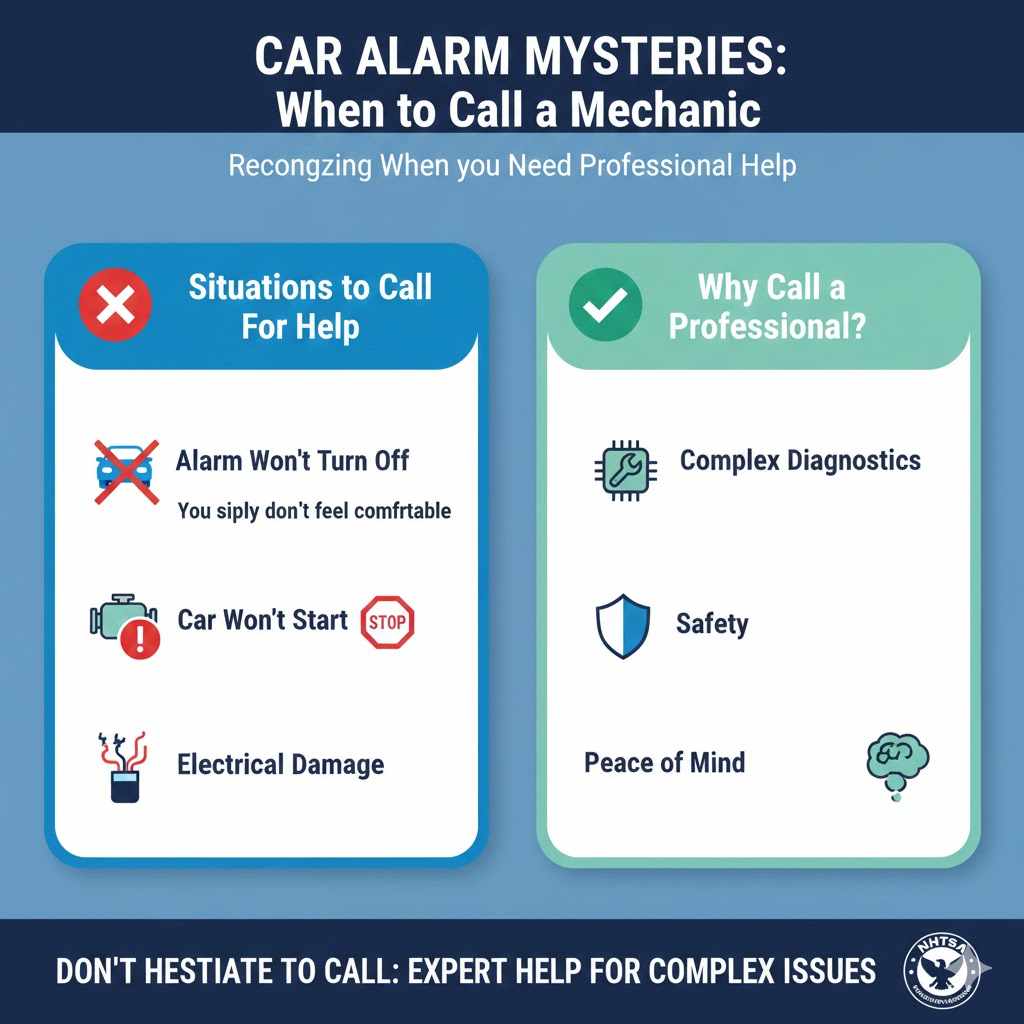
While DIY fixes are great, there are times when you need a professional. Don’t hesitate to call for help if you encounter any of these situations:
- You have tried all the override methods, and the alarm still won’t turn off.
- Your car will not start after the alarm has been silenced (this could be an immobilizer issue).
- You see signs of electrical damage, such as frayed wires or blown fuses that keep blowing.
- The alarm problem started right after your car had other electrical work done.
- You simply don’t feel comfortable working on the car yourself. There is no shame in asking for help!
A qualified mechanic or auto electrician can diagnose complex electrical issues quickly and safely, ensuring your car is both quiet and secure.
Frequently Asked Questions (FAQ)
1. Can a low car battery really set off the alarm?
Yes, absolutely. It’s one of the most common causes of false car alarms. As the battery voltage drops, it can cause the car’s computer system to malfunction, triggering the security system randomly.
2. Will disconnecting the battery stop the car alarm for good?
It will stop it immediately, but it’s not a permanent solution. Once you reconnect the battery, the alarm system may return to its faulty state if the underlying problem (like a bad sensor) isn’t fixed. Some high-end alarms even have a small backup battery to keep the siren going for a short time after the main battery is disconnected.
3. Where is the valet switch usually located?
A valet switch is usually a small, unlabeled toggle switch or button hidden out of plain sight. Look under the dashboard on the driver’s side, inside the glove box, or on the side of the center console. It’s more common on aftermarket alarm systems.
4. My car alarm goes off when it rains. Why?
This is often caused by water getting into a sensitive area. It could be a faulty door or hood sensor that has a poor seal, or moisture causing a short in the wiring. High humidity can also affect overly sensitive shock sensors.
5. How do I know if my key fob battery is dead?
The most common sign is a reduced range; you have to get closer and closer to your car for it to work. Also, most fobs have a small LED light that flashes when you press a button. If that light is dim or doesn’t come on at all, it’s time for a new battery.
6. What should I do if my alarm was triggered by a break-in attempt?
First, ensure your safety. Then, inspect the vehicle for damage. Use your physical key in the driver’s door to reset the alarm. If there is damage to the locks or wiring, it’s best to have a mechanic inspect the security system to ensure it’s still functioning correctly.
7. Can I permanently disable my car alarm?
It is possible, but generally not recommended. Disabling it often involves cutting wires or permanently removing the alarm’s fuse, which can sometimes interfere with other vehicle functions like the starter. An alarm is a valuable theft deterrent, so it’s better to fix the root problem than to disable it entirely.
Your Next Steps to a Quiet Car
Dealing with a car alarm that won’t stop is a major headache, but as you’ve seen, the solution is often surprisingly simple. By starting with the basics—checking your doors and using your key—you can solve the problem a majority of the time without ever needing to open your toolbox.
Remember to be patient and work through the steps one by one. By learning these simple override techniques, you’ve empowered yourself to handle one of the most common and annoying car problems. You now have the knowledge to diagnose the issue, silence the noise, and take steps to prevent it from happening again.
You’ve got this! A little bit of knowledge goes a long way in building confidence and saving you time, money, and stress. Now you can enjoy the peace and quiet you deserve.