Car Roof Rack Cost: What You’ll Actually Pay
A typical car roof rack costs about $200 to $700 installed, but a bare roof often lands closer to $350 to $1,000 because it needs vehicle-specific feet, fit kit, and sometimes drilling. Choose the wrong parts and you can pay for hardware that will not fit, then pay again for returns or a second install. This guide breaks down total roof rack cost by roof type, parts, labor, and vehicle-specific price ranges so you can estimate what your car will actually cost.
What is a car roof rack?
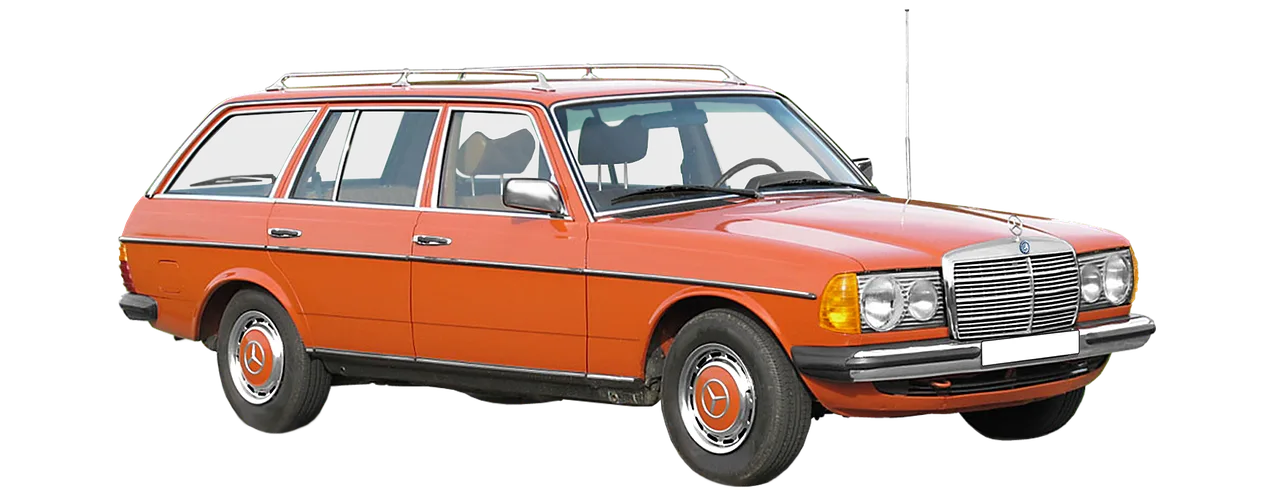


A car roof rack is the hardware that lets you carry cargo on the roof, usually through crossbars that accept carriers for bikes, kayaks, skis, or cargo boxes. A basic crossbar setup is the base most accessories mount to, while a full system can add rails, towers, baskets, or vehicle-specific hardware.
Crossbars versus a full roof rack system
Crossbars are the simplest starting point. They create the load platform, and many buyers stop there unless they need a basket or a dedicated carrier. A full roof rack system usually costs more because it can include rails and crossbars together, or a basket-style setup built for heavier hauling.
Common uses that change the price
Sport-specific racks often cost less than a full cargo system because they are built for one job, such as carrying a bike, a kayak, skis, or snowboards. Cargo boxes and other add-ons push the total higher fast, especially when you need locks, specialty mounts, or a quieter bar shape.
What affects roof rack cost
Roof rack costs change with vehicle type, rack style, materials, and accessories. Fitment comes first. A rack that works on a raised-rail SUV may need a different tower or fit kit on a bare-roof sedan, and the wrong match can turn a budget purchase into a return.
Vehicle roof type and fit hardware
Roof type drives the parts list. Bare roofs usually need the most vehicle-specific hardware. Raised rails are often simpler. Fixed points and factory tracks can sit in the middle. Rain gutters can make installation easier on older vehicles, but the rack still has to match the mounting style.
Bar shape, material, and load rating
Aerodynamic bars usually cost more than square or round bars, but they can reduce wind noise. Square and round bars are often cheaper and can be easier to pair with older accessories. Aluminum is lightweight and rust-resistant. Steel is heavier and less costly.
Brand pricing and warranty support
Premium brands such as Thule, Yakima, and Rhino-Rack tend to price higher because the systems are engineered for specific vehicles and accessory ecosystems. Malone often shows up as a lower-priced option. The extra cost often buys cleaner fitment, broader accessory support, and better long-term parts availability.
Roof rack total cost worksheet
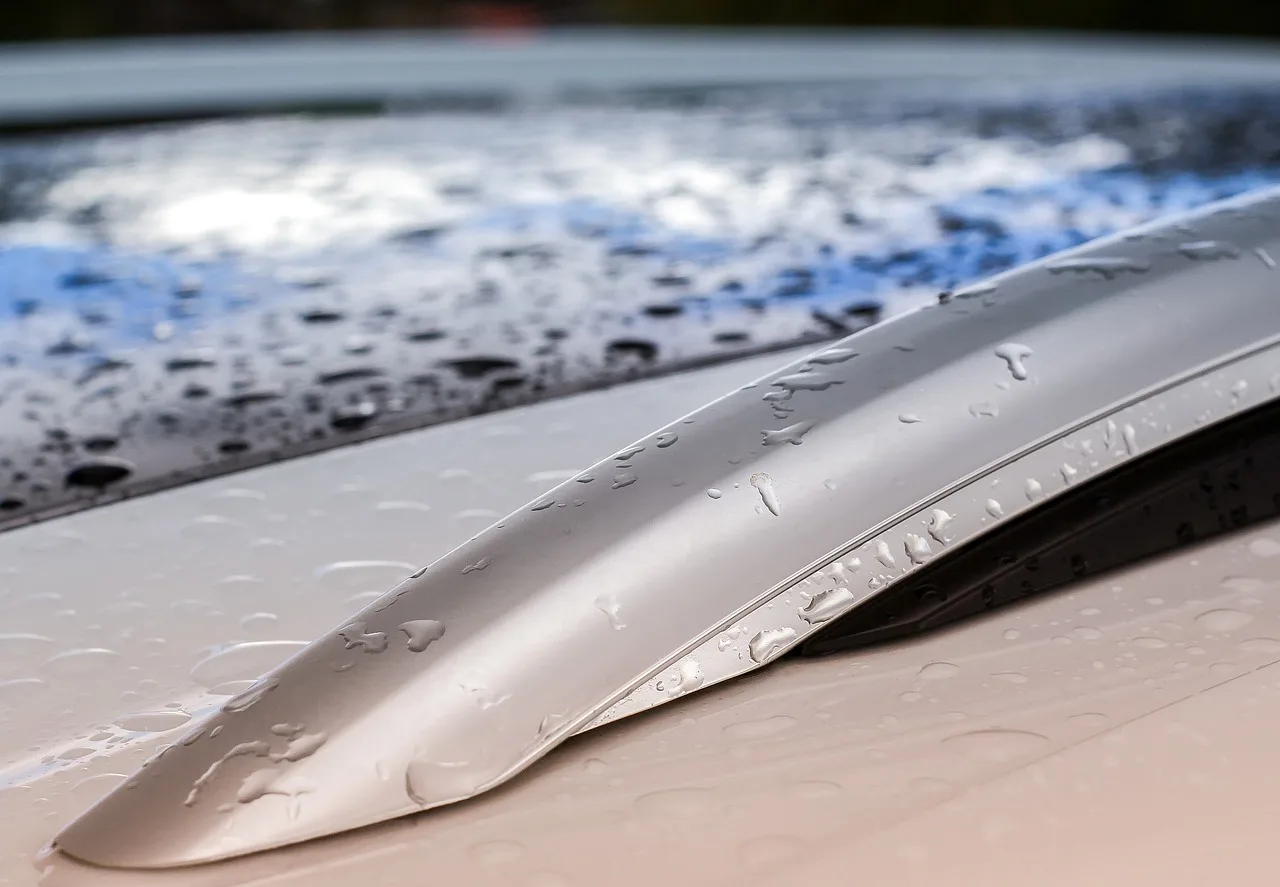
The table below separates the parts that buyers usually lump together. That matters because the base rack price is only one line item. Locks, fit kits, installation, and accessories can change the total by hundreds of dollars, especially on bare roofs.
| Vehicle roof type | Base rack price | Fit kit / feet | Locks | Installation | Accessory add-ons | Example total |
|---|---|---|---|---|---|---|
| Bare roof | $100-$300 | $100-$300 | $50-$100 | $50-$200 | $0-$400+ | $350-$1,300+ |
| Raised rail | $100-$300 | $0-$100 | $50-$100 | $50-$150 | $0-$400+ | $200-$950+ |
| Flush rail | $100-$300 | $100-$250 | $50-$100 | $50-$200 | $0-$400+ | $300-$1,250+ |
| Fixed point | $100-$300 | $120-$300 | $50-$100 | $100-$200 | $0-$400+ | $370-$1,300+ |
| Factory tracks | $100-$300 | $50-$200 | $50-$100 | $50-$150 | $0-$400+ | $250-$1,050+ |
| Rain gutter | $100-$300 | $50-$150 | $0-$50 | $50-$150 | $0-$400+ | $200-$900+ |
Those totals are estimates, not universal quotes. A low-cost rack can still become expensive once you add a cargo box, a bike mount, or a locking system. The same is true in reverse: a pricier rack may cost less overall if it fits your roof type without extra adapters.
Example totals that show why roof type matters
Say your SUV has raised rails and you only need crossbars. A basic setup may stay close to the lower end because it often avoids a full fit kit. Now picture a bare-roof hatchback. The same crossbar goal can require vehicle-specific feet, more labor, and a higher all-in total.
A common first-timer mistake is buying a universal-looking rack for a flush-rail car and assuming the towers will line up. If the feet do not match the roof profile, the rack may sit wrong, whistle more, or interfere with the hatch. That is money lost before you add accessories.
How much do roof racks cost by type?
Basic crossbars usually cost $100 to $300. Full roof rack systems typically range from $300 to over $1,200. Sport-specific racks commonly cost $150 to $600. The right choice depends on whether you need a cargo base, a complete hauling system, or one dedicated mount.
Basic crossbar roof rack price range
Crossbars are the starting point for most buyers. They are the base everything else mounts to, which is why many cargo carriers, bike racks, and ski mounts depend on them. If your vehicle already has roof hardware, this can be the least expensive path to usable roof cargo.
Full roof rack system price range
A full roof rack system usually costs more because it bundles more of the mounting structure. Some systems include rails and crossbars, while others are basket-style systems for heavier hauling. If you plan to carry bulky cargo regularly, the higher price can make sense.
Sport-specific rack price range
Sport-specific racks are often the most efficient option for a bike, kayak, or ski setup because you are not paying for parts you will not use. Many mount onto existing crossbars, so the rack itself may be only part of the total. Add the base bars, and the price rises quickly.
How much does roof rack installation cost?
Professional installation is typically $50 to $200, while DIY may be possible for simpler systems. The more vehicle-specific the rack is, the more likely a shop install is worth the money. Complex or custom systems can take longer, and mistakes can cost more than the labor fee.
DIY installation versus professional fitting
DIY can save money if the rack is designed for your exact roof type and the instructions are straightforward. Professional fitting is usually smarter when the system needs precise alignment, torque checks, or drilling. It also helps if you want the rack mounted once, correctly, without trial and error.
What adds labor time and cost
Fixed-point systems, bare-roof setups, and any rack that uses a custom fit kit usually take more time than raised rails. If the shop has to confirm spacing, trim parts, or test hatch clearance, labor can rise toward the top of the range. Locks and accessory mounting can add time too.
Which roof rack fits your car?
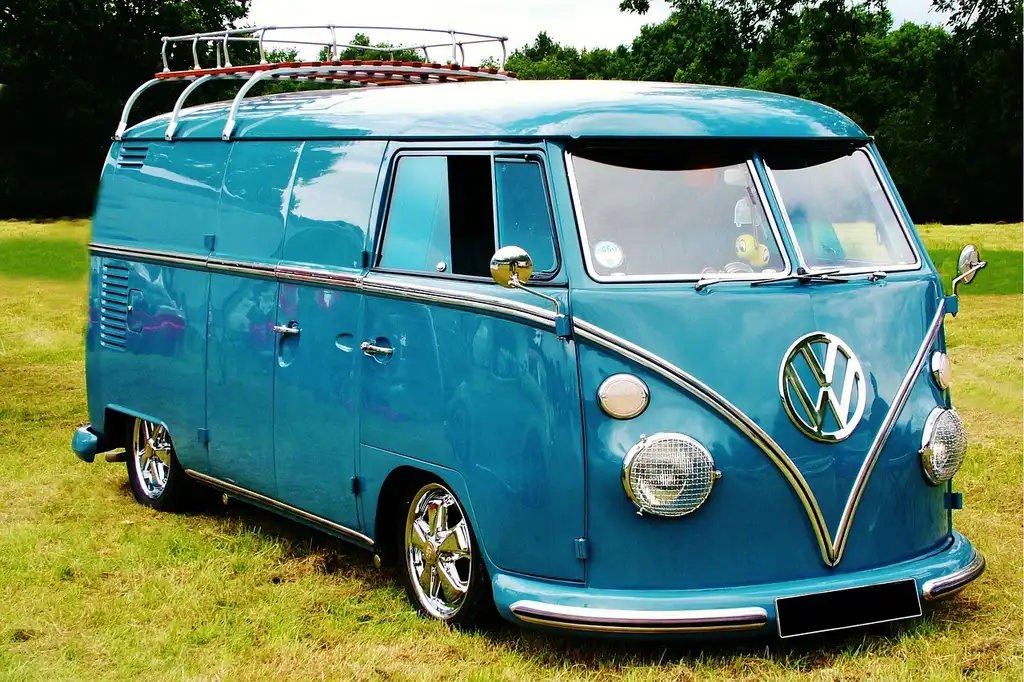
The right rack depends on your roof type, not just your model name. Start by identifying whether you have a bare roof, raised rails, flush rails, fixed points, factory tracks, or rain gutters. Then verify the exact kit before you buy so you do not end up with parts that cannot mount.
Bare roof fitment
Bare roofs usually need the most careful matching because the rack must clamp to the car without existing rails. That often means a vehicle-specific fit kit, custom feet, and a more careful installation process. If you choose wrong, the rack may not sit square or secure.
Raised rails, flush rails, fixed points, factory tracks, and rain gutters
Raised rails tend to be the simplest to fit. Flush rails can need more exact foot spacing. Fixed points and factory tracks usually require the right adapters. Rain gutters can be straightforward on older vehicles, but you still need the correct clamps and bar length.
Compatibility checks before you buy
Use a vehicle fit guide before you purchase anything. Confirm the roof type, the year and trim of the car, and whether the rack will leave room for the hatch to open fully. Check accessory compatibility too, because some bars accept more carriers than others.
- Identify your roof type from the vehicle or a fit guide.
- Match the rack to that roof type before checking price.
- Confirm whether the base price includes feet or a fit kit.
- Check lock compatibility and whether keys are included.
- Verify cargo box, bike mount, or kayak carrier fit before buying.
- Compare DIY time against professional installation quotes.
Why accessories can change the final bill
Accessories often cost more than buyers expect. Cargo boxes add storage but also weight and wind exposure. Bike mounts, kayak carriers, and ski attachments each need enough crossbar space and the right clamp style. Locking mechanisms are worth pricing in early because replacement keys and add-on locks can become recurring costs.
Frequently asked questions
What is a car roof rack: a car roof rack?
A car roof rack is a mounting system that lets you carry cargo on top of a vehicle. Most setups start with crossbars, then add carriers for bikes, kayaks, skis, or cargo boxes. The exact parts depend on roof type and the load you want to carry.
What roof rack fits my car
The rack that fits your car depends on the roof type: bare roof, raised rail, flush rail, fixed point, factory track, or rain gutter. Use the vehicle-specific fit guide from the rack maker before buying. The wrong kit can waste money and still not mount securely.
How much does a car roof rack cost?
Add installation, locks, and accessories, and the total can move far above the base price.
Do roof racks fit cars without roof rails?
Yes, but bare-roof cars usually need more vehicle-specific hardware than cars with rails. That can mean a fit kit, special feet, and sometimes professional installation. The cost is often higher because the rack has to create its own secure mounting points.
Why are roof racks so expensive?
They are expensive because the price is not just metal bars. You are paying for vehicle-specific fitment, mounting hardware, load engineering, locks, and brand support. Aerodynamic bars and premium systems can cost more, but they often fit better and support more accessories.
Products related to this article
Sponsored / affiliate links. As an Amazon Associate I earn from qualifying purchases. I may earn additional commission from eligible campaigns.