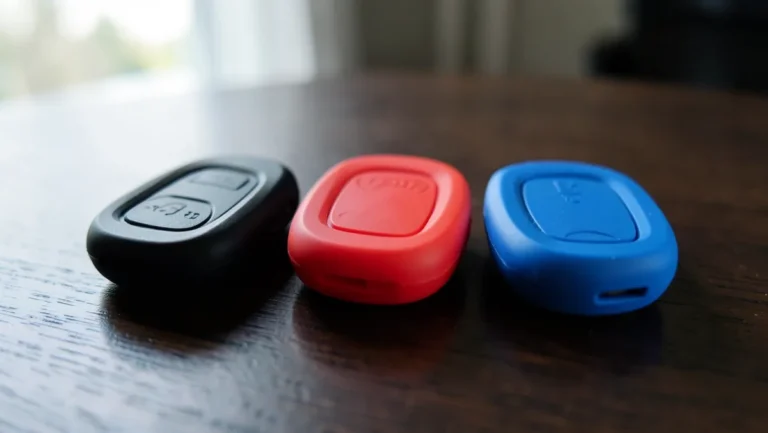
WeatherTech Floor Liners Review: Are They Worth It?
WeatherTech Floor Liners are worth buying if you want the tightest custom fit, raised edges, and easy cleanup. If you only need basic mud-and-snow protection, a cheaper universal all-weather mat is usually enough. Skipping the right mat can leave salt, slush, and pet mess underfoot, where they stain carpets and speed up wear. This review explains who benefits most, where the premium fit pays off, and when a simpler mat makes more sense.
Verdict
WeatherTech is an American manufacturer of automobile accessories founded in 1989 and headquartered in Bolingbrook, Illinois, with founder and CEO David MacNeil listed as its key person. The brand is primarily known for its FloorLiner line of heavy-duty rubber floor mats, and WeatherTech says over 95% of its products are manufactured in the United States.
Pros and cons
Pros
- Vehicle-specific fit can improve coverage where spills start.
- Raised edges help keep slush, muddy boots, and spilled drinks from spreading across the footwell.
- Front, rear, and cargo-area coverage options exist.
- Cleaning is usually quicker than scrubbing carpet mats.
Cons
- More expensive than simple universal mats.
- Wrong fitment can create pedal or edge issues.
- Repeated removal can lead to curling or shape changes on some mats.
- Cleaning can still leave stains if chemicals or brushes are too harsh.
Who it’s for
This suits drivers who care about coverage first: commuters dealing with wet shoes, families with back-seat messes, pet owners tracking in hair and mud, and winter drivers who need slush control. It is less compelling for light-duty drivers who only want basic dirt protection and rarely haul wet cargo or messy passengers.
📊 WeatherTech was founded in 1989. Source: WeatherTech.
Specs at a glance
| Category | WeatherTech FloorLiner | WeatherTech floor mats |
|---|---|---|
| Fit type | Digital-fit, vehicle-specific application | Universal and semi-universal options available |
| Coverage style | Raised edges for containment | All-weather surface protection, usually less exact coverage |
| Row coverage | Front and rear coverage available | 2-row and 3-piece set configurations available |
| Fitment approach | Matched to vehicle application before the quote ships | Trim-to-fit and more general fit families |
| Use case | Heavy-duty all-weather floor protection | Basic all-weather use in many vehicles |
| Color choices | Varies by application | Black and tan among common options |
WeatherTechco says it has 6,250+ fitment-verified part numbers in its catalog and covers 335+ make-model-year combinations. That matters because the company is not selling one universal shape as a catch-all; it is steering buyers toward application matching.
Who are WeatherTech floor liners for?
WeatherTech floor liners are for drivers who need more than basic dirt control. They make the most sense for commuters with wet shoes, families with car seats and dropped snacks, pet owners who want easier cleanup, and winter drivers who deal with slush, salt, and meltwater. If your floor sees only light dust, the premium fit may be more than you need.
Commuters
For daily drivers, the main benefit is consistent coverage where heels, pedals, and wet soles meet the carpet. A common first-timer mistake is buying a mat that looks close enough online, then finding a gap by the dead pedal or a heel area that traps grime.
Families with kids
Families tend to benefit from taller edges and deeper containment because crumbs, drinks, and wet shoes do not stay put. Rear-seat spill zones matter here. If the second row sees juice boxes, sports drinks, or muddy cleats, a liner with better wall height can be a practical upgrade.
Pet owners
Pet owners often care less about appearance and more about cleanup. Hair, dirt, and wet paws are easier to manage on a molded liner than in carpet. That said, a lighter-duty mat may be enough if the pet rides only occasionally and does not shed heavily.
Winter and wet-weather drivers
For snowbelt drivers, the value is straightforward: containment. Salt water and slush can pool fast, and a vehicle-specific liner helps keep that mess off the carpet. If your winter routine is short hops, the premium may still be worth it; if you only see an occasional storm, a cheaper mat can do the job.
What works about WeatherTech Floor Liners
The strongest case for WeatherTech Floor Liners is containment. Raised edges, application-specific fitment, and front and rear coverage options are aimed at mud, dirt, and liquid control in daily-driver use. That is exactly where carpet mats struggle, especially in wet-weather months.
Mud, snow, and spill containment
The floor-liner format is built for all-weather floor protection. Instead of letting water spread across a flat surface, the walls help hold it in place until you remove the mat. That matters most after snowmelt, muddy sports gear, or a tipped drink in the rear footwell.
Vehicle-specific fit and edge coverage
WeatherTech’s FloorLiner line is the premium fit play. WeatherTechco says Floor Liners are matched to vehicle application before the quote ships, which is why the product can reach around pedals, along sidewalls, and over higher-wear zones better than a generic mat.
Cleanup compared with carpet mats
Cleaning is usually simpler than dealing with carpet mats because dirt and liquids stay on the liner instead of soaking into fibers. That still does not mean maintenance is zero-effort. Dust, road film, and residue can cling to textured surfaces, so a rinse is not always enough after winter use.
Suppose your rear passenger spills a half-cup of sports drink in January. A liner with tall edges gives you a chance to hold the mess before it freezes into carpet fibers or runs under the seat rails. That is the practical difference premium coverage is trying to buy.
What does not work as well
The main drawback is value. If you only need light-duty dirt control, WeatherTech Floor Liners can be overkill compared with a cheaper all-weather mat or a trim-to-fit option. The second drawback is fit sensitivity: a liner that is wrong for the vehicle can interfere with pedal clearance or leave exposed gaps.
Price versus simpler mats
Generic protection often costs less and still handles mud, rain, and road salt well enough for light use. WeatherTech.com shows a Universal Trim to Fit All Weather Floor Mats 4-piece set priced at $64.95, which is a useful reference point when comparing a basic set with a more exact vehicle-specific liner.
Pedal clearance and sliding risks
Any floor product can become a problem if fitment is wrong. A mat that slides, curls, or sits too close to the accelerator can create safety issues. That is why application matching matters more than marketing claims. Always verify the exact vehicle before buying.
Edge curling, staining, and cleaning limits
Some complaints around floor mats involve edge curling after repeated removal, staining that does not lift easily, and cleaning products that are too aggressive for the surface. WeatherTech sells a TechCare Floorliner/FloorMat Protector & Cleaner Kit at $33.99, which signals that maintenance deserves more than a casual rinse.
Are WeatherTech floor liners better than floor mats?
WeatherTech floor liners are better when coverage depth and fit precision matter more than low price. Floor mats are better when you need basic protection at a lower cost. The right choice depends on how much mud, water, and cargo mess actually reach your footwells and rear floor.
floor mats vs floor liners
Floor liners usually have higher edges, a firmer molded shape, and tighter vehicle-specific coverage. Floor mats are generally flatter, easier to move, and simpler to buy in universal formats. That makes liners better for containment, while mats often win on cost and convenience.
all weather floor mats vs floor liners
All-weather floor mats and floor liners can both handle rain and dirt, but liners tend to go further up the footwell and around contours. A standard all-weather mat is often enough for a light commuter. A liner makes more sense if the vehicle regularly sees snowmelt, spills, or pets.
Trim-to-fit versus application-specific designs
Trim-to-fit designs give you flexibility, but they usually trade away exact edge coverage. Application-specific liners cost more because they are shaped for a make-model-year match. If your vehicle is common and the fit list is clear, the specific design is usually the safer premium pick.
When a universal or semi-universal mat makes more sense
If the car is a lease, a backup vehicle, or simply a light-use commuter, universal or semi-universal mats can be smarter. They are often cheaper, available in 2-row and 3-piece sets, and easier to replace. Color choices such as black and tan also matter for interiors where you want a cleaner visual match.
Buyer-fit matrix and one-minute inspection checklist
Use this matrix to judge whether WeatherTech Floor Liners fit the job, not just the budget. The scores are scenario-based, with 5 meaning best in class for that use case and 1 meaning weak value or unnecessary complexity.
| Driver type | Coverage | Cleanup | Install effort | Value | Why it scores that way |
|---|---|---|---|---|---|
| Commuter | 4 | 4 | 4 | 3 | Good for wet shoes and road grit; may be more than needed for light-duty use. |
| Family | 5 | 4 | 3 | 4 | Rear-seat spill control and all-weather coverage help most here. |
| Pet owner | 5 | 4 | 3 | 4 | Hair, mud, and water are easier to manage on a molded liner. |
| Winter driver | 5 | 5 | 3 | 4 | Salt, slush, and meltwater containment are where the premium fit pays off. |
One-minute inspection checklist
- Confirm the make-model-year match before ordering.
- Check pedal clearance near the accelerator and brake area.
- Verify dead pedal coverage on the driver side.
- Look for full front-footwell sidewall coverage, not just flat floor contact.
- Inspect the rear-seat spill zone, especially under child seats and behind the front seats.
- Make sure any cargo-area mat does not interfere with seatbacks, latches, or fold-flat storage.
Say your SUV has a wide dead pedal and a high center tunnel. A generic mat may leave the edge exposed or shift when passengers step in. The inspection above catches that before purchase, which is the point of paying for a fitment-specific product in the first place.
Do WeatherTech floor liners fit my exact vehicle?
They are designed for vehicle-specific application, but you still need to verify the exact make, model, and year before ordering. Coverage varies by application, and not every trim or configuration uses the same floor shape. Fitment lookup is not optional; it is the whole point of the product family.
WeatherTechco says its catalog includes 6,250+ fitment-verified part numbers and 335+ make-model-year combinations, which shows how granular the ordering process can be. If the vehicle has a special console, different row layout, or unique rear floor shape, confirm the listing before you buy.
How hard is WeatherTech floor liner installation?
Installation is usually straightforward, but not always instant. Most drivers can place the liner without tools, yet the fit needs to be checked around pedals, seat rails, and the dead pedal. The harder part is not physical installation; it is confirming that the liner sits correctly.
Setup expectations
For a front set, expect to align the liner, press it into the footwell, and confirm that it does not ride up where feet move. Rear pieces usually take less time, but they still need to sit flat. Trim-to-fit products may require more setup than application-specific liners.
Do WeatherTech floor liners need trimming or cutting?
FloorLiner products are application-specific and are not the same as universal trim-to-fit mats, so cutting should not be part of normal installation. If a product is marketed as trim-to-fit, that is a separate family and the buyer should expect to trim it carefully according to the vehicle and instructions.
How do I clean WeatherTech floor liners?
Cleaning is simple, but it is not only a quick hose-off job. Most dirt can be removed with water and mild soap, yet textured surfaces may hold residue. Use soft brushes, avoid overly stiff bristles, and be cautious with strong chemicals that can stain or dull the finish over time.
Cleaning and maintenance
The WeatherTech TechCare Floorliner/FloorMat Protector & Cleaner Kit exists because maintenance matters for these surfaces. That kind of dedicated cleaner is most relevant when road film, winter grime, or stained residue collects in grooves. Gentle scrubbing usually beats aggressive chemicals.
What complaints do people have about WeatherTech floor mats?
Common complaints are usually practical, not dramatic: price, occasional pedal-clearance concerns, sliding if the wrong version is installed, edge curling after repeated removal, and staining that needs more than water. Those issues are why exact fitment and careful cleaning matter more than the brand name alone.
Should you buy WeatherTech Floor Liners?
Buy WeatherTech Floor Liners if you want the strongest case for custom coverage, especially in a commuter, family, pet, or winter setup where spills and slush are routine. Choose WeatherTech floor mats, or another universal or trim-to-fit option, if your protection needs are lighter and you want to spend less.
Best-buy scenarios
The best fit is a driver who wants precise containment in a vehicle that sees weather, kids, or animals regularly. The premium makes sense when the liner prevents mess from reaching carpet in the first place. That is where the extra cost earns its keep.
When to choose WeatherTech floor mats instead
Choose WeatherTech floor mats when you want all-weather protection without paying for the tightest application-specific shape. WeatherTech.com’s Universal Trim to Fit All Weather Floor Mats 4-piece set at $64.95 is the kind of product that fits this budget-first use case better than a premium liner.
Cleaning and accessory add-ons worth considering
If you already own the liners, the TechCare Floorliner/FloorMat Protector & Cleaner Kit at $33.99 is the most relevant add-on because it is aimed at the same surface family. A cargo mat may also be worth considering if the rear load area sees groceries, tools, sports gear, or wet dog crates.
Alternatives

Motor Trend FlexTough Floor Mats are the simpler budget play. Based on the listed price of $34.49, their trim-to-fit universal shape and heavy-duty rubber make them better for drivers who want basic mud-and-water protection without paying for application-specific coverage. The tradeoff is less exact fit and less containment around footwell contours.

Husky Liners Weatherbeater Floor Mats fit a defined vehicle family and use a FormFit Edge for better coverage than a generic mat. At $152.99, they sit in the premium space too, but they may be a better buy if your vehicle is one of the listed applications and you want laser-measured coverage with a softer-durability balance. The downside is simple: the fit is limited to those vehicles.

3D MAXpider Kagu Floor Mats for the Tesla Model Y Juniper 2026 lean into a multi-layer build with raised sides and odorless materials. At $196.99, they are a vehicle-specific premium alternative for that exact application, but they are not a universal answer and do not solve the broader shopping problem for drivers with other vehicles. If the vehicle does not match, the product is a nonstarter.
Frequently asked questions
Are WeatherTech floor liners worth the price?
Yes, if you regularly deal with snow, mud, kids, pets, or wet commutes. No, if your car mostly sees clean shoes and light dust. The premium only makes sense when the extra coverage prevents carpet damage or reduces cleanup enough to matter over time.
Products related to this article
Sponsored / affiliate links. As an Amazon Associate I earn from qualifying purchases. I may earn additional commission from eligible campaigns.