Car Seat Covers for a 2016 Honda Civic (Airbag-Safe Picks)
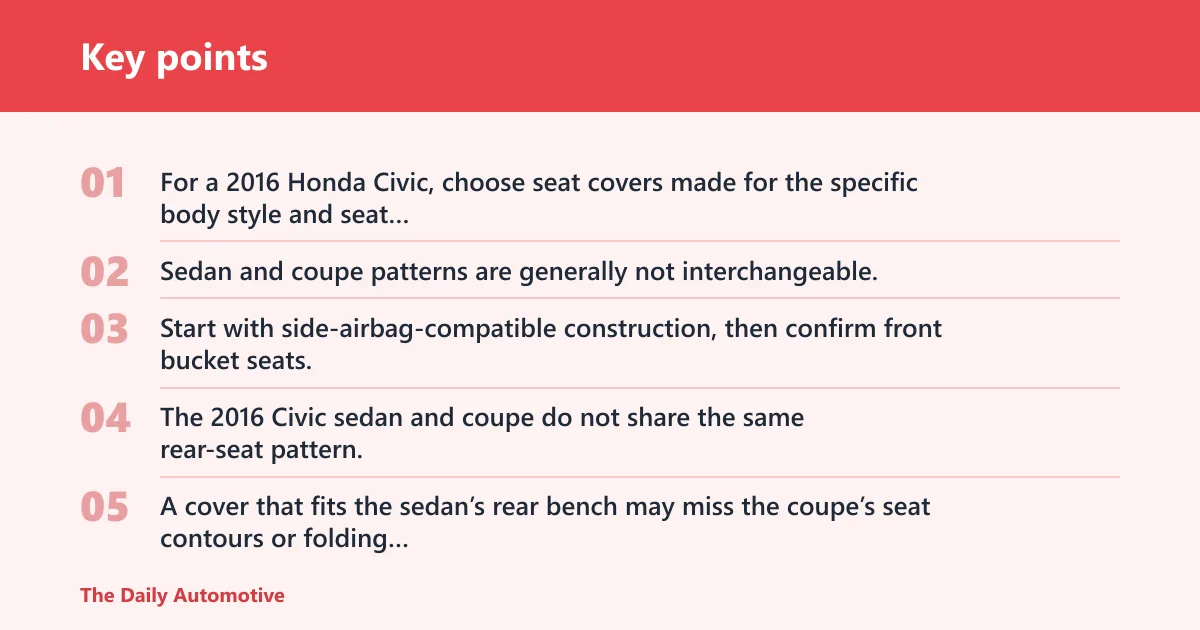
For a 2016 Honda Civic, choose seat covers made for the specific body style and seat layout. Sedan and coupe patterns are generally not interchangeable. Start with side-airbag-compatible construction, then confirm front bucket seats, rear bench split pattern, headrest count, buckle access, and whether the rear seat needs fold-down access. Follow the vehicle and product manual.
What fits a 2016 Civic?


Sedan, coupe, and hatchback fit differences
The 2016 Civic sedan and coupe do not share the same rear-seat pattern. A cover that fits the sedan’s rear bench may miss the coupe’s seat contours or folding details. The Civic hatchback was not part of the U.S. 2016 lineup, so do not use a 2016 hatchback listing as a fit reference for a U.S. Civic.
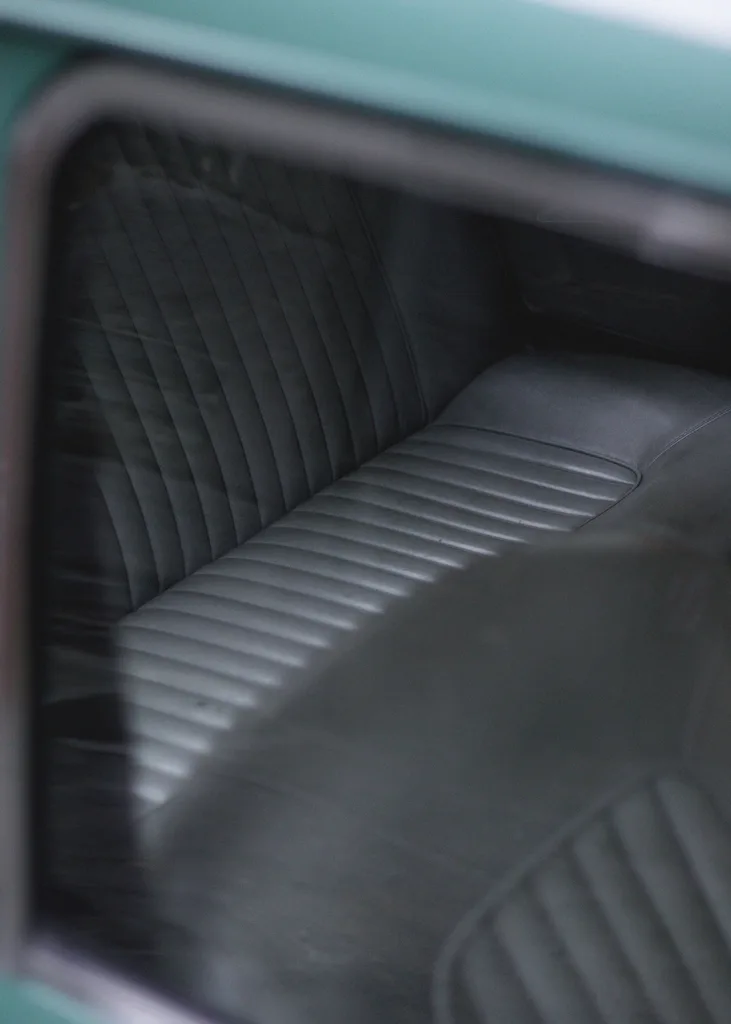
Front seats on the sedan and coupe are commonly bucket-style seats. The rear bench is where most mistakes happen. A rear cover that blocks the fold latch, center buckle, or armrest pass-through turns a simple install into a removal job.
Front bucket seats versus rear bench layouts
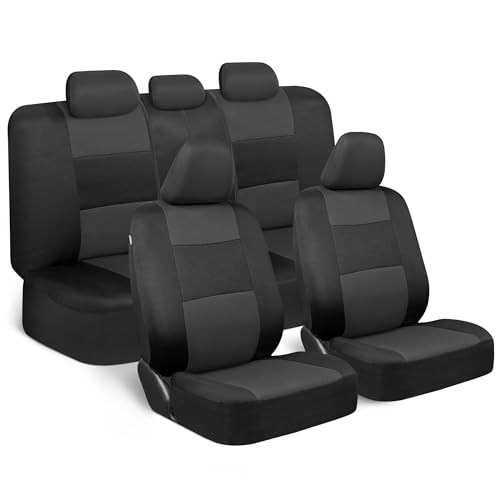
Front covers need separate headrest coverage, side-airbag seam clearance, and a tight hold around the seat base. Rear covers need access to the seatbelt buckles, split-fold release points, and, when equipped, the center armrest. If the rear seat folds about 60/40, the cover should preserve that split instead of bridging both halves into one sheet.
Split-fold rear seat access points
Check how the rear seat folds before ordering. If the cover runs across the split seam, it can stop one side from folding flat. If the sedan or coupe has a fold-down armrest, make sure the cover has a dedicated opening or the armrest will be trapped behind the fabric.
Are seat covers safe with side airbags in a 2016 Honda Civic?
Seat covers can be safe with side airbags only when the maker states side-airbag compatibility and the cover preserves the deployment path, usually with tear-away seams or a clearly engineered breakaway section. A marketplace label alone is not enough. Check the product documentation, because airbag safety depends on seam placement, stitching strength, and clear space at the seat side.
Tear-away seam placement
For a side airbag, the key area is usually the outboard side of the front seat. The cover must not clamp that area tight with thick straps, heavy foam, or a continuous seam that resists opening. Many reputable covers use weaker stitching at the airbag zone so the panel splits when the bag deploys.
Deployment clearance near the seat side
Do not route hooks, cords, or elastic across the side of the seatback where the airbag deploys. That area needs open space. If the seller does not explain the deployment path, skip the product and choose one with maker documentation that names side-airbag compatibility for the Civic or for your seat type.
What to verify in the maker’s documentation
Look for a statement that names side-airbag compatibility, the specific seat position, and the seam construction used for deployment. If the listing uses vague phrases such as “airbag safe” without supporting documentation, treat it as unverified. The safest rule is simple: no documentation, no purchase.
What is the best material for Honda Civic seat covers?
The best material depends on what you care about most: spill resistance, breathability, appearance, or easy cleaning. Neoprene and leatherette resist water well. Polyester usually costs less and can be easier to wash. Mesh breathes better in hot weather. None of those choices matters if the material is too thick for heated seats or too loose for the Civic’s seat shape.
Neoprene for spill resistance
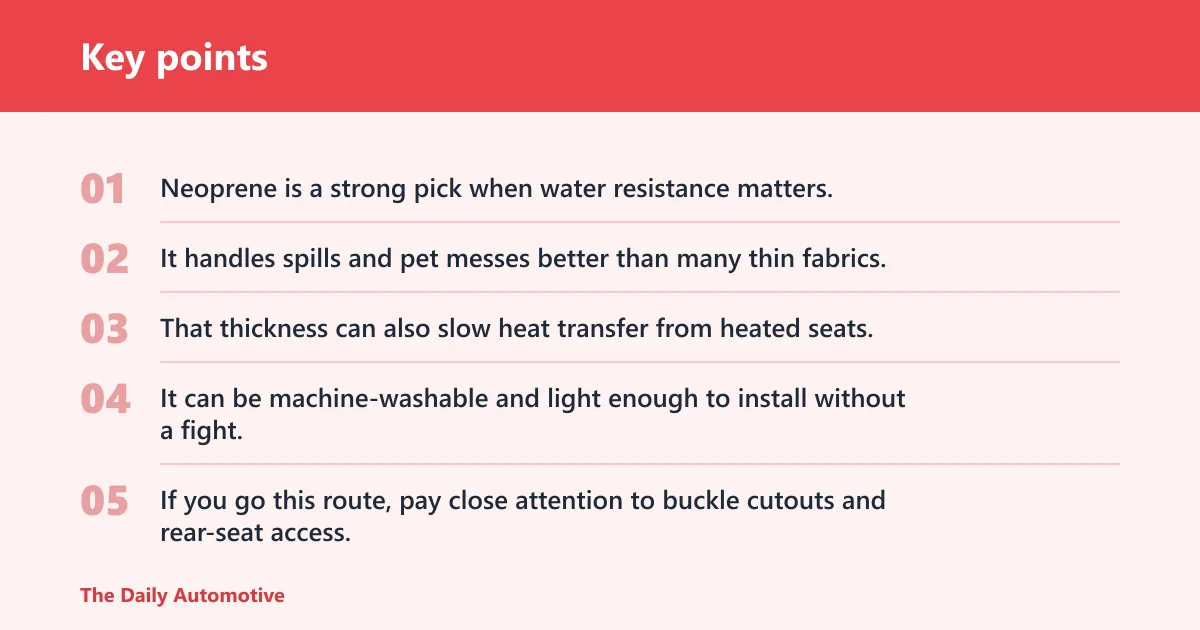
Neoprene is a strong pick when water resistance matters. It handles spills and pet messes better than many thin fabrics, but it can feel warmer and bulkier. That thickness can also slow heat transfer from heated seats, so confirm that the maker approves it for heated-seat use.
Polyester for low-cost coverage
Polyester is often the budget choice. It can be machine-washable and light enough to install without a fight, but cheap versions wrinkle easily and may wear faster at the bolsters. If you go this route, pay close attention to buckle cutouts and rear-seat access, because low-cost universal sets often cut corners there.
Leatherette and mesh for feel and airflow
Leatherette gives a cleaner look and wipes off quickly. Mesh breathes better, which helps in warm climates, but it offers less spill protection. Both can work well in a Civic if the stitching, seam placement, and attachment points are designed for the exact seat layout rather than a broad “fits most” claim.
Seat cover compatibility checklist
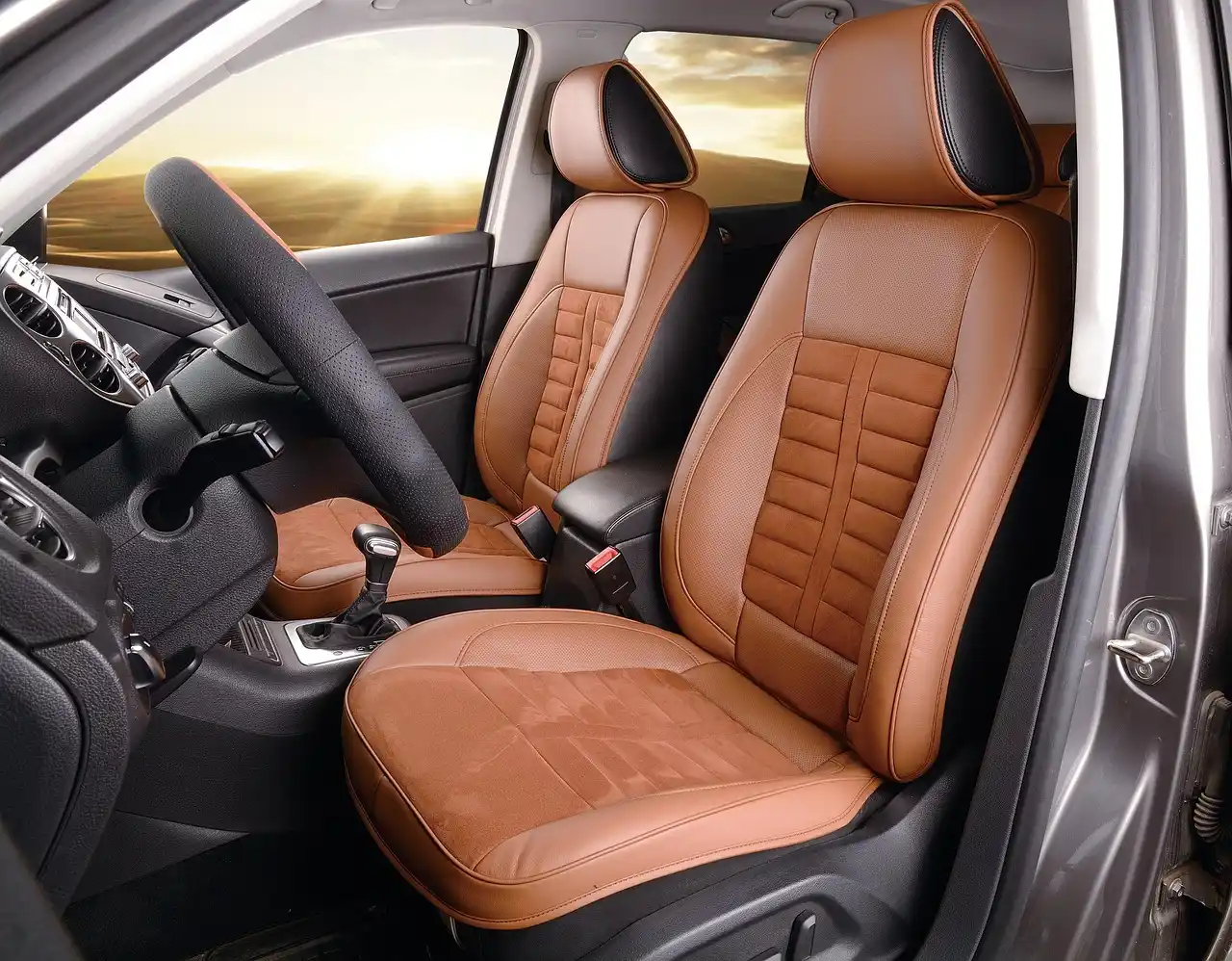
Use this checklist before you buy. It separates the main Civic fit points from the common failure points: bad seam placement, blocked buckles, poor rear-seat access, and too much thickness over heated seats. Treat any “no” answer as a reason to keep shopping.
| Seat position | Airbag-safe seam requirement | Buckle cutout | Headrest fit | Rear-seat access | Heated-seat compatibility | Install risk level |
|---|---|---|---|---|---|---|
| Front driver seat | Required on outboard side; tear-away seam or documented breakaway panel | Yes, if buckle receiver sits at the seat base | Separate cover or correct integrated opening | Not applicable | Only if maker approves the material thickness | High if the seat has side airbags and power adjustments |
| Front passenger seat | Required on outboard side; do not block the deployment zone | Yes, if the receiver is mounted low on the cushion | Separate cover or correct integrated opening | Not applicable | Only if maker approves the material thickness | High if the cover must clear sensors or seat controls |
| Rear left seat | Not usually an airbag seam issue, but follow the maker’s layout if side curtains or seat-mounted bags are present | Yes | Match the rear headrest pattern | Must preserve fold and latch access if the seat folds | Usually not used, but confirm if your trim has rear heating | Medium |
| Rear center seat | Usually not a seam issue, but access must stay open | Yes | Match any center headrest or opening | Must preserve buckle and fold access | Check the vehicle manual and the cover listing | Medium |
| Rear right seat | Not usually an airbag seam issue, but follow the maker’s layout if side curtains or seat-mounted bags are present | Yes | Match the rear headrest pattern | Must preserve fold and latch access if the seat folds | Usually not used, but confirm if your trim has rear heating | Medium |
Custom-fit or universal covers?
Custom-fit covers usually cost more, install more cleanly, and wrinkle less because they follow the Civic’s seat pattern more closely. Universal covers are cheaper and easier to find, but they need more checking for buckle clearance, side-airbag seams, and rear-seat access. For this car, the fit gap matters more than the sticker price.
Fit precision and wrinkle control
Custom-fit covers are shaped for the seat’s bolsters, headrests, and split bench. That cuts down bunching and loose fabric around the seat edges. Universal covers often depend on elastic hems and strap tension, which can look fine at first and then shift after repeated entry and exit.
Install time and removal
Universal covers can go on faster, especially on simple front seats. But faster installation is not the same as better fit. If you must remove the cover later to reach a buckle receiver or fold latch, a sloppy universal design becomes a recurring problem instead of a one-time savings.
Cost differences over ownership
Cheap covers may save money upfront, then wear faster, fade sooner, or need replacement after a year or two of daily use. A better-fitting cover can cost more at purchase but avoid repeat buying, awkward reinstallation, and early edge wear. The real question is cost per year, not just checkout price.
Picture a coupe owner who buys a low-cost universal rear set because the listing says “fits Civic.” The center buckle sits under the fabric flap, and the 60/40 split will not fold cleanly. The cover did not fail because of the material; it failed because the seat pattern was wrong.
What can go wrong during installation?
Most installation problems come from three things: blocked hardware, loose attachment, and mismatched access points. A cover that looks acceptable from five feet away can still interfere with buckles, hide the armrest, or pull too hard on the side seam. Keep the seat layout in mind while you install.
Blocked buckles and tight belt receivers
If the buckle cutout is too small, the receiver disappears under the cover. That makes the belt harder to click and can encourage riders to tug on the fabric instead of the latch. The same issue shows up at the rear bench when the center belt or buckle gets trapped under a folded edge.
Loose straps and shifting covers
Hook-and-loop straps, elastic hems, S-hooks, and retention clips all help hold a cover in place, but none of them can rescue a poor pattern. Loose straps can also rub against seat tracks or make the cover walk out of position after repeated use. Tighten only the hardware the manual allows.
Headrest, armrest, and split-bench mistakes
Separate headrest covers matter because many Civic seats use removable headrests with a different shape from the seatback. Rear armrest access needs its own opening if the car has a fold-down armrest. On split-bench seats, a one-piece rear cover often causes the biggest failure: the seat no longer folds as designed.
Suppose a front-seat cover feels snug but the outboard seam sits directly over the airbag zone. That is not a cosmetic issue. If the bag deploys, the seam has to open cleanly. The right fix is not tighter installation; it is a cover built with the correct tear-away construction.
Seat cover materials and maintenance
Cleaning and durability depend on the cover material and the stitching, not just the advertised pattern. Machine-washable polyester is convenient. Neoprene and leatherette resist spills better. Mesh may breathe best, but it can show wear sooner if the weave is thin. UV resistance matters if the Civic sits in direct sun.
Washability and stain resistance
Machine-washable covers are easier to live with if you haul kids, pets, or work gear. Leatherette usually wipes clean with less effort than woven cloth. Polyester can stain less visibly than lighter fabrics, but cheap versions may hold odors if they absorb too much moisture.
UV and abrasion resistance
UV exposure fades some fabrics and hardens cheaper vinyl-like materials. Abrasion shows up first at the seat bolster, the edge where you slide in, and the area near the buckle receiver. If the product description is vague on durability, ask the maker for the material stack and finish before you buy.
Thickness tradeoffs for heated seats
Heated-seat compatibility is not automatic. Thick foam or heavy backing can slow heat transfer, even if the cover technically fits. If your Civic has heated seats, choose a cover the maker specifically approves for heated use and avoid guessing with layered or insulated materials.
Frequently asked questions
What seat covers fit a 2016 Honda Civic?
Seat covers that match your exact body style and seat layout fit best: sedan and coupe patterns are not interchangeable. Choose front covers shaped for bucket seats and rear covers that preserve split-fold access, buckle cutouts, and any armrest opening your Civic uses.
How do I know if a seat cover is airbag compatible?
Look for explicit documentation naming side-airbag compatibility, the seat position, and the seam design used to preserve deployment clearance. If the listing only says “airbag safe” with no explanation, treat it as unverified. The key point is the outboard seat seam, not the marketing phrase.
Can I install seat covers without removing the seats?
Often, yes, especially for front bucket seats and simpler universal covers. But the job is easier if the design uses accessible straps and clear openings. If the rear bench has split folds, armrest access, or tight buckle receivers, expect more time and more careful routing of the attachment hardware.
How much do good seat covers for a 2016 Honda Civic cost?
Price varies by material, fit, and whether the set is custom or universal. Universal covers are usually cheaper up front, while custom-fit sets cost more because they follow the Civic’s seat shape more closely. The better comparison is total cost over ownership, including wear and replacement risk.
Products related to this article
Sponsored / affiliate links. As an Amazon Associate I earn from qualifying purchases. I may earn additional commission from eligible campaigns.
 Coverado Car Seat Covers, Front Covers for Cars, Car Seat Cover Front Seats, Automotive Seat Cover, Waterproof, Leather Car Seat Cushion, Universal Interior Covers Seat Protectors for Most Cars
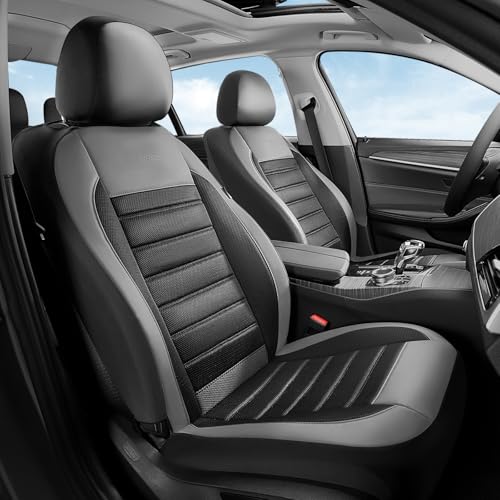 Coverado Car Seat Covers Front Seats, Luxury Leather Car Seat Covers, Automotive Mesh Seat Covers 2 Pack, Airbag-Compatible, Black Gray Seat Covers for SUV Sedan Truck