Car Stutters When Starting Cold: Causes, Fixes & Diagnostic Steps
A car that stutters when starting cold is usually signaling a weak battery, worn spark plugs, or a dirty mass airflow (MAF) or idle air control (IAC) sensor, not a major engine problem in most cases. Ignoring it lets a marginal battery fail completely or a clogged fuel filter strand you on a freezing morning. This guide covers the tests to run first, the sensors most guides skip, and when it’s serious enough for a mechanic.
Quick Answer
Cold-start stuttering is most often caused by a weak battery (test for about 12.6V resting, 13.8–14.4V running), worn spark plugs, or a dirty mass airflow (MAF) or idle air control (IAC) sensor. Cold, thick oil and cold fuel make all of these worse. Test the battery first — it’s the cheapest check and the most common real cause.
Introduction to Cold Start Issues

Cold start issues can cause your car to stutter or hesitate. Recognizing the common symptoms helps you address the problem early, before a marginal part fails outright.
- Engine stalling during initial start.
- Rough idling or shaking when the engine is cold.
- Difficulty accelerating right after starting.
- Unusual noises from the engine upon starting.
Ignoring these symptoms can lead to more serious issues and higher repair costs over time. A little attention now — usually a $5 multimeter check or a $10 can of sensor cleaner — can save you a tow truck call later.
Understanding Your Car’s Cold Behavior
Temperature plays a big role in how engines run. Cold weather makes engines stutter because oil is thicker when it’s cold and the fuel mixture may not ignite as cleanly. Not every car reacts the same way — older models and carbureted engines tend to struggle more, while modern fuel-injected engines adjust the fuel-air mixture automatically and usually cold-start more smoothly.
📊 A conventional gasoline car’s fuel economy runs roughly 15% lower at 20°F than at 77°F in city driving, and can drop as much as 24% on short 3–4 mile trips — because it takes the engine longer to reach its most efficient operating temperature. Source: FuelEconomy.gov, U.S. Department of Energy
Regular maintenance is key for reliable cold starts: checking the battery, using the manufacturer-recommended oil viscosity, and keeping the fuel system clean all make cold mornings easier on the engine.
Quick Fixes for Immediate Relief
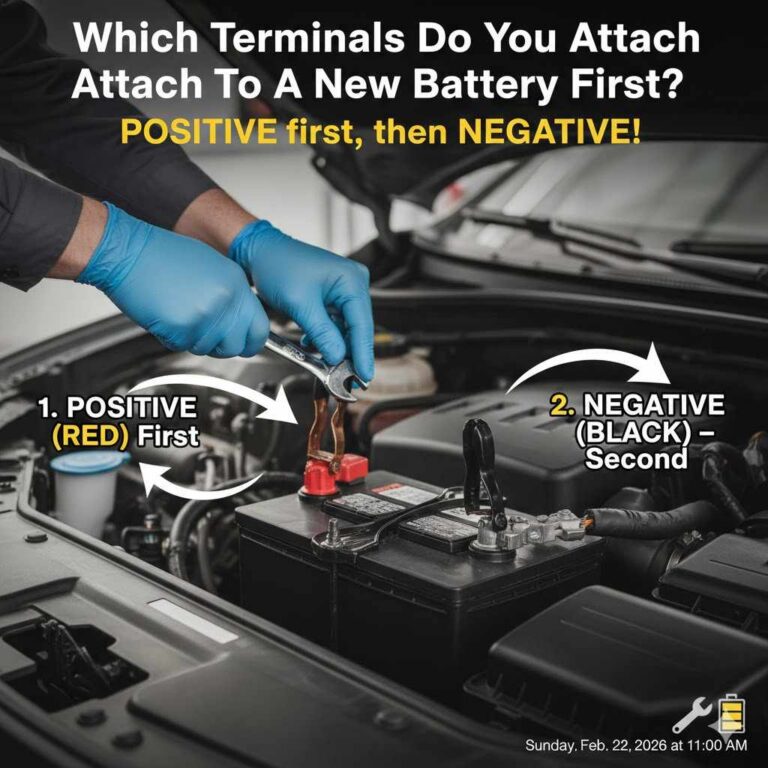
Checking battery health is vital — a weak battery is the single most common cause of cold start stuttering. Use a multimeter to check voltage. A fully charged battery shows around 12.6 volts resting. If the reading is lower, consider testing or replacing it before you do anything else.
📊 A car battery loses about 20% of its charge at 32°F (0°C) and nearly half at 0°F (-18°C) — right when cold, thickened oil is asking the starter for more effort than usual. Source: NAPA Canada
Inspecting spark plugs for wear is essential. Worn or dirty spark plugs can lead to starting issues. Check for cracks or heavy deposits, clean them if they’re dirty, and replace any that look damaged. This simple check can noticeably improve cold-start performance.
Best Cold-Start Diagnostic Pick
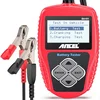
ANCEL BA101 Car Battery Tester
A 12V digital load tester that checks state of charge, cranking power, and alternator charging output directly at the battery terminals.
- Best for: Confirming whether a weak battery is the real cause of your cold start stutter in under 2 minutes.
- Why we picked it: Tests the most common cold-start stutter cause first, before you spend money on anything else.
- Main drawback: Not rated for 6V or 24V systems, so it won’t work on some older classics or heavy-duty trucks.
Compare more cold-start diagnostic options
 Option 1 Iso-HEET Fuel Line Antifreeze & Water Remover
|
 Option 2 Castrol EDGE 5W-30 Full Synthetic
|
 Option 3 ANCEL AD310 OBD2 Scanner
|
As an Amazon Associate we earn from qualifying purchases.
Fuel System Checks
Fuel filter inspection is essential for a smooth start. A clogged fuel filter can restrict fuel flow, which shows up hardest on a cold start when the engine needs a strong, consistent supply. Regular checks help avoid this issue.
Fuel quality matters more in winter. Poor-quality fuel, or fuel that’s picked up condensation, can lead to poor performance and starting problems. A fuel-line antifreeze additive helps prevent water from freezing in the lines and improves combustion in cold weather.
Sensor and Airflow Causes of Cold Start Stuttering (Often Missed)
A dirty mass airflow sensor, a sticking idle air control valve, or a faulty coolant temperature sensor can all cause a cold start stutter even when the battery, spark plugs, and fuel system check out fine. These parts control the fuel-air mixture the instant the engine fires, so a bad reading shows up hardest on a cold start — and this is the group of causes most basic troubleshooting guides skip entirely.
What Does the Mass Airflow (MAF) Sensor Do?
The mass airflow (MAF) sensor is an engine sensor that measures how much air enters the intake so the computer can calculate the correct amount of fuel to inject. A dirty or failing MAF sensor sends an inaccurate reading, which is most noticeable on a cold start, when the fuel-air ratio has to be precise for the engine to catch smoothly. Cleaning it with a dedicated MAF sensor cleaner (never brake cleaner, which can damage the sensor’s wiring) resolves many stuttering complaints for under $10.
Why a Sticking Idle Air Control (IAC) Valve Causes Stuttering
The idle air control (IAC) valve is a small motor-driven valve that regulates how much air bypasses a closed throttle plate to control idle speed. When it sticks — common after months of carbon buildup — idle speed swings unpredictably right after a cold start, producing the stutter or brief stall drivers notice before the engine smooths out.
Can a Bad Coolant Temperature Sensor Cause a Cold Start Stutter?
Yes. The engine coolant temperature (ECT) sensor tells the computer how cold the engine is so it can richen the fuel mixture at startup. If the sensor reports the wrong temperature, the computer sets a mixture that’s too lean or too rich for the actual conditions, producing a rough, stuttering cold start that often clears up once the engine reaches operating temperature anyway — which is exactly why this cause gets missed.
“A car that stutters or hesitates on a cold start is most often traced to worn spark plugs, a failing ignition coil, or a fuel delivery problem that only shows up before the engine reaches full operating temperature.”
Step-by-Step: How to Diagnose a Cold Start Stutter
Work through these five checks in order — they’re arranged from cheapest and fastest to most involved, so you rule out the common causes before moving to sensors.
- Test battery voltage: Use a multimeter on the battery terminals. A healthy battery reads about 12.6V resting and 13.8–14.4V with the engine running; anything lower points to the battery or alternator first.
- Inspect the spark plugs: Pull one plug and check for heavy black deposits, cracks, or a worn electrode gap, then replace any that look damaged.
- Check the fuel filter and fuel quality: A clogged filter or water-contaminated fuel restricts flow exactly when a cold start demands the most fuel pressure.
- Scan for stored codes: Plug in an OBD2 scanner even if the check engine light isn’t on — a MAF, IAC, or coolant temperature sensor can log a code before the light triggers.
- Clean the MAF sensor and IAC valve: If the first four checks come back clean, a $10 can of MAF-safe sensor cleaner resolves a surprising number of remaining stutters.
Electrical Component Inspection
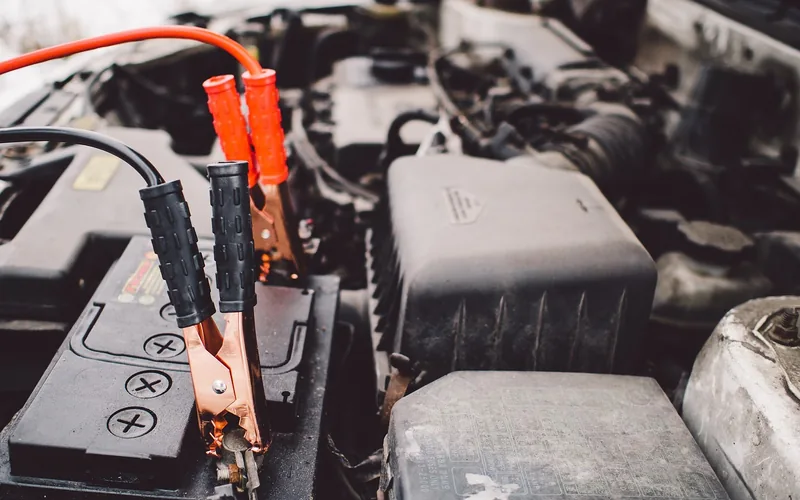
Checking starter motor condition is essential. A weak starter can cause the engine to stutter. Look for signs of wear or damage, and make sure the connections are tight — corroded terminals can also affect performance.
Alternator performance in cold weather is crucial too. Cold temperatures can reduce efficiency, and a weak alternator may not charge the battery properly. Test the voltage output with the engine running; it should read between 13.8 and 14.4 volts.
| Component | Check For |
|---|---|
| Starter Motor | Wear, damage, tight connections, corrosion |
| Alternator | Voltage output (13.8–14.4V running), efficiency in cold |
Engine Oil and Its Impact on Cold Starts
Choosing the right oil viscosity is crucial for your engine. Thicker oil can cause starting issues in cold weather because it flows more slowly to critical parts. A lower first-number (“W” for Winter) viscosity oil flows better when cold, helping your engine start more easily and reducing dry-start wear on the starter and battery.
Regular oil changes matter for smoother starts too — old oil thickens and becomes less effective. Always check your owner’s manual for the manufacturer-specified oil type before switching grades.
| Viscosity | Temperature Range | Benefits |
|---|---|---|
| 5W-30 | -20°C to 30°C (-4°F to 86°F) | Good for cold starts and fuel efficiency |
| 10W-40 | -10°C to 40°C (14°F to 104°F) | Better for warmer climates and high mileage |
Preventive Measures and Maintenance Tips
Prepare your car for winter with a seasonal maintenance checklist. Check the battery to ensure it has enough charge, inspect coolant levels and top off antifreeze if needed, examine tires for proper tread depth and inflation, and replace old wiper blades to improve visibility during snow and rain.
Change the engine oil and use the manufacturer-recommended winter-grade oil for better cold-start performance. Clean the fuel system to prevent stalling, and test the brakes to make sure they work effectively in icy conditions.
Stock your car with emergency supplies for winter drives: a shovel, a blanket, a flashlight, extra food and water for longer trips, and a first-aid kit.
When to Seek Professional Help
Cold start issues can signal serious problems with your car. Stuttering or failure to start may indicate a faulty battery or fuel system issue. Always check for warning lights on the dashboard — and pull codes with an OBD2 scanner even if no light is on, since a sensor can log a code before triggering the check engine light.
Seeking help from a professional mechanic is essential for complex issues. A trusted mechanic has the diagnostic tools and experience to confirm a MAF, IAC, or coolant sensor fault accurately, and DIY fixes on the wrong part can sometimes lead to further complications.
Frequently Asked Questions
Why Does My Car Stutter When I Start It Cold?
A car may stutter when starting cold due to issues like a weak battery, faulty spark plugs, or fuel system problems. Cold temperatures can thicken engine oil, making it harder to start. Regular maintenance can help prevent these issues and ensure smooth starts.
Why Does My Engine Sputter When I Start It Cold?
Your engine may sputter cold due to insufficient fuel flow or air intake issues. Dirty spark plugs or a failing fuel pump can also cause this problem. Temperature affects engine components, leading to rough starts until the engine warms up. Regular maintenance helps prevent sputtering.
Why Does My Car Stutter When Starting But Runs Fine?
A stuttering start can indicate a weak battery, faulty spark plugs, or a clogged fuel filter. These issues disrupt the engine’s initial power but don’t affect its performance once running. Regular maintenance can help prevent these problems and ensure smooth starts.
Why Does My Car Shake When I Start It Up Cold?
Cold starts can cause your car to shake due to engine components not warming up properly. Thick oil and fuel mixture inconsistencies contribute to this issue. Vibrations typically decrease as the engine reaches its optimal temperature. If shaking is the main symptom rather than stuttering, see our dedicated guide on why a car shakes on cold start for a deeper breakdown.
Is a Cold Start Stutter the Same Problem as Stuttering on Acceleration?
No. A cold-start stutter happens in the first few seconds after ignition and is usually tied to battery voltage, spark plugs, or sensor readings that only matter while the engine is cold. Stuttering during acceleration once the engine is warm points to different causes, like fuel delivery under load or a failing throttle position sensor — see our guide on why a car stutters on acceleration for that specific issue.
Can a Dirty MAF or IAC Sensor Cause a Cold Start Stutter?
Yes. A dirty mass airflow (MAF) sensor reports an inaccurate air reading, which throws off the fuel mixture right when the engine needs it most precise, at a cold start. A sticking idle air control (IAC) valve causes the same kind of rough, stuttering idle before the engine settles. Cleaning both is inexpensive and often fixes stuttering that isn’t caused by the battery or spark plugs.
Conclusion
A cold start stutter can be frustrating, but identifying the underlying cause is straightforward if you work through it in order: battery voltage, spark plugs, fuel system, then the MAF, IAC, and coolant temperature sensors most guides skip. Regular maintenance and a $30 OBD2 scanner keep most of these problems from turning into a tow-truck call.
Products related to this article
Sponsored / affiliate links. As an Amazon Associate I earn from qualifying purchases. I may earn additional commission from eligible campaigns.