Best MAF Sensors for Smooth Idle (2026): we compared
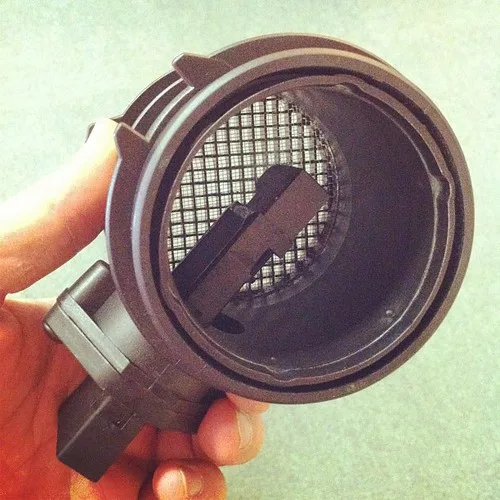
Buy a MAF sensor only after checking for intake leaks and a dirty air path. If fuel trims are off and P0101 returns, one correct OE-style sensor often fixes smooth idle. Skip that order and you can spend money on the wrong part. The Bosch 0280218419 is the safest overall pick here for a budget OE-grade repair, while the Denso 197-6160 fits best when vehicle-specific fit and factory-style calibration matter most.
This guide is part of our Car sensors and parts guide series.
Quick comparison
| Product | Badge | Best for | Price | ||
|---|---|---|---|---|---|
 |
Denso 197-6160 Mass Air Flow SensorDenso | Our pick | Denso vehicle-specific mass air flow sensor | $123.10
Price as of 1 Oct 2026
|
View |
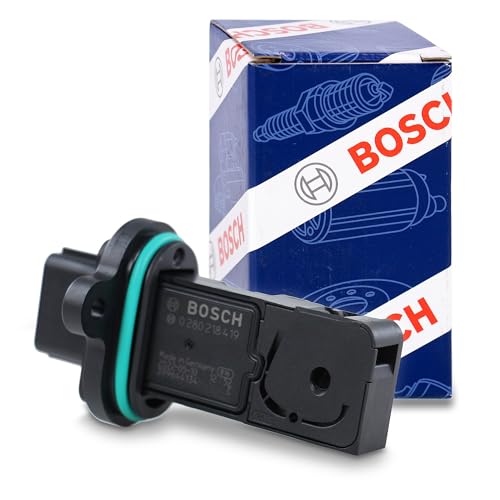 |
BOSCH 0280218419 Original Equipment Mass Air Flow (MAF)Bosch | Budget pick | Bosch OEM-grade mass air flow sensor | $66.78
Price as of 1 Oct 2026
|
View |
This comparison is about risk, not brand loyalty. A MAF sensor can clear a code and still leave idle quality bad if the intake has a leak, the throttle body is dirty, or the connector/pin count is wrong.
The safest purchase matches the vehicle, the connector, and the airflow signal the ECU expects.
According to 8 Best Mass Air Flow Sensors (September 2026) Expert Reviews — The article links MAF problems to a P0101 code.
How we chose these MAF sensors
We compared each sensor on calibration match, connector fit, and application risk. We also weighed whether the part is a true OE-style replacement or a bargain that may bring back the same idle complaint.
Warranty and return risk mattered too. A roughly 1- to 2-year coverage window can be a useful trust signal in this category, since an incorrect airflow signal can send you back into diagnosis quickly.
Symptom-to-fix decision table
| Idle behavior | Codes | Vehicle / intake setup | Safest move |
|---|---|---|---|
| Rough idle only, worse at stoplights | No MAF code, trims lean at idle | Stock intake on a daily driver | Check intake leaks, throttle body dirt, and PCV routing before replacing the MAF |
| Hesitation, stalling, black smoke, failed emissions | P0101 or related lean codes | Stock air box, no intake mods | OEM or OE-quality MAF if connector and pin count match exactly |
| Idle hunts after parts-store sensor install | P0101 returns after clear | Unknown brand or wrong calibration | No replacement yet; inspect intake leaks, contamination, and wiring fitment |
| Rough idle on modified intake or oiled filter setup | Lean code or drivability complaint | Aftermarket intake, tune, or non-stock air path | Match the airflow curve first; OEM may be wrong, OE-quality or application-specific sensor is safer |
| High-mileage truck with obvious connector wear | Intermittent signal fault | Older GM, Ford, or Nissan | Replace only if pin count and output type are verified; otherwise inspect the wiring and contamination |
OEM MAF sensor: best for sensitive idle control
OEM is the safest choice when idle quality matters and the engine is picky about airflow signal shape. That is especially true on GM, Toyota, and Ford applications with factory calibration that does not tolerate much drift in output curve or connector fit.
Use OEM when the vehicle is stock, the code keeps coming back, and the rest of the intake path checks out. On a sensitive application, the extra cost buys less guesswork and fewer repeat repairs.
The main drawback is price. OEM parts can be far more expensive than OE-quality aftermarket sensors, and that premium does not fix a vacuum leak or a dirty throttle body.
Fitment checks before you buy
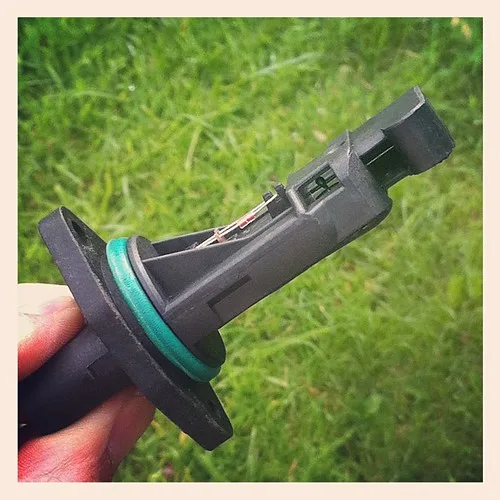
Check connector style, pin count, mounting style, and whether the sensor expects the same output type as the original part. A plug-and-play claim means little if the connector fits but the calibration does not.
For smooth idle, the ECU wants the airflow number it expects. If the signal is off, fuel trim can stay biased lean or rich, and the idle will still feel wrong.
OE-quality aftermarket MAF sensor: best for daily drivers
OE-quality aftermarket is the middle ground for a stock daily driver that needs a correct repair without OEM pricing. Bosch and Denso are the names people usually start with because the part shape, connector fit, and output behavior are usually closer to factory than bargain sensors.
The tradeoff is application sensitivity. Even a good aftermarket MAF can be wrong for a modified intake, so the label alone does not make it the right answer.
Look for exact connector match, correct pin count, and a stated vehicle application that aligns with your engine code. If the listing is vague, skip it.
What stands out in this tier
The Bosch 0280218419 is an example of why OE-grade parts can matter. It is positioned as an original equipment-style sensor, and its value is strongest when you want a sensible price without drifting into no-name territory.
The drawback is simple. Aftermarket sensors still depend on the vehicle. If the intake is modified or the harness has repair damage, a clean swap may not solve the idle complaint.
Budget aftermarket MAF sensor: best for older repairs
Budget aftermarket only makes sense when the vehicle is older, the repair budget is tight, and the intake system is otherwise stock and clean. Even then, the sensor must match the connector, pin count, and output style exactly.
This tier is the highest risk. Cheap no-name MAF sensors can clear a code for a day and then bring back rough idle, stalling, or lean trims.
For a high-mileage truck or a car you are trying to keep on the road cheaply, budget can work if you accept the chance of a second repair. For anything sensitive, it is a false economy.
Warning signs that the cheap option is a bad bet
- The vehicle has a known picky airflow strategy.
- The intake has an oiled filter, spacer, or non-stock tube.
- The listing does not state connector style or pin count.
- The seller cannot confirm the exact application.
- The engine already has lean codes, vacuum noise, or throttle body contamination.
Best picks by application
For smooth idle, the right answer is usually the sensor that matches the ECU’s airflow map, not the cheapest unit that happens to fit the hole. The two products here cover the safe OE-style end of the market, which is where most DIY drivers should start.
 As an Amazon Associate we earn from qualifying purchases. Prices and availability are accurate as of the date shown and are subject to change.
Bosch 0280218419: best for daily drivers
This is the safer buy for a stock daily driver that needs a clean repair at a fair price. Based on the spec sheet and owner feedback, it is the kind of OE-grade sensor that fits the common “replace it once and move on” job.
What stands out is the original equipment-style positioning and the precise micromechanical sensor element. It is also a good fit when the goal is restoring proper fuel trim and idle quality rather than chasing a cheap part that may cause the same complaint again.
One honest drawback: it is still application-sensitive. If the connector, pin count, or calibration is off for your exact vehicle, the symptom will not improve much no matter how good the brand name looks.
As an Amazon Associate we earn from qualifying purchases. Prices and availability are accurate as of the date shown and are subject to change.
Denso 197-6160: best for vehicle-specific fit
This is the better pick when vehicle-specific fit is the priority and you want a sensor built around the original application. Denso is a solid OE-style choice for drivers who care more about matching the factory signal than saving a few dollars.
Its strengths are the vehicle-specific fit type and the light package design, which points to a straightforward replacement job. For a stock engine with a real MAF issue, that kind of fit discipline matters more than marketing claims.
The drawback is simple: the Denso unit costs more than a budget part, and it still will not fix intake leaks, a dirty throttle body, or bad PCV routing. If those are the real fault, the sensor will be blamed for the wrong problem.
Which one should you buy?
If you are doing a budget repair on a high-mileage truck, pick the OE-quality option only after confirming the connector, pin count, and intake condition. If the harness is damaged or the intake has been touched before, do the diagnosis first and buy nothing yet.
If you have a daily driver with a P0101 code, choose the Bosch 0280218419 or another OE-quality match before reaching for a cheap generic sensor. That is the cleanest path when the car is stock and fuel trims point toward an airflow signal problem.
If the car has a modified intake or performance tune, stop treating the MAF as a default fix. Some setups need a different output curve, and an OEM-style part can make things worse.
If the idle complaint exists with no MAF-related code and no trim evidence, skip the replacement entirely and chase vacuum leaks, throttle body contamination, and PCV faults first. That saves money and time.
What is the best MAF sensor for smooth idle?
The best MAF sensor for smooth idle is the one that matches the factory calibration, connector, and pin count for your exact vehicle. For a stock daily driver, OEM or OE-quality aftermarket is usually the safest path. On sensitive engines, exact signal match matters more than price.
Will a bad MAF sensor cause rough idle and stalling?
Yes. A failing MAF can cause rough idle, stalling, hesitation, black smoke, and failed emissions. It can also trigger a P0101 code. But those symptoms are clues, not proof, because vacuum leaks, throttle body dirt, and PCV issues can look the same.
Should I buy OEM or aftermarket MAF sensor?
Buy OEM when the engine is sensitive, the vehicle is stock, or the original part is known to be picky about airflow signal shape. Choose OE-quality aftermarket when the brand has the right connector and output behavior. Avoid ultra-cheap sensors unless you are willing to risk a repeat repair.
Which MAF sensor brands are most reliable?
Denso, Bosch, Motorcraft, ACDelco, Hitachi, and OE-equivalent suppliers are usually the first names to check. Reliability depends on the exact application as much as the brand. A good brand with the wrong calibration still creates trim problems and idle complaints.
How do I know if my MAF sensor is causing a P0101 code?
It can help to look at fuel trim at idle, inspect the intake for leaks, and confirm the air path is clean before replacing anything. If P0101 returns after cleanup and the connector fit is correct, the MAF becomes a stronger suspect. A code alone is not enough to buy parts.
Do cheap MAF sensors need a relearn procedure?
Sometimes, but relearn is not the main issue. Many plug-and-play replacements work without special steps, while some vehicles need idle adaptation after the repair. If the sensor is the wrong calibration, no relearn will rescue it. Correct part selection comes first.
How much should I expect to pay for a MAF sensor?
Expect a wide spread. OE-quality aftermarket sensors often sit in the middle, OEM parts cost more, and niche applications can be far higher. The Mitsubishi OEM MAF Sensor listed here is $616.99, which shows how expensive a true factory part can get on some vehicles.
Which MAF sensor fits my GM, Nissan, Toyota, or Ford?
Match the sensor by application, connector, and pin count, not by “fits most” language. GM trucks and SUVs may often benefit from the Delphi AF10043 family, while Ford, Toyota, Nissan, and Infiniti applications may do best with exact OE-style cross-checking. Vehicle-specific catalog data matters here.
Can a MAF sensor fix hesitation and poor fuel mileage?
Yes, if the MAF is the real fault and the signal is skewing fuel trim. A bad reading can hurt throttle response and mileage because the ECU calculates fuel delivery from airflow. If hesitation comes from vacuum leaks or throttle issues, though, a new sensor will not cure it.
Is an OEM MAF worth it for smoother idle?
Yes, when the engine is sensitive, the intake is stock, or the vehicle is known for calibration drift with aftermarket parts. OEM is the safer answer for smooth idle when you want the least guesswork. If the system is modified, OEM may be the wrong curve entirely.
Products related to this article
Sponsored / affiliate links. As an Amazon Associate I earn from qualifying purchases. I may earn additional commission from eligible campaigns.