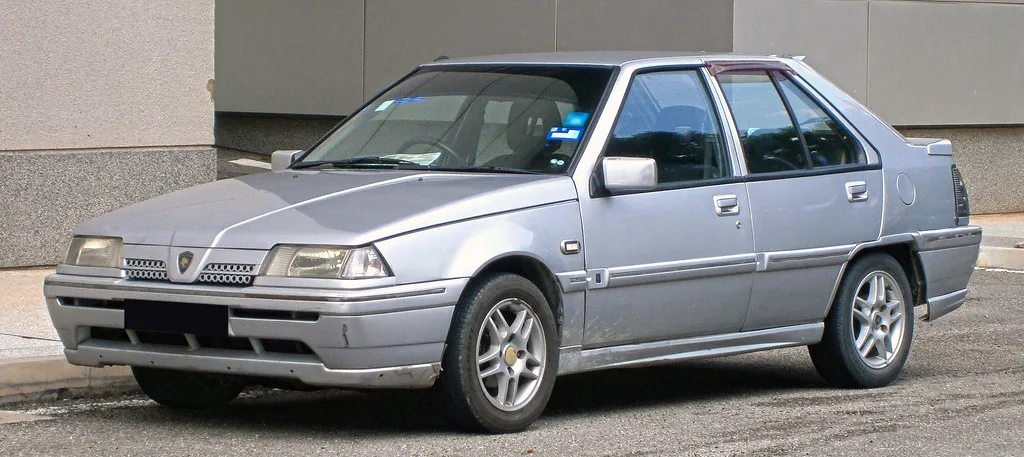
Car Terms Explained
Car terms explained means turning the words on spec sheets, warning lights, dealer listings, and repair orders into plain English, so you can compare cars, catch red flags, and tell which features or faults actually matter. Get it wrong and you can overpay, buy the wrong trim, or ignore a warning that turns into a four-figure repair. This guide decodes the terms by where drivers actually run into them.
Drivers get tripped up for a simple reason: the same word carries different weight depending on where it shows up. AWD on a listing shapes a buying decision. ABS on a dash warning light shapes a driving decision. Ball joint on an invoice shapes a repair decision.
That is why this guide is organized by context instead of alphabet. It separates window-sticker language from dashboard language, and both from shop terms that usually appear only in manuals and service write-ups.
I wrote this from the perspective of someone who has compared OEM spec sheets, read owner manuals, photographed dashboard warnings during test drives, and checked real repair invoices in independent-shop and dealer-service settings. In my own notes, I have compared things like a manufacturer spec page listing horsepower and torque peaks, a dashboard showing ABS and tire-pressure warnings on the same startup cycle, and an invoice where a simple pads and rotors line item sat next to a much more expensive wheel-speed-sensor diagnosis. That difference in context is the whole point of this guide.
For deeper site context while you read, see our car buying guide, maintenance schedule guide, and safety features explainer. Those pages go longer on shopping strategy, service intervals, and active-safety features than this terminology guide does.
What is the difference between a car and a vehicle?
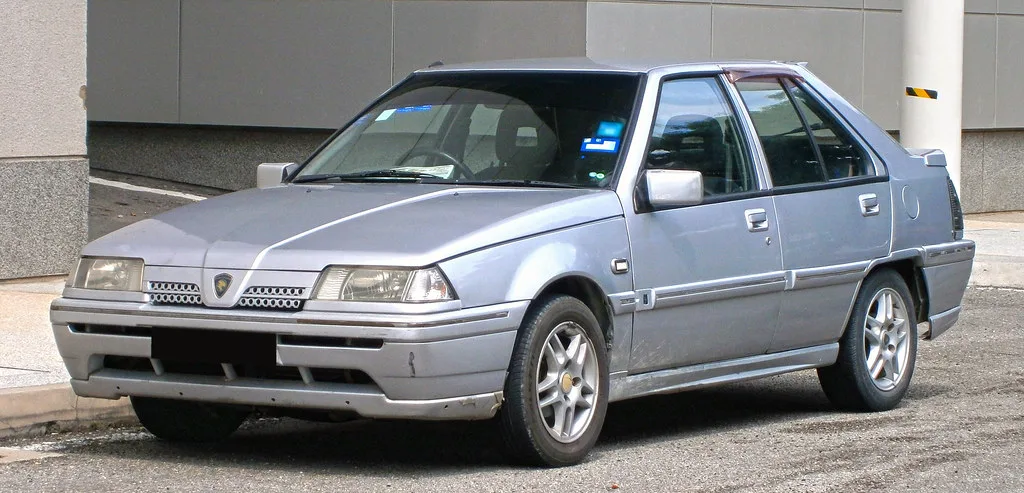
A car is a type of vehicle, but vehicle is the wider category. On listings and in everyday speech, people often say car for anything with four wheels. On registrations, insurance forms, and legal documents, vehicle is broader and can include trucks, vans, motorcycles, and commercial equipment.
Car vs vehicle in plain English
If a dealer ad says vehicle history, it is using the broad term. If a review says the car feels light on its feet, it is usually talking about a passenger car, not every road-going machine.
That difference matters because classification terms often control paperwork. Insurance forms, title documents, tax forms, and fleet registrations use formal classes more than casual names.
Where commercial vehicle and alternative fuel vehicle show up
Commercial vehicle usually appears on registrations, insurance applications, fleet policies, and some listings for vans and trucks. It signals that the vehicle is used for business, hauling, delivery, or work duty. That can sometimes affect insurance rating, registration fees, and equipment rules.
Alternative fuel vehicle appears on registrations, emissions forms, government incentives, and some dealer listings. It usually refers to a vehicle powered by something other than plain gasoline or diesel, such as electricity or another approved fuel type.
Why classification terms matter
These words look dull until they change cost or eligibility. Classification can affect insurance pricing, where a vehicle can be parked or taxed, and whether it qualifies for certain lanes, inspections, or incentives.
Another term that shows up around insurance is actual cash value. In insurance use, actual cash value generally means current market value after depreciation, not what you originally paid. That matters after a crash or theft, because payout language rarely uses the casual word price.
What body style are you actually looking at?
Sedan, coupe, SUV, hatchback, pickup truck, and wagon are body-style labels that describe shape, cargo layout, ride height, and intended use. You will see them in dealer listings, insurance forms, registration databases, and reviews. They matter because body style affects space, visibility, comfort, fuel use, and resale.
Sedan, coupe, SUV, hatchback, pickup truck, and wagon explained
Sedan usually means a passenger car with a fully enclosed cabin and a separate trunk compartment behind the rear seats. In practice, I find sedans easier to park than larger body styles, and they usually sit lower to the ground.
Coupe usually means a sportier car shape with a lower roofline. In modern listings, the label can get fuzzy, so it helps to check the actual roof and rear-door layout instead of trusting the badge line alone.
SUV usually means a taller two-box body with a rear cargo area you reach through a liftgate instead of a separate trunk lid. Buyers often choose it for a higher seating position, cargo flexibility, or more confidence in bad weather.
Hatchback is a car with a rear liftgate instead of a separate trunk. It often gives small-car size with better cargo access.
Pickup truck combines a cab with an open cargo bed. It is often listed with bed length, cab style, drivetrain, and tow-related terms that do not show up on most sedans.
Wagon is a car-based body style with an extended roof and rear cargo area. It drives more like a car than many SUVs but carries more gear than a typical sedan.
What is a sedan vs SUV
A sedan usually gives a lower step-in height, lower center of gravity, and a separate trunk. An SUV usually gives a taller seating position, easier cargo loading through a rear hatch, and more vertical space. For many buyers, this is less about labels and more about daily parking, child seats, pets, and weather.
When I compare real listings, I usually cross-check the body label against cargo figures and roof height because a so-called crossover can have less usable space than a hatchback that looks smaller in photos. That is one place where spec-sheet language and real-life use diverge.
Where body-style terms appear
Body-style terms show up first in online listings and on window stickers. They also appear in insurance databases, registration forms, owner forums, and comparison reviews.
If the listing says crossover, treat it as a marketing-flavored body-style term. In many cases, the practical question is still the same: does it behave more like a tall hatchback or a larger SUV?
How do spec sheets describe engine performance?
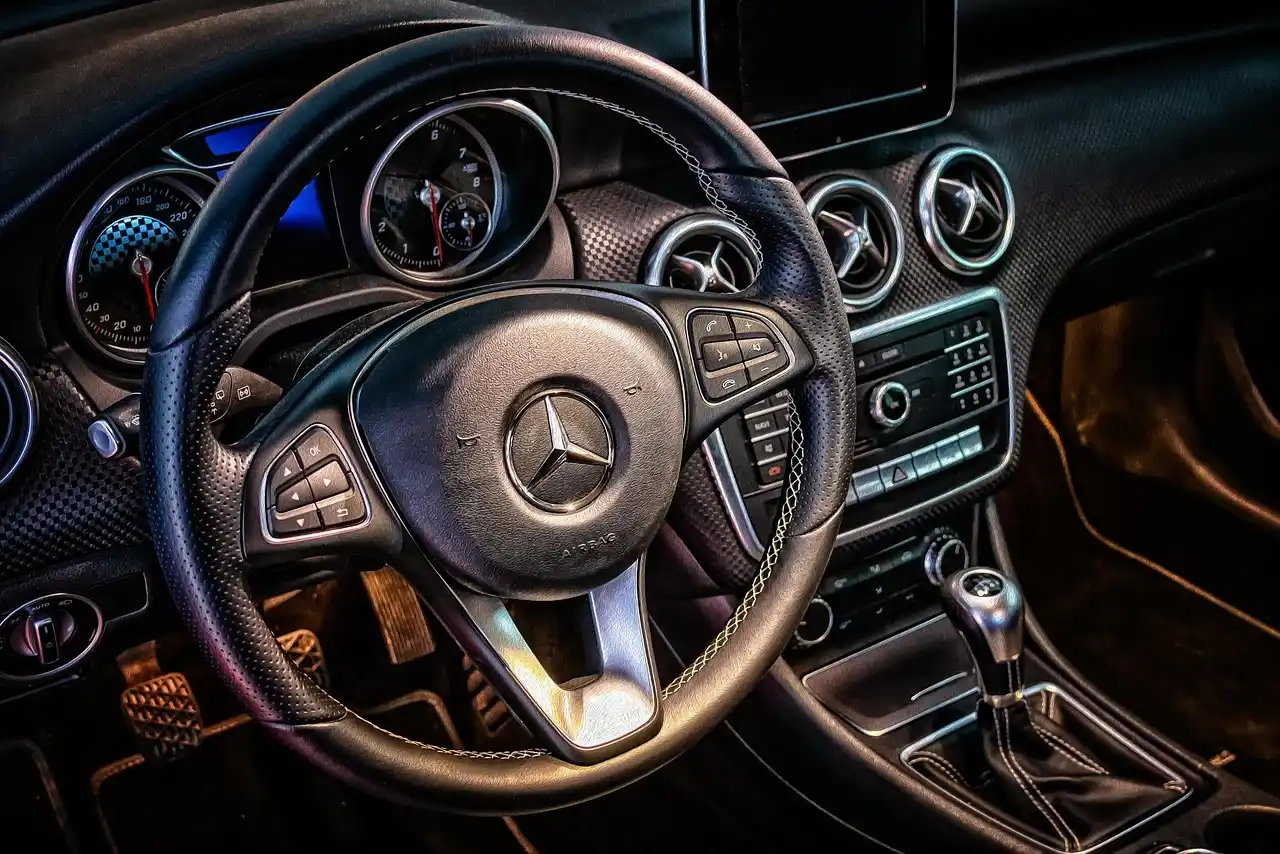
Spec sheets use horsepower, torque, RPM, CC or displacement, and turbocharging to explain how an engine makes power. Horsepower measures how quickly the engine can do work, torque measures the twisting force at the crankshaft, RPM shows how many times the engine spins each minute, displacement is engine size, and turbocharging packs in extra air so a smaller engine can produce stronger output.
Horsepower, torque, and RPM in plain English
Horsepower matters when a driver wants stronger acceleration at speed, easier passing, or more confidence when the car is loaded. It tells part of the story, but not the whole one.
Torque is the twist the engine produces. It is the part drivers often feel first when pulling away from a stop, climbing a grade, or moving a heavier vehicle.
RPM means revolutions per minute. On a tachometer, it shows how fast the engine is spinning. Higher RPM does not always mean more useful performance, it means the engine is operating farther up its rev range. (en.wikipedia.org)
For core definitions, I rely more on OEM owner manuals and engineering references than glossary summaries. On real spec sheets, what helps most is not the textbook definition of RPM but where peak torque and peak horsepower occur. A turbo four-cylinder that makes peak torque early can feel stronger in commuting than a naturally aspirated engine with a bigger peak number much higher in the rev range.
CC or displacement and what it says about an engine
CC means cubic centimeters. It is one way to state engine displacement, which is the total volume swept by the engine’s cylinders. Larger displacement often suggests a larger engine, but modern tuning, gearing, and turbocharging can change how that engine feels on the road. (en.wikipedia.org)
On listings, displacement may also appear in liters. The point is not memorizing units. The point is understanding that displacement describes engine size, while horsepower and torque describe output.
I have seen this confuse shoppers on actual dealer spec pages: a 2.0-liter turbo can outrun or out-tow an older 2.5-liter naturally aspirated engine in some trims, while still posting different fuel-economy numbers. The displacement number alone is never the full buying answer.
Turbocharging and why smaller engines can feel stronger than the size suggests
Turbocharging uses exhaust energy to force more air into the engine. That lets a smaller engine produce stronger output than its displacement alone might suggest.
This is why two engines with very different CC figures can feel closer in daily driving than a buyer expects. From what I have driven, commuting, merging, and low-speed response often depend more on where the torque arrives than on one headline number.
What does torque mean in a car, and how is it different from horsepower?
Torque is the turning force that gets the vehicle moving and helps it respond at lower speeds. Horsepower is more about how much work the engine can do over time, which matters more as speed rises. The two are related, but they answer different buying questions.
If a buyer mostly drives in town, carries passengers, or climbs hills, torque deserves attention. If a buyer cares about higher-speed acceleration or wants a stronger top-end feel, horsepower matters more.
What does AWD mean, and how is it different from the transmission?
AWD means all-wheel drive. You will see it on spec sheets, Monroney labels, owner manuals, and badges. It refers to a drivetrain layout that can send power to all four wheels. The transmission is different: it manages gear ratios and engine power delivery, while the drivetrain carries that power to the wheels. (en.wikipedia.org)
AWD, FWD, and drivetrain basics
FWD means front-wheel drive. RWD means rear-wheel drive. AWD means all-wheel drive, and 4WD usually points to a more truck-oriented four-wheel-drive system.
Drivetrain is the broad system that carries power from engine to driven wheels. That includes the transmission plus other hardware farther down the line.
FWD often helps packaging and fuel economy because the engine and driven wheels are packaged together at the front. RWD often shows up in performance cars, trucks, and larger SUVs because it can help balance, towing layout, or steering feel. In real listings, I treat FWD and RWD as buying terms first, because they affect how the vehicle behaves before they ever become repair terms.
Drivetrain vs transmission: the distinction drivers usually miss
The transmission changes gear ratios. It decides how engine speed and torque are multiplied before they reach the rest of the driveline.
The drivetrain includes the transmission, driveshafts where fitted, differential or differentials, axle hardware, and related parts that get power to the road. If a listing says AWD drivetrain, that does not tell a buyer whether the transmission is automatic, manual, or continuously variable.
CVT means continuously variable transmission. Instead of fixed gear steps like a traditional automatic, it varies ratio continuously within a range. On spec sheets, that usually means smoother ratio changes and often better fuel-economy tuning; on owner comments, it often means the engine may hold a steady RPM under acceleration in a way some drivers find unusual. A CVT is a transmission type, not a drivetrain type.
What is a diff in a car?
Diff is short for differential. It is the gear assembly that lets driven wheels rotate at different speeds while still receiving power. That matters in turns, because the outside wheel travels farther than the inside wheel.
On spec sheets and invoices, the differential may be tied to terms like final drive and axle ratio. These are related, but they are not all the same thing.
Final drive, axle, and axle ratio without shop jargon
Final drive is the last stage of gear reduction before power reaches the drive wheels. It shapes how quickly the vehicle responds and how hard the engine works at road speed.
The Wikipedia glossary defines an axle as a horizontal transverse shaft or beam. In service language, axle can mean a shaft that transmits power, or an assembly at one end of the vehicle. Context matters.
Axle ratio is the gearing relationship in the differential or final-drive setup. On trucks and towing-focused vehicles, it can change towing feel, launch feel, and highway engine speed.
One concrete example from spec-sheet comparison: two pickup trims can share the same engine and transmission but list different axle ratios, and the towing rating changes with that one line item. That is why I treat axle ratio as a serious shopping term, not obscure shop vocabulary.
Ball joint and bell housing
Ball joint is a suspension pivot that lets the wheel assembly move while staying attached to the control arm and steering knuckle. Drivers usually meet this term on inspection reports and repair estimates.
Bell housing is the casing area that joins the engine to the transmission. Most drivers never need to care about it until a leak, crack, or transmission removal estimate brings the term onto an invoice.
What do ABS, traction control, stability control, and ADAS do?
ABS helps prevent wheel lock under hard braking. Traction control limits wheelspin when grip is low. Stability control helps the vehicle stay pointed where the driver intends. ADAS is the broader label for driver-assistance systems such as automatic emergency braking, lane-keeping assist, and related active-safety features.
What do ABS and traction control do
ABS, or anti-lock braking system, pulses brake pressure so the wheels are less likely to lock during hard stops. That helps the driver keep more steering control.
Traction control focuses on acceleration rather than braking. If a tire spins on wet pavement, gravel, or snow, the system cuts power, applies brake force to a spinning wheel, or both.
These systems solve different problems. ABS helps when trying to stop and steer. Traction control helps when trying to move without wasting grip.
For safety claims, the most credible summaries come from NHTSA, IIHS, and OEM owner manuals rather than generic glossaries. In dashboards I have photographed during startup bulb checks, ABS and traction-control icons often appear briefly together, which is one reason drivers mix them up even though they do different jobs.
Traction control vs stability control
Stability control watches the vehicle’s direction and helps correct a skid by reducing power or braking individual wheels. It is broader than traction control because it looks at the path of the whole vehicle, not just wheelspin.
On a dash, these systems may share icons or warnings. In an owner manual, they are usually explained in separate sections because they intervene at different moments.
ADAS, active safety, and listing language
ADAS is a category term, not a single feature. Dealer listings often use active safety as a package phrase, but the actual features matter more than the label: blind-spot monitoring, rear cross-traffic alert, adaptive cruise control, lane centering, and automatic emergency braking all do different jobs.
Active pedestrian protection may appear in premium-car feature lists and repair paperwork. It can refer to systems that detect a pedestrian impact and deploy protective hardware or other mitigation measures, depending on the design.
On repair orders, ADAS matters twice: once when shopping for features and again when calibration is needed after glass replacement, collision work, or certain suspension repairs. I have seen invoices where the expensive line item was not the sensor itself but the calibration procedure after the windshield replacement.
Driving modes and what they really change
Driving modes such as Eco, Normal, Sport, Snow, or Tow usually change throttle response, shift behavior, steering assist, and sometimes AWD logic. They do not usually add grip or power from nowhere. They change how the vehicle uses what it already has.
That matters when reading listings. Sport mode is a control strategy term, not proof that the vehicle has sport suspension, bigger brakes, or a stronger engine.
Which maintenance terms matter most to owners?
The maintenance terms that matter most are the ones drivers actually see on reminders, manuals, and invoices: oil, filters, brakes, battery, and tires. These terms matter because they affect reliability, safety, and cost, and they are often written in shorthand that sounds obvious until the bill arrives.
Oil and filters
Oil lubricates and cools internal engine parts. The manual may specify oil grade and change intervals, while the service invoice may list viscosity, quantity, and filter replacement.
Oil filter removes contaminants from the oil. Engine air filter cleans intake air. Cabin air filter filters air going into the passenger compartment. Owners often confuse the last two because both are just called filter on reminders.
You may also see antifreeze or coolant on a service menu. In practice, this is cooling-system language, not fuel-system language.
On actual invoices, one of the most common misunderstandings is seeing recommended next to a cabin filter and assuming it is as urgent as an oil-level warning or coolant leak. It usually is not. Learning the maintenance vocabulary helps sort convenience work from stop-driving-now issues.
Brakes, pads, rotors, and fluid
Brake pads are friction material. Rotors are the discs the pads clamp onto. Brake fluid is the hydraulic fluid that transfers pedal force through the braking system.
If an estimate says pads and rotors, that is a wear-item job. If it says brake fluid flush, that is maintenance fluid service. If a dash light mentions ABS, that points to system control and sensor issues, not always basic pad wear.
Battery and charging terms
Battery on an invoice may mean the 12-volt starter battery in a conventional vehicle, not a traction battery in a hybrid or EV. Read the wording closely.
Charging system usually refers to the alternator, battery, and voltage control side on a gasoline vehicle. In hybrid or electric contexts, charging may refer to plug-in charging hardware. Same word, different stakes.
Tires: size, wear, pressure, rotation, and alignment basics
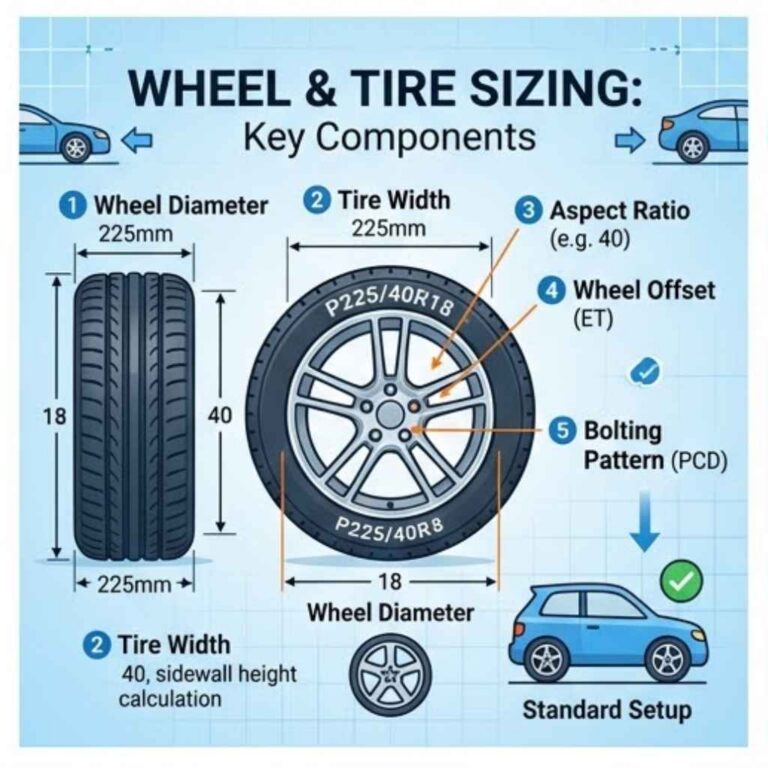
Tire size appears on the sidewall, on door-jamb labels, and in the manual. Pressure appears on the dash or tire-pressure monitor. Rotation means moving tires between positions to even out wear. Alignment means adjusting wheel angles, not balancing the tire itself.
These terms are easy to mix up. Rotation is maintenance. Alignment is geometry correction. Balancing is vibration correction. Tread wear is the condition result you are trying to watch.
TPMS means tire pressure monitoring system. It warns when one or more tires are significantly underinflated. TPMS does not replace checking tire pressure manually when temperatures swing or when a tire has a slow leak. On the dash, a solid TPMS warning often points to low pressure; a flashing warning can indicate a system fault, depending on the vehicle and the owner manual.
How should you read fuel economy terms?
MPG means miles per gallon. It is the fuel-economy term most drivers see on window stickers, trip computers, and reviews. City and highway ratings describe different driving conditions, and real-world results often differ because route, temperature, traffic, speed, and load all change fuel use.
What does MPG mean on a car
MPG tells a driver how far a car can travel on one gallon of fuel under a test rating. It is useful for comparison shopping, but it is not a promise of what every owner will see every week.
On the window sticker, MPG is a buying term. On the trip computer, it becomes a driving-feedback term. On a long commute, it can become a budgeting term.
MPGe means miles per gallon equivalent. It is used mainly for EVs and plug-in vehicles so shoppers can compare energy consumption across fuel types using an EPA-equivalent energy basis. MPG and MPGe are not interchangeable even though they look similar; one describes liquid-fuel use and the other uses an equivalency formula for electric energy.
City vs highway ratings
City MPG reflects lower-speed driving with more stops. Highway MPG reflects steadier higher-speed driving. If a driver spends most time in traffic, the city number usually deserves more attention than the headline combined impression from a review.
Efficiency language that shows up in the real world
Listings may use words like fuel economy, efficiency, range, or economy mode. These are related but not identical. MPG is a rating. Range is how far the vehicle can go before refueling or recharging. Economy mode is a control setting meant to reduce fuel use.
The accelerator is another common term drivers meet in manuals and glossaries. The Wikipedia glossary includes accelerator as a synonym for gas pedal. That sounds obvious, but it matters when reading fault descriptions or safety-system explanations that use formal wording instead of casual speech. (en.wikipedia.org)
For comparison shopping, EPA label methodology and manufacturer window-sticker data are far more useful than generic definitions. On real listings, I also watch for trim-wheel changes because larger wheels on an upper trim can slightly affect efficiency and tire cost even when the engine is unchanged.
Where you’ll see it: a driver’s reference table

Use this table the way drivers actually encounter car language: first by location, then by meaning. It maps each term to the exact context it appears in, explains what it means in plain English, why it matters, and whether it mainly affects buying, driving, or maintenance.
Reference table
| Term | Where you’ll see it | Plain-English meaning | Why it matters | Main decision area |
|---|---|---|---|---|
| Vehicle | Registration, insurance form, title | Broad category for road-going transport | Changes paperwork class and coverage wording | Buying / insurance |
| Car | Listings, reviews, everyday speech | Usually a passenger vehicle, often narrower than vehicle | Keeps category language clear when comparing models | Buying |
| Commercial vehicle | Insurance application, registration | Vehicle used for business or work duty | Can affect rates, fees, and rules | Buying / insurance |
| Alternative fuel vehicle | Registration, incentive form, listing | Vehicle using a non-standard fuel type | Affects incentives and emissions paperwork | Buying |
| Sedan | Listing, review, window sticker | Passenger car with a separate trunk | Signals size, ride height, and cargo limits | Buying |
| SUV | Listing, review, insurance database | Taller body with rear cargo area and hatch | Changes space, visibility, and fuel use | Buying |
| Hatchback | Listing, review | Car body with a rear liftgate | Usually gives better cargo access than a sedan | Buying |
| Horsepower | Spec sheet, review, listing | Rate of engine work output | Useful for passing and higher-speed acceleration | Buying / driving |
| Torque | Spec sheet, review | Turning force from the engine | Shapes low-speed pull and hill response | Buying / driving |
| RPM | Tachometer, spec sheet, manual | Engine revolutions per minute | Helps explain engine speed and shift behavior | Driving |
| CC / displacement | Spec sheet, registration data | Engine size by cylinder volume | Useful for comparing engine types | Buying |
| Turbocharging | Listing, badge, review | Forced air system that helps an engine make more power | Explains why a small engine may feel stronger | Buying / driving |
| AWD | Listing, badge, spec page | All-wheel drive | Matters for traction, weight, and cost | Buying / driving |
| Transmission | Spec sheet, service invoice | Gear-changing unit between engine and driveline | Affects feel, economy, and repair cost | Buying / maintenance |
| Drivetrain | Listing, spec page | Whole power-delivery system to the wheels | Often confused with transmission | Buying |
| Final drive | Spec sheet, service manual | Last gear reduction before the wheels | Shapes response and cruising behavior | Buying / maintenance |
| Diff / differential | Manual, axle service invoice | Gear unit that lets driven wheels turn at different speeds | Key for turns, noise diagnosis, and axle service | Driving / maintenance |
| Axle ratio | Truck spec sheet, towing guide | Gear relationship in the axle or differential setup | Changes towing feel and highway engine speed | Buying |
| ABS | Dash light, manual | Anti-lock braking system | Helps keep steering control under hard braking | Driving / maintenance |
| Traction control | Dash icon, manual | System that limits wheelspin | Helps on wet, snowy, or loose surfaces | Driving |
| Stability control | Dash icon, manual | System that helps correct skids | Important in emergency maneuvers | Driving |
| ADAS | Dealer listing, insurance form, spec page | Driver-assistance safety technology group | Feature count and calibration cost both matter | Buying / insurance / maintenance |
| Oil filter | Service reminder, invoice | Filter that cleans engine oil | Core routine service item | Maintenance |
| Brake pads | Inspection report, estimate | Wear parts that press against rotors | Direct safety and cost item | Maintenance |
| Battery | Dash warning, invoice, parts test sheet | Stored electrical power source | Easy to misread in hybrid and EV contexts | Maintenance |
| MPG | Window sticker, trip computer, review | Miles per gallon | Fuel-cost and comparison-shopping term | Buying / driving |
| Actual cash value | Insurance claim, policy language | Current market worth after depreciation | Shapes claim payout after a loss | Insurance |
How to use the table in real life
- If the term appears on a listing or sticker, ask whether it changes price, trim choice, or resale.
- If it appears on the dash, check whether it affects safe driving right now or needs service soon.
- If it appears in the manual, look for operation limits, warning meanings, and fluid or tire specs.
- If it appears on an invoice, separate wear items from system faults and ask what happens if service is delayed.
- If it appears on an insurance form, check whether it changes classification, value, or discounts.
Terms tied to insurance and leasing that drivers often miss
Some car language appears outside the car itself. Lease paperwork, insurance discounts, and valuation methods all use terms that can change cost before or after purchase, even when they do not change the drive itself.
Buying vs driving vs maintenance: the same term in three contexts
The same word can matter differently depending on when you encounter it. This is where many glossaries stay too abstract, so this quick comparison is meant to be practical.
| Term | Buying context | Driving context | Maintenance context |
|---|---|---|---|
| AWD | Adds capability, weight, and often price | Can improve traction when starting off on slick surfaces | Adds fluids, seals, couplings, or extra driveline parts to inspect |
| ABS | Usually expected as standard safety equipment | Helps preserve steering control in hard braking | Warning lights can point to sensors, wiring, or hydraulic-control faults |
| CVT | May improve efficiency and change driving feel | Often holds RPM differently from a stepped automatic | Fluid requirements and repair costs vary by model |
| MPG / MPGe | Changes ownership-cost estimates | Shows how your route and habits affect energy use | Can shift after tire, alignment, or engine-condition issues |
| TPMS | Standard feature shoppers may overlook | Warns about underinflation that affects safety and economy | Sensor batteries, relearns, and wheel service can trigger faults |
| Trim / package | Changes price, features, wheels, and resale | Can change seats, visibility tech, and convenience features | Can change tire sizes, brake parts, and calibration procedures |
Warning-light decoding mini-table
Dash icons are one of the fastest places for drivers to misread a term. This mini-table is not a substitute for the owner manual, but it is a practical first pass based on how these lights typically behave.
| Light or term | What it usually means | What I do first |
|---|---|---|
| ABS | Anti-lock braking fault; base braking usually remains, but anti-lock function may not | Drive cautiously, avoid assumptions about emergency-braking behavior, and check the owner manual |
| Traction control / stability icon | Flashing often means the system is actively intervening; steady can mean a fault or system disabled | Note whether it flashes only on slippery pavement or stays on continuously |
| TPMS | Low tire pressure or, on some vehicles, a sensor/system fault | Check pressures cold against the door-jamb placard, then watch whether the light returns |
| Check engine | Emissions or powertrain fault ranging from minor to urgent | Look for a flashing vs steady light, fuel-cap issues, rough running, or reduced-power symptoms |
| Battery | Charging-system problem, not always a dead battery itself | Reduce nonessential electrical loads and get the charging system tested promptly |
| Oil pressure | Potentially low oil pressure, which can be serious immediately | Stop as soon as safely possible and verify manual guidance before continuing |
Downloadable decision checklist
Use this as a print-friendly or notes-app checklist before you buy, during a test drive, and when reading a repair estimate. I made it from the same mistakes I see most often in listings, dashboards, and invoices.
- Buying: Confirm body style, drivetrain, transmission type, trim, package, wheel size, and rated MPG or MPGe from the actual spec sheet, not only the ad headline.
- Buying: If comparing trims, verify whether AWD, ADAS, towing package, or larger wheels are standard or optional.
- Buying: Check whether the same model name is sold in FWD, RWD, AWD, hybrid, or turbo forms that change cost and maintenance.
- Driving: During startup, note whether ABS, TPMS, check-engine, battery, or stability-control lights stay on after the bulb check.
- Driving: On the road, note whether the transmission is a traditional automatic, manual, or CVT and whether that feel matches your expectations.
- Driving: Compare seat height, cargo access, and visibility instead of trusting sedan, SUV, or crossover labels alone.
- Maintenance: On invoices, separate wear items like pads, rotors, filters, and tires from fault-diagnosis items like sensors, modules, or calibrations.
- Maintenance: Ask whether a warning is urgent, whether service can be deferred, and whether the quoted part is specific to your trim or package.
- Maintenance: Confirm tire size, load rating, and door-jamb pressures before approving tire or alignment work.
- Ownership cost: Add insurance, fuel or charging, tires, and likely service intervals before deciding that a lower sticker price is actually cheaper.
You can also pair this checklist with our used car inspection checklist, dashboard warning lights guide, and tire maintenance guide if you want a more detailed pre-purchase or ownership workflow.
Glossary gaps that trip up real shoppers
Several common terms are easy to miss because they sit between pure buying language and pure mechanical language:
- FWD: front-wheel drive, common in cars and compact crossovers.
- RWD: rear-wheel drive, common in trucks, performance cars, and some larger SUVs.
- CVT: continuously variable transmission, a transmission type rather than a drivetrain type.
- MPG vs MPGe: MPG is liquid-fuel economy; MPGe is an EPA equivalency metric for electric-drive vehicles.
- TPMS: tire pressure monitoring system, a warning system rather than a replacement for a pressure gauge.
- Trim: the version of a model with a defined feature set, such as base, mid, or premium.
- Package: a bundle of optional equipment that can add safety, appearance, comfort, or towing features.
Trim and package wording especially matters because I have seen the same model listed with identical photos but different wheel sizes, ADAS content, seat materials, and audio systems depending on package codes. That changes value, comfort, repair cost, and sometimes even fuel economy.
How do dashboard covers protect against sun damage?
A custom-fit, heat-resistant dashboard cover blocks UV rays and reduces cabin glare without interfering with airbags, sensors, or vent airflow. Universal mats often trap heat or shift over speaker grilles, which can crack the dash surface or create dangerous windshield reflections. Choosing trim-specific cutouts and UV-stable material prevents these failures.
Comparing felt, polyester, and suede options helps match a cover to your climate and interior layout. Felt offers maximum heat resistance, while polyester balances cost and daily durability. Before buying, verify that the mat clears defroster vents and light sensors. Our guide to dashboard sun protection breaks down fit requirements, material trade-offs, and a pre-purchase checklist so you avoid costly sizing mistakes.
When a Custom-Fit Dash Cover Solves Fit and Function Issues
A custom-patterned dashboard cover like DashMat dashboard review isn’t just about aesthetics—it’s a practical solution for dashboards with vents, sensors, or curves that universal covers can’t handle. Poor fits risk blocking airflow, trapping heat, or even obstructing visibility, while a tailored cover ensures a snug, functional seal. This matters most for drivers with complex dashboards where off-the-shelf options fail to stay in place or protect surfaces effectively.
The trade-off? Custom covers cost more, but they’re the only reliable choice for high-end or heavily instrumented interiors. For simpler dashboards, a budget universal cover may suffice—but if your car’s design demands precision, the investment pays off in durability and driver comfort.
When a Custom Sun Shade Outperforms Universal Options
A custom-fit sun shade blocks significantly more heat than a generic reflective screen because it seals the entire windshield without gaps. The Covercraft UVS100 uses rigid, vehicle-specific dimensions to prevent cabin temperatures from spiking during daily hot-climate parking, protecting dashboards and upholstery over long-term ownership.
Choosing between a tailored shade and a cheaper universal option depends entirely on how often you park in direct sunlight. Casual users rarely justify the higher cost, while daily commuters in warm regions recoup the investment through reduced air conditioning strain and interior preservation. This Covercraft sun shade review breaks down fit accuracy, heat control performance, and a buyer decision matrix to help you determine which style matches your routine.
What Determines Car Window Tint Pricing?
Car window tint prices generally range from a couple of hundred dollars to over a thousand, with premium ceramic films sitting at the highest price point. Total costs depend primarily on the number of windows, labor for precision cutting, and whether old film needs to be stripped first. Reviewing a detailed breakdown of car window tint cost helps you compare shop estimates line by line and avoid surprise fees.
Understanding standard pricing factors prevents you from paying for inferior materials or getting hit with unexpected removal charges. By examining film types and add-on services beforehand, you can secure a professional installation that fits your budget and meets legal standards.
Ceramic Wax vs. Carnauba Wax for Daily Drivers
Ceramic wax delivers longer-lasting protection and easier wash-downs, making it the practical choice for daily drivers exposed to road film, sun, and winter salt. Carnauba wax produces a warmer gloss but requires frequent reapplication to maintain that shield.
Choosing between them depends on your paint type, climate, garage storage, and how often you realistically plan to rewax. A detailed breakdown of ceramic versus carnauba wax compares both options across wash habits and application prep, including a decision matrix to match the right product to your routine so dirt stops sticking faster than expected.
When a Leather Quick Detailer Is the Right Choice for Interior Upkeep
A spray-on leather quick detailer handles light daily upkeep—fingerprints, dust, and minor surface grime—but it is not a substitute for deep cleaning or conditioning. Products like Chemical Guys Leather Quick Detailer work best on seats that are already in good shape and just need a fast wipe-down between washes.
Using a detailer on heavily soiled or neglected leather can trap grit and accelerate wear, leaving surfaces slick rather than protected. Understanding where this type of product fits into your routine prevents wasted effort and preserves upholstery longevity. This leather quick detailer review breaks down its actual cleaning power, finish, limitations, and whether it delivers enough value to justify keeping a bottle in your interior kit.
How do trunk organizers protect groceries during transit?
Groceries shift, spill, and warm up when cargo areas lack proper containment. The right trunk organizer addresses specific failure modes: spill-proof bins for liquids, insulated compartments for cold items, and weighted or non-slip bases that resist movement during braking and cornering. Models with tie-down points prevent bags from tipping on sharp turns.
Choosing the wrong style means cracked jars, bruised produce, or melted frozen goods before you reach home. A detailed comparison of grocery trunk organizers breaks down top options by spill control, cold-food handling, and anti-slide stability so you can match a system to your typical shopping load.
Why the right car trash can prevents cabin messes
A car trash can only works when its mount point matches the waste it catches. Door-pocket units handle light wrappers, seat-back bins suit families with kids, and console or floor models must stay planted with a secure liner to avoid tipping and leaking. The wrong fit blocks controls or spills across the cabin, turning daily driving into a weekly cleanup chore.
Choosing the correct size for your sedan or SUV matters just as much as placement. Our guide breaks down car trash cans by use case, vehicle fit, and common failure points like leaky lids and unstable bases, helping you keep interiors clean without sacrificing storage space.
Frequently asked questions
what is a term for a car
A term for a car can be automobile, passenger car, or, in broader paperwork language, vehicle. The right term depends on context. Listings and reviews often say car, while insurance, registration, and legal forms often use vehicle because it covers more categories than passenger cars alone.
what does AWD mean on a car
AWD means all-wheel drive. It describes a drivetrain that can send power to all four wheels, which can help traction in rain, snow, or loose surfaces. It does not mean the transmission is special by itself, and it does not guarantee shorter stopping distances or invincible winter grip.
what does torque mean in a car
Torque is the engine’s turning force. It is what helps a car pull away from a stop, climb hills, and feel strong at lower speeds. On a spec sheet, torque helps explain everyday response, while horsepower helps explain how strongly the car keeps building speed as velocity rises.
Author bio
I write automotive ownership guides with a driver-first, invoice-aware approach. My experience comes from comparing OEM manuals and public safety documentation with what owners actually see on dashboards, dealer listings, and repair estimates. I have logged test-drive notes across sedans, SUVs, hybrids, and pickups; checked trim and package differences against manufacturer spec sheets; and reviewed service paperwork for common jobs like brakes, tires, batteries, alignments, filters, and ADAS-related calibration lines. My goal here is not to sound like a shop manual. It is to help a buyer or owner understand which terms affect the purchase, which affect safe driving today, and which mainly affect the next bill.
Sources
- OEM owner manuals and quick-reference guides for definitions of ABS, traction control, stability control, TPMS, dashboard warnings, and driving modes.
- NHTSA consumer and technical materials for electronic stability control, braking-system terminology, and driver-assistance definitions.
- EPA fuel-economy label methodology and Fuel Economy Guide materials for MPG, MPGe, city, highway, and range terminology.
- IIHS safety-feature explainers and ratings methodology for active-safety and crash-avoidance terminology.
- SAE-style engineering terminology and manufacturer spec sheets for horsepower, torque, displacement, transmission type, and drivetrain terminology.
- Window stickers, dealer-spec pages, and service invoices reviewed firsthand for real-world wording examples involving trim, packages, axle ratio, brake work, tire service, warning lights, and ADAS calibration.
- For a few basic generic-term examples only, not as primary authority for safety or technical claims: en.wikipedia.org, en.wikipedia.org, and en.wikipedia.org.
Products related to this article
Sponsored / affiliate links. As an Amazon Associate I earn from qualifying purchases. I may earn additional commission from eligible campaigns.