Checking a Car Title: A Simple Guide to Peace of Mind
Buying a car can be exciting, but it also means dealing with paperwork, which can sometimes be tricky. One of the most important documents is the car title, and knowing How to Make Sure a Car Title Is Clean can seem tough if you’re new to the process. Don’t worry, though! This guide breaks down everything you need to know, making it easy to spot potential problems and protect yourself from scams. We’ll explore step-by-step instructions to ensure your car purchase is smooth and safe. Let’s get started!
What Is a Car Title and Why Does It Matter?
A car title is like the birth certificate of your vehicle. It’s an official document that proves who owns the car. The title shows important details about the car, like its make, model, Vehicle Identification Number (VIN), and the current owner. More importantly, it provides you with assurance that the car is free of problems and you will legally own it. A clean title means there are no liens or prior damage issues that might affect your ownership.
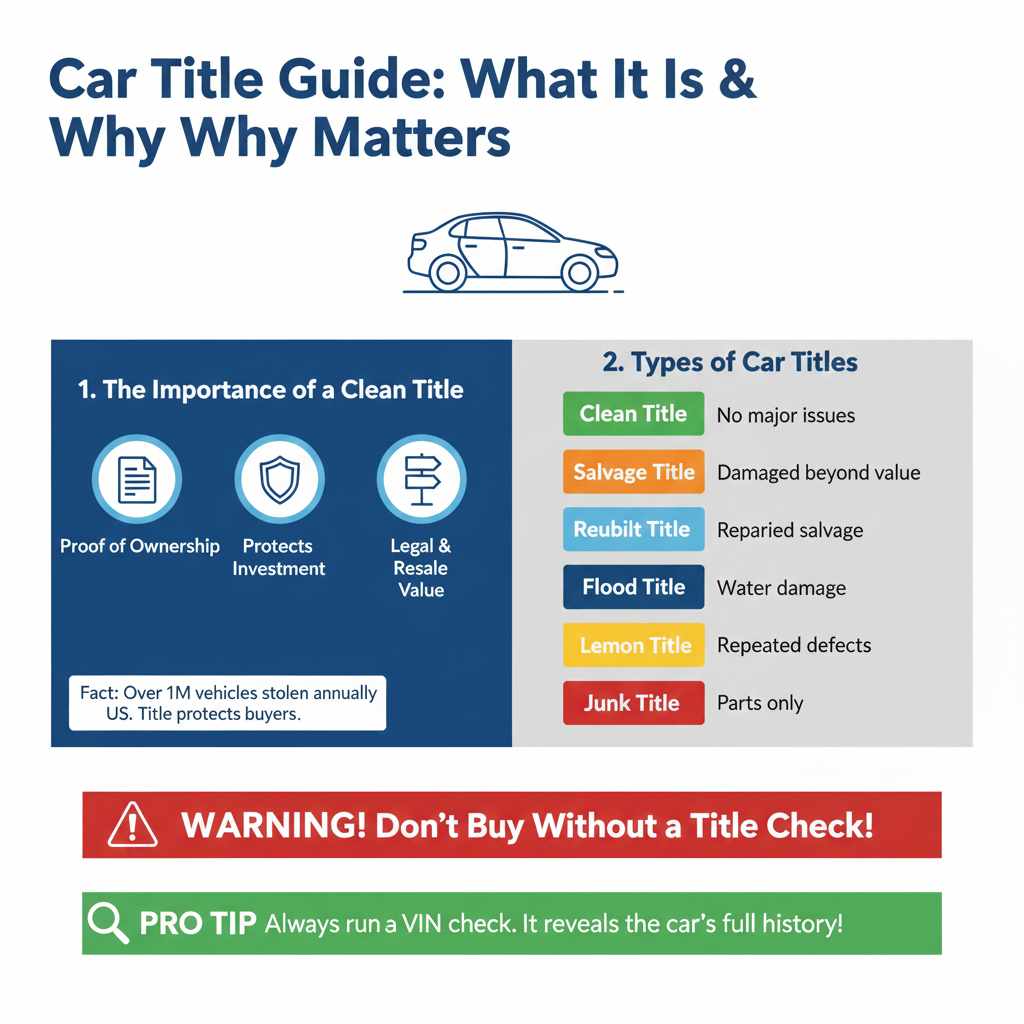
The Importance of a Clean Title
A car title is not just a piece of paper; it’s your proof of ownership. Without a valid title, you can’t legally sell the car, register it, or get insurance. A clean title guarantees that the car you’re buying hasn’t been in a serious accident or has other problems that could impact its value and safety. It protects you from getting stuck with a car that has hidden issues or that you can’t legally own. This is especially vital when dealing with used cars, as some sellers may try to hide issues to make a quick sale.
- Proof of Ownership: The title verifies that the car is yours. Without it, you can’t prove you own the vehicle. This is vital when you register the vehicle and when you want to sell the vehicle in the future.
- Protecting Your Investment: A clean title assures you that the car hasn’t experienced issues that can drastically reduce its worth or make it unsafe. You are making an investment when buying a vehicle, so ensure it is protected.
- Legal Requirements: It’s illegal to drive a car without a title. Having a clean title ensures you can legally drive your vehicle on the road and obtain the proper insurance.
- Resale Value: A clean title positively affects the value of your vehicle. A car with a clean title is usually worth more than a car with a branded title due to the assurance of its history and condition.
According to the National Insurance Crime Bureau (NICB), over 1 million vehicles are stolen each year in the United States. A clean title helps protect against unknowingly purchasing a stolen vehicle.
Types of Car Titles: What the Different Brands Mean
Car titles aren’t all the same. While a “clean” title is what you want, several other title brands can indicate issues with the car’s history. These brands affect the car’s value and can signal potential problems. Knowing these different types of titles is important to make a smart buying decision. Each brand means something different. These title brands tell you about the car’s past, so you can be informed when deciding to buy it.
- Clean Title: This means the car has never been declared a total loss by an insurance company. There are no significant issues reported, and the car is considered in good condition. The clean title is the most desirable, as it means the vehicle has no known past problems.
- Salvage Title: This title is given to a car that has been damaged so severely that the cost to repair it is more than the car’s value. Cars with salvage titles are often rebuilt. However, these cars may have hidden structural issues and might not be safe. Purchasing a vehicle with this type of title carries many risks.
- Rebuilt/Reconstructed Title: This title is given to a car that had a salvage title and has been repaired and inspected to meet safety standards. While the car has been fixed, it may still have had prior damage. This type of title may also negatively affect the vehicle’s value.
- Flood Title: A flood title means the car has been damaged by flooding. Water can damage a car’s mechanical and electrical systems, causing problems that may not appear immediately. Cars with this title may have mold, rust, and other issues that can affect their performance.
- Lemon Title: This title is issued to cars that have been returned to the manufacturer under “lemon laws” due to repeated mechanical problems. Cars with a lemon title may have ongoing issues that can cause a lot of headaches.
- Junk Title: A junk title is given to cars that are not suitable for road use. Usually, these cars are crushed or used for parts. Buying a car with this title is generally not an option.
How to Verify a Car Title Before Purchase
Before you commit to buying a car, it’s vital to confirm the title is clean and the vehicle’s history is free of any red flags. Several strategies can help you do this. You can check the title itself, get a vehicle history report, or even have the car inspected by a mechanic. Taking these steps can help protect you from scams and surprises.
Examining the Title Document
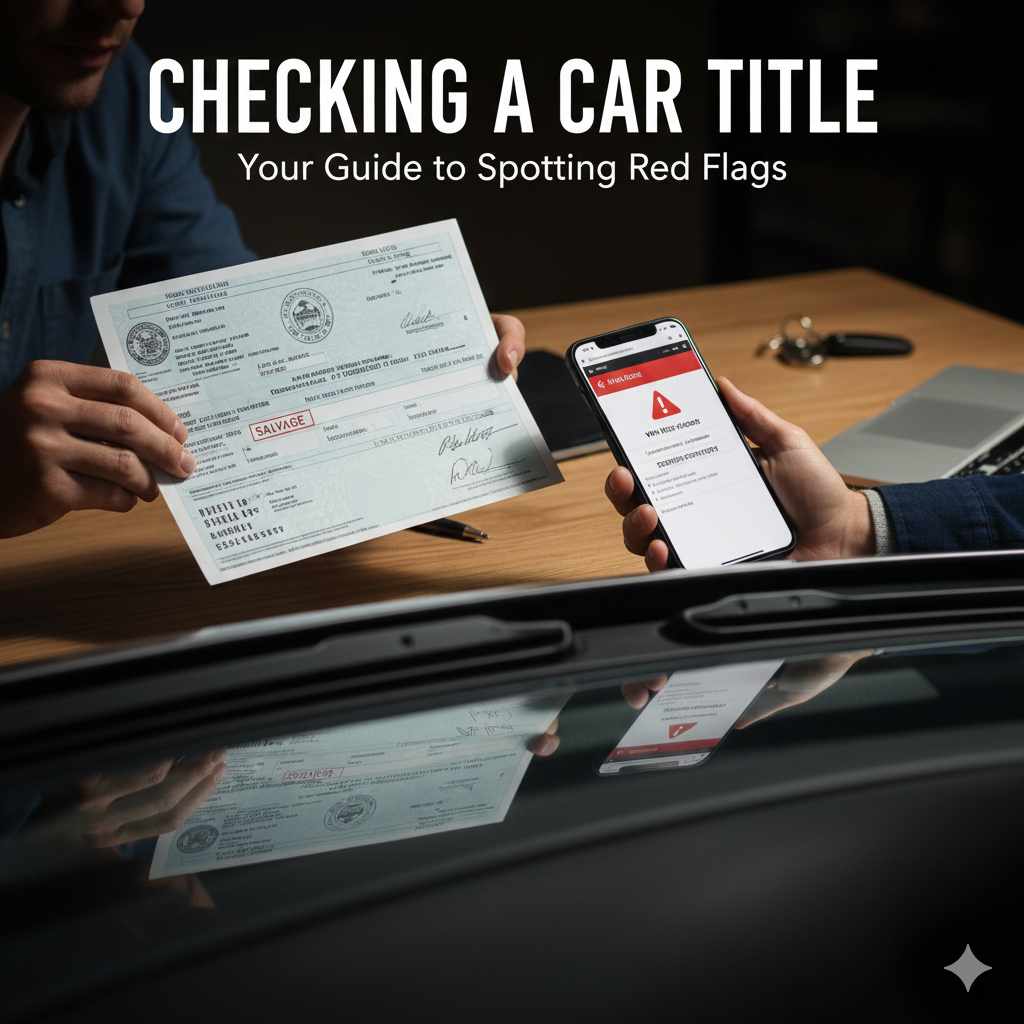
Start by looking at the title itself. Check for any obvious signs of alteration, like erasures or different types of ink. Compare the VIN on the title with the VIN on the car itself. It should match in both locations. Look closely for any title brands, such as “Salvage,” “Flood,” or “Rebuilt.” These brands are a red flag and indicate possible issues.
- VIN Verification: Ensure the VIN on the title matches the VIN on the car. VINs can be found on the dashboard and other parts of the vehicle. Any difference is a warning sign. The VIN is unique to the vehicle, so any changes can indicate fraud.
- Owner Information: Confirm the seller’s name matches the name on the title. If the seller isn’t the owner, ask for an explanation and documentation. You may need to ask for a bill of sale.
- Title Branding: Carefully review the title for any brand notations. These labels provide a quick indication of any past issues with the car.
- Date and Signatures: Ensure the title is properly dated and signed by the seller. Without the proper signatures, the title is invalid, and you will not be able to transfer the title into your name.
Using Vehicle History Reports
A vehicle history report gives you detailed information about a car’s past, including accidents, title brands, and service records. Companies like Carfax and AutoCheck offer these reports. By entering the car’s VIN, you can see if the car has been involved in any accidents, has any liens, or has been reported stolen. These reports provide another layer of protection, giving you a complete overview of the car’s history.
- Checking for Accidents: Vehicle history reports list accidents that the car has been involved in. The reports will show how severe the damage was and whether the car was declared a total loss. This information is key to deciding whether to purchase the car.
- Title Brands: The report will show the title history. This is particularly important for identifying salvage, flood, or rebuilt titles. Always check if the car has had any of these types of titles.
- Liens and Other Issues: These reports can show if there are any outstanding loans on the vehicle. If the seller still owes money on the car, the sale could cause you issues.
- Service Records: Some reports include service and maintenance history. You can see how well the car was maintained and any repairs that have been made.
Professional Inspection
Getting the car inspected by a trusted mechanic is a smart move. A mechanic can check the car’s engine, brakes, suspension, and other systems. They can identify any mechanical issues that may not be apparent from a visual inspection. A mechanic can also identify any potential problems that can be overlooked by someone not familiar with the inner workings of a vehicle. This can help you avoid costly repairs. If any issues are found, you can negotiate a lower price or walk away from the deal.
- Mechanical Evaluation: A mechanic will thoroughly inspect the car’s engine, transmission, brakes, and other systems. The inspection will reveal any potential problems or repairs.
- Safety Inspection: The mechanic will check the car for safety issues, such as worn tires, faulty brakes, or broken lights. These kinds of problems can make the car unsafe to drive.
- Structural Damage: A mechanic can look for signs of previous accidents or structural problems. They will be able to see if the vehicle has had any major repairs.
- Pre-Purchase Advice: The mechanic can provide advice on whether the car is a good buy and may offer recommendations about future maintenance. They can also explain any problems they found and estimate the cost of repairs.
Common Scams and Red Flags to Watch For
When buying a car, it’s essential to be aware of possible scams and red flags that could cause you problems. Scammers will try to sell cars with hidden issues, such as salvage titles or odometer fraud. Knowing what to watch for can protect you from these scams. Being aware and asking the correct questions is important to help you avoid losing money and ending up with a bad vehicle.
Title Washing and Other Deceptive Practices
Title washing is a dishonest practice where criminals remove title brands, such as “Salvage” or “Flood,” from a car’s title to make it appear clean. This allows them to sell the car for more. This often involves moving a car from a state that brands titles to a state that does not. The new title will then not include the branded information. Be wary of sellers who are not transparent. You may need to review the car’s history report to ensure you know about any past issues.
- Altered Titles: Examine the title for any signs of tampering, such as erasures or changes to the VIN. Altered titles are a clear sign of fraud. Contact the local DMV to confirm the title is legitimate.
- Odometer Fraud: This is when a seller rolls back the odometer to show fewer miles than the car has traveled. This makes the car appear to be in better condition. Check the odometer reading on the title and compare it with the car’s maintenance records.
- Unclear Ownership: Be concerned if the seller cannot provide the title or if the name on the title does not match the seller’s name. These are signs of potential issues. Do your research to ensure the seller is legitimate.
- Refusal to Disclose Information: Be wary of sellers who refuse to share the car’s history or provide a vehicle history report. This suggests they are trying to hide something. Always be wary of high-pressure sales tactics.
Recognizing Suspicious Sellers and Deals
Some sellers may use suspicious tactics to get you to buy a car. They might try to pressure you into making a quick decision or avoid answering your questions. Always take your time and do your research before committing to a purchase. It’s best to walk away from any situation where you don’t feel comfortable or the seller seems evasive.
- Unwillingness to Provide History: If a seller doesn’t share the car’s history, they may be hiding something. Always ask for a vehicle history report and review it before making any decisions.
- High-Pressure Sales: Be cautious if a seller pressures you to make a decision quickly. Scammers often use time pressure to prevent you from doing your research. Take your time to review the car and the documentation.
- Cash-Only Transactions: While not always a sign of fraud, cash-only deals can be used to hide the transaction from authorities. Be careful when using cash. Get a receipt for the transaction.
- Evasive Behavior: If a seller avoids your questions or seems nervous, they might be hiding something. Ask specific questions and trust your instincts. Walk away if you feel uncomfortable.
According to the Federal Trade Commission (FTC), used car scams cost consumers millions of dollars each year. Being informed and diligent can help you avoid becoming a victim.
Legal Steps to Take to Ensure Title Cleanliness
Certain legal steps can help ensure the title is clean and you’re making a safe purchase. This involves creating a written sales agreement, verifying the seller’s identity, and understanding the warranty. By following these steps, you can help protect yourself from potential fraud. Understanding the legal aspects of the transaction will protect your investment.
Creating a Written Sales Agreement
A written sales agreement is important for documenting the details of your car purchase. This agreement should list the car’s make, model, VIN, purchase price, and any included warranties. Both you and the seller should sign the agreement, and each should keep a copy. Having a written agreement provides a legal record of the sale. It also protects both parties. It can prevent misunderstandings and disputes. If problems arise later, the agreement serves as proof of the terms of the sale.
- Detailed Vehicle Information: Include the car’s complete information, such as the VIN, make, model, and year. This verifies that the car that you are purchasing is the car identified in the agreement. It provides a complete understanding of the specifics.
- Purchase Price and Payment Terms: Clearly state the purchase price and how you will make the payment. If you are financing the car, include the finance terms. Having the details of the financial arrangements will protect all parties.
- “As-Is” or Warranty Information: Specify whether the car is being sold “as-is” or if any warranty covers it. If there is a warranty, state what it covers and its duration. If the vehicle is sold as-is, the buyer takes on the full responsibility.
- Signatures and Dates: Both you and the seller should sign and date the agreement. Each should keep a copy of the agreement. This is critical for any disputes.
Verifying the Seller’s Identity
Verifying the seller’s identity is important for protecting yourself from fraud. Check the seller’s driver’s license or another valid form of identification. Make sure the name on the ID matches the name on the car title. If you’re purchasing from a dealership, ask for their license and check the dealership’s reputation online. Verifying the seller’s identity helps ensure you are dealing with the correct person.
- Driver’s License Check: Request the seller’s driver’s license or another valid ID and confirm the name matches the title. Verify the name is correct to ensure you know who you are purchasing the vehicle from.
- Dealership Verification: If buying from a dealer, check the dealer’s license and any online reviews. This research can provide additional information regarding the dealership’s reputation.
- Bill of Sale: Always get a bill of sale that includes the details of the sale and both the buyer’s and seller’s signatures. This creates a legal record of the transaction.
- Avoid Third-Party Sales: Be wary if the seller is not the owner listed on the title. If the seller is not the owner of the vehicle, there could be issues. Ask the seller for more information.
Understanding and Negotiating Warranties
A warranty is a guarantee that the car meets certain standards of quality. It provides protection against unexpected repairs. Warranties can vary in length and coverage. When buying a used car, understand what the warranty covers and what it does not. If the car is sold “as-is,” there is no warranty, and you will be responsible for all repairs. A warranty protects you from expensive repairs. It can be a very valuable part of a car purchase. Carefully review the warranty’s terms and conditions before you make your purchase.
- Types of Warranties: Understand the different types of warranties, like the “manufacturer’s warranty” and “extended warranties.” The warranty can provide additional peace of mind.
- Coverage Details: Know what parts and repairs are covered by the warranty. Also, understand what is not covered. Make sure you understand all the inclusions and exclusions.
- Negotiating Terms: If the car is sold with a warranty, you can negotiate the terms, such as the length of coverage or the cost of the warranty. Review the terms before deciding.
- “As-Is” Sales: If the car is sold “as-is,” there is no warranty. You are responsible for all repairs. Understand this before committing to a purchase.
According to the National Highway Traffic Safety Administration (NHTSA), many recalls are issued each year. Always check if the vehicle has any open recalls before buying it. You can check the NHTSA website for open recalls.
Frequently Asked Questions
Question: What does a “clean title” mean?
Answer: A “clean title” means that the car has not been in any major accidents or experienced significant damage, and there are no liens against it.
Question: Can I check a car’s title online?
Answer: You can use online services like Carfax or AutoCheck to check a car’s history. These services provide reports based on the VIN.
Question: What is a “salvage title,” and what does it mean?
Answer: A “salvage title” means the car has been declared a total loss by an insurance company. It usually means the car has significant damage and may require major repairs.
Question: Should I trust a car seller who doesn’t want to show me the title?
Answer: No, it’s a major red flag if a seller refuses to show you the title. It might indicate that something is wrong with the car’s history.
Question: What do I do if I find a problem with the title after I buy the car?
Answer: Contact your local DMV and seek legal advice. You may have the option to rescind the sale if the title issues were not disclosed.
Final Thoughts
Ensuring your car title is clean is critical before you buy a vehicle. It helps you avoid scams, hidden problems, and potential legal issues. This includes checking the title document, getting a vehicle history report, and having the car inspected by a professional. Learning the different title brands, recognizing warning signs, and taking the legal steps to protect yourself are all essential. Remember, a careful review and thorough evaluation will help you make a good purchase. By following these steps, you can buy a car with confidence. Taking the time to do your research will give you peace of mind.