Chevy Shake: Driveline Vibration vs. Transmission Shudder
The “Chevy Shake” is a nickname for two different, well-documented GM problems: a highway-speed vibration in the steering wheel and seat (GM service bulletin PI1354, mostly a driveshaft or tire issue), and a separate torque-converter shudder felt during light acceleration in vehicles with the 8L45/8L90 automatic transmission (GM TSB 18-NA-355). GM has never issued a recall for either — only service bulletins — and a related transmission class action, Speerly v. General Motors, had its class certification vacated by the Sixth Circuit in June 2025. This guide covers how to tell the two problems apart, what each one costs to fix, and where the lawsuit stands today.
Quick Answer
“Chevy Shake” covers two separate GM issues: a 35-70 mph driveline vibration (unbalanced tires, a bent aluminum driveshaft, or loose body mounts — GM bulletin PI1354) and a transmission shudder during light acceleration in 8-speed models (GM bulletin 18-NA-355, fixed with a full Dexron VI-spec fluid exchange). Neither has a recall. Fixes typically run $100-$1,000+ depending on the cause.
What Is the “Chevy Shake”? One Nickname, Two Different Problems
“Chevy Shake” is an owner-coined nickname, not an official GM term, and it’s used for two mechanically unrelated complaints that happen to overlap on the same trucks and SUVs. The first is a driveline vibration felt in the steering wheel, seat, or floor at highway speed, most often traced to tires, the driveshaft, or body mounts. The second is a torque converter shudder — a rumble-strip-like feeling during light throttle acceleration or a 1-2 gear shift, caused by the 8-speed automatic transmission’s fluid and clutch material. Community threads and even lawsuit filings often blend both symptoms into one “shake,” which is why fixes that solve one owner’s truck do nothing for another’s.
Driveline Shake: Vibration in the Steering Wheel or Seat at Highway Speed
This version affects 2014-and-newer half-ton trucks and full-size SUVs built on GM’s K2XX platform: the Chevrolet Silverado, Tahoe, and Suburban, and the GMC Sierra, Yukon, and Yukon XL, plus the Cadillac Escalade and Escalade ESV. It does not affect crossovers like the Chevy Traverse, which uses a different unibody platform entirely — despite what some older articles claim.
GM’s own technical service bulletins split the fix by body style. The truck bulletin, PI1354, has the tech check tire condition and balance, prop shaft and driveshaft angles, and re-torque the body mounts — and in some cases replace the driveshaft outright. The SUV bulletin, PIT5318, addresses a different contributor on Tahoe/Suburban/Yukon/Escalade models: re-bonding the roof sheet metal to the body structure. According to Cars.com’s reporting on the issue, GM has stated it does not consider this a safety defect, which is why only bulletins — not a recall — have been issued.
- Unbalanced or worn tires — the single most common and cheapest cause to rule out first.
- A bent or out-of-balance one-piece aluminum driveshaft — even a small dent or a missing balance weight can throw it off.
- Loose or improperly torqued body mounts — the cushions that isolate the cab from the frame.
- Roof sheet metal bonding (SUVs only) — a separate cause specific to Tahoe, Suburban, Yukon, and Escalade models.
Transmission Shudder: Vibration During Light Acceleration or Shifting
A separate issue affects GM vehicles built from 2015 onward with the 8L45 or 8L90 eight-speed automatic transmission (and some later 10L90-equipped trucks) — including the Silverado, Colorado, Camaro, and Corvette, plus GMC and Cadillac counterparts. Owners describe it as a rumble-strip-like shudder during light acceleration or a low-gear upshift, not a steady highway vibration.
The root cause is the original factory automatic transmission fluid: it’s hygroscopic, meaning it absorbs moisture through the transmission’s vent over time. That moisture contaminates the fluid and causes the torque converter clutch’s friction material to glaze and stick-slip instead of engaging smoothly. GM’s fix, documented in TSB 18-NA-355, is a full fluid exchange using an updated, non-hygroscopic Dexron VI-spec fluid (Mobil 1 Synthetic LV ATF HP) — done on a pressurized flush machine that cycles more fluid through than the transmission actually holds, so the old contaminated fluid is fully displaced rather than just topped off.
How to Tell Which Chevy Shake You Have
Before paying for any repair, narrow down which of the two problems you actually have — the fixes don’t overlap, so guessing wrong wastes money.
- Note the exact speed it happens at: a steady vibration between roughly 35 and 70 mph that holds constant at a given speed points to the driveline (tires, driveshaft, body mounts) — GM has documented this range specifically.
- Note where you feel it: steering wheel or seat points to driveline; a shudder felt through the whole vehicle only during light acceleration or a specific gear change points to the transmission.
- Check tires first: have the shop check tire balance, tread wear, and runout — this is the cheapest possible cause and rules itself out in one visit.
- Have the driveshaft inspected for damage or a missing balance weight if tires check out clean and the vibration is speed-dependent rather than throttle-dependent.
- Ask for a transmission fluid condition check if the shudder only shows up under light throttle or during a 1-2 upshift — a milky, dark, or burnt-smelling fluid supports the TSB 18-NA-355 diagnosis.
What Does It Cost to Fix Chevy Shake?
| Repair | Typical Cost | Fixes Which Version |
|---|---|---|
| Tire balance / rotation | $20-$80 | Driveline |
| Driveshaft balancing | $100-$250 | Driveline |
| Driveshaft replacement | $400-$1,000+ | Driveline |
| Full ATF exchange (TSB 18-NA-355) | $250-$400 | Transmission |
| Torque converter replacement | ~$2,000 ($1,200 parts + $800 labor) | Transmission |
📊 The GM 8-speed transmission class action, Speerly v. General Motors LLC, covered roughly 800,000 vehicle buyers across 26 state-law subclasses before the Sixth Circuit vacated class certification in a 9-7 en banc ruling on June 27, 2025. — Source: Ballard Spahr LLP legal alert, July 2025
Is There a Chevy Shake Recall or Lawsuit?
No recall has been issued for either version of the shake as of this writing. GM has only released technical service bulletins (PI1354, PIT5318, and 18-NA-355) and told reporters it does not consider the driveline vibration a safety issue.
“[GM does] not believe this is a safety issue” — a statement General Motors gave in response to steering-wheel and seat vibration complaints on Silverado and Sierra trucks.
General Motors, as reported by Cars.com
The separate transmission-shudder class action, Speerly v. General Motors LLC, alleged the 8L90/8L45 defect across GM vehicles sold from 2015-2018. A federal district court had certified 26 state-wide subclasses, but on June 27, 2025, the full Sixth Circuit Court of Appeals sitting en banc vacated that certification in a 9-7 decision, ruling that plaintiffs can’t simply point to a shared “defect” — they have to show, state by state, how it satisfies each individual state’s legal requirements. The case was sent back to the district court, and owners are no longer covered by that single nationwide class; any remaining claims now have to proceed on a smaller, state-by-state basis or individually.
Preventive Maintenance That Actually Helps
Neither version of Chevy Shake has a guaranteed permanent fix, but regular maintenance reduces how often you’ll deal with it. Rotate and rebalance tires every 5,000-7,500 miles, and don’t ignore uneven wear — it’s the fastest path to a driveline vibration. If your truck has an 8-speed automatic, ask your shop to check transmission fluid condition at every oil change interval rather than waiting for a shudder to show up; catching contaminated fluid early is cheaper than a torque converter replacement.
If your shake happens specifically when braking rather than at cruising speed or during acceleration, you’re likely dealing with a warped brake rotor instead — see why your car shakes when you brake for that separate diagnosis. A shake that only appears for the first few seconds after starting the engine, and goes away once the engine warms up, is also a different issue — covered in why a car shakes on cold start.
Best Transmission Fluid Pick
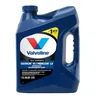
Valvoline DEXRON VI/MERCON LV Full Synthetic ATF
Meets the same Dexron VI specification GM’s TSB 18-NA-355 fix calls for on 8L45/8L90-equipped trucks.
- Best for: A DIY partial fluid change or topping off between shop flushes.
- Why we picked it: Dexron VI/MERCON LV-compliant full synthetic, the same spec family as the fluid GM’s own bulletin specifies.
- Main drawback: A full contaminated-fluid flush per TSB 18-NA-355 still needs a shop’s pressurized flush machine — this isn’t a substitute for that service.
Compare more Chevy Shake diagnosis tools
 Option 1 ANCEL AD310 OBD2 Scanner
|
 Option 2 CRAFTSMAN Torque Wrench
|
 Option 3 Checkered Flag Tire Balancing Beads
|
As an Amazon Associate we earn from qualifying purchases.
Chevy Shake: Real Owner Reports
Owner forums for the Silverado and Sierra are full of Chevy Shake threads, and the most consistent advice from experienced posters matches GM’s own bulletins: check tires and driveshaft balance before assuming the worst, and don’t accept a “we couldn’t duplicate it” from a shop without a documented road test at the specific speed you reported.
Frequently Asked Questions
What is causing the Chevy Shake?
It depends which version you have. A steady vibration in the steering wheel or seat between about 35 and 70 mph is usually unbalanced tires, a bent or out-of-balance driveshaft, or loose body mounts (GM bulletin PI1354). A rumble-strip-like shudder during light acceleration or a low-gear upshift is a separate issue caused by contaminated transmission fluid in 8-speed automatics (GM bulletin 18-NA-355).
Can you fix the Chevy Shake?
Yes, in most cases. Tire balancing, driveshaft balancing or replacement, and body mount re-torquing resolve the driveline version. A full transmission fluid exchange with an updated Dexron VI-spec fluid resolves most transmission-shudder cases. Neither fix is guaranteed permanent for every truck, which is part of why the issue has drawn ongoing complaints and litigation.
Is Chevy Shake a recall?
No. GM has issued technical service bulletins — PI1354 and PIT5318 for the driveline vibration, and 18-NA-355 for the transmission shudder — but has not issued a recall for either, and has told reporters it does not consider the driveline vibration a safety defect.
Why is my Chevy engine shaking?
Shaking felt specifically at idle, rather than while driving at speed, usually points to a different problem than Chevy Shake — most often a broken or worn engine mount, a rough-running cylinder, or a vacuum leak. If the shake only appears while moving at highway speed or during acceleration, see the driveline and transmission causes above instead.
What speed does the Chevy Shake happen at?
The driveline version is most commonly reported between 35 and 70 mph and tends to hold steady at a specific speed rather than getting worse the faster you go, which points to a rotating part (tire or driveshaft) rather than aerodynamics or road surface. The transmission version isn’t speed-dependent — it shows up during light acceleration or a specific gear change regardless of your current speed.
Is there a class action lawsuit for the Chevy Shake?
The transmission-shudder version was the subject of a nationwide class action, Speerly v. General Motors LLC, covering roughly 800,000 buyers of 2015-2018 GM vehicles with 8L45/8L90 transmissions. On June 27, 2025, the Sixth Circuit Court of Appeals sitting en banc vacated the lower court’s class certification, meaning that single nationwide class no longer stands; the case returned to the district court for further proceedings on a narrower basis.
How much does it cost to fix the Chevy Shake?
Driveline fixes range from $20-$80 for a tire balance up to $400-$1,000+ for a driveshaft replacement. The transmission-shudder fix — a full fluid exchange per TSB 18-NA-355 — typically runs $250-$400; if the torque converter itself needs replacing, expect around $2,000 in parts and labor.
Conclusion
“Chevy Shake” isn’t one problem — it’s two, and mixing them up wastes time and money on the wrong fix. Pin down the speed and driving condition that triggers your shake, rule out tires first since they’re cheapest, and ask your shop to reference GM bulletin PI1354 (driveline) or 18-NA-355 (transmission) by name so the diagnosis matches a documented procedure instead of a guess.
Products related to this article
Sponsored / affiliate links. As an Amazon Associate I earn from qualifying purchases. I may earn additional commission from eligible campaigns.