Why Would My Car Shake When I Brake? Causes And Fixes
It’s a little unnerving, isn’t it? You’re driving along, maybe heading home or out for a drive, and you need to slow down. You press the brake pedal, and instead of a smooth stop, the whole car starts to shimmy and shake.
It feels wrong, and honestly, a bit scary. You start to wonder, “Why would my car shake when I brake?” It’s a common problem that many drivers experience, and it’s totally understandable to feel worried. This shaking can make you feel less in control and might signal a bigger issue brewing under the surface of your trusty vehicle.
Your car shaking when you brake usually points to problems with the braking system or suspension components. Common culprits include warped brake rotors, worn brake pads, loose suspension parts, or tire issues. Addressing it quickly is important for safety.
Understanding the Shake: What’s Going On Under the Hood
When your car shakes specifically when you apply the brakes, it means something is happening during that act of slowing down. Brakes are designed to create friction. This friction turns the car’s motion energy into heat.
This process needs to be smooth and even. If it’s not, you feel that vibration. It’s like trying to rub two uneven surfaces together; they won’t slide smoothly.
Several parts work together when you brake. The brake pedal you push connects to a master cylinder. This sends fluid through brake lines to the wheels.
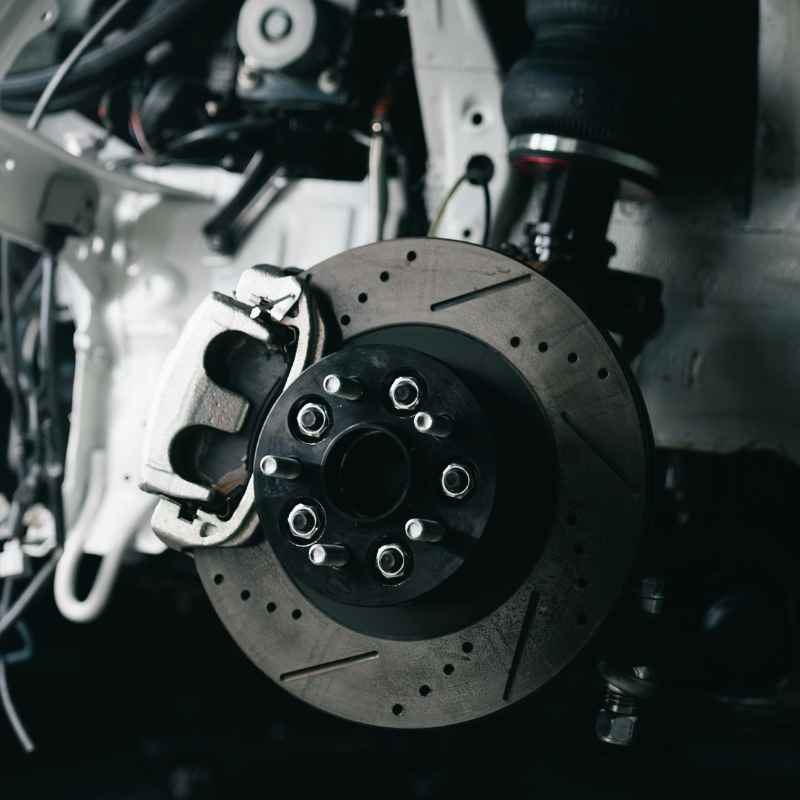
At each wheel, the fluid pushes a caliper. The caliper then presses brake pads against a brake rotor. This rotor is a spinning metal disc attached to your wheel.
All these parts need to be in good shape and work in harmony.
When a shake occurs during braking, it’s often because one or more of these parts aren’t functioning as intended. The shake is usually felt in the steering wheel or the whole car. It can range from a slight tremble to a violent shudder.
The intensity often depends on the severity of the underlying issue.
My Own Little Brake Shake Scare
I remember one crisp autumn evening a few years back. I was driving my old sedan on a familiar, winding road. The sun had just dipped below the horizon, painting the sky in hues of orange and purple.
I came up on a stop sign and gently pressed the brake pedal. Suddenly, my steering wheel started vibrating like crazy. It wasn’t just a little buzz; it felt like I was holding onto a jackhammer.
My stomach dropped. I’d never experienced anything like it before. I stopped the car and took a deep breath.
Was I imagining it? I drove a little further, braking again. Yep, there it was.
A distinct, alarming shake. I felt a wave of panic mixed with annoyance. My car, which I thought was so reliable, was suddenly acting up.
I immediately pulled over and called a friend who was a mechanic. He talked me through a few simple checks over the phone, but he agreed it sounded serious enough that I shouldn’t drive it much further. That night, I learned firsthand how important even small brake issues can be.
Warped Brake Rotors: The Most Common Culprit
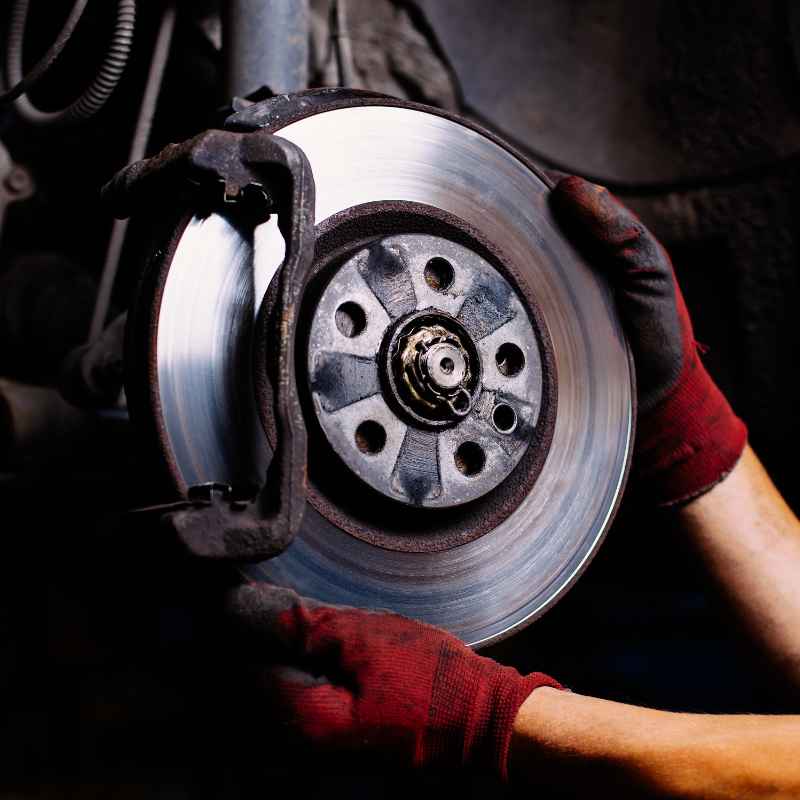
What it is: Brake rotors are metal discs that spin with your wheels. Brake pads squeeze them to slow your car down. Rotors can get uneven, or “warped,” from too much heat.
This happens from heavy braking, especially downhill.
What you feel: A shaking or pulsing in the steering wheel when you brake. Sometimes, the whole car might shake.
Why it happens: Uneven cooling after heavy use is a big reason. Also, improper lug nut tightening can put stress on the rotor. Older rotors can also become thin and warp more easily.
Warped Brake Rotors: The Usual Suspect
The most common reason for a car to shake when you brake is warped brake rotors. Think of a perfectly smooth CD. Now imagine that CD got bent slightly.
When you try to play it, it skips and vibrates. That’s kind of what happens with a warped rotor.
Rotors get very hot during braking. This is normal. But if they cool down too quickly, or if they’re subjected to extreme heat repeatedly, the metal can change shape slightly.
It’s no longer perfectly flat. When your brake pads clamp down on this uneven surface, they grab and release in an uneven way. This creates the vibration you feel.
It’s important to know that rotors don’t usually “warp” on their own. It’s almost always a result of heat. This heat can build up from aggressive driving, like repeated hard stops.
It can also happen if the brake pads stick too tightly to the rotor. This can happen if the caliper pins aren’t lubricated well. Over time, even normal use can wear down a rotor’s surface unevenly.
The shaking from warped rotors is often most noticeable when you apply light to moderate pressure on the brake pedal. If the warp is bad, you might even feel it when you’re not braking, just as a slight shudder. But it’s during braking that it really becomes apparent.
Worn Brake Pads and Caliper Issues
What happens: Brake pads are made of a material that wears down over time. If they get too thin, they can’t grab the rotor properly. Sometimes, parts of the pad can break off.
Calipers hold the pads and can also get stuck.
Symptoms: Shaking, grinding noises, or a spongy brake pedal. You might also see a warning light on your dashboard.
Why it matters: Worn pads mean longer stopping distances. A stuck caliper can cause overheating and damage other brake parts.
Beyond Rotors: Worn Pads and Caliper Problems
While warped rotors are a top reason, worn-out brake pads can also cause shaking. Brake pads are the parts that actually press against the rotor. They are designed to wear down.
When they get very thin, their performance suffers. They might not create enough friction to slow the car effectively. Sometimes, the metal backing plate of the pad can start to scrape against the rotor.
This can cause a very unpleasant grinding sound and a shaking sensation.
Another part of the braking system is the caliper. The caliper houses the brake pads and uses hydraulic pressure to squeeze them. If the caliper isn’t working right, it can cause problems.
For example, a caliper might stick. This means the brake pad stays in contact with the rotor even when you’re not braking. This constant friction generates heat.
This heat can lead to rotor warping. It can also cause the brake pad to wear down unevenly or even crack.
Sometimes, the pins that allow the caliper to slide smoothly can get dirty or corroded. If these pins don’t move freely, the caliper won’t apply even pressure to the brake pad. This uneven pressure can cause the rotor to wear down unevenly.
It can also lead to vibrations when you brake.
If you hear squealing or grinding noises when you brake, this is often a sign that your brake pads are worn down. Some brake pads have a small metal indicator that makes a squealing sound when they are low. Others might have a sensor that triggers a dashboard warning light.
It’s always a good idea to get your brakes checked if you hear unusual noises.
Tire and Wheel Issues: A Hidden Connection
What to look for: Uneven tire wear, unbalanced tires, or damaged wheels can cause vibrations.
When it shows up: Sometimes, these issues only become noticeable during braking. This is because braking puts extra stress on the wheels and tires.
The link: When you brake, the force is transferred through the wheel hub to the tires. If anything is off with this connection, it can cause shaking.
When Tires and Wheels Play a Role
It might seem strange, but tires and wheels can also contribute to shaking when braking. Your tires are the only part of your car that touches the road. They need to be in good condition.
If your tires are unevenly worn, it means parts of the tire have more tread than others. This can lead to a rough ride.
When you brake, the force is applied to the wheel and then to the tire. If the tire isn’t making even contact with the road because of uneven wear, this can translate into a vibration. This is especially true if the imbalance in the tire tread is significant.
Tire balancing is also important. Tires have small weights attached to them to ensure they spin evenly. If these weights come off, or if the tires are not balanced correctly when they are mounted, the wheel will not spin smoothly.
This imbalance can be felt as a vibration, and this vibration can become more pronounced when you are actively slowing down.
Damaged wheels can also be a problem. A bent rim, for instance, will cause the wheel to wobble. This wobble will be present all the time, but braking can make it feel worse.
The extra force of braking can exaggerate the unsteady spin of a damaged wheel.
What’s interesting is that sometimes, tire or wheel issues might not be very noticeable during normal driving. But when you introduce the forces associated with braking, these imbalances can become much more apparent. It’s like how a slight wobble on a merry-go-round is barely felt, but if you try to grab a spinning object, the wobble feels much stronger.
Suspension System Woes
Key parts: Shocks, struts, ball joints, tie rods, and control arms.
How they fail: Wear and tear, damage from potholes, or age.
The shaking effect: Loose or worn suspension parts can allow the wheel assembly to move in ways it shouldn’t when braking force is applied. This instability can feel like a shake.
The Suspension System Connection
Your car’s suspension system is what connects the wheels to the car’s body. It’s designed to absorb bumps and keep your ride smooth. It also plays a crucial role in how your car handles, especially during braking and turning.
If parts of your suspension are worn or damaged, it can lead to shaking when you brake.
Think about your car’s wheels. They need to be held firmly in place. Components like ball joints and control arms help to keep the wheels aligned and stable.
If a ball joint is worn out, it can become loose. When you brake, this looseness allows the wheel assembly to shift slightly. This movement can cause the car to shake.
Tie rods are another important part. They connect your steering wheel to your front wheels. Worn tie rods can lead to imprecise steering and also contribute to shaking.
When you apply the brakes, the forces are transmitted through these components. Any play or looseness in the system will become apparent.
Shocks and struts help to dampen the up-and-down movement of your car. While they are more directly related to ride comfort, worn shocks can also affect how the car settles when braking. If the suspension isn’t controlling the car’s movement properly during deceleration, it can feel like a wobble or shake.
Damage from hitting potholes is a common way suspension parts get worn or bent. Even small, repeated impacts can stress these components over time. Like other parts of your car, suspension parts have a lifespan and will eventually need to be replaced.
If you notice clunking noises when going over bumps, or if your car feels “floaty” or unstable, it’s worth having your suspension checked.
Other Less Common Causes
Wheel Bearings: A bad wheel bearing can cause noise and shaking, often worse when turning.
CV Joints: These connect the transmission to the wheels. Problems can cause clicking or shaking during acceleration or braking.
Brake Lines/Hoses: Damaged lines can restrict fluid flow, causing uneven braking. This is rare for shaking but possible.
Looking at Less Common Issues
While warped rotors, worn pads, tire problems, and suspension issues are the most frequent culprits, a few other things can cause your car to shake when you brake. These are less common but still worth mentioning.
Wheel bearings: Each wheel has a bearing that allows it to spin freely. If a wheel bearing starts to fail, it can create a grinding noise and cause vibrations. These vibrations might be more noticeable when you’re braking or turning.
A failing wheel bearing is a safety concern and needs prompt attention.
CV joints (Constant Velocity joints): These joints are part of your car’s drivetrain. They allow the drive shafts to transmit power to the wheels while allowing for steering and suspension movement. If a CV joint boot tears, dirt can get in and wear out the joint.
This often results in a clicking noise when turning, but in some cases, it can also cause shaking during braking or acceleration.
Brake fluid and lines: While less likely to cause a shaking sensation specifically during braking, problems with brake fluid levels or the lines and hoses that carry it can lead to braking issues. If a brake line is pinched or damaged, it could restrict brake fluid flow to one wheel, causing uneven braking. This unevenness could manifest as a shake, though it’s usually accompanied by other braking problems.
It’s important to remember that these less common causes often come with other symptoms. For example, a bad wheel bearing will likely make noise constantly, not just when braking. A CV joint issue might be more apparent during acceleration or turning.
Paying attention to all the sounds and feelings your car makes is key to diagnosing problems accurately.
Real-World Scenarios: When Shakes Happen
Let’s look at how these issues play out in everyday driving. Imagine driving your car on a hot summer day. You’ve been stuck in heavy traffic for an hour, and you’ve been braking frequently.
As you finally get on an open road, you need to slow down for a curve. Suddenly, the steering wheel starts to wobble. This scenario strongly suggests that the constant heat and braking have caused your rotors to overheat and develop a slight warp.
The uneven surface is now causing the pads to grab inconsistently.
Consider another situation. You’ve just had your tires changed. A few days later, you notice a subtle vibration when you brake.
You initially dismiss it. However, the vibration gets worse over time. This could mean that the new tires weren’t balanced properly.
The imbalance was always there, but as you got used to the car, you only noticed it when the braking forces made it more prominent. Or perhaps the shop didn’t re-torque your lug nuts correctly after the tire change, causing an uneven load on the wheel assembly.
Think about a car that’s seen many years and miles. You start to hear a clunking sound when you go over bumps. Then, you notice that when you brake, the car feels a bit unstable, and there’s a definite shimmy.
This points towards worn suspension components. The looseness in the ball joints or control arms allows the wheels to move slightly out of alignment when braking forces are applied. This movement causes the car to shake.
Sometimes, the environment plays a role. If you live in an area with salty roads in the winter, brake components can rust faster. This rust can build up unevenly on the rotors.
This can lead to immediate shaking sensations. Even driving through deep puddles after heavy rain can sometimes cause temporary brake issues, though this is usually short-lived.
What This Means for You: When to Worry and When Not To
So, when is a shake a big deal, and when is it just a minor annoyance? The key is consistency and severity.
When it’s normal (sort of): If you’ve just driven through a very deep puddle on a cool day, you might notice a slight, temporary drag or vibration as the brakes dry out. This is usually very brief and disappears after a few brake applications. Also, very old, heavily used brake pads might squeal, but a subtle vibration is usually not normal.
When to worry: Any consistent shaking or shuddering that happens every time you brake is a cause for concern. If the shaking is violent enough to make you nervous or difficult to control the car, you should stop driving it immediately and get it towed to a mechanic. Persistent pulsing in the brake pedal or steering wheel is also a red flag.
Loud grinding or screeching noises accompanying the shake are serious indicators of worn-out components.
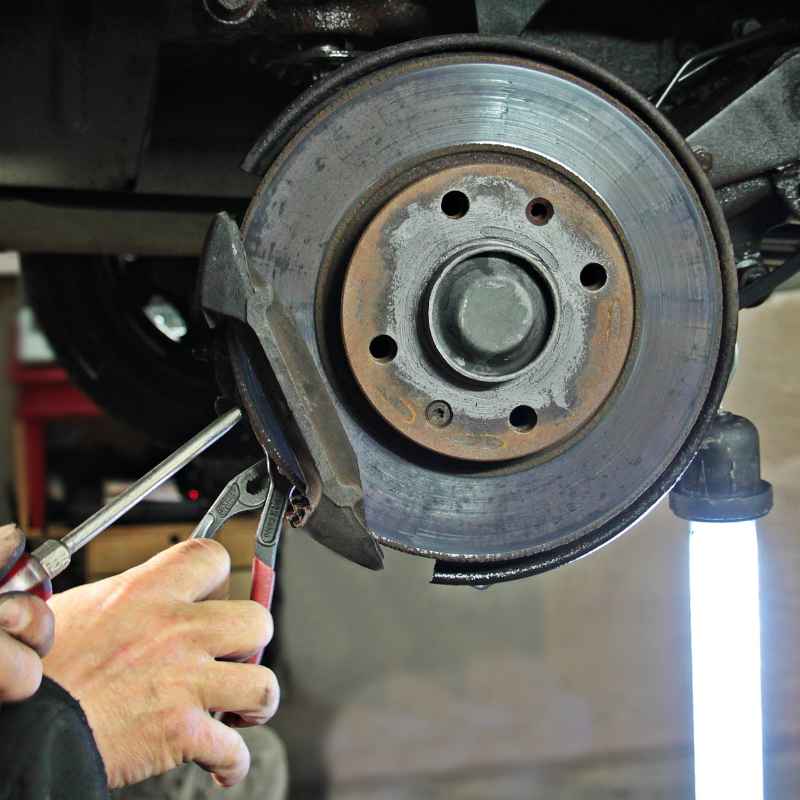
Simple checks you can do: Before a mechanic, you can do a few visual checks. Look at your tires for obvious uneven wear or damage. If you can safely see your brake rotors (often visible through the spokes of your wheels), look for deep grooves or discolored spots.
However, many brake issues require lifting the car and specialized tools to diagnose properly.
The bottom line is that your braking system is critical for safety. Any noticeable change in its performance, like shaking, should not be ignored. It’s always better to be safe than sorry.
A mechanic can quickly diagnose the issue and recommend the necessary repairs.
Quick Fixes and Tips for Braking Smoothness
While most brake shaking issues require professional repair, there are some things you can do to prevent them or maintain your braking system.
Gentle braking: Try to avoid slamming on your brakes unless it’s an emergency. Gradual stops help reduce heat buildup and wear on your rotors and pads.
Downshift on hills: When going down long, steep hills, use a lower gear to help control your speed. This takes some of the burden off your brakes, preventing them from overheating.
Regular inspections: Get your brakes checked regularly, usually every year or every 10,000-12,000 miles, during your car’s routine maintenance. Mechanics can spot potential problems before they become serious.
Listen to your car: Pay attention to any new sounds or feelings. A squeal, a grind, a vibration – these are your car’s way of telling you something might be wrong.
Address issues promptly: If you notice any signs of brake problems, don’t put off getting them checked. Small issues can quickly turn into big, expensive ones, and more importantly, compromise your safety.
Proper tire maintenance: Keep your tires properly inflated and rotated according to your car manufacturer’s recommendations. This helps ensure even tire wear and can prevent imbalances that might affect braking.
Remember, these tips are for maintenance and prevention. If you’re currently experiencing shaking when you brake, the most important step is to have it diagnosed and fixed by a qualified mechanic.
Frequently Asked Questions About Brake Shaking
Why does my steering wheel shake when I brake but not when I drive normally?
This is a classic sign of warped brake rotors. When the rotor is uneven, the brake pads can’t make smooth contact. This uneven contact creates a pulsing vibration that you feel in the steering wheel, especially when braking.
Can tire pressure cause shaking when I brake?
While incorrect tire pressure can cause general vibrations or handling issues, it’s not typically the direct cause of shaking only when braking. However, severely under-inflated or over-inflated tires can contribute to overall instability, making any braking-related vibration feel worse.
How much does it usually cost to fix warped brake rotors?
The cost can vary depending on your car make and model, and whether you need just the rotors resurfaced (if possible) or
Is it safe to drive with a shaking steering wheel when braking?
No, it is not considered safe to drive with a noticeable shake in the steering wheel when braking. It indicates a problem with your braking system or related components that compromises your ability to stop safely and control the vehicle. It’s best to get it checked as soon as possible.
What’s the difference between shaking and pulsating when braking?
Often, these terms are used interchangeably. However, “pulsating” usually describes a rhythmic throbbing felt in the brake pedal or steering wheel, strongly suggesting warped rotors. “Shaking” can be a more general term that includes more violent wobbling or shuddering, which could be due to rotors, suspension, or wheel issues.
Can a mechanic easily tell if my brake rotors are warped?
Yes, a qualified mechanic can easily diagnose warped brake rotors. They will likely inspect the rotors visually for signs of heat damage, measure their thickness and runout (how much they deviate from being perfectly flat), and test drive the vehicle to confirm the vibration during braking.
Final Thoughts on Braking and Shakes
Experiencing a shake when you brake can be alarming. It’s your car’s way of telling you something needs attention. Most often, it’s a straightforward issue with your brake rotors, pads, or other related components.
Understanding the common causes, like warped rotors, worn pads, or suspension issues, empowers you. Pay attention to your car’s signals. If you feel that shake, don’t ignore it.
A prompt visit to a trusted mechanic will ensure your car remains safe and reliable on the road.
Products related to this article
Sponsored / affiliate links. As an Amazon Associate I earn from qualifying purchases. I may earn additional commission from eligible campaigns.