Do Bad Tires Make a Car Shake? Signs, Causes & Fixes
Yes, bad tires are a leading cause of a shaking car. Tire and wheel problems are behind an estimated 70% of the vibration complaints mechanics see, more than any other single cause.
The shake feels different depending on what is actually wrong. A wheel that is out of balance usually shows up as a buzz in the steering wheel starting around 45-55 mph, while uneven tread wear or a bent rim tends to cause a rougher, more constant vibration you feel through the seat and floor at almost any speed.
Here is how to tell which tire problem you are dealing with, what else can cause a similar shake, and the fastest way to fix it.
Causes Of Car Vibration
BEST FOR DIY VIBRATION DIAGNOSIS
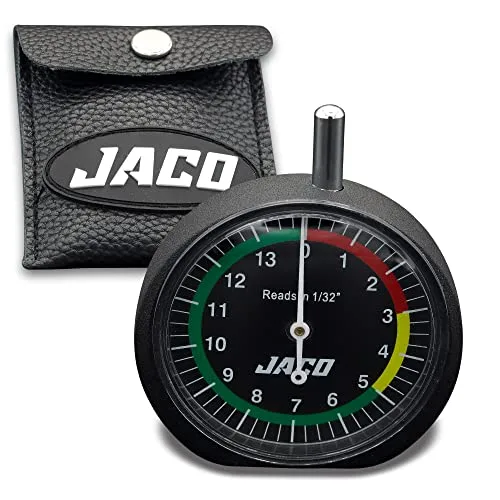 |
JACO TreadPro Tire Tread Depth Gauge – $15.90 Check tread depth on all four tires yourself in under two minutes, before paying a shop just to tell you a tire is worn out.
|
Tire problems cause most highway-speed shaking, but they are not the only source. Uneven tread wear, a wheel that has never been balanced since the last tire change, and low tire pressure are the three most common culprits, since each one throws off how evenly the tire’s weight and shape meet the road. A tire with a separated belt or a bubble in the sidewall can cause an even sharper shake that gets worse as speed increases.
Vibration is not always about the tires, though, and it helps to rule the engine out too. A misfiring spark plug, a worn engine mount, or a clogged air filter can all make the engine idle roughly enough that you feel it through the cabin, especially at a stoplight. A quick way to tell the two apart: tire-related shaking usually gets worse as your speed climbs, while engine-related shaking is most noticeable at idle or under acceleration and does not change much with road speed.
Impact Of Worn Tires
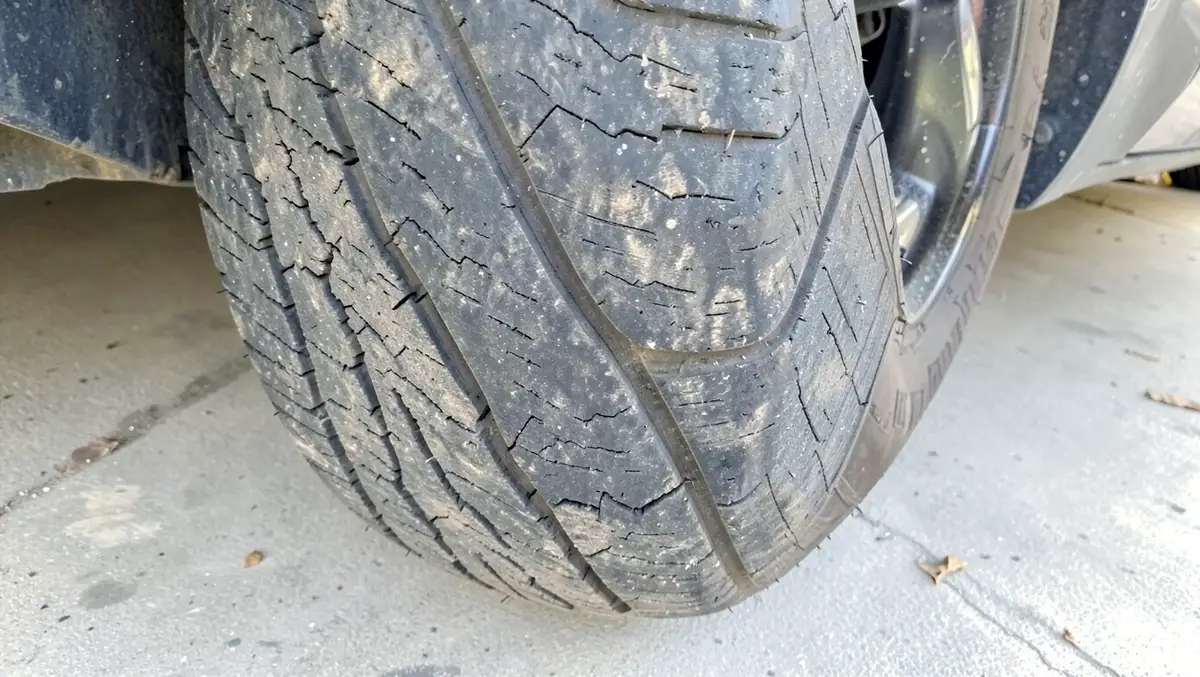
Tread wears down unevenly when a tire has not been rotated, when the alignment is off, or when it has been running under- or over-inflated for a while. Once the wear gets uneven enough, the tire no longer makes constant contact with the road, and that loss of contact is what you feel as a vibration or a wandering, bumpy ride. Worn tread also means less grip, which stretches out wet-weather stopping distances and matters just as much for safety as the shaking itself.
Balance is a separate issue from tread wear. Every new tire and wheel gets small clip-on weights added at the shop to cancel out the spots that are naturally heavier than the rest of the wheel, and those weights can fall off over time or get placed slightly wrong to begin with. An out-of-balance wheel typically causes a rhythmic wobble that starts around 45-55 mph and gets stronger the faster you go. A few minutes on a tire shop’s balancing machine usually fixes it, and rebalancing is far cheaper than replacing a tire early because it wore unevenly.
Signs Of Bad Tires
Look at the tire itself first. Cracks in the sidewall, a bulge, a slice from a curb strike, or tread depth below 2/32 of an inch are all signs a tire needs to be replaced rather than just topped off with air. Tires with damage like this cannot be balanced or aligned into a safe condition; the only real fix is a new tire.
How the car handles is the other tell. If the steering wheel shakes at speed, if the car pulls to one side even with your hands relaxed on the wheel, or if you feel a wobble through the floor when braking, tire or wheel problems are the first thing to rule out. All three symptoms tend to get worse the faster you drive, and all three are reasons to check tire pressure and tread before assuming something more expensive is to blame.
The Role Of Tire Pressure
Air pressure changes a tire’s shape, so getting it wrong in either direction can cause a shake even on tires that are otherwise in good condition.
Underinflated Tires
A tire that is low on air bulges more at the bottom, which flattens its contact patch and makes the sidewall flex more than it should with every rotation. That extra flex is not always even, so the ride can feel wobbly or unstable, especially in corners. Underinflation also wears the outer edges of the tread faster than the center, which compounds the vibration problem over time. Checking tire pressure at least once a month, and before any long trip, catches this before it becomes a bigger issue.
Overinflated Tires
Too much air makes a tire stiffer and rounder than it is meant to be, so it rides mostly on a narrow strip of tread down the center. That shrinks the contact patch just as much as underinflation does, only from the opposite direction, and it can make the car feel like it is bouncing over small bumps instead of absorbing them. Overinflation also wears the center of the tread faster than the edges and, in extreme cases, stresses the sidewall enough to weaken it. Stick to the pressure listed on the driver-door jamb sticker, not the number molded into the tire’s sidewall, since that number is the tire’s maximum rating, not the recommended pressure for your car.
Alignment And Suspension
Not every shake starts with the tire itself. A misaligned wheel or a worn suspension part can mimic the exact same symptoms as a bad tire.
Misalignment Effects
When the wheels are not pointed the way the manufacturer intended, the tires scrub against the road instead of rolling cleanly, which wears the tread unevenly and can produce a vibration that builds with speed. Misalignment usually comes from hitting a pothole or curb hard, or simply from age as suspension bushings wear. Beyond the shake, it also shows up as the steering wheel sitting off-center or the car drifting to one side on a flat, straight road. A wheel alignment check, ideally paired with a tire rotation, catches this before it eats through a set of tires early.
Suspension System Issues
The suspension is what actually connects the tires to the rest of the car, and worn shocks, struts, or control-arm bushings can turn a small road imperfection into a noticeable bounce or sway. Unlike tire-related vibration, worn suspension parts tend to cause a shake that changes with the road surface rather than with speed alone, and you may also notice the car dips forward hard when braking or leans more than it used to in turns. A mechanic can check for play in these parts in a few minutes on a lift, which is worth doing if new tires and a balance job do not fully solve the shake.
Consequences Of Ignoring Tire Problems
Safety Hazards
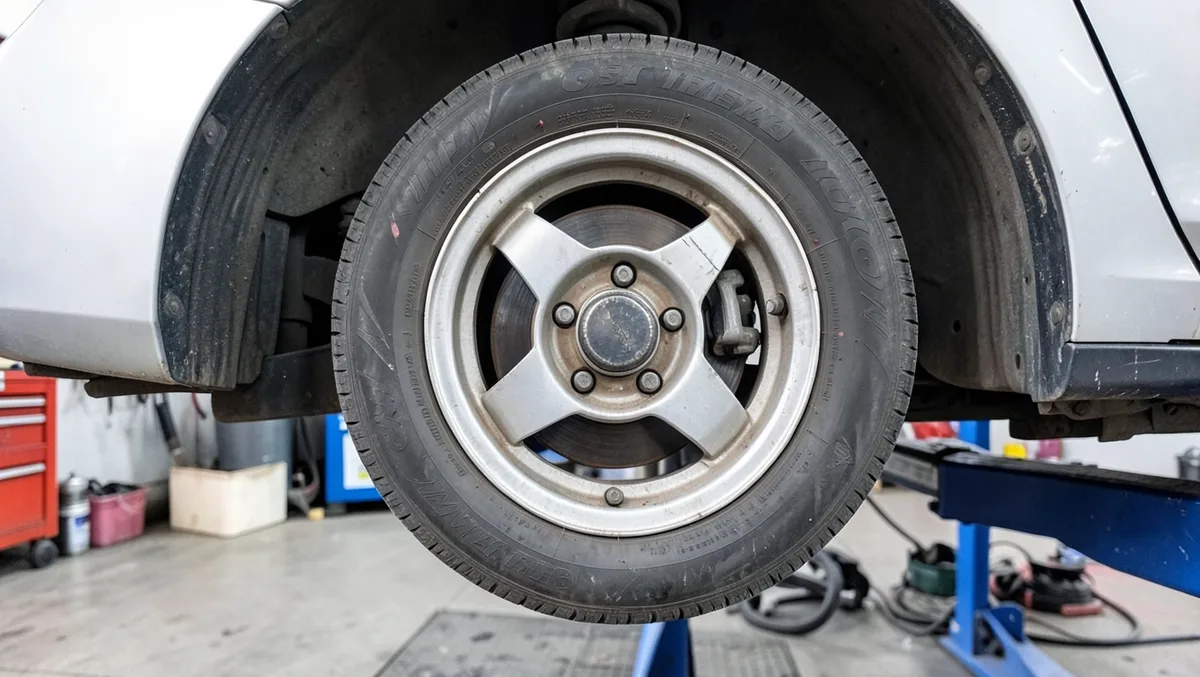
A tire that is already causing a vibration has usually moved past being a minor issue. Low tread grips less on wet roads, which extends stopping distance right when you need it most, and a tire with a hidden belt separation or sidewall bubble can fail suddenly at speed rather than wearing out gradually. Continuing to drive on a tire that is visibly damaged or shaking noticeably when you brake is one of the more preventable ways drivers end up in an accident.
Long-term Damage
Vibration that goes unaddressed does not stay contained to the tire. A wheel that is out of balance or misaligned puts uneven stress on wheel bearings, CV joints, and suspension bushings, so those parts wear out faster as a result. Rolling resistance also rises on a tire that is underinflated or unevenly worn, which shows up as a small but real hit to fuel economy. Fixing the tire issue early is almost always cheaper than replacing the driveline and suspension parts it eventually damages.
Solutions To Car Vibration
Start with the basics: check tire pressure cold, before driving, and compare it to the number on the door jamb sticker rather than the tire sidewall. Inspect each tire for cracks, bulges, and tread depth, and rotate the tires every 5,000-7,000 miles to keep wear even across all four. Any tire with visible damage or tread below 2/32 of an inch needs to be replaced, not patched.
If the basics check out and the shake is still there, a tire shop visit is the next step. A technician can spin each wheel on a balancing machine to check for and correct imbalance (typically $15-$25 per tire), verify the alignment on a four-wheel rack, and inspect the wheel bearings and suspension components that a home check might miss. Because tire and wheel issues cause most vibration complaints, that is usually where the fix is found, and it is worth doing before assuming a bigger, more expensive repair is needed.
Choosing The Right Tires
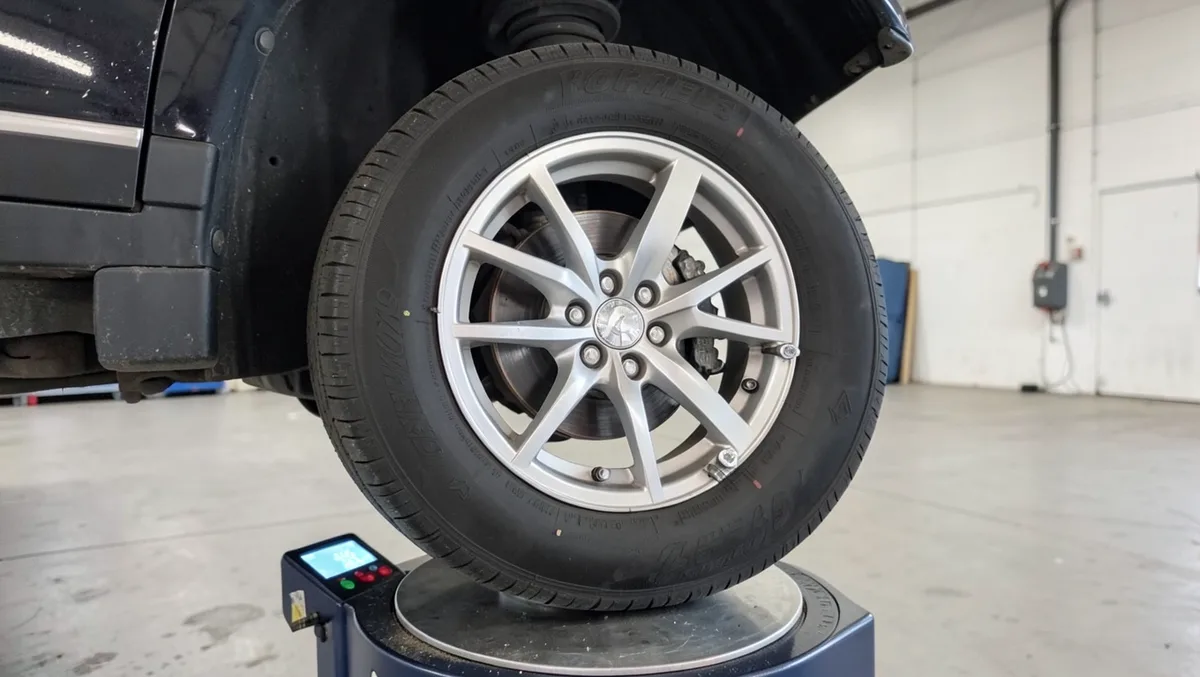
Cheap, low-quality tires are more likely to be poorly balanced straight from the factory and to wear unevenly sooner, which is exactly the kind of imbalance that causes a shake in the first place. Look for tires from an established brand with strong reviews, and pay attention to the treadwear rating alongside the price; a tire with a higher rating will typically hold its shape and balance longer, and it is also worth knowing how often to replace tires so you catch wear before it starts a vibration.
Size and type matter as much as the brand. Your owner’s manual or door jamb sticker lists the correct tire size for your car, and running the wrong size can throw off the speedometer and create the same kind of vibration described above. Match the tire type to how you actually drive: all-season tires cover most daily driving, performance tires trade some ride comfort for grip and handling, and off-road tires suit trucks and SUVs that spend real time off pavement.
Frequently Asked Questions
How To Tell If Tires Are Causing Vibration?
Feel for a vibration that changes with speed, especially one that builds between 45 and 65 mph, and check the tires for uneven tread wear, bulges, or flat spots. Tire-related vibration usually eases off or disappears when you slow down, while engine or brake problems tend to show up at idle or under braking instead.
Why Is My Car Shaking And Shuddering?
The most common causes are unbalanced or worn tires, a wheel that is out of alignment, worn suspension components, or engine issues like a misfiring spark plug. Check tires and tire pressure first since they cause the majority of vibration complaints, then have a mechanic check alignment, balance, and suspension if the shake continues.
Can Bad Tires Cause Wobble?
Yes. Uneven tread wear, an out-of-balance wheel, or a damaged tire with a bulge or belt separation can all cause a wobble, and it usually gets worse the faster you drive. Balancing, rotating, or replacing the affected tire typically resolves it.
At What Speed Do Unbalanced Tires Shake?
Unbalanced tires typically start shaking somewhere between 45 and 55 mph, and the vibration intensifies as speed increases beyond that. A tire shop can correct this in a few minutes on a balancing machine.
How Much Does It Cost To Balance A Tire?
Standard tire balancing runs about $15 to $25 per tire at most shops, or roughly $60 to $100 for a full set of four. Many shops include balancing in the price when you buy new tires, so it may already be covered.
Conclusion
Bad tires really can make a car shake, and they are the single most likely cause if your steering wheel or seat starts to vibrate at speed. Check tire pressure, tread, and visible damage first, since that alone resolves most cases. If the shake continues, a tire shop visit for balancing and alignment is far cheaper than letting the vibration wear out your suspension and wheel bearings ahead of schedule.
Products related to this article
Sponsored / affiliate links. As an Amazon Associate I earn from qualifying purchases. I may earn additional commission from eligible campaigns.