Chevy SS Interior Upgrades: What’s Worth It and What’s a Waste
The Chevy SS is a sleeper in every sense. Under the hood, it’s got a Corvette-derived LS3 V8 that makes 415 horsepower. Inside, though, it’s a different story. The cabin feels like a well-equipped Impala from the same era. It’s comfortable and functional, but it doesn’t match the performance. The plastics are hard, the seats lack bolstering, and the steering wheel feels like it belongs in a rental car.
That gap between the driving experience and the interior experience is exactly why so many owners start looking at upgrades. You don’t need to rip everything out and start over. A few targeted changes can make the cabin feel like it belongs with the rest of the car. This guide covers what actually works, what fits without headaches, and what you should skip entirely.

QZXIAOGU
2Pcs Car Cup Holder Coaster for Camaro…
- ★ 【Size】TIPS: Before placing order, please measure your car cup holder's diameter,the diameter is 2.75", thickness is 0.2"
- ★ 【Material】Made of high-quality environmental silicone. These 2 pieces high-quality car coasters will keep your cup holder clear…
- ★【EASY TO REMOVE AND CLEAN】Just a finger notch is needed for removal or replacement. Water or a little detergent suffices to do a…
Before you spend money on big-ticket items, take care of the small stuff. A simple set of silicone cup holder coasters stops spills from soaking into the carpet and keeps your drinks from rattling around. The QZXIAOGU SS coasters are 2.75 inches in diameter, which matches the SS’s front cup holders almost perfectly. They’re made from food-grade silicone, so they won’t fade or crack, and you can clean them with soap and water in under a minute.
Why Upgrade Your Chevy SS Interior? (The Payoff)
The SS was built in limited numbers — just under 13,000 units for the North American market between 2026 and 2026. That rarity means the car holds value well, but it also means GM never invested in making the cabin special. The interior is shared with the Holden Commodore, and it shows.
Owners typically complain about three things: the cheap-feeling steering wheel, the flat seats, and the hollow-sounding doors. Each of these has a direct fix. The payoff is a cabin that feels like a $60,000 car instead of a $35,000 one, because that’s what the SS actually cost when new.
There’s also a practical angle. The SS is a daily driver for many owners, not a garage queen. Upgrades like floor mats and seat covers protect the original surfaces, which matters when you eventually sell or trade the car.
The Best Chevy SS Interior Upgrades by Budget
You can spend $50 or $5,000. The key is knowing which upgrades deliver the most improvement per dollar. Here’s how I’d break it down, based on what I’ve installed and what I’ve seen in owner forums.
Under $100: Shift Knobs, Pedal Covers, and Floor Mats
This is the entry tier, and it’s where you get the biggest visual bang for the buck.
- Shift knob ($30–$60): The stock knob is a rubbery, vaguely egg-shaped thing. A weighted aluminum or leather-wrapped knob changes the shift feel immediately. Look for one with the correct thread pitch (M12x1.25) so it screws on without an adapter. Installation takes five minutes — just pull straight up on the stock knob, it’s held on by a clip.
- Pedal covers ($25–$50): The SS uses a drive-by-wire throttle, so pedal spacing is fixed. Aluminum covers with rubber inserts give better grip and look sportier. One warning: if your car has magnetic ride control, the pedal box sits close to the sensor wiring. Check clearance before you install so nothing rubs.
- Floor mats ($50–$100): The stock carpet mats are thin and stain easily. WeatherTech or Husky liners run about $80 for the front row. They fit the SS’s floorpan well, including the rear footwells. If you want something less utilitarian, Lloyd Mats makes custom-cut carpet versions that look almost OEM.
$100–$500: Steering Wheel Upgrades and Seat Covers
This is the sweet spot for most owners. The changes here are things you touch and feel every single drive.
Steering wheel ($200–$400): The stock wheel is a thick, leather-wrapped unit, but the leather is slick and the stitching is basic. Companies like JHPusa and AWC make custom wheels with Alcantara grips, flat-bottom designs, and contrasting stitching. The catch: the SS uses a single-stage airbag, and the connector is specific to the car. You cannot swap in a Camaro or Corvette wheel without rewiring the airbag harness. Stick with a wheel built specifically for the SS or the VF Commodore.
Seat covers ($150–$450): The SS’s front seats are power-adjustable with side airbags. That means any seat cover must have a cutout for the airbag, or you’re creating a safety hazard. Coverking and Wet Okole make custom-fit covers that respect the airbag location. They’re not perfect — the covers can shift slightly on long drives, and the heated seat elements still work through them, but they add a lot of protection.
$500+: Full Upholstery, Dash Kits, and Carbon Fiber Trim
This tier is for owners who plan to keep the car for years. It’s also where you start affecting resale value, so choose carefully.
Full upholstery ($1,500–$3,000): Replacing the factory cloth or leather with custom hides is the single biggest interior transformation. A good shop will redo the door cards, center console lid, and seats to match. Expect the job to take 3–5 days. The result feels like a luxury sedan, but it’s a permanent commitment.
Carbon fiber trim ($300–$800): The SS has a lot of silver-painted plastic trim around the center stack and doors. Replacing it with real carbon fiber — not vinyl wrap — requires removing the panels and swapping in aftermarket pieces. The fit is generally good, but the center console piece can require slight trimming near the shifter boot. It’s a moderate DIY job that rewards patience.
Installation Difficulty: What You Can DIY vs. What Needs a Pro
Most SS interior upgrades are bolt-on. The difficulty ratings below are based on my experience and common owner reports.
| Upgrade | Difficulty | Time | Tools Needed |
|---|---|---|---|
| Shift knob | Easy | 5 minutes | None (pull clip) |
| Pedal covers | Easy | 20 minutes | Screwdriver, pliers |
| Floor mats | Easy | 10 minutes | None |
| Steering wheel swap | Moderate | 1–2 hours | Torx bits, steering wheel puller |
| Seat covers | Moderate | 2–3 hours | Trim tools, zip ties |
| Carbon fiber trim | Hard | 3–4 hours | Trim removal kit, patience |
| Sound deadening | Hard | 6–8 hours | Roller, trim tools, scissors |
| Full upholstery | Pro only | 3–5 days | Specialized sewing equipment |
The steering wheel swap is the most common DIY mistake. The airbag is held in by two Torx screws, but the connector is a small plug that’s easy to break. If you break it, the airbag light stays on and you need a new clock spring. Take your time and use a plastic trim tool to release the clip.
Sound deadening is the other job people underestimate. Pulling the door panels is straightforward, but getting the deadening material to stick to the inner sheet metal requires a clean surface and a roller to press out air bubbles. Do a single door first. If you mess up, you’ve only wasted a few hours, not a weekend.
Material Showdown: Alcantara vs. Leather vs. Carbon Fiber
Each material has a trade-off between looks, durability, and how it handles heat. Here’s the honest breakdown.
Alcantara: This synthetic suede looks incredible and provides grip that leather can’t match. The problem is heat. In a parked car during summer, Alcantara surfaces get hot to the touch and show wear quickly if you slide across them. It’s great for a steering wheel grip or shift knob, but I’d avoid it for seat bolsters in a daily driver. It also requires special cleaner — regular soap leaves residue that mats the fibers.
Leather: The SS came with leather on higher trims, but it’s a thin, low-grade hide. Aftermarket leather is thicker and more durable. Full-grain leather breathes better than Alcantara and handles heat reasonably well, but it needs conditioning every few months. If you’re doing seat covers, look for perforated leather — it lets the heated seats work more efficiently.
Carbon fiber: This is purely cosmetic. Real carbon fiber is strong and light, but in an interior trim piece, it’s just a decorative element. The advantage is that it doesn’t fade or scratch like painted plastic. The downside is cost and fitment. Cheap carbon fiber pieces can have rough edges that don’t sit flush. Inspect the edges before you install, and use a heat gun to soften the piece for a better fit.
Common Fitment Issues and How to Avoid Them (OEM vs. Aftermarket)
The SS is a low-volume car, so aftermarket support is thinner than for a Camaro or Mustang. That leads to fitment quirks you need to plan for.
Airbag compatibility: The SS’s steering wheel airbag is single-stage, which is different from the dual-stage units in most other GM cars. If you buy a used wheel from a VF Commodore, it will physically fit, but the wiring may not match. Always confirm the airbag connector type before purchasing.
Magnetic ride clearance: The SS with magnetic ride control has sensors and wiring near the front footwells. Aftermarket pedal covers that add thickness can push the pedal closer to the wiring harness. Check for rubbing after installation. If there’s contact, adjust the pedal position or trim the cover.
Center console trim: The shifter surround is a single piece that also houses the electronic parking brake switch. Aftermarket carbon fiber versions sometimes have slightly misaligned holes for the switch. Test-fit before you reassemble everything, and file the hole if needed.
Floor mat retention: The SS has two floor mat hooks in the driver’s footwell. Some aftermarket mats don’t have grommets that line up with these hooks. If the mat slips, it can interfere with the clutch (if you have the manual) or the brake pedal. Drill your own grommets if needed — it takes two minutes with a leather punch.
The Overlooked Upgrade: Sound Deadening for a Quieter Cabin
Road noise is the SS’s biggest comfort flaw. The tires are wide, the wheel wells are barely insulated, and the doors have almost no sound deadening. At highway speeds, the cabin measures around 70 decibels — that’s loud enough to make conversation difficult.
Adding butyl-based sound deadening (like Kilmat or Noico) to the doors, floor, and trunk can drop that by 5–8 decibels. That’s a noticeable difference. You’ll hear the exhaust better and the tires less.
The cost is about $100 for enough material to do the doors and trunk. The floor is another $100 and requires removing the seats and carpet. It’s a full weekend job, but it’s one of the highest-impact comfort upgrades you can do.
One tip: don’t cover the drain holes in the doors. Water needs to escape, and if you block the channels, it pools inside the door and causes rust. Leave a gap around the bottom edge.
Do Interior Mods Affect Resale Value? What to Skip
Most interior mods do not increase resale value. They make the car easier to sell, but you won’t recoup the cost. Here’s what helps and what hurts.
Helps resale: Floor mats, sound deadening, and a quality shift knob. These are reversible and signal that the owner cared for the car. A clean, stock-looking interior with upgraded mats is the easiest car to sell.
Hurts resale: Full upholstery in non-original colors, drilled or modified door panels, and any cutting of factory wiring. A buyer looking for a stock SS will walk away from a car with a custom purple interior. Carbon fiber trim is neutral — some buyers like it, some don’t, but it’s easy to swap back.
The one exception: A high-quality Alcantara steering wheel with OEM-style stitching is a selling point. It’s a common mod, and buyers expect it on a performance sedan. Just keep the original wheel so you can swap it back if needed.
Final Verdict: The 5 Must-Have Upgrades for Every SS Owner
If you’re starting from a stock car and want the best return on your time and money, do these in this order:
- Sound deadening on the doors and trunk — the biggest comfort improvement for under $150.
- A weighted shift knob — changes the driving feel for under $60.
- Custom-fit floor mats — protects the carpet and looks OEM.
- An Alcantara steering wheel with contrasting stitching — the most visible upgrade you’ll touch every drive.
- Silicone cup holder coasters — cheap, practical, and they keep the interior looking new.
Skip the carbon fiber trim if you’re on a budget. It’s the most expensive cosmetic change with the least functional benefit. Spend that money on sound deadening or seat covers instead.
The SS is a special car because of how it drives. A few thoughtful interior upgrades make the cabin match that driving experience. Take your time, measure twice, and keep the original parts in a box. Your future self — or the next owner — will thank you.
Products related to this article
Sponsored / affiliate links. As an Amazon Associate I earn from qualifying purchases. I may earn additional commission from eligible campaigns.
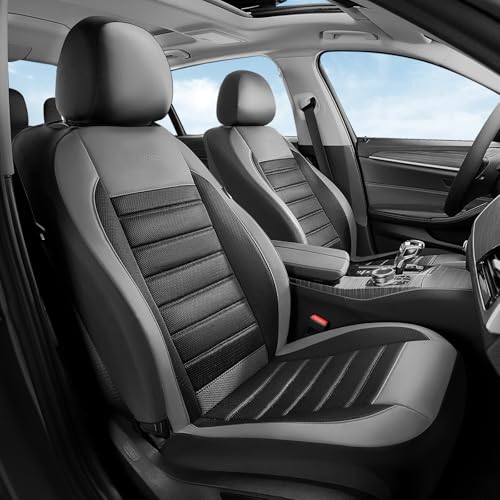 Coverado Car Seat Covers Front Seats, Luxury Leather Car Seat Covers, Automotive Mesh Seat Covers 2 Pack, Airbag-Compatible, Black Gray Seat Covers for SUV Sedan Truck
 Coverado Car Seat Covers, Front Covers for Cars, Car Seat Cover Front Seats, Automotive Seat Cover, Waterproof, Leather Car Seat Cushion, Universal Interior Covers Seat Protectors for Most Cars