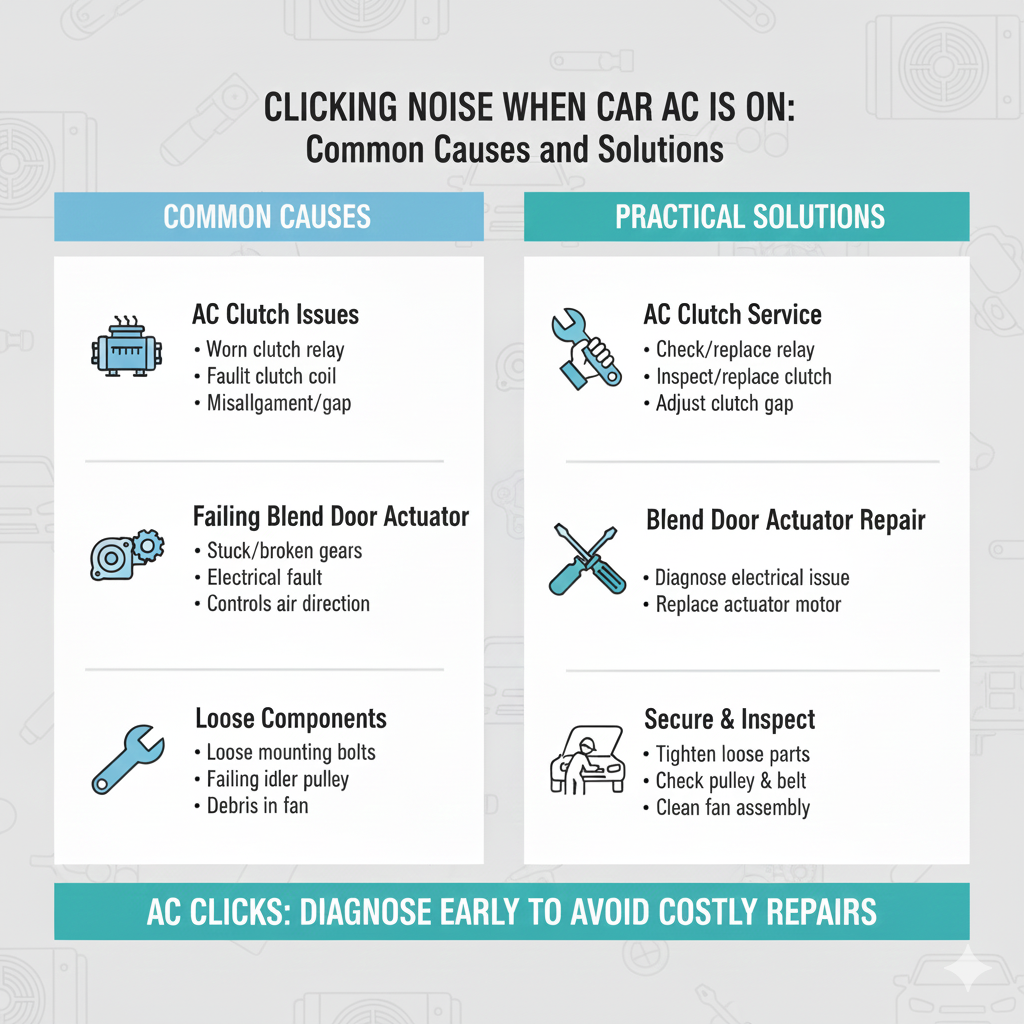
Clicking Noise When Car AC Is On: Common Causes and Solutions
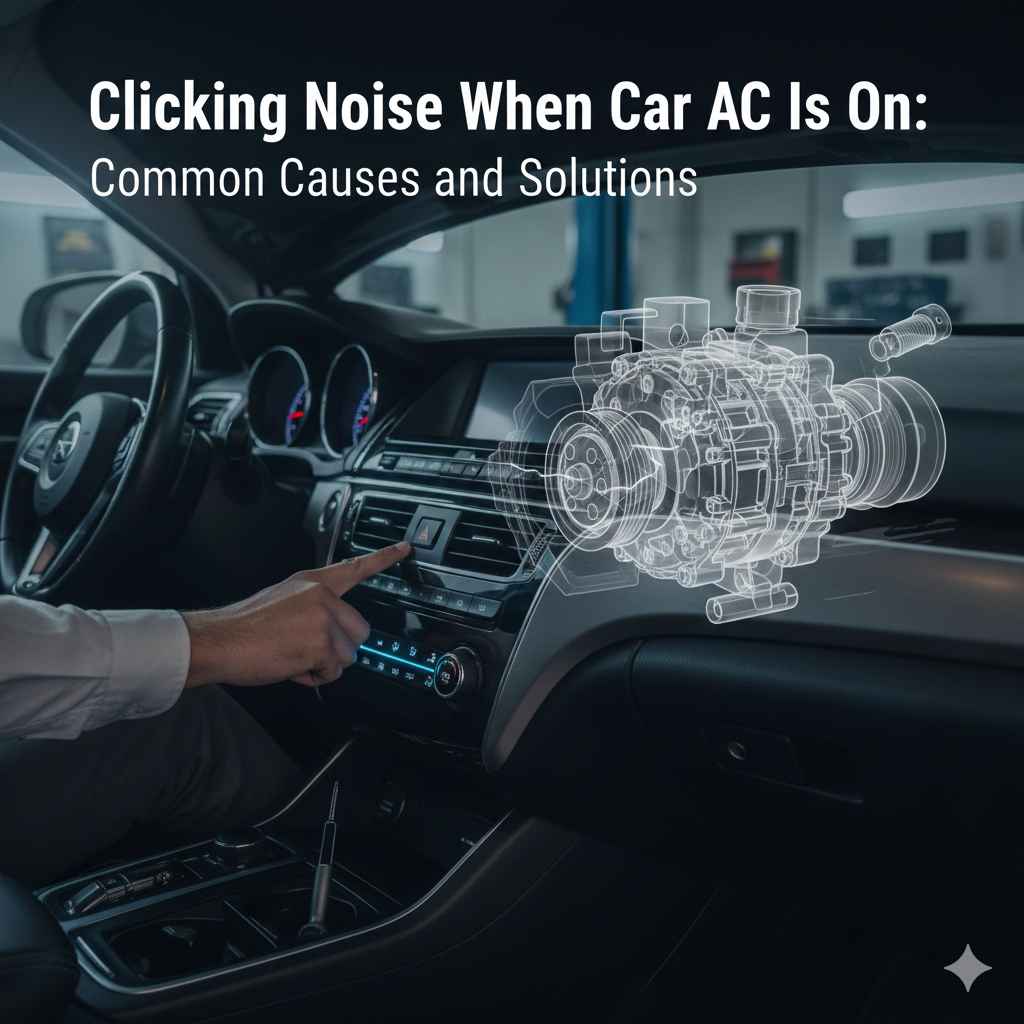
Hearing a Clicking Noise When Car AC Is On: Causes can be a little frustrating. It’s common, especially if you’re new to car maintenance. Don’t worry, though! It doesn’t always mean something major is wrong. This post will help you explore why your AC might be making that sound and how to troubleshoot it, step by step. We’ll explore the common reasons and give you a simple guide to figuring it out. Let’s get started!
The Mystery of the Clicking Sound
That clicking sound coming from your car’s AC can be caused by a few different things. It might sound like a relay switching on and off, or it could be something else entirely. Sometimes, it’s a normal function, but other times, it’s a sign that something needs attention. Figuring out the source helps you prevent bigger problems down the road. This section will explore the basic reasons for the clicking sound. We will analyze the usual culprits and explain what’s happening inside your car’s cooling system when that click happens.
The AC Compressor’s Role
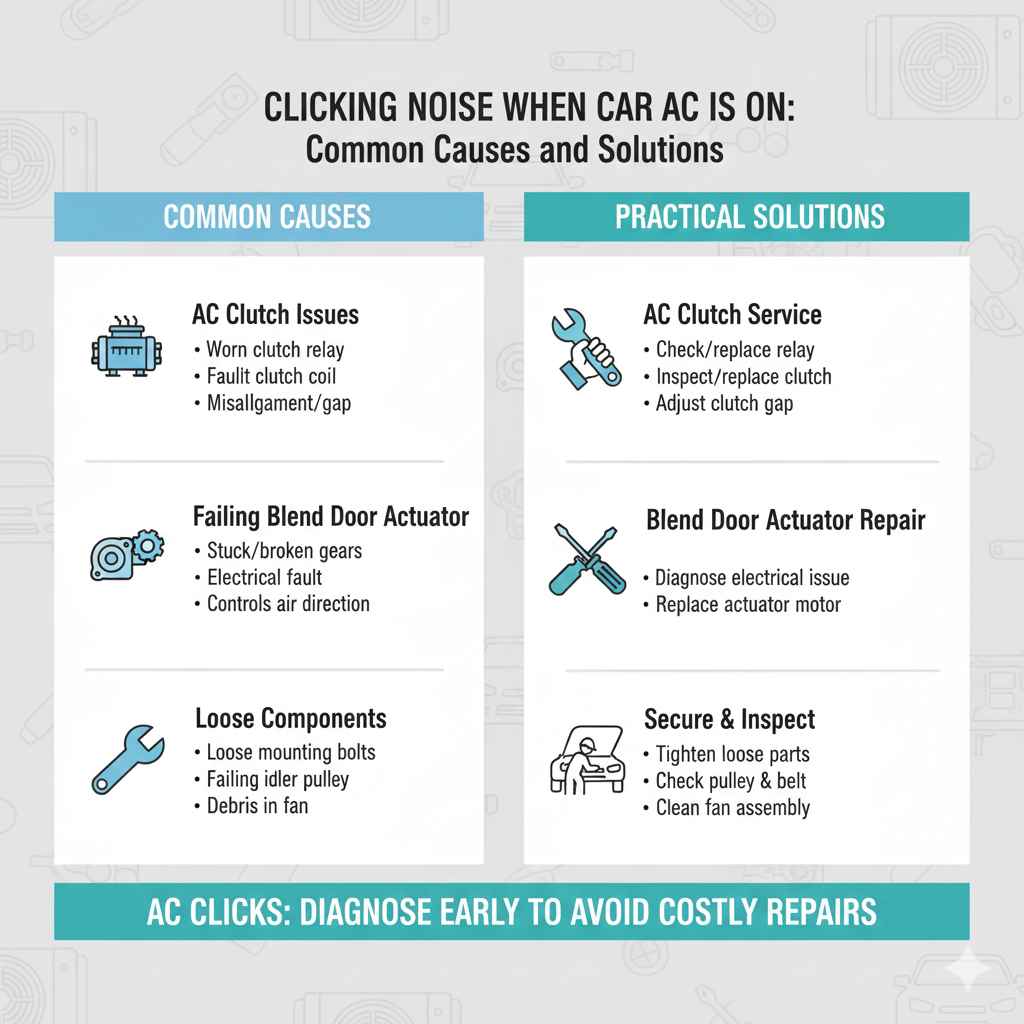
The AC compressor is the heart of your car’s air conditioning system. It’s a pump that compresses refrigerant, a special fluid that absorbs heat. When the compressor is running, it creates high pressure, which is essential for cooling the air. A faulty compressor can be a major cause of problems. For instance, the compressor clutch, which engages and disengages the compressor, can click as it turns on and off. If this happens often, it could be a sign of low refrigerant or other issues.
Compressor Clutch Engagement: The compressor clutch connects the compressor to the engine. The clicking sound often comes from the clutch engaging and disengaging.
When the AC is turned on, the clutch engages, starting the compressor. When the desired temperature is reached, or there’s a problem, it disengages, causing the click. This is a normal operation if it doesn’t happen too frequently.
Refrigerant Pressure: The AC system needs the right amount of refrigerant. If it’s low, the compressor might cycle on and off rapidly to try and cool the air.
This constant cycling can create the clicking sound. Low refrigerant can also lead to reduced cooling performance. Checking the refrigerant level is a good first step.
Compressor Clutch Failure: Over time, the compressor clutch can wear out. The clutch might fail to engage properly.
This can cause the clicking sound, along with no cold air. A failing clutch often needs to be replaced to get the AC working again.
Compressor Internal Issues: Inside the compressor, moving parts can wear down or fail. This wear and tear can create the clicking noise.
If the noise is accompanied by poor cooling or other unusual sounds, the compressor itself may be failing.
The Relay and Its Function
Another common cause of the clicking noise is the AC system’s relay. The relay is like an electronic switch that controls the power to the compressor. It’s designed to turn the compressor on and off as needed. If the relay is faulty, it can cause the compressor to cycle on and off repeatedly, creating a clicking sound. Relays are relatively inexpensive and can often be easily replaced. Understanding the relay’s role is important for troubleshooting the AC system.
Relay Operation: The AC relay receives a signal from the car’s computer to turn the compressor on or off.
When the signal is sent, the relay closes a circuit, allowing power to flow to the compressor. The clicking sound is the sound of the relay switching.
Faulty Relay Symptoms: A bad relay can cause the compressor to cycle rapidly, creating a clicking sound. Other symptoms include the AC not cooling properly or not working at all.
Replacing the relay is a common fix. Relays are typically located in the engine compartment’s fuse box.
Finding the Relay: The AC relay is usually labeled in the fuse box diagram. You can often swap it with a similar relay to see if the clicking stops.
If the clicking disappears, the relay was the problem. You’ll then need to get a new one. The repair is pretty straightforward.
Relay Issues and Their Effect: The main issues with the relay include its failure to send power to the compressor. This can lead to intermittent AC function.
If the relay overheats, it can fail. Over time, heat and electrical load can cause the relay contacts to wear.
Clicking Noise When Car AC Is On: Related Issues and Diagnosis
Besides the compressor and relay, other parts can contribute to the clicking noise. These related issues can range from simple problems to more complex ones. The good news is, by exploring these issues, you can improve your chances of identifying the problem. Properly diagnosing the source of the noise helps avoid unnecessary repairs. This section will explore other probable sources of the noise and how you can diagnose them.
The Blower Motor and Its Potential Problems
The blower motor pushes air through the AC system. While the blower motor itself rarely causes a clicking sound, problems with it can lead to other AC issues. For instance, if the blower motor is struggling, it might put extra strain on other parts of the system. This can indirectly cause clicking noises from relays or the compressor. You can also hear sounds from debris that is in the vents or the motor itself. Inspecting the blower motor is important as part of a complete AC system check.
Blower Motor Function: The blower motor moves air through the vents to cool the car’s interior. A failing motor could be linked to a clicking noise.
Problems like squealing or grinding are more common with the motor, but it’s good to check this as part of the overall diagnostic process.
Debris in the Blower: Leaves, twigs, or other debris can get into the blower motor. When the motor turns on, these items can cause clicking, rattling, or other sounds.
Removing debris can often solve this problem. Remove the debris through the vents or accessing the motor directly.
Blower Motor Resistor: The blower motor resistor controls the speed of the blower motor. A faulty resistor might cause the motor to run at irregular speeds.
This irregular operation could affect how the AC components function and lead to other problems. The resistor is often located near the blower motor.
Air Flow Issues: Reduced airflow from the vents can sometimes be related to blower motor problems. This can cause other sounds, including unusual noises from the compressor.
Checking the vents for blockages is a good first step. Then, checking the blower motor itself for any issues.
The HVAC System and Its Core Components
The HVAC (Heating, Ventilation, and Air Conditioning) system is a more complex aspect of AC. This involves various components working together to control the car’s climate. The clicking could stem from issues within the HVAC system. This includes the blend doors, which control airflow. Examining the HVAC system helps uncover the real source of the clicking sound. It also helps to ensure the entire system functions properly, giving you consistent cooling.
Blend Door Actuators: Blend door actuators control the position of the blend doors, which direct the airflow for heating and cooling. A faulty actuator can cause clicking.
The clicking sound typically happens when the doors are trying to move but are blocked or malfunctioning. This will also affect the air temperature.
Blend Door Operation: These doors open and close to direct air to various vents. The actuators make the doors move.
If the doors get stuck or the actuators fail, a clicking sound may occur. Replacing the actuator may be necessary.
HVAC Control Module: The HVAC control module manages the operation of the AC and heating system. Problems here could cause the clicking noise.
This module controls the relay and other parts that may be linked to the clicking. In some cases, resetting the module may solve the issue.
Refrigerant Leaks: Refrigerant leaks lower the AC system’s performance. Low refrigerant can cause the compressor to cycle on and off, creating a clicking sound.
You’ll want to check the system for leaks. If a leak is found, you’ll need to repair it. Then, recharge the system with refrigerant.
Now, let’s explore ways to address the clicking sound. You can often fix the issue without a mechanic. These step-by-step methods make the process easier. These solutions will also help you determine the cause. Taking action helps get the AC running smoothly again. This section will walk you through a series of steps to diagnose and correct the noise, saving time and money.
Preliminary Checks and Preparations
Before you begin, some preliminary steps are needed. These steps help ensure your safety and provide basic information. Checking your car’s manual gives you insights into the AC system. These preliminary checks can identify minor issues. Also, you will need the correct tools to avoid damaging the components. These basic preparations set the foundation for a smoother troubleshooting experience.
Safety First: Make sure the engine is off and the parking brake is engaged before working on your car.
Wear safety glasses to protect your eyes. It is also good to have gloves. If you are working with refrigerant, be extra careful.
Consult the Owner’s Manual: Locate the fuse box and AC relay information in your car’s manual. This will help you locate parts.
This will show you the correct location of these components. Using your manual will prevent errors and save time.
Basic Tools: You will need basic tools like a screwdriver, pliers, and possibly a multimeter for electrical testing.
A flashlight can also be helpful. Some repairs may require specialty tools.
Gather Materials: If you think you’ll need to replace parts, have them ready before starting.
If you suspect a leak, buy a refrigerant leak detector. For any replacement work, have the parts ready.
Checking the AC Relay
The AC relay is an easy first place to start. This checks if the relay is causing the clicking sound. Replacing a relay is a quick and simple task. If the relay is bad, the issue will be resolved quickly. Testing the relay helps eliminate it as a problem. It gives a direct path to the repair of the AC clicking sound.
Locate the Relay: Find the fuse box under the hood. Consult your owner’s manual to pinpoint the AC relay.
The manual usually provides a diagram that shows the layout of the fuses and relays. Check the label.
Remove and Inspect: Gently pull out the AC relay. Examine the relay for any signs of damage, such as burnt contacts or melted plastic.
Look for any visible defects. Damaged relays should be replaced.
Swap and Test: If you have a similar relay, you can swap it with the AC relay. Turn on the AC and see if the clicking stops.
This method will help you confirm whether the relay is the cause. If the noise stops, then the relay is faulty.
Replace the Relay: If the relay is bad, purchase a new one. Install the new relay in the fuse box and test the AC.
Ensure it is correctly seated. Your AC should operate quietly.
Checking the Refrigerant Level
Checking the refrigerant level is another crucial step. Low refrigerant can lead to the compressor cycling on and off. Low refrigerant can also affect cooling performance. Checking the level helps identify problems. Knowing the level helps you decide what actions to take. This quick test can prevent more complex damage.
Get a Gauge: Buy an AC refrigerant gauge from an auto parts store. Make sure you use the correct refrigerant type for your car.
The type is usually listed under the hood. Using the wrong one can damage the AC system.
Connect the Gauge: Attach the gauge to the low-pressure service port on the AC lines. This port is usually on a thick, insulated hose.
Carefully follow the instructions on the gauge. Check the pressure reading while the AC is running.
Check the Pressure: Compare the gauge reading to the specifications in your car’s manual. Low pressure could indicate a leak.
If the pressure is below the specified level, you will need to add refrigerant. Otherwise, you should inspect for leaks.
Add Refrigerant (If Needed): If the pressure is low, add refrigerant slowly. Monitor the gauge.
Do not overfill the system. Overfilling can cause damage. Use a refrigerant can with a built-in gauge.
Inspecting the Compressor
Inspecting the compressor involves looking at it for any signs of trouble. This helps see if the compressor is failing. Checking the compressor helps you pinpoint more serious issues. The compressor is a vital component. Catching problems early prevents bigger repairs.
Visual Inspection: Look at the compressor for oil leaks. Check the clutch for proper engagement.
Oil leaks usually indicate a problem. Check the clutch to see if it is engaging. If it does not engage, you may have a problem.
Listen to the Compressor: With the engine running and the AC on, listen to the compressor. Any unusual noises?
Listen for any noises like knocking, grinding, or squealing. These sounds indicate a possible problem. Unusual noises can reveal hidden problems.
Clutch Engagement Test: Watch the compressor clutch to see if it engages and disengages. It should cycle on and off periodically.
If it fails to engage, the compressor might not be working. Also, if the cycling is too frequent, that might signal low refrigerant.
Professional Inspection: If you suspect a problem with the compressor, you may need a professional inspection.
A mechanic can perform tests. They can help diagnose the issue and determine if the compressor needs replacement.
| Problem | Likely Cause | Solution |
|---|---|---|
| Clicking sound with no cooling | Low refrigerant, relay failure, compressor clutch failure | Check refrigerant level and relay. Inspect or replace the clutch. |
| Clicking sound with poor cooling | Low refrigerant, failing compressor | Check refrigerant, check the compressor. Replace compressor. |
| Clicking sound, AC works intermittently | Intermittent relay failure, compressor issues | Replace relay. Check and repair the compressor. |
Frequently Asked Questions
Question: Why does my car AC make a clicking sound when it turns on?
Answer: The most common reasons include the AC compressor clutch engaging, a faulty AC relay, or low refrigerant levels, all of which cause the compressor to cycle on and off.
Question: Is the clicking noise when the AC is on a sign of a serious problem?
Answer: It can be. While sometimes normal, it can also point to issues like low refrigerant or a failing compressor. It’s best to investigate further.
Question: How can I tell if the AC relay is bad?
Answer: You can often identify a bad relay by swapping it with a known good one. If the clicking stops, the original relay was faulty.
Question: Can I fix the clicking noise myself?
Answer: Some solutions, like replacing a relay or adding refrigerant, can be done yourself. But if you’re not comfortable, a mechanic can help.
Question: What should I do if the clicking sound doesn’t go away after checking the relay and refrigerant?
Answer: If the clicking continues, you should seek professional help. The compressor or another part of the system might be failing.
Final Thoughts
The Clicking Noise When Car AC Is On: Causes can usually be traced to a few common culprits. You have probably realized the potential causes, from the AC relay to low refrigerant. Often, a simple fix is all that’s needed to resolve the clicking. Remember to always prioritize safety and consult your car’s manual. By taking a methodical approach, you can save money and fix your AC. The next time you hear that click, you’ll know exactly what to do. Now you are ready to explore your car’s AC system.