3 Best Car Trash Cans in 2026
The best car trash can in 2026 depends on how you drive: pick a slim seat-back bin for small cars, a lidded leakproof bin for family commutes, and a larger sealed bin for road trips or camping. A poor choice means spills, smell, and dead cabin space. This guide ranks three strong options by vehicle type and mounting style, then explains the problem each one avoids.
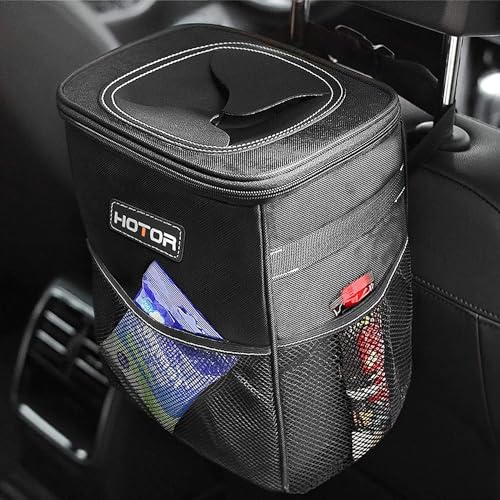
Best overall: Hotor Car Trash Bag with Lid. It comes in 1-, 2-, and 3-gallon capacities, uses a self-sealing rubber top, and mounts to the seat back, which gives it the widest fit range.
Quick picks for every driver


Best cupholder option: Oudew Car Trash Can with Lid. Its roughly 16-ounce size suits tight cabins, and the compact footprint keeps it out of the footwell. (Caranddriver)
Best for camping: Rhino USA Spare Tire Trash Bag. Spare-tire mounting keeps it out of the cabin and makes more sense for outdoor trips than a loose bin on the seat.
📊 Car and Driver updated its car trash can guide in May 2026. Source: Best Car Trash Cans for 2026, Tested.
Best car trash can overall: Hotor Car Trash Bag with Lid
Hotor is the best all-around pick because it covers a wide spread of vehicles and trash volumes without locking you into one mounting style. Car and Driver reportedly named it Best Overall in its May 2026 update, and the brand offers 1-, 2-, and 3-gallon capacities, with the 2-gallon version tested in that guide.
Why the 1-, 2-, and 3-gallon sizes matter
The smaller size makes sense in a compact car where the bin has to stay out of the footwell. The 2-gallon option is the middle ground for commuters and families who build up wrappers, napkins, and drink cups during a week of driving. The 3-gallon version suits long road trips, but it can become awkward if you do not have seat-back room or if the front seat is close to the rear bench.
That capacity spread matters because a larger bin is not always better. Once a trash can grows too large, it starts competing with legroom, cargo space, and access to seat controls or pockets.
What the self-sealing top solves
Car and Driver says Hotor is waterproof and uses a self-sealing top. That matters when a soda can drips, a coffee cup leaks, or a takeout container leaves residue inside a wrapper. Leakproof construction keeps liquids inside the bin instead of soaking carpets and seat fabric.
The self-sealing top also helps with odor control, but only to a point. It can hide trash and slow smell escape, yet it is not a sealed waste container, so wet food scraps will still need regular emptying.
Where the seat-back strap mount works best
Hotor can sit on a seat and is designed to strap to the front or back of a seat. That mount style works best in small cars, ride-share vehicles, and family sedans where the floor is already crowded. It keeps the bin upright and out of the passenger’s way.
Suppose a back seat already holds a child seat and a backpack. A seat-back bin gives you trash storage without adding another object to the footwell, which lowers the chance that the bin gets kicked over on a short commute.
Best cupholder pick: Oudew Car Trash Can with Lid
Oudew is the best choice when you want the smallest practical trash bin and a mount point that is already built into the cabin. Car and Driver named it Best Cupholder Can, and its roughly 16-ounce capacity makes it easy to tuck into a front cupholder or a narrow console space.
Why the 16-ounce size fits small cabins
In a small car, 16 ounces is enough for a short commute, receipts, gum wrappers, and a few snack packages. It is not meant to be the main trash solution for a family, but it is good when space is tight and every inch matters.
This is the option that avoids lid interference most clearly. Because it stays small, it is less likely to block a shifter, hit a passenger’s knee, or crowd the console lid when you reach for storage.
How the snap-in lid and spring flap help
Oudew has a snap-in-place lid with a spring-loaded flap. That setup helps contain loose trash and cuts down on the open-bin look many drivers want to avoid. The flap also makes quick disposal easier when you only have one hand free.
Compared with an open cupholder insert, the lid gives better odor control and spill containment. The tradeoff is capacity: once the bin gets full, the flap can become harder to use cleanly, and overstuffed trash can push against the lid.
When a cupholder bin beats a seat-back bag
A cupholder bin wins when the cabin is tight and the trash load is light. It is the cleaner answer for a solo commuter, a city driver, or a second-row rider who needs a small, dedicated spot for wrappers and tissues.
A seat-back bag is better when you need more volume or when rear passengers create most of the trash. Cupholder bins are easier to reach, but they give up capacity very quickly.
Best for road trips and camping: Rhino USA Spare Tire Trash Bag
Rhino USA Spare Tire Trash Bag is the best outdoor-focused choice because it fits a road-trip or camping routine better than a cabin bin. Car and Driver named it Best For Camping, and the spare-tire mounting keeps trash handling outside the passenger area.
Why spare-tire mounting suits outdoor trips
Spare-tire mounting works well when the vehicle spends more time at a trailhead, campsite, or packed parking lot than in downtown traffic. It keeps damp wrappers, snack bags, and drink containers away from seats and cargo that should stay dry.
That placement also avoids tipping inside the cabin. If a cooler, duffel bag, or folding chair is already using the cargo area, a rear-mounted trash bag leaves that space alone.
What this setup avoids in the cargo area
A loose bin in the cargo area is easy to bury under gear. Once that happens, it is forgotten, tipped over, or crushed. A spare-tire bag avoids that failure by hanging where it can stay visible and reachable.
For camping, that matters more than a perfect lid. The better setup is the one that stays put, keeps liquid mess out of the cabin, and does not force you to rearrange gear every time you throw something away.
Which car trash can fits your vehicle?
The right trash can depends on vehicle size, passenger count, and how much trash you produce between stops. Small cars usually need a compact cupholder or seat-back option. Family vehicles need more volume and better spill control. Trucks and SUVs can handle cargo-adjacent or rear-mounted solutions more easily.
Small car and commuter fits
For a small car, start with Oudew if the main goal is a tiny, tidy setup, or Hotor in a smaller capacity if you want a sealed bag with more room. The big risk here is lid interference and footwell clutter, so the best choice is the one that stays out of the way.
A common first-timer mistake is buying a larger bin because it sounds more convenient. In a compact hatchback, that often turns into a bin that crowds the console or ends up on the floor after the first sharp turn.
Family commute and back-seat use
Families usually need more volume and better access for rear passengers. Hotor’s seat-back mounting makes more sense here because it keeps trash within reach of children or passengers without putting it on the floor where it can tip.
If spills are common, prioritize leakproof construction over maximum size. A can that keeps drink residue inside is more valuable than a larger open bin that stains carpet.
Truck, SUV, and camping setups
Trucks and SUVs can support cargo-area or exterior mounting, especially if the trash mostly comes from longer trips, tools, tailgates, or camping gear. Rhino USA fits that use case because the spare tire location keeps the bag separate from seating areas.
If the vehicle carries pets, muddy gear, or coolers, the ability to keep trash outside the passenger zone can matter more than a perfectly hidden interior bin.
Car trash can size and lid guide
Size and lid style decide whether a trash can feels helpful or annoying. The useful breakpoints here are about 16 ounces, 1 gallon, 2 gallons, and 3 gallons. Smaller bins fit better, but larger bins reduce how often you need to empty them.
16 ounces vs. 1 gallon vs. 2 gallons vs. 3 gallons
Roughly 16 ounces works for a light trash load and tight cabin. 1 gallon is a better daily-use threshold for solo drivers. 2 gallons fits most commutes with more than one person in the car. 3 gallons is best when road-trip trash builds up quickly and you have enough room to mount it properly.
Value is not only about capacity. A larger bag can cost more in space and cleanup effort if it sits where it gets kicked, tipped, or overfilled.
Self-sealing top vs. spring-loaded flap
A self-sealing top is the better answer when spills are the main problem. It helps contain liquids and keeps the opening tighter around trash. A spring-loaded flap is better for fast, one-handed disposal in a smaller bin like Oudew’s.
Neither lid type fully blocks odor. Both help, but a full bag still needs to be emptied often if you want the cabin to stay fresh.
When lid interference becomes a problem
Lid interference shows up when the bag is so full that the top no longer closes cleanly or when the lid bumps into a seat, console, or passenger leg. That risk rises with larger capacities if the vehicle is small.
If you routinely toss in bulky packaging, choose the bin size one step above your average load, not two. That leaves room for the lid to work without forcing the opening open.
Car trash can mounting options that stay put
Mounting style matters as much as capacity. Seat-back straps, cupholder fit, and direct placement on a seat each solve a different problem. The right choice is the one that keeps the bin upright, reachable, and out of the driver’s way.
Seat-back straps
Seat-back straps are often described as a strong general-purpose option for family commutes and medium-volume trash. They keep the bin off the floor and make it easier for rear passengers to use. Hotor fits this role well because it can strap to the front or back of a seat.
Cupholder fit
Cupholder fit is best for low volume and small cabins. It gives you a fixed location and reduces tipping, but capacity is limited. Oudew’s roughly 16-ounce size is built around that constraint.
Direct seat placement and cargo-adjacent placement
Direct seat placement can work if the bin is weighted, upright, and not likely to slide. Cargo-adjacent placement is better for SUVs and trucks, where trash can sit near the back without taking over the passenger zone.
For outdoor use, cargo-adjacent placement is often easier to clean because loose dirt and wet debris stay away from upholstery.
Car trash can comparison table
This table connects vehicle type, trash volume, and mounting preference to the bin style that fits best. It also shows the main failure mode each option avoids and what cleanup usually looks like.
| Vehicle type | Trash volume | Mounting preference | Best bin style | Failure mode avoided | Cleanup and liner notes |
|---|---|---|---|---|---|
| Small car | Light, daily wrappers | Cupholder fit | Oudew Car Trash Can with Lid | Lid interference and footwell clutter | Fast wipe-down; small liner changes, but more frequent emptying |
| Compact sedan or family commute | Moderate, recurring snack and drink waste | Seat-back strap | Hotor Car Trash Bag with Lid | Tipping and liquid spills | Easy to line and empty; better for mixed dry and damp trash |
| SUV or truck | Moderate to high | Cargo-adjacent or rear-mounted | Rhino USA Spare Tire Trash Bag | Tipping in the cabin | Good for outdoor debris; rinse or shake out after messy trips |
| Road trip or camping setup | Higher volume, mixed trash | Exterior or rear mount | Rhino USA Spare Tire Trash Bag | Passenger-space clutter and spills inside the cabin | Less seat cleanup, but more exposure to outdoor dirt |
Failure-mode checklist
- Lid interference: choose a smaller bin if the opening hits the console, seatback, or passenger knees.
- Tipping: use seat-back straps, a cupholder fit, or a rear mount instead of a loose floor bin.
- Liquid spills: prioritize leakproof construction and empty drink containers before they sit in the bag.
- Odor buildup: empty the bin often and do not let food residue linger at the bottom.
- Cleanup difficulty: pick a bin with a liner that can be removed quickly and wiped without reaching deep corners.
How to choose a car trash can with a lid
Start with the vehicle, then match capacity to trash volume, then pick the mount that stays put. If your main issue is spilled drinks, lean toward leakproof construction and a tighter top. If your main issue is reach, choose the mount that passengers can use without leaning across the cabin.
- Count the likely users. Solo commute, family commute, or road-trip crew changes the size you need.
- Estimate trash volume. Light wrapper duty needs far less room than snack cups and takeout debris.
- Choose the mount first. Cupholder, seat-back strap, or cargo-adjacent placement will decide what fits.
- Check the lid. Self-sealing tops help with spills; spring-loaded flaps help with quick tosses.
- Match cleanup to reality. If you expect liquids, pick the bin that is easiest to rinse or wipe down.
Are leakproof car trash cans actually worth it? Yes, if you ever toss drink cans, melting ice, coffee cups, or damp napkins. Leakproofing protects carpets and seats from stains, and it also makes the bag easier to empty because residue stays contained.
Which car trash can is easiest to clean? The easiest option is the one with a simple liner swap and a low-friction interior, which usually means a compact, lidded bin with direct access to the trash bag. In practice, that often favors a small cupholder bin for light use or a seat-back bag that empties without spilling back into the cabin.
Frequently asked questions
What is the best car trash can for a small car?
The best choice for a small car is usually the Oudew Car Trash Can with Lid because its roughly 16-ounce size stays compact and avoids crowding the cabin. If you need more capacity for longer drives, Hotor in a smaller size is the better step up because it keeps a stronger seal and more storage room.
Should I buy a cupholder car trash can or seat-back bag?
Buy a cupholder can if your trash load is light and cabin space is tight. Buy a seat-back bag if you need more room, easier access for rear passengers, or better spill control. A cupholder mount is simpler; a seat-back bag usually handles family use better.
What size car trash can is best for daily use?
For daily use, 1 gallon to 2 gallons is the practical range for most drivers. That range gives enough room for wrappers, receipts, and drink containers without turning into a bulky cabin object. A 16-ounce bin works only when trash volume is very light and the cabin is cramped.
Are leakproof car trash cans actually worth it?
Yes, because liquid spills are the fastest way to ruin a small trash can’s usefulness. Leakproof construction keeps drinks and residue from soaking into carpets or seat fabric, and it cuts cleanup time. It is not the same as odor blocking, but it helps with both mess and smell.
How do I keep a car trash can from tipping over?
Use a mount that fixes the bin in place, such as a seat-back strap or a cupholder fit. Keep heavy items low, do not overfill the bin, and avoid direct floor placement if passengers can kick it. A stable mount matters more than a bigger capacity.
What car trash can works best for road trips?
For road trips, the Rhino USA Spare Tire Trash Bag is the most practical outdoor-oriented choice because it keeps trash outside the cabin and suits gear-heavy travel. If the trip stays mostly in the vehicle, Hotor’s larger sizes are the better interior option, especially when you need a sealed, leakproof bag.
Products related to this article
Sponsored / affiliate links. As an Amazon Associate I earn from qualifying purchases. I may earn additional commission from eligible campaigns.