3 Best Ice Scrapers for Your Car (2026): We Compared
The best ice scrapers for your car usually fall into one of three types: a compact ice-only scraper for small cars and light frost, a combo brush-scraper for mixed snow and ice, or a long-reach SUV tool for tall windshields and deep buildup. Pick the wrong one and you waste time, leave glare ice behind, or risk scratching glass and trim. This guide compares all three by vehicle size, ice thickness, storage space, and scratch risk, then points you to the right pick.
For heavy glaze on an everyday car, a solid brass blade scraper is the strongest choice. For snowy parking and tall vehicles, a combo brush-scraper is the better all-around buy because it handles snow, roof reach, and ice in one tool.
Quick comparison
| Product | Badge | Best for | Price | ||
|---|---|---|---|---|---|
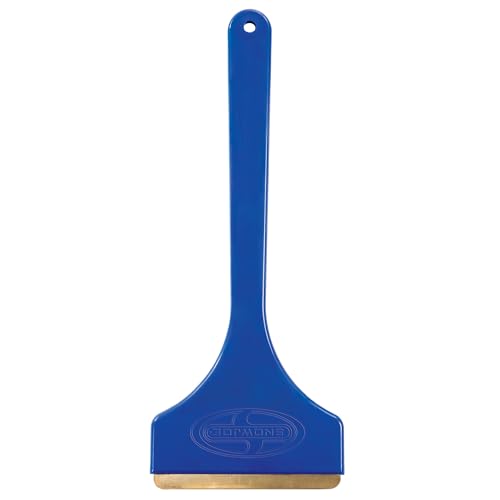 |
Snow Joe Brass Ice Scraper with Brass Blade, Scratch-SafeSnow Joe | Our pick | Compact · Brass Blade · Ice Scraper | $9.97
Price as of 18 Oct 2026
|
View |
 |
72" Extendable Long Snow Brush with Ice Scraper for CarEpltion | Upgrade pick | 72" · Extendable · Snow Brush and Squeegee | $49.99
Price as of 18 Oct 2026
|
View |
 |
Tinsaen 42" Extendable Snow Brush & Ice Scraper for CarTinsaen | Also great | 42" · Retractable Rod · 3-in-1 Tool | $26.99
Price as of 18 Oct 2026
|
View |
The core trade-off is simple: compact scrapers save space and move fast on thin ice, while combo tools work better when snow, roof reach, and awkward vehicle height matter. Brass sits in the middle on size, but it cuts thick ice the best.
If your winter problem changes by day, match the tool to the worst part of your routine. A scraper that clears a glazed sedan windshield well can fail when an SUV roof is loaded with wet snow.
How we chose
These picks were compared by four purchase factors: ice thickness, vehicle size, scratch risk, and storage space. Cold-weather durability also matters, because brittle plastic, freezing joints, and loose detachable parts are the failures that turn a cheap tool into a useless one.
The right pick is not the fanciest one. It is the one that clears your windshield without forcing you to carry extra bulk, fight a frozen hinge, or gamble with fresh tint and aftermarket film.
Snow Joe Brass Ice Scraper: best for thick ice
This is the best fit when thick ice is the main problem. The Snow Joe model uses a solid brass blade, and the compact 7.5-inch length makes it easy to keep in a glove box or door pocket. It is the sharpest answer in this group for glazed-over glass.
What stands out is simple: brass bites into stubborn ice better than flimsy plastic, especially when the windshield is coated with hard freeze instead of loose frost. It also has a comfort grip, which matters when you are pushing hard in gloves or mittens.
The drawback is just as clear. It does not include a snow brush, so it is not the right tool for roofs or deep snow. It can also leave faint metallic marks on aftermarket tint if pushed hard, so it is not the first choice for fresh film or delicate side glass.
Best fit: sedan drivers, commuters, and anyone who gets repeated hard glaze on a parked car. If your ice problem is thick and stubborn, this is the most direct tool in the group.
Epltion 72 extendable long snow brush with ice scraper: best for SUVs
This is the right pick for tall vehicles and snow-heavy parking. Its long-reach design is built for roofs, hoods, and windshields that are hard to reach from one side, and the rotating brush head gives you more flexibility when snow piles up. It is the most practical choice when the car is buried, not just frosted.
The advantage is reach. A long brush-scraper lets you clear roof snow before it slides onto the windshield, and that matters more on SUVs, vans, and trucks than on small sedans. The soft silicone ice squeegee is useful for finishing the job after the brush moves the bulk snow.
The drawback is storage. A long extendable tool takes more space, and the telescoping sections add more parts that can freeze shut if they are not dried after use. It is also more tool than many drivers need for a compact car and a light frost routine.
If your winter parking usually means wet snow on the roof, this type is the better call than a small scraper. The extra reach does real work that a short blade cannot do.
Tinsaen 42" Extendable Snow Brush & Ice Scraper: best for mixed snow and ice
This is the more balanced combo-tool choice for drivers who want one tool for both snow and ice. The 42-inch reach, detachable scraper, and EVA foam grip make it easier to use with gloves while still giving you enough length to handle larger vehicles better than a compact scraper can.
What stands out is the mix of features. The retractable rod helps reach hard-to-clean areas, and the warm EVA foam grip improves control when your hands are cold. For buyers who want a combo tool but do not want the biggest possible package, this sits in a practical middle ground.
The drawback is still the same category trade-off: more length means more storage complexity, and detachable sections mean more opportunity for loose parts or a frozen joint. It is also overkill if all you need is a glove-box scraper for thin morning frost.
Best fit: drivers with SUVs, crossovers, or taller sedans who need snow removal first and ice removal second. It is a sensible all-around tool when you have room to store it.
Best overall for thick ice and glove box storage
The brass scraper is the best answer for a driver whose main winter problem is thick ice on a regular car. It is compact, cuts aggressively, and keeps storage simple. If you want the smallest tool that still handles hard glaze well, this is the lane.
The 7.5-inch size is a real advantage here. It slips into tight storage spaces, and you do not need to sacrifice trunk room or cargo-area space for a tool that only has to handle glass. That is why it works so well as a daily driver scraper.
Best combo tools for snowy parking and roof reach
A brush-scraper combo is worth it when snow and roof access are part of the job. It clears more surface area, reaches farther, and usually adds a brush with softer bristles that are less likely to scuff paint and glass than a hard edge dragged across loose snow.
The useful details are in the brush, the handle, and the joint. Polished or split-end bristles help move heavy snow with less scratching risk, and telescoping sections make roof work easier on SUVs and trucks. The trade-off is bulk and more failure points.
Why the longer reach matters
Long tools solve a physical problem. Snow on an SUV roof is hard to reach from the side, and if you leave it there, it can blow or slide down while driving. A telescoping combo tool reduces that problem without forcing you onto the door sill or hood.
That reach is the main reason combo tools deserve the extra storage space they take up. The Epltion model stretches to a very long working length, while the Tinsaen model stays shorter but still covers more territory than a compact scraper.
Telescoping handles and storage tradeoffs
Telescoping handles are useful, but they are not free. They add storage complexity, and they can freeze shut if they are put away wet. A frozen joint turns a convenient tool into a stubborn one, especially on mornings when you need it most.
The practical fix is simple: dry the tool before storage and keep it in a place where the sections will not sit in meltwater. If you want the easiest tool to stash, a short brass scraper wins. If you want roof reach, the longer combo tool is the price of entry.
Bristles, grips, and claw features
Soft or split-end bristles are better for moving wet snow without grinding grit across the paint. That matters when the car is parked under trees, near road salt, or beside debris that can get trapped in the brush head.
EVA foam grips help too. They improve comfort, stay easier to hold with gloves or mittens, and give you more control when you are pushing hard in cold weather. Some combo tools also add an ice breaker or claw feature, which cracks thick ice chunks faster, but that extra edge can be aggressive near debris.
Plastic blade ice scraper: best for budgets
A plastic blade scraper is the best fit when you want the cheapest, smallest tool for light frost and quick daily use. ABS or PC construction keeps it lightweight, and many drivers like it because it disappears into a door pocket or glove box without adding clutter.
The limit is durability. Plastic is less durable than brass in subzero cold, and it can chip or dull faster when the ice gets harder. It is fine for thin frost, but it is the first type to feel weak when the glass is coated with true glaze.
That makes it a good budget tool, not a do-everything answer. If you park outside in a harsh winter and regularly face thick ice, the cheaper scraper can become the expensive choice after repeated replacements.
Ice scraper decision table
| winter scenario | scraper type to buy | why it wins |
|---|---|---|
| Light frost in a sedan | Plastic blade ice scraper | Lightweight, cheap, and easy to store in the car; it is enough when the glass only has a thin, quick layer to clear. |
| Heavy glaze on a parked car | Brass blade ice scraper | A solid brass blade is better for thick ice, and the compact size makes it a fast glove-box tool for stubborn windshield buildup. |
| Wet snow on an SUV roof | Snow brush and scraper combo | Longer reach and a brush head clear snow first, then the scraper handles leftover ice without forcing you to overreach. |
| Scratch-sensitive new glass or tint | Snow brush and scraper combo with soft bristles, or a plastic blade used gently | Soft bristles reduce scratch risk on paint and glass; a brass edge can leave faint metallic marks on aftermarket tint if pushed hard. |
Which one should you buy?
Buy brass if ice is the problem. If your windshield is often glazed over, a solid brass blade is the most effective choice in this group, and the compact body is easy to keep in the car.
Buy a combo if snow and roof reach matter. For SUVs, trucks, crossovers, and big parking lots, a brush-scraper saves time because it handles both snow and ice and reaches surfaces a short tool cannot.
Buy plastic if you want the smallest, cheapest tool and your winters are mild. It is the easiest to store and the easiest to replace, but it is not the best choice for repeated subzero abuse.
A common first-timer mistake is buying a long combo tool for a small sedan that only sees light frost. That adds bulk without solving a real problem. The opposite mistake is buying a tiny scraper for an SUV that gets wet snow on the roof every week.
There is also a cost question beyond the tool itself. If you only face a thin morning frost, a cheap scraper plus de-icer spray may be enough. If you park outside through heavier storms, a premium combo tool earns its keep by cutting roof snow, reducing strain, and handling ice without a second pass.
Choose brass if… / Choose a combo if…
Choose brass if your winter routine is mostly a single windshield with hard ice, you want the smallest tool possible, or you park in a sedan-sized space and value glove-box storage. It is also the better pick when speed on thick glaze matters more than clearing snow.
Choose a combo if you drive an SUV, truck, or van, if snow often lands on the roof, or if your parking situation makes roof reach awkward. A combo also makes more sense when you want one tool for snow and ice, even if it takes more space and needs a little more care after use.
Frequently asked questions
What is the best ice scraper for my car windshield?
The best ice scraper for your windshield depends on what you fight most often. Use brass for hard glaze, plastic for light frost and cheap storage, and a combo brush-scraper if snow and roof reach are part of the job. The right choice is the one that matches your worst winter morning, not your best one.
Should I buy a brass ice scraper or a plastic one?
Buy brass if you regularly face thick, stubborn ice and want a compact tool that cuts fast. Buy plastic if you only need something light, cheap, and easy to store for thin frost. Plastic is less durable in subzero cold and can chip or dull faster, so it is the weaker long-term pick in harsher winters.
Is a snow brush and ice scraper combo worth it?
Yes, if your vehicle sees real snow. A combo tool is worth it when you need to clear roofs, hoods, and windshields in one pass, especially on SUVs and trucks. It is less compelling for small cars with light frost because the extra length and storage bulk may not buy you much.
What ice scraper is best for an SUV or truck?
A long-reach combo brush-scraper is the best fit for SUVs and trucks. Telescoping handles help you reach the roof without stretching, and the brush clears wet snow before the scraper finishes the glass. Just keep in mind that longer tools take more storage space and can freeze shut if they are stored wet.
Will an ice scraper scratch my windshield?
It can, if you use the wrong blade or push too hard against grit, debris, or delicate film. Soft bristles and careful use lower the risk, while brass is effective on thick ice but should be used carefully on aftermarket tint. Fresh tint, ceramic coat, or film deserves extra caution, especially at the edges.
Which ice scraper is easiest to store in the car?
A compact brass or plastic scraper is easiest to store because it fits in a glove box, door pocket, or trunk organizer without much planning. Combo tools need more space, and telescoping sections add complexity. If storage is tight, short tools win even when they are not the most capable on deep snow.
Products related to this article
Sponsored / affiliate links. As an Amazon Associate I earn from qualifying purchases. I may earn additional commission from eligible campaigns.