Winter Car Covers: Freeze-Thaw Protection Buying Guide
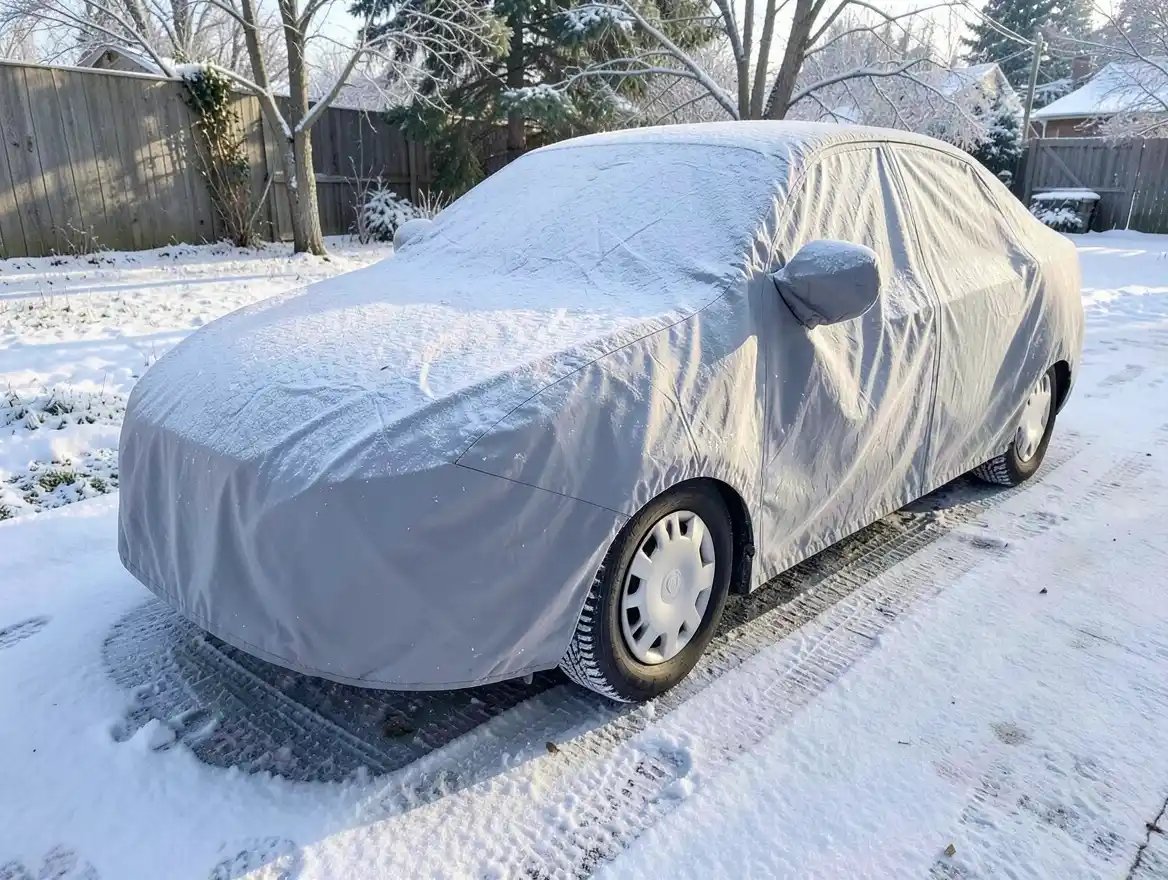
A regular car cover isn’t automatically a winter car cover. Snow itself rarely hurts paint, but a cover that traps moisture underneath it does — overnight freezing turns that trapped moisture into ice that expands into seams and edges, then thaws by midday and refreezes the next night. Picking a cover built for that freeze-thaw cycle, not just a generic “waterproof” label, is what actually protects a car parked outside all winter.
Here’s what separates a cover that survives a real winter from one that just gets wet, freezes stiff, and cracks by February — plus a top pick that’s built for exactly this.
Why Winter Needs a Different Kind of Cover
TOP WINTER PICK
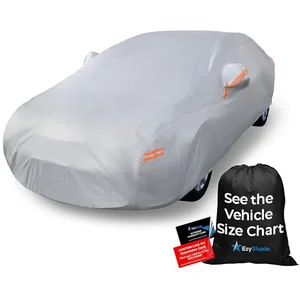 |
EzyShade 10-Layer Car Cover – $57.71 A 10-layer waterproof shell with a reflective outer surface, sized against a full vehicle chart instead of a one-size-fits-all guess.
|
Standard car covers are usually rated for rain and dust, not sustained freezing temperatures. Left on through a genuine cold snap, a non-breathable cover seals moisture against the paint instead of letting it escape. That moisture freezes overnight, expands, and works its way into paint chips and seams — then thaws the next afternoon and repeats the cycle for weeks. A cover built for winter uses a waterproof outer shell paired with a breathable inner layer, so water vapor can escape instead of getting trapped in that freeze-thaw loop.
Cold weather also affects the cover material itself. Cheap vinyl and PVC can stiffen and turn brittle in sub-freezing temperatures, making the fabric prone to cracking or tearing when you pull it on or off. Multi-layer covers that combine a PU- or PEVA-coated shell with a fleece or cotton inner lining hold up far better in the cold, since the layered construction stays flexible instead of going rigid.
What to Check Before You Buy a Winter Cover
| Feature | Why It Matters in Winter |
|---|---|
| Waterproof + breathable shell | Blocks snow and rain while letting trapped moisture escape, so it can’t freeze against the paint overnight |
| Multi-layer (6+ layers) | Adds insulation and stays flexible in sub-freezing temperatures instead of stiffening and cracking |
| Snug fit with straps or elastic hem | Keeps the cover anchored in winter wind gusts, which prevents it from rubbing and scratching the clear coat |
| Mirror pockets | Shields side mirrors from ice buildup separately, so they aren’t left exposed at the edge of the cover |
| Reflective or light-colored shell | Sheds a bit of extra heat on sunny winter days, which can speed up snow melt-off before it refreezes as ice |
Fit matters just as much as material. A cover cut for a full-size sedan will sit loosely on a compact car, leaving gaps where wind-driven snow and road salt spray can get underneath. Always check the size chart against your car’s actual length and body style rather than assuming “universal” means one size fits every car equally well.
Full-Body Cover vs. Windshield-Only Cover
A full-body cover makes the most sense for a car that’s parked outside for days at a time, since it protects the paint, trim, and windows all at once. For a daily driver that needs to be back on the road every morning, a full-body cover can actually be slower to deal with than the problem it’s solving — pulling off a snow-caked cover before work takes real time.
| Full-Body Cover | Windshield-Only Cover | |
|---|---|---|
| Best for | Cars parked outside multiple days (storage, second vehicle) | Daily drivers that need to leave quickly each morning |
| Protects | Entire exterior — paint, trim, mirrors, glass | Windshield and wipers only |
| Setup/removal time | 2-5 minutes | Under 30 seconds |
| Typical price | $30-$80 | $10-$25 |
Many drivers actually use both: a full-body cover for a car that sits for extended stretches, and a simple snow brush and ice scraper for quick daily-driver mornings when a full cover isn’t worth the extra time.
Frequently Asked Questions
Are Car Covers Effective in Winter?
Yes, as long as the cover is actually built for winter use. A waterproof, breathable cover shields the paint from snow, ice, and road salt while letting trapped moisture escape instead of freezing against the surface overnight. A thin summer-only cover left on through a hard freeze can trap moisture and do more harm than leaving the car uncovered.
How Do I Choose the Right Size Cover?
Measure your car’s total length, then compare it against the manufacturer’s size chart rather than trusting a generic “sedan” or “SUV” label alone. A cover that’s too big leaves loose fabric that flaps in the wind and rubs the paint; one that’s too small leaves gaps where snow and salt spray can get underneath.
Do Car Covers Protect Against UV Rays?
Most winter-rated covers include UV-resistant material, which matters even in cold months since low winter sun can still fade paint over time. A reflective or light-colored shell adds a secondary benefit in winter: it helps snow melt off a bit faster on sunny days instead of sitting and refreezing overnight.
Are Waterproof Car Covers Breathable?
The better ones are both. A waterproof-only cover with no breathability traps moisture vapor against the paint, which is exactly what causes the freeze-thaw cycle that damages a car’s finish over a winter. Look for a cover that specifically lists a breathable inner layer alongside its waterproof rating, not just “waterproof” on its own.
Can Car Covers Withstand Strong Winter Winds?
A properly fitted cover with straps, buckles, or an elastic hem can hold up through most winter wind gusts. A loose or poorly secured cover is the bigger risk in winter specifically, since a cover that flaps against ice-covered paint can cause fine scratches that a snug-fitting cover would avoid entirely.
Do Car Covers Prevent Scratches From Snow and Ice?
Yes, a soft inner lining acts as a barrier between the paint and any ice, road grit, or debris that lands on top of the cover, and it also means you’re scraping ice off fabric instead of off your actual clear coat. That’s a meaningfully cheaper habit than repeated paint touch-ups from scraping a bare windshield and hood all winter.
Conclusion
Winter is harder on a car cover than any other season, mainly because of what happens to moisture once the temperature drops below freezing. A cover that’s waterproof but not breathable can trap that moisture and let it freeze against the paint overnight, which does more damage over a season than simply leaving the car uncovered.
The fix is a multi-layer, breathable, properly sized cover secured with straps or an elastic hem — something like the EzyShade 10-Layer cover above covers that checklist directly. Pair it with a quick ice scraper for daily-driver mornings, and a car parked outside all winter can come through the season looking the way it did in October.
Products related to this article
Sponsored / affiliate links. As an Amazon Associate I earn from qualifying purchases. I may earn additional commission from eligible campaigns.