Full Set Car Seat Covers: 3 Front and Rear Options Compared
A full set seat-cover choice comes down to fit risk: pick one front-and-rear set only if the rear bench shape, headrests, and split-fold layout match the cover pattern. Bad fit can block airbags, slip on the seat, or leave the rear bench unusable. This guide compares three full-set options by cabin fit, install complexity, cleanup speed, and safety red flags.
Full set seat covers: the real trade-off
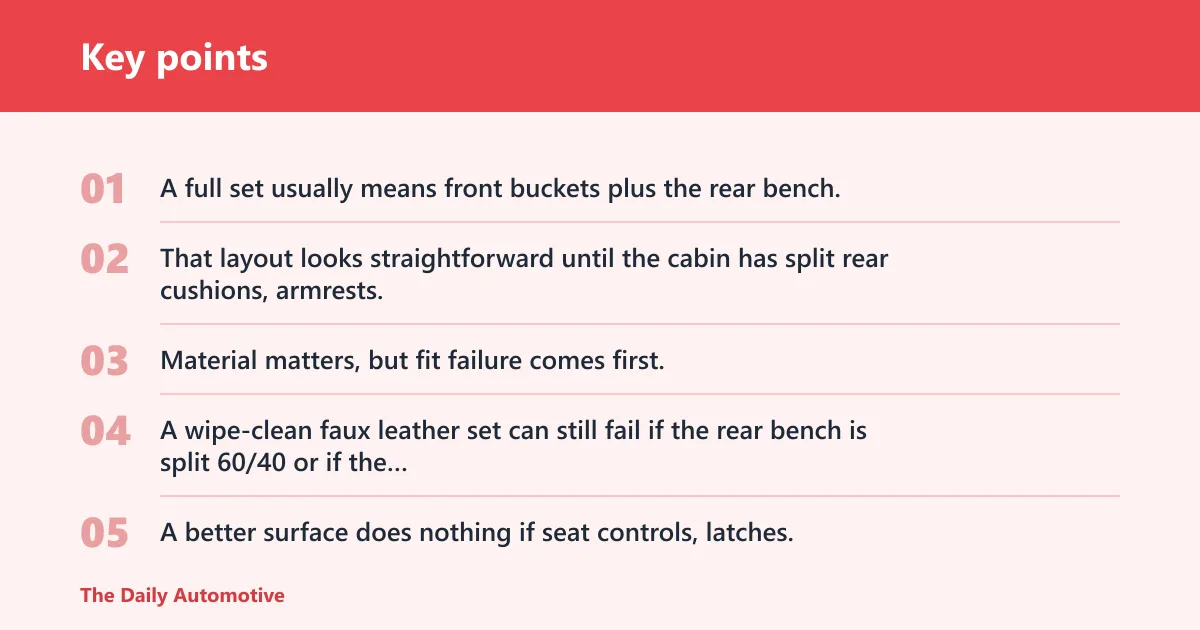


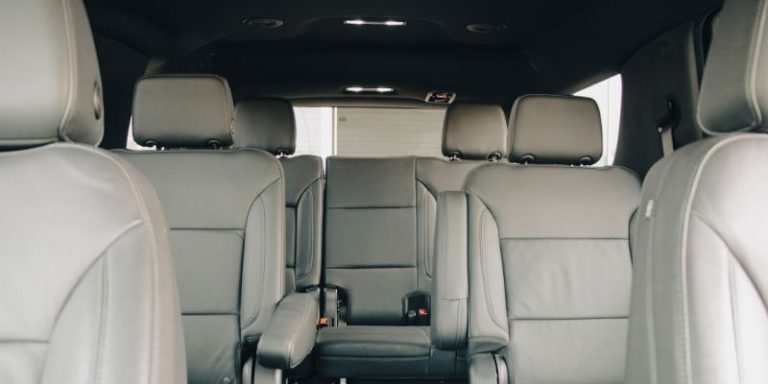
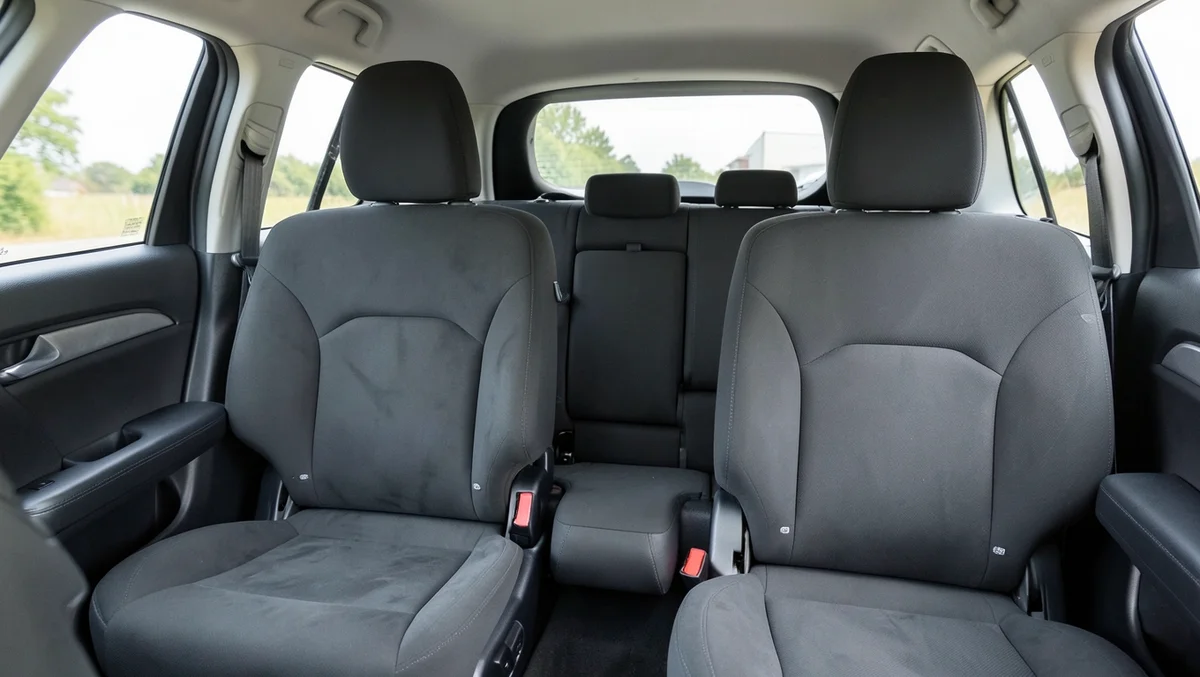
A full set usually means front buckets plus the rear bench, often sold as a 5-seat or 9-piece package with headrest covers. That layout looks straightforward until the cabin has split rear cushions, armrests, or contoured bolsters the cover was never cut for.
Material matters, but fit failure comes first. A wipe-clean faux leather set can still fail if the rear bench is split 60/40 or if the front seats have side airbags and the listing does not state airbag-compatible stitching. A better surface does nothing if seat controls, latches, or shoulder bolsters are blocked, as discussed at motortrend.com.
What you want is a set that matches the cabin shape and the use case. Commuters usually want quick cleanup and less fuss. Families usually want spill resistance and rear-bench coverage. Older cars with worn upholstery need coverage that stays put without burying a bad layout under extra bulk.
What a full set usually includes
Most full sets cover both front seats and the rear bench, plus headrest covers when the vehicle has them. Some packages are described as 5-seat sets; others are sold as 9-piece sets that split the cabin into front and rear parts. Check the listing for seat-count language, not just the headline.
Coverage can still vary inside that label. A set may fit front buckets well and still leave a split rear bench awkwardly wrapped, especially when the center armrest folds down or the rear seatback does not form one flat bench.
Why fit matters more than material alone
Material helps with cleanup and feel. Fit decides whether the set works at all. Universal fit works best in simpler cabins. Semi-custom fit usually costs more, but it can handle contoured seats, armrests, and tighter coverage more cleanly.
Seat padding changes the experience too. Thin sponge-backed covers install more easily and add less bulk. Dense foam feels cushier and can help on long drives, but it may take longer to fit over bolsters and seams. More padding can also make wrinkles more likely if the pattern is loose.
Three seat cover options compared
The core trade-off is plain: universal faux leather leans toward cleanup and budget value, universal Nappa-style pushes comfort and a premium look, and semi-custom fit lowers the chance of a sloppy rear bench or blocked controls. All three still need airbag-compatible labeling on the front seats.
Universal faux leather full set
This is the budget-to-midrange choice most buyers see first. Faux leather usually gives you a wipe-clean surface and a leather-like look, and many listings call it waterproof. That helps with coffee, snacks, and muddy clothes, but it can hold more heat than fabric on a parked car or a long commute.
Watch the seam details closely. A waterproof surface does not automatically mean sealed stitching, so liquid can still reach the foam or seat fabric through seams and openings. If the listing does not address seam construction, treat spill resistance as partial, not absolute.
Universal Nappa-style full set
Nappa-style sets aim higher on comfort and cabin feel. They use a softer, more padded surface than basic faux leather, and they are often sold in luxury-style universal sets. That makes them appealing if you want a softer surface without moving to a tailored custom interior.
The trade-off is bulk. A thicker foam layer can improve support, but it can also make installation tighter around side bolsters and rear seat contours. If the cabin already has strong seat shaping, check whether the set is described as fitting front buckets and the rear bench without blocking hardware.
Semi-custom fit full set
Semi-custom fit is the safer buy when the cabin layout is less forgiving. It is still not a perfect factory pattern, but it usually follows the seat shape more closely than a basic universal set. That matters in vehicles with armrests, split rear benches, or contoured front seats.
The downside is extra fit-checking before purchase. You need to confirm seat-back shape, rear-bench split, headrest count, and side-airbag labeling. Installation can take longer because tighter coverage leaves less slack for error.
Seat cover comparison matrix
| Option | Fit risk | Cleanup ease | Heat buildup | Airbag safety | Install difficulty | Best use case |
|---|---|---|---|---|---|---|
| Universal faux leather full set | Medium to high in split rear benches and contoured seats | Easy to wipe, but seam leakage can still happen | Medium to high in warm weather | Only if front-seat listing explicitly says airbag-compatible stitching | Moderate | Budget cleanup for simple cabins |
| Universal Nappa-style full set | Medium; better if the cabin has flatter seat shapes | Easy to wipe, with a more comfort-focused surface | Medium, often better than thinner faux leather only when padding and lining help | Only if labeled for side-airbag use | Moderate to high | Drivers who want padding and a premium finish |
| Semi-custom fit full set | Lower than a basic universal set when the listing matches the cabin layout | Depends on surface material | Depends on material and foam thickness | Only if the front seats are labeled airbag-compatible | Higher | Tricky cabin layouts and cleaner coverage |
Buy / skip note: Buy universal faux leather if you want the simplest cleanup and a lower-cost option for a flat rear bench. Skip it if the car has a split bench, deep bolsters, or seat controls that sit close to the edge.
Buy / skip note: Buy universal Nappa-style if you want a softer feel and can accept more bulk around the seats. Skip it if you need the quickest install or if a tight rear bench already limits coverage.
Buy / skip note: Buy semi-custom fit if the cabin layout is awkward and you want better shape matching. Skip it if you are unwilling to verify the exact seat pattern before ordering.
Where universal fit breaks down?
Universal fit breaks down where the seat shape stops being simple. Split rear benches, fold-down armrests, contoured bolsters, and seat controls at the base can leave gaps, wrinkles, or blocked access. That is where a decent-looking cover turns annoying fast.
Split rear bench and armrest conflicts
A split rear bench is the most common problem. If the cover assumes one continuous bench but the car uses a 60/40 split or similar design, the rear section may pull awkwardly when one side folds. Armrests make it worse because a center section can cut through the middle of the pattern.
Picture a family sedan with a fold-down rear armrest and child seats on both sides. A universal set that only expects one flat bench can bunch at the center and make the armrest hard to use. In that case, better layout matching matters more than a thicker foam layer.
Contoured seats, bolsters, and seat controls
Deep side bolsters can create the same problem at the front seats. The cover may either sit loose and wrinkle or stretch too tight and fight the seams. If the seat controls, tilt levers, or latch points are low on the cushion edge, a loose fit can block them.
Suppose a compact SUV has a more sculpted driver seat than the rear bench. A universal set might fit the back seat acceptably, then pull hard at the front bolsters. That is a warning sign, not a small cosmetic issue.
Headrest and rear-bench coverage gaps
Some sets claim headrest covers but still do not match all headrest shapes evenly. Rear-bench coverage can also stop short on the lower corners, which leaves the original upholstery exposed at the sides. Check photos and listing notes for the exact seat count and the rear layout the set expects.
Are faux leather covers better for cleanup?
For spill cleanup, faux leather is usually easier than fabric because the surface wipes down fast. That makes it useful for kids, rideshare work, and daily coffee spills. The catch is that easy wiping does not equal fully sealed construction, especially at seams and openings.
Wipe-clean surface versus seam leakage
Faux leather and Nappa-style covers both promise easy cleanup on the surface. The practical difference shows up at the stitching, zippers, and attachment points. If those areas are open, liquid can still pass through and soak the original seat beneath.
That matters after a tipped drink or a wet backpack. A surface wipe may stop the mess on top, but seam leakage can leave odor and staining under the cover if the backing is not well designed.
Heat buildup in daily driving
Leather-style materials can run hotter than fabric, especially in parked cars or dark interiors. Padding can soften the feel, but thicker material can also trap more warmth. If you drive in a hot climate, that trade-off is worth checking before you buy.
A common first-timer mistake is choosing the thickest-looking set and assuming it will feel best all year. In real use, more foam can mean more comfort on a long highway run and more heat when the cabin has sat in the sun.
Best fit for spills and kids
For family use, the best setup is a wipe-clean surface with confirmed rear-bench coverage and easy removal for cleanup. If the listing also mentions anti-slip backing, that helps the set stay in place when kids climb in and out.
Choose the material by the mess you expect. Juice, snacks, and muddy shoes point you toward faux leather or Nappa-style surfaces. If the car already has a tricky split bench, get the layout right before you worry about finish.
Do these covers work with side airbags?
They can, but only if the front-seat covers are explicitly labeled as airbag-compatible and the seam design is made to let the side airbag deploy. If the listing is vague about airbag compatibility, skip it. Side-airbag seams should not be blocked by the cover or by tight wrapping around the seat bolsters.
Why airbag-compatible stitching must be labeled
Airbag-compatible stitching is not a nice extra. It is a safety requirement for front seats with side airbags. The cover needs a non-blocking deployment design, usually described in the listing rather than guessed from the photos.
Check both the product page and the vehicle manual. The seat cover has to be allowed by the car-seat and vehicle manuals if child restraints are involved, and the front seats still need the correct airbag seam design.
What to check in the listing before you buy
- Look for explicit side-airbag compatibility on the front seats.
- Confirm the rear-bench layout: flat bench, split bench, or armrest cutout.
- Check whether the set includes headrest covers and how many pieces are listed.
- Look for notes about waterproof surface, anti-slip backing, and padding thickness.
- Match the seat shape to your cabin before you order.
When to skip a cover set
Skip a set if the listing does not mention airbag-compatible stitching and the car has side airbags in the front seats. Skip it too if the rear bench has a layout the cover does not address. A cheap set that hides those gaps can cost more later when it has to be removed.
Seat cover fit matrix
Use the cabin layout first, then pick the material. A sedan with flat seats gives you more room to choose on price and feel. An SUV with a split rear bench puts fit consistency ahead of finish. A family car with frequent spills needs cleanup speed and decent rear coverage more than anything else.
| Cabin scenario | Fit risk | Cleanup ease | Heat buildup | Airbag safety | Install difficulty | Best use case | Buy / skip note |
|---|---|---|---|---|---|---|---|
| Standard sedan | Low to medium if the rear bench is flat | Good with faux leather or Nappa-style | Medium | Good only with labeled front-seat stitching | Moderate | Commuting and older upholstery refresh | Buy universal faux leather or Nappa-style if the listing matches the seat shape; skip if the front seats have unlabeled side airbags. |
| SUV with split rear bench | High for basic universal sets | Good if the surface is wipe-clean | Medium to high with thicker foam | Depends on front-seat labeling | Higher | Better with semi-custom fit | Buy semi-custom fit if the split and armrest layout match; skip universal sets that do not name the bench split. |
| Family car with frequent spills | Medium; rear coverage matters most | High with faux leather or Nappa-style | Medium | Must be labeled for the front seats | Moderate | Kid messes, snacks, and quick cleanup | Buy the wipe-clean option with anti-slip backing and rear-bench coverage; skip any set that treats waterproofing as a surface-only claim. |
Choose universal faux leather if… / Choose Nappa-style if…
Choose universal faux leather if you want the easiest wipe-down after spills, the cabin has a simple rear bench, and you are shopping on a tighter budget. It is the safer pickup when cleanup matters more than a softer seat feel.
Choose universal Nappa-style if you want more padding, a softer premium-looking surface, and a fuller feel on longer drives. It fits best when you can accept a little more install effort and your cabin does not punish thicker material at the bolsters.
Choose semi-custom fit if the rear bench splits, the front seats are contoured, or the armrest layout keeps defeating universal covers. It is the better route when fit risk matters more than saving a little money.
Frequently asked questions
What are the best full set car seat covers for front and rear seats?
The best choice depends on the cabin shape first, not the finish. Universal faux leather works for simple layouts and easy cleanup. Universal Nappa-style helps if you want more padding. Semi-custom fit is safer when the rear bench splits or the front seats have stronger bolsters.
Are faux leather seat covers better than fabric for a full set?
For cleanup, usually yes. Faux leather wipes faster after spills and is easier to keep neat in family use or rideshare driving. Fabric can breathe better, but it tends to hold stains and crumbs more readily unless the vehicle sees very light use.
Do full set seat covers fit cars with side airbags?
Only if the front-seat covers are labeled airbag-compatible and the seam design is meant for side-airbag deployment. Do not assume a cover is safe just because it looks thin. Check the listing and the vehicle manual before you buy.
Which seat cover material is easiest to wipe clean after spills?
Faux leather is usually the easiest to wipe clean, and Nappa-style surfaces are also easy to clean when the spill stays on top. The important caveat is seam leakage. A wipeable top layer does not guarantee the inside stays dry.
How do I choose between universal and semi-custom seat covers?
Choose universal if the seats are flat, the rear bench is simple, and you want easier shopping and lower cost. Choose semi-custom if the cabin has a split bench, armrests, contoured seats, or controls near the seat edge. Fit risk should decide this call.
Which full set car seat covers are best for families with kids?
Families usually do best with a wipe-clean full set, rear-bench coverage that matches the seat split, and anti-slip backing. The surface should handle spills fast, but the fit still has to leave child-seat access and seat functions usable. Check both manuals before installing anything around child restraints.
Products related to this article
Sponsored / affiliate links. As an Amazon Associate I earn from qualifying purchases. I may earn additional commission from eligible campaigns.
 Coverado Car Seat Covers, Front Covers for Cars, Car Seat Cover Front Seats, Automotive Seat Cover, Waterproof, Leather Car Seat Cushion, Universal Interior Covers Seat Protectors for Most Cars
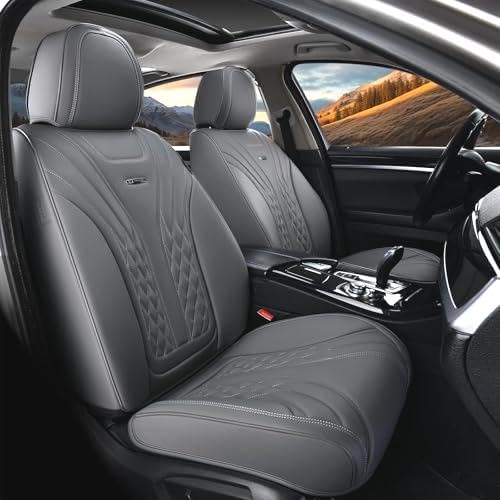 Coverado Car Seat Covers, Car Seat Covers Front Seats, 2-Pack Front Seat Cover, Nappa Leather Waterproof Seat Covers, Car Seat Protectors, Automotive Seat Covers Universal Fit for Most Vehicles