Winter Car Care
For winter car care, do three things first: test the battery, set tire pressures cold, and top up winter washer fluid; if tread is quite low or the battery seems weak, fix it now. Skip that short fall errand and it can turn into a no-start before work, a longer stop on a wet downhill ramp, or a washer bottle and nozzle line frozen solid at the first hard freeze. This guide ranks the quick checks, the before-freeze jobs, the emergency kit, and the first checks when cold-weather problems hit.
I’m writing this from first-hand driveway experience getting daily drivers through freezing mornings, short-trip battery drain, and filthy slush commutes. My practical routine is simple: I use a battery tester or multimeter, a tread-depth gauge, a tire-pressure gauge, and I verify the washer-fluid freeze rating on the jug before winter actually arrives.
What should you do for winter car care in the next 10 minutes?
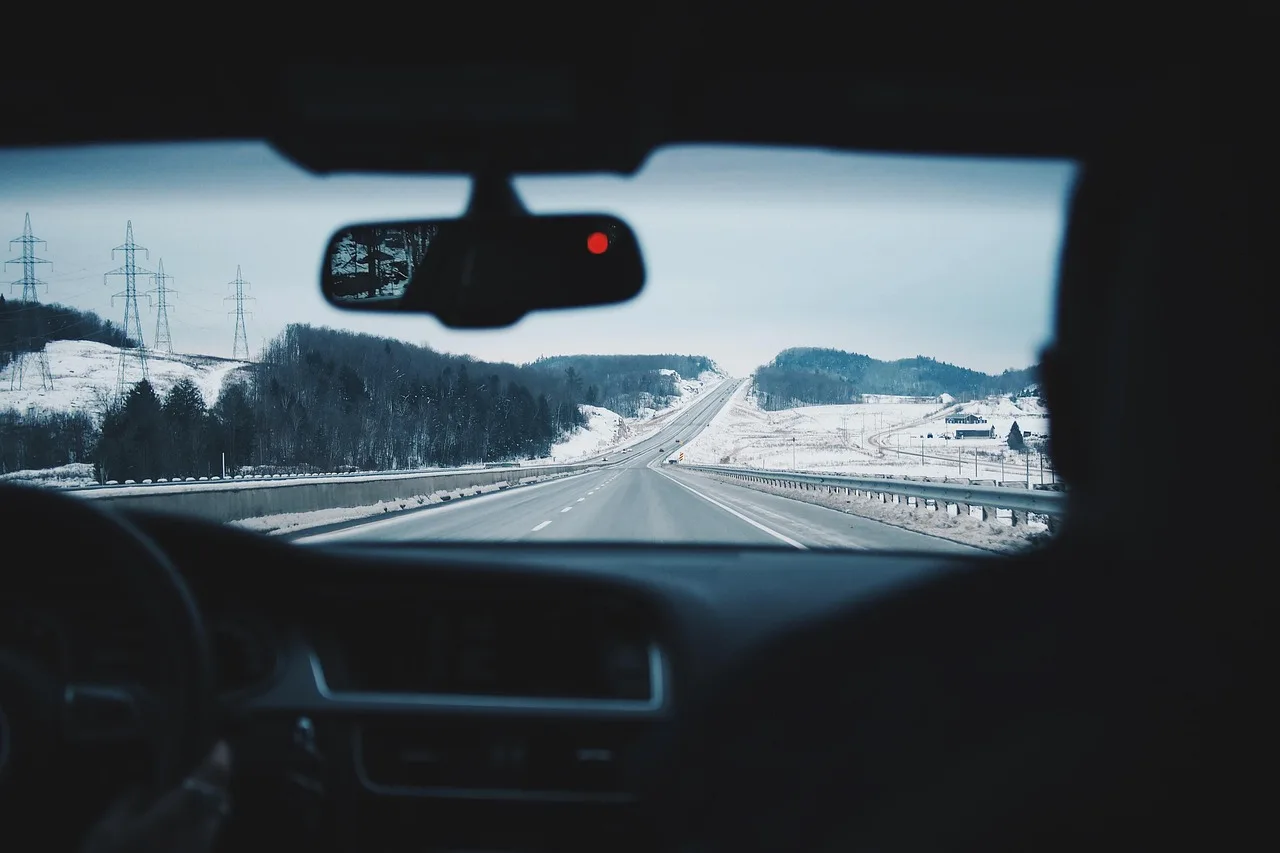


In the next 10 minutes, check the battery for weak-start symptoms, verify cold tire pressures, confirm winter-rated washer fluid is in the reservoir, and clear the glass well enough to trust visibility. Those four jobs hit the failures that stop cars first: no-starts, low-grip braking, and frozen or dirty windshields.
The fast triage: battery, tires, washer fluid, and visibility
- Turn the key or press start and listen. Slow cranking, a dragging starter, dim dash lights, or a click-only attempt point to a battery problem that cold weather will expose fast.
- Check all four tires cold. If one is visibly lower than the others, fix that before any other minor task.
- Open the washer reservoir and confirm it contains winter-rated fluid, not leftover standard fluid from warm weather.
- Look at the windshield, side glass, wiper blades, headlamps, and backup camera lens. If the blades smear or chatter, move them onto the short list.
The three failures most likely to strand you first
A weak battery is first because cold-cranking performance drops right when the engine needs more effort to turn over. AAA notes battery trouble is a common cold-weather failure point, and battery makers such as Interstate and Clarios emphasize that low temperatures reduce available battery power while engine oil drag and accessory loads increase. Low tires come next because underinflation reduces control and can worsen braking and tire wear; NHTSA says drivers should check tire pressure regularly and use the vehicle placard, not the sidewall maximum. Frozen washer fluid is third because once the reservoir or nozzles freeze, visibility can go from acceptable to useless in a few miles.
What to buy today if there is nothing in the car
Buy winter washer fluid, a basic pressure gauge, gloves, an ice scraper, and either jumper cables or a jump starter. If the car sleeps outside, add a windshield cover tonight. If you want a simple next step after that, build out your winter car emergency kit and keep a spare jug of fluid in the trunk.
According to Seasons of the Year in the United States – Calendarr — Calendarr says winter in the U.S. starts on December 21 or 22.
The winter-prep matrix: what to do, when, and why

The order below follows failure risk first, then time, then cost. A battery test and winter washer fluid sit at the top because they prevent the two cold-morning problems I see most often, dead starts and washer systems that quit when the roads are filthy. Recovery gear ranks lower because it helps after trouble starts, not before. That ranking also lines up with guidance from AAA on battery readiness, NHTSA on tire pressure and visibility, and major washer-fluid and wiper manufacturers on freeze protection and clear glass.
How to read the priority matrix
Use the priority column as the rank order. The timing column sorts each task into before-freeze, weekly, overnight, or emergency action. Estimated times are rough driveway numbers, meant to help a busy driver decide what fits tonight and what can wait for the weekend.
Prioritised winter-prep matrix
| Priority | Task | Failure prevented | Tools needed | Estimated time | Action timing | Rough cost |
|---|---|---|---|---|---|---|
| 1 | Battery symptom check and voltage test | No-start after first hard freeze | Voltmeter or parts-store tester | 10 minutes | Before-freeze, weekly if already weak | Roughly free to low cost for testing |
| 2 | Fill with winter-rated washer fluid | Frozen reservoir, frozen nozzles, poor visibility | Winter fluid, funnel if needed | 5 minutes | Before-freeze, top up weekly | Roughly low cost per jug |
| 3 | Set cold tire pressures and inspect tread | Low grip, long stops, uneven wear | Gauge, air source | 10 to 15 minutes | Before-freeze, weekly | Roughly free if air is available |
| 4 | Install winter tires if climate and commute justify them | Loss of traction in snow, slush, and cold pavement | Tire service or mounted set | Roughly 1 hour | Before-freeze | Roughly the biggest single prep expense |
| 5 | Replace weak wiper blades | Smeared glass in snow spray and road salt | New blades | 10 minutes | Before-freeze | Roughly moderate cost |
| 6 | Pack jump starter or cables | Being stranded by a discharged battery | Jump starter or cables | 5 minutes | Emergency | Roughly moderate cost |
| 7 | Add windshield cover for overnight parking | Frozen windshield, wiper icing, long scraping sessions | Fitted cover | 2 minutes nightly | Overnight | Roughly low to moderate cost |
| 8 | Carry traction aid sized for the tires | Being stuck on packed snow or glare ice | Traction boards, mats, or granular aid | 5 minutes to load, longer to deploy | Emergency | Roughly moderate cost |
| 9 | Use maintainer or slow charger for low-use vehicles | Repeated short-trip drain or parked-car discharge | Battery maintainer or charger | Setup in 10 minutes | Before-freeze, weekly, storage | Roughly moderate cost |
| 10 | Build cabin and trunk winter kit | Exposure, poor roadside access, avoidable delays | Gloves, light, blanket, scraper, fluid | 15 to 20 minutes | Before-freeze | Roughly low to moderate cost |
Before-freeze actions vs weekly checks vs emergency-only gear
Do the before-freeze jobs while the car still starts normally, the washer lines still flow, and your fingers are not numb in the driveway. Weekly checks catch drift, especially battery decline after short trips, a tire that keeps losing 2 or 3 psi, and washer fluid that disappears fast in salty spray. Emergency gear belongs in the car all season, but it should never be used as an excuse to skip the basic prep.
Rough winter cost breakdown by urgency
On a tight budget, the usual low-cost first wave is washer fluid, a pressure gauge, gloves, scraper, and a battery test. The middle tier is wiper blades, a windshield cover, and a maintainer if the car sits or does only short errands. The large-ticket decision is tires, followed by battery replacement if testing and symptoms point that way.

How do I prepare my car for winter before the first freeze?

Before the first freeze, test the battery, inspect battery age and cables, switch to winter washer fluid, check cold tire pressures and tread, and decide whether winter tires are needed for the region and commute. Then handle overnight glass protection, wipers, and any stored-charge issue before mornings get colder.
Battery testing, age check, and replacement timing
Cold weather punishes older batteries. If the battery is already several winters old, starts are getting slower, or the car has needed a jump recently, move it near the top of the list. A simple resting-voltage check and a load-style test beat guessing every time.
Look for corrosion at the terminals, loose clamps, and a swollen case. That pattern often means the battery is near the end, even if it still works in mild weather. In my own routine, I prefer a conductance-style battery tester because it gives a faster go or no-go answer than guessing from one rough start. If you only have a multimeter, use it with the engine off after the car has rested and treat a low reading as a prompt for proper testing, not a final diagnosis. For a fuller walkthrough, see this car battery maintenance guide.
Winter tires, tread depth, and the temperature threshold that matters
Install winter tires when daily temperatures are consistently hovering roughly in the mid-40s F and dropping further at night. Tire makers such as Michelin, Bridgestone, and Goodyear broadly use about 45 degrees F as the practical point where winter compounds begin to make more sense than all-season rubber. They matter most where many northern states get snow throughout the winter season, where plowed roads still carry slush, and where early-morning commuting happens before the pavement warms.
Use tread depth as a winter decision tool, not only a legal one. I check with an inexpensive tread-depth gauge and treat 4/32 inch as a practical winter warning point because slush and water evacuation deteriorate before the legal minimum is reached. For apartment parkers in hilly cities, rideshare drivers, and long-distance commuters, winter tires often earn their keep faster than they do for a lightly used second car in a mild region. If you need a refresher on pressure and wear basics first, review these tire pressure and tread checks.
Washer fluid, coolant check, and freeze-proof visibility prep
Standard washer fluid can become a winter failure point. Winter-rated fluid is made for freeze protection, and many versions include de-icer additives that help loosen light ice and road film. Fill the reservoir fully before the first freeze and keep a spare jug in the trunk. The exact protection level varies by brand, so I read the jug and buy for the lowest temperatures I realistically expect, not just the average forecast.
Frozen nozzles are common after a mild fall when standard fluid remains in the lines. To prevent that, run enough winter fluid through the system to push the old mix out until the spray pattern is clean and consistent. Prestone and Rain-X both label washer-fluid freeze ratings clearly, and that rating is the number I trust most here. Coolant also matters, but visibility failures usually hit sooner and more often. If your blades already smear, pair this step with these wiper blades and washer fluid tips.
Windshield cover, wipers, and overnight parking habits
A windshield cover saves time because it keeps frost, snow, and refreeze off the glass and often off the wiper area too. A fitted cover works better than a loose universal one because wind gets under sloppy edges. For outside parking, it is one of the cheapest nightly habits with a real payoff.
Park with the windshield facing away from the prevailing wind if the lot layout allows it. Lift wipers only if the design and weather make that practical; on many cars, a cover does the cleaner job and avoids spring stress on the arms. I store the cover in a flat bin or large zip bag in the trunk so it does not soak the carpet after a snowy morning. Fit matters too: one that reaches the glass edges and wiper park area usually performs better than a generic one that leaves gaps.
Choosing the Right Snow Foam for Winter Washes
Winter pre‑wash is the first line of defense against road salt and freezing brine, and the right snow foam can make the difference between a clean finish and a gritty, frozen film. The guide at The Daily Automotive (best snow foam) evaluates pH‑neutral, salt‑cutting foams that cling in cold temperatures, rank them by salt removal, dwell time on icy panels, and safety for clear‑coat finishes. It highlights top picks such as Chemical Guys Honeydew for daily drivers and Sooprinse Foam Cannon Kit for pressure‑washer users, and explains how to choose a product that won’t freeze on trim. Understanding these factors helps you keep your paint protected and saves time during frosty washes.
Which winter car care jobs give the best return first?
The best-return jobs are the ones that prevent starting failure and visibility loss for the least money: battery test, winter washer fluid, cold tire pressure check, and a basic kit. Winter tires move to the top when the route includes snow, hills, before-dawn driving, or long distances that cannot wait for plows.
Highest-return fixes under a small budget
Start with what stops the trip entirely. Battery testing is often free or cheap. Washer fluid is cheap. Tire pressure correction is usually cheap. A windshield cover costs less than the time lost scraping ice every morning for months.
What matters most if the car is driven daily before sunrise
Battery margin and visibility matter more than cosmetic prep. Dark commutes mean more heater, defroster, lights, and wiper use at the exact time the battery is least happy. Daily drivers should also carry either a jump starter or cables, plus a flashlight that can be reached from the cabin.
What can wait a week and what should not
A frayed blanket, a nicer scraper, or a duplicate pair of gloves can wait. Weak cranking, poor tread, summer washer fluid, and old wipers should not. If the budget only covers one expensive item, choose between tires and a battery based on the car’s actual failure pattern, not on a flat checklist.
Battery survival in cold weather
Battery trouble in winter is usually a mix of reduced cold-cranking performance, older age, and short-trip charging losses. The battery has less punch, while the engine asks for more. That mismatch is why the first real temperature drop exposes batteries that seemed acceptable in fall.
Cold-cranking performance and why weak batteries fail after the first hard drop
Cold-cranking performance is the battery’s ability to deliver strong starting current when temperatures fall. A battery can act fine during mild weather and then stumble badly after the first sharp overnight drop. Slow cranking, repeated clicking, and a reset clock are common warning signs.
How often should the battery be checked in winter?
Check the battery before the first freeze, after any weak-start episode, and weekly if the car does many short trips or sits for days. I start those checks when overnight lows begin dropping toward freezing, not by the calendar, because battery failures follow temperature stress and usage patterns more than season labels. AAA and major battery brands both stress testing before severe cold rather than waiting for a no-start.
Repeated short trips, parasitic draw, and when a maintainer helps
Repeated short trips drain batteries faster in winter because the starter takes a heavier bite, while the alternator may not get enough driving time to put that charge back. Add heater fan, rear defroster, seat heat, lights, and the battery can keep slipping backward.
A maintainer is for a car that sits or only makes brief runs. A charger is for bringing a low battery back more deliberately. For storage charging, a maintainer is the calmer tool; for a discharged battery that still tests healthy, a slow charger is usually the better fit. If the battery goes flat again soon afterward, suspect age, charging-system weakness, or parasitic draw instead of assuming the weather alone is to blame.
Jump starter vs battery charger: what each one actually solves
A jump starter is for portable emergency starting at the curb or lot. Choose one with enough battery capacity for the vehicle size, clear polarity protection, and cold-weather reliability that does not collapse after living in a freezing trunk. Safety features matter more than flashy extras.
A battery charger fixes the battery’s state of charge, but it needs time and power access. It does not replace a jump starter in a remote parking spot. In my own use, the jump pack solves the immediate problem; the charger answers the follow-up question of whether the battery will recover properly. If the same battery needs repeated recovery, stop reviving it and test for age, charging faults, or parasitic draw.
Tires and traction: what helps most on snow and ice?
Winter tires help most because they improve braking, steering, and launch on cold pavement, slush, and snow. Traction aids come after that; they are recovery tools for getting unstuck, not substitutes for proper tires. Choose the setup by climate, road maintenance, hills, and how badly the trip must happen on storm mornings.
When winter tires are worth it by region and commute type
In practice, the tire decision should happen before repeated freezes and before the first meaningful snow, not after. Tire manufacturers consistently advise switching while temperatures are regularly near or below about 45 degrees F because winter compounds and tread designs are built for cold pavement as well as snow. They are most useful for suburban commuters with long highway runs, rideshare drivers who cannot choose their hours, and apartment parkers who face uncleared side streets.
They are less urgent for a second car used rarely in a mild climate. NOAA seasonal outlooks can help frame the broader pattern for temperature and precipitation, but they do not remove the risk of overnight freezes, bridge icing, slushy dawn commutes, or hill starts on untreated streets. That is why I treat local route risk and timing as more important than average-winter headlines.
Minimum tread thinking for winter grip
Grip loss often appears first under braking and slush evacuation. That is why the practical winter threshold is stricter than a bare-minimum legality mindset. If the tread is close to the opener’s cutoff, winter will make the tire feel old before spring does.
Traction aids for recovery only, and how to store them
Carry traction boards, mats, or other traction aid sized to work with the vehicle’s tire footprint and ground clearance. Keep them in the trunk, secured so they do not slide around. Use them only to recover from a stuck position on snow or ice; they do not replace winter tires, chains where legally required, or sound route planning.
In real use, traction aids earn their keep in very specific moments: one drive wheel polished into ice in a parking space, a front-wheel-drive car high-centered in plowed slush, or a rear-drive vehicle struggling on a short icy incline. I store them low in the trunk, near the opening, so I do not have to unpack luggage in bad weather just to reach them.
Visibility and freeze prevention overnight
Best winter visibility comes from the right washer fluid, clean glass, working wipers, and a cover that keeps frost and snow off overnight. Standard fluid belongs to warm weather. In freezing conditions, the right fluid and a cover save more daily hassle than most drivers expect.
Winter washer fluid vs standard fluid, including nozzle freeze issues
Use winter-rated washer fluid before the first freeze, not after. It resists freezing in the reservoir and lines, and de-icer blends help with light ice and salty road mist. Standard fluid can leave the nozzles frozen shut, which turns an ordinary dirty windshield into a real hazard.
Windshield covers, fit types, and when they save time
A fitted cover works best for overnight use because it stays put in wind and reaches the wiper park area. Apartment parkers and street parkers get the biggest payoff because they cannot always plug in tools or linger while scraping. It also keeps fresh snow from packing into the blade area.
For storage, I fold the dry side inward when possible and keep the cover in a bag or plastic tote so meltwater does not spread through the trunk. If your cover uses mirror loops or door flaps, check that it does not interfere with a tight seal or leave fabric rubbing against painted edges in gritty wind. Good fit is not luxury here; it is what keeps the cover useful after a week of real weather.
Clearing glass, lights, cameras, and sensors before driving
Clear the full windshield, front side windows, mirrors, headlamps, tail lamps, roof edge, rear camera, and any visible driver-assist sensors. Partial clearing is a false economy. NHTSA warns drivers to clear all windows and lights before driving, and that matters even more on vehicles that rely on cameras and sensors for parking and braking aids.
What should be in a winter car care kit?
A winter car care kit should cover starting, visibility, warmth, and recovery: jumper cables or a jump starter, ice scraper, gloves, flashlight, blanket, and winter washer fluid. Split gear between cabin and trunk so the items needed first in a storm are reachable before the trunk opens or the locks freeze.
Core kit for every driver
- Jump starter or jumper cables
- Ice scraper and snow brush
- Insulated gloves
- Flashlight
- Blanket
- Winter washer fluid
Apartment parker kit vs suburban commuter kit vs rideshare kit
Apartment parkers should add a fitted windshield cover and compact traction aid because curbside snowbanks are common. Suburban commuters benefit from a maintainer at home, spare wiper fluid, and a better brush for larger vehicles. Rideshare drivers should carry duplicate gloves, a second light, and extra washer fluid because stop-start city use burns through all three faster.
What stays in the cabin and what stays in the trunk
Keep gloves, flashlight, phone cable, and scraper in the cabin. Those are the items needed before the vehicle is fully open and cleared. Keep spare washer fluid, traction aid, blanket, cables, charger, and a car heater blanket in the trunk, packed so heavy items do not shift.
Car heater blankets, spare gloves, and comfort items that make sense
A car heater blanket is a backup comfort item, not a primary safety device. Common versions are 12V or battery-powered variants, useful for short waits or as extra warmth after a stop. Check wiring condition often, avoid pinched cords, and never treat it as a fix for a dead heater or a stalled car in severe cold.
I treat a heater blanket the same way I treat a spare pair of gloves: worthwhile if it is packed neatly, easy to reach, and used with common sense. It should not block controls, it should not run unattended, and it should not tempt you to stay longer in an unsafe roadside situation when the better move is to restart, relocate, or call for help.
What should I do if my car will not start in cold weather?
If the car will not start in cold weather, first decide whether the battery is weak or whether the problem points elsewhere. Slow cranking and dim lights usually mean battery trouble. Use a jump starter safely, avoid repeated failed attempts, and switch to charging or battery replacement if the same problem keeps returning.
Weak-battery symptoms vs fuel or starter clues
Battery trouble usually sounds slow, strained, or click-only. A starter issue may give a single solid click with good cabin power. Fuel or ignition problems often crank normally but do not catch. That distinction matters because repeated jump attempts do nothing for a non-battery fault.
Safe jump starter steps and when to stop trying
- Turn accessories off.
- Connect the jump starter exactly as directed by the unit and vehicle labeling.
- Confirm polarity protection status if the pack includes it.
- Try a normal start.
- If it fails repeatedly, stop and reassess instead of grinding the starter.
If the pack has been sitting in deep cold for weeks, bring it indoors and recharge it after any use. Cold hurts jump starter output too. I also avoid endless back-to-back attempts; two or three sensible tries are enough before I switch to diagnosis, charging, or roadside help.
When a slow charger or maintainer is the better fix
If the car is at home and time is available, a slow charger is kinder than repeated jump starts for a discharged but otherwise healthy battery. A maintainer is better for prevention on seldom-driven vehicles. If the battery repeatedly falls flat after charging, the root problem still needs diagnosis.
When to replace the battery instead of reviving it again
Replace the battery when it is older, fails a proper test, or keeps giving weak starts after full charging. Repeated rescue is usually a sign, not a solution. For many drivers, especially first-time owners, paying once hurts less than betting daily on another cold-morning restart.
Remote start, warm-ups, and winter habits that waste time
Remote start helps with cabin comfort, glass defogging, and seat or steering wheel heaters if the car is equipped for them. It is not a cure for a weak battery, and long idling is not the main way to warm a modern engine. Use it as a comfort tool, not a mechanical requirement.
What remote start actually helps with
It gives the defroster a head start and can make early departures less miserable. That matters most for outdoor parking. It does not fix poor tires, weak washer fluid, or an aging battery that is close to quitting.
It also has limits that matter in real life. Many factory systems run for a short preset period and may not fully thaw heavy ice, side glass, mirrors, cameras, or the rear window before you still need to scrape. On some cars, climate settings left from the prior trip determine whether remote start helps at all, so I check that before storm nights rather than assuming the system will sort itself out.
Idling tradeoffs, fuel use, and local anti-idling rules
Long idling uses fuel, adds time, and may conflict with local anti-idling rules. The better routine is a brief warm-up, full clearing of the glass, then gentle driving until the engine and drivetrain come up to temperature. Remote start is useful, long idle sessions usually are not.
A better cold-morning routine for modern cars
Clear the glass, unplug any charger or maintainer, start the car, confirm stable idle and visibility, then drive off gently. I also check that the washer spray reaches the glass cleanly before leaving the block, because that is where leftover fall fluid often gives itself away. NOAA forecasts can help you prepare for cold snaps and winter storms, but the daily routine should be based on actual conditions at the car, not on broad seasonal headlines.
Warming the wheel without extra cost
A heated steering wheel cover is a practical upgrade only if you drive in subfreezing temperatures and lack factory wheel heat. heated wheel cover analysis details which covers block buttons or slip, and which models safely manage hot spots. In mild climates, the investment rarely pays off; instead, check the decision matrix for fit and power draw to see if an alternative like heated seats serves you better. This breakdown ensures you avoid common installation errors that compromise daily driving safety and comfort before committing to a purchase.
Understanding Windshield Washer Fluid Expenses
When budgeting for winter car maintenance, factoring in the ongoing windshield washer fluid cost helps prevent unexpected supply expenses during peak freezing months. Standard formulas work well for basic road grime in mild weather, but specialized winter blends are required when temperatures drop below freezing to prevent reservoir damage and maintain clear visibility.
Evaluating price benchmarks, package sizes, and freeze-protection ratings ensures you purchase the right formula without overpaying for unnecessary additives. Making informed choices at the auto parts store keeps your vehicle safely prepped for winter driving conditions while managing routine supply costs effectively.
Frequently asked questions
How do I prepare my car for winter?
Start with the highest-value checks: test the battery, inspect the terminals, switch to winter washer fluid, set cold tire pressures, and measure tread depth with a gauge. Then replace weak wipers, add a fitted windshield cover, and pack a jump solution plus basic cold-weather gear before the first real freeze.
What car maintenance should I do before snow and ice?
Before snow and ice, focus on the items most likely to stop the trip or ruin visibility: battery health, cold tire pressure, tread depth, washer-fluid freeze rating, and wiper condition. After that, add an emergency kit, verify lights and cameras are clear, and sort out overnight parking habits like using a windshield cover.
How often should I check my battery in winter?
Check it before freezing weather begins, after any slow-crank or click-only start, and weekly if the car sits or mostly does short trips. In practice, I increase checks when overnight lows drop and accessory use rises. AAA and battery makers both emphasize testing before severe cold exposes a marginal battery.
Do I need different washer fluid in winter?
Yes. Use winter-rated washer fluid because standard fluid can freeze in the bottle, lines, or nozzles when temperatures drop. I check the freeze rating printed on the jug and then run enough through the system to purge old fluid, which helps preserve visibility when salt spray and slush coat the windshield.
What tires or traction gear help most in winter?
Winter tires help most because they improve braking, steering, and acceleration on cold pavement, slush, and snow. Traction aids are for recovery after you are already stuck, such as on packed snow in a parking spot or an icy incline. If you drive hills, early mornings, or uncleared roads, prioritize tires first.
What should I do if my car won’t start in cold weather?
First identify whether it is likely a battery issue by listening for slow cranking, clicking, or watching for dim lights. Use a jump starter correctly, then follow up with proper battery testing or charging instead of assuming the problem is fixed. If it keeps happening, replace the battery or diagnose charging and draw problems.
Products related to this article
Sponsored / affiliate links. As an Amazon Associate I earn from qualifying purchases. I may earn additional commission from eligible campaigns.