K&N Cabin Air Filter Review: Is It Worth It for You?
K&N cabin air filter is worth it only if you clean and re-oil it on schedule. Skip that, and a disposable filter is the better buy. Miss the maintenance, and airflow drops while dust, odors, and allergy complaints return fast. This guide breaks down cost, upkeep, filtration, and which drivers get real value from K&N.
This guide is part of our Car terms explained series.
Verdict

For the right owner, the draw is obvious: washable and reusable construction, fit by make and model, and a service interval around 12,000 miles or 12 months. For the wrong owner, it turns into another neglected part that costs more up front and performs worse when ignored.
Pros and cons
- Pros: reusable design, less waste over time, airflow-focused media, odorless cabin filtration, fitment by vehicle application.
- Cons: higher entry price, cleaning and re-oiling are mandatory, over-oiling can cause problems, value disappears if maintenance is skipped.
Who it’s for
This suits drivers who will actually service the filter, want a reusable cabin air filter, and care more about steady airflow and long-term ownership discipline than the simplest possible replacement. It is a poor match for lease owners, forgetful maintenance habits, and anyone who wants a true set-and-forget part.
📊 Advance says the filter has a 12,000-mile or 12-month service interval. Source: K&N Air Filter Review.
Specs at a glance
| Item | K&N cabin air filter | Standard disposable cabin air filter |
|---|---|---|
| Construction | Washable and reusable oiled cotton gauze media | Paper or synthetic media |
| Service approach | Clean, dry, and re-oil on schedule | Replace at regular intervals |
| Typical interval | 12,000 miles or 12 months | Varies by vehicle and use |
| Filtration focus | Dust, pollen, allergens, and fine particulates | Dust, pollen, and debris |
| Airflow focus | Airflow-oriented cabin HVAC filtration | Usually more restrictive than a performance-leaning reusable design |
| Fitment | Precision cut by vehicle make and model | Vehicle-specific fit, depending on part number |
| Odor treatment | Odorless design | Depends on media type; some use carbon layers |
K&N says the filter is washable and reusable, and Advance lists it as trapping dust, pollen, allergens, and fine particulates. Advance also states the filter uses electrostatic charge and a denser pleat pattern than other cabin air filters, while describing it as precision cut for a good fit by vehicle. Those details matter because cabin filters live inside the HVAC system, where fit and restriction affect airflow and heating and cooling performance.
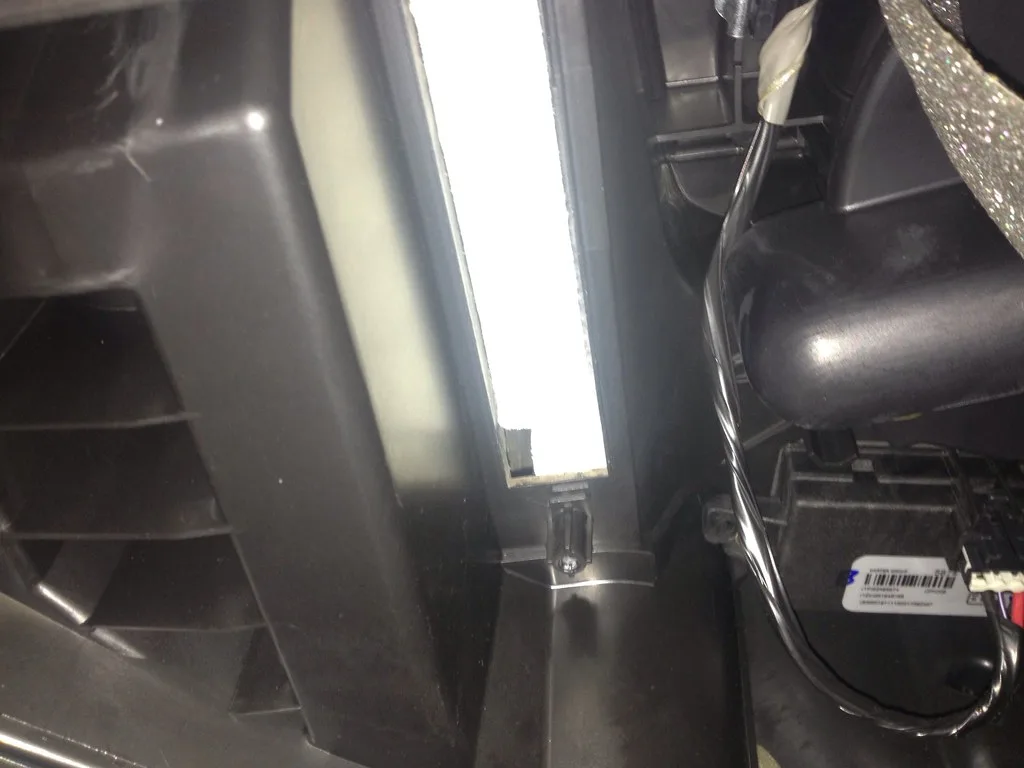
Who is it for?
It is best for drivers who dislike disposable parts and are willing to keep up with cleaning supplies, drying time, and re-oiling. It also makes sense for owners in dusty regions who expect to service the filter on schedule and want to stretch each purchase over multiple maintenance cycles.
It is less convincing for low-maintenance owners who miss oil changes already, for lease drivers who may not keep the car long enough to recover the cost, and for anyone who wants a simple cabin filter swap once a year. If the owner will forget the service interval, the reusable design stops being an advantage.
Decision checklist by buyer profile
- Allergy-sensitive commuter: consider K&N only if airflow matters and you will service it on time; choose a standard disposable filter if your priority is simple, frequent replacement and the least upkeep.
- Dusty-region driver: K&N can make sense because reusable media can be cleaned after heavy dust exposure, but the filter must be maintained carefully or performance falls off.
- Low-maintenance owner or lease driver: skip K&N. The cleaning, drying, and oiling steps are exactly the sort of task that gets deferred.
What works
The reusable design is the main reason to buy it. If the owner keeps up with service, one filter can replace several disposable cabin air filters over time, which cuts waste and avoids repeated trips for replacements.
Airflow is the other draw. K&N cabin air filters are aimed at cabin HVAC filtration with less restriction than many standard paper filters, so drivers with weak airflow complaints may notice stronger vent output. That is not guaranteed in every vehicle, but it is the most believable everyday benefit.
Odorless design helps too. K&N is described as odorless, and that matters for drivers who want cleaner air without the added smell some treated filters can leave behind. The filter is also said to trap dust, pollen, allergens, and fine particulates, which is the baseline job a cabin filter should do.
Why the value can be real
The value comes from ownership discipline, not branding. If the part is installed correctly, cleaned at the service interval, and re-oiled properly, it can stay in service through multiple cycles. That is where the reusable route beats a disposable replacement.
Advance’s notes on electrostatic charge, smaller-particle capture, and a denser pleat pattern suggest a filter built for airflow-aware cabin filtration rather than maximum restriction. That tradeoff can work well in daily driving, especially when the HVAC system already struggles to push air through a clogged filter.
What does not
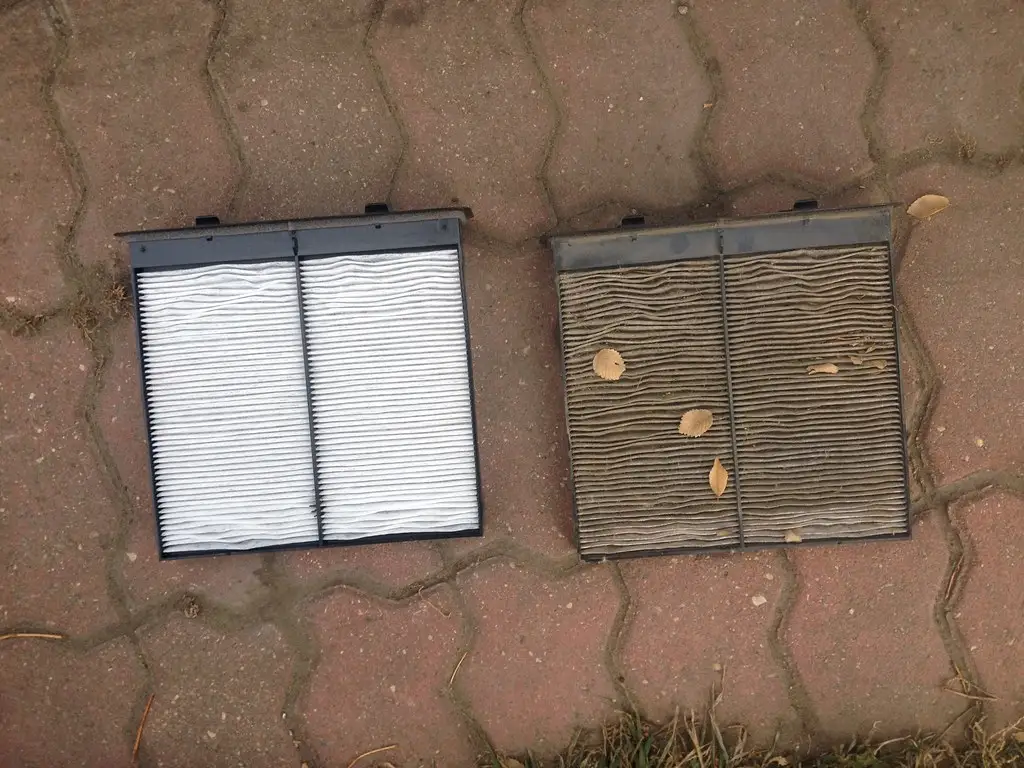
The biggest drawback is upkeep. Cleaning, drying, and re-oiling are not optional, and missed service quickly erodes the point of buying a reusable cabin air filter. Neglect also risks poorer airflow and a cabin that starts to feel stale again.
Over-oiling is another failure mode. Too much oil can create its own problems, and a cabin filter that is handled carelessly may end up worse than a basic disposable filter. Wrong part selection is a separate issue: fitment is make-and-model specific, so buying the wrong number can cause sealing problems and poor performance.
It is also not the best answer for every allergy-sensitive driver. A disposable filter with the right media may be the better choice if the goal is simple replacement and consistent filtration without the maintenance burden. K&N’s airflow focus is part of the appeal, but that same design philosophy is the tradeoff.
How do K&N cabin air filters compare with disposable filters?
K&N cabin air filters are worth comparing against standard disposable cabin air filters as an ownership problem, not just a parts-shelf price. The reusable route costs more up front, but it can save money over time if the filter stays in service long enough and the owner actually performs the maintenance.
Disposable filters are simpler. You buy them, install them, and replace them on the next cycle. K&N asks for more discipline: cleaning supplies, drying time, and re-oiling. In return, it offers reuse, airflow-focused media, and less waste from repeated replacements.
Purchase price versus repeat replacement cost
Glenn estimates K&N at around $40 versus $10-$20 for a disposable one. That gap is easy to see at checkout, but not the whole story. The reusable filter only starts to make sense after several service cycles, and that depends on how long you keep the vehicle and whether you maintain the part properly.
Filtration tradeoffs for dust, pollen, and fine particulates
Standard filters are the safe baseline for many drivers. They handle dust and pollen, and some add carbon for odor control. K&N says its cabin filter is built to trap dust, pollen, allergens, and fine particulates, but the design is still airflow-oriented, so the owner is accepting a maintenance tradeoff rather than buying a no-strings upgrade.
Airflow impact in the HVAC system
Improved airflow can be noticeable, especially in a weak HVAC system or a car that felt choked by an old filter. That said, any improvement is usually modest rather than dramatic. A clean disposable filter can already restore a lot of lost airflow, so the real question is whether the reusable format and service discipline are worth the extra work.
Ownership-cost worksheet and buyer checklist
This is the part most comparison pages skip. A reusable cabin air filter only makes sense if the owner can keep up with the maintenance cycle and spread the cost across enough miles or years. Below is a simple worksheet and a buyer checklist for three common use cases.
Ownership-cost worksheet
| Cost item | K&N reusable | Disposable filter path |
|---|---|---|
| Initial filter purchase | About $40 | $10-$20 |
| Cleaning supplies | Filter cleaner and re-oiling kit required | None |
| Replacement interval | 12,000 miles or 12 months for service | Replace on the usual interval for the vehicle |
| Maintenance effort | Remove, clean, dry, oil, reinstall | Remove and replace |
| Long-term value | Depends on number of service cycles completed | Depends on low purchase price and simplicity |
Three-profile decision checklist
- If you are an allergy-sensitive commuter, choose K&N only if you are comfortable with periodic cleaning and want the airflow-focused design; otherwise use a quality disposable filter with regular replacement.
- If you drive in dusty areas, K&N is more attractive because reuse can pay off after repeated dirty-filter cycles, but only if you do not skip maintenance.
- If you want the lowest-effort ownership path, stay with a disposable cabin air filter. The up-front savings are smaller, but the service burden is much lighter.
Maintenance effort in plain terms
Each year, the reusable filter asks for real work: remove it, wash it with the proper cleaner, let it dry fully, apply oil evenly, and reinstall it in the correct orientation. That is not difficult, but it is more than most drivers want to do for a cabin filter.
How do you clean and re-oil a K&N cabin air filter?
The filter should be cleaned, dried, and re-oiled periodically to keep working properly. That maintenance is part of the ownership cost, not an optional upgrade. Skip it, and the filter loses the very airflow and capture balance that made it appealing in the first place.
Basic cleaning sequence
- Remove the filter from the HVAC housing carefully.
- Use the filter cleaner from the maintenance kit to loosen trapped dirt and debris.
- Rinse and dry the filter fully before oiling.
- Apply the re-oiling product evenly, without soaking the media.
- Reinstall the filter in the correct direction and verify the fit.
Do not rush the drying step. A damp filter is not ready for reinstallation, and over-oiling can create handling and performance problems. The whole process is simple, but only when the owner follows it carefully.
Should you buy one?
Buy K&N if you will service it on schedule, value reusability, and want an airflow-first cabin filter that can make sense over multiple maintenance cycles. Skip it if you want a simple install-and-forget part, if you lease often, or if you know routine cleaning will not happen.
For buyers who want lower upkeep, a quality disposable cabin air filter is the safer choice. For drivers who are disciplined and keep vehicles long enough to spread out the purchase, K&N can pencil out. That is the entire story.
Alternatives
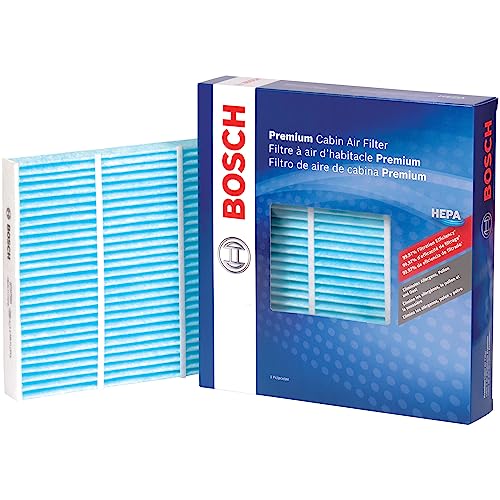
BOSCH 6091C HEPA Cabin Air Filter is the cleaner choice for buyers who want a straightforward replacement with strong particulate control and no oiling routine. Based on the spec sheet and owner feedback, its HEPA-grade approach is a better fit for respiratory sensitivity, but it gives up the reusable angle and the long-term service-cycle savings.

Puroma 1 Cabin Air Filter Activated Carbon fits drivers who care more about odor control and low purchase price than reuse. Its activated carbon layer helps reduce cabin smells, but it is still a disposable part, so the owner keeps paying on each replacement cycle and does not get the maintenance-free appeal of a reusable filter.
Frequently asked questions
Is a K&N cabin air filter worth it?
Yes, but only for owners who will clean and re-oil it on schedule. The value comes from reuse and airflow-focused filtration, not from a lower starting price. If maintenance habits are weak, a disposable cabin air filter is the smarter purchase.
Do K&N cabin air filters improve airflow?
They can. The design is aimed at lower restriction through the HVAC system, so some drivers notice stronger vent output and a less strained feel from the heater or A/C. That effect is real for some vehicles, but it is not guaranteed in every cabin or climate.
How often do you clean a K&N cabin air filter?
K&N and retail listings cite a service interval around 12,000 miles or 12 months. Heavy dust exposure may justify earlier attention. The important part is consistency, because a neglected reusable filter loses the benefit that justified the extra cost.
Are K&N cabin air filters better for allergies?
They can help, since K&N says the filter is meant to trap dust, pollen, allergens, and fine particulates. Still, allergy-sensitive drivers should weigh the maintenance burden carefully. A good disposable filter may be the easier choice if the goal is simple, predictable replacement.
Can a K&N cabin air filter save money long term?
It can, but only if the filter stays in service through enough cleaning cycles. The reusable route starts at a higher price, and the cleaner and oil add ownership cost. If you forget maintenance or sell the car early, the savings may never show up.
Does a washable cabin air filter need oiling?
Yes. That is part of the design. The oiled cotton gauze media depends on proper re-oiling after cleaning, and skipping that step can hurt performance. Too much oil is a problem too, so careful application matters as much as the cleaning itself.
Does K&N cabin filter fit like an OEM filter?
It is described as precision cut for a good fit by vehicle, but fitment still depends on buying the correct make-and-model part number. Wrong part selection can create installation headaches and airflow problems, so compatibility should be checked before purchase.
Which drivers should avoid a reusable cabin air filter?
Drivers who want the least possible upkeep should avoid it. That includes lease owners, forgetful maintenance habits, and anyone who does not want to buy cleaner and oil or schedule service. For those drivers, a standard disposable filter is the cleaner fit.
Products related to this article
Sponsored / affiliate links. As an Amazon Associate I earn from qualifying purchases. I may earn additional commission from eligible campaigns.