Do All Cars Have Front And Rear Brakes? Explained Simply
Yes, all modern cars are equipped with both front and rear braking systems. This dual setup is essential for safe and controlled stopping. The front brakes typically do most of the work. The rear brakes help stabilize the car. This arrangement is a critical safety feature designed into every vehicle.
Understanding Car Braking Systems
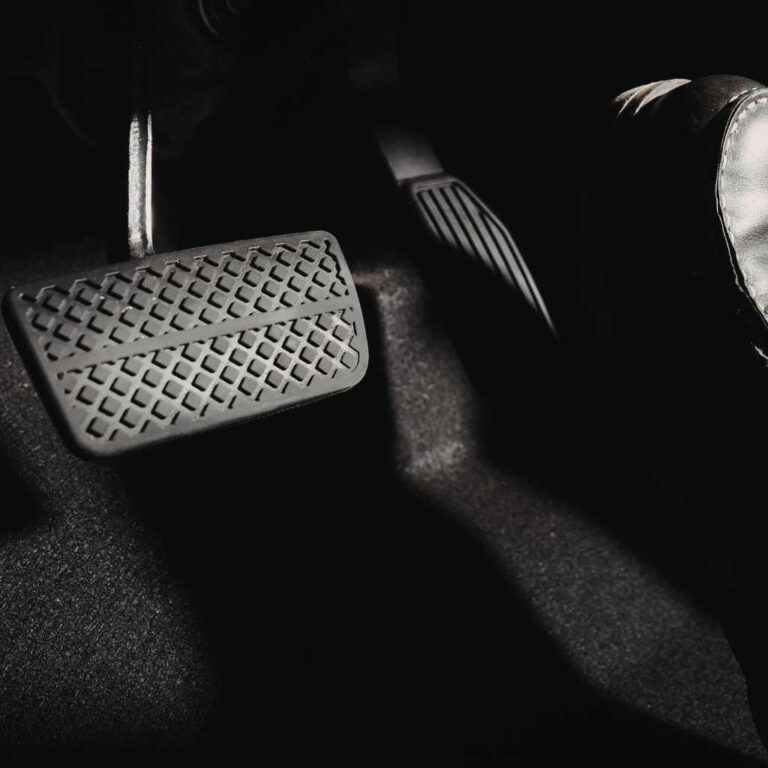
Your car’s brakes are vital. They are the main way you control your speed. They also bring your car to a complete stop.
This happens when you push down on the brake pedal. The system uses a clever mix of parts. These parts work together to create friction.
This friction slows your wheels down.
Think of it like this. When you press the pedal, you push fluid. This fluid goes through tubes.
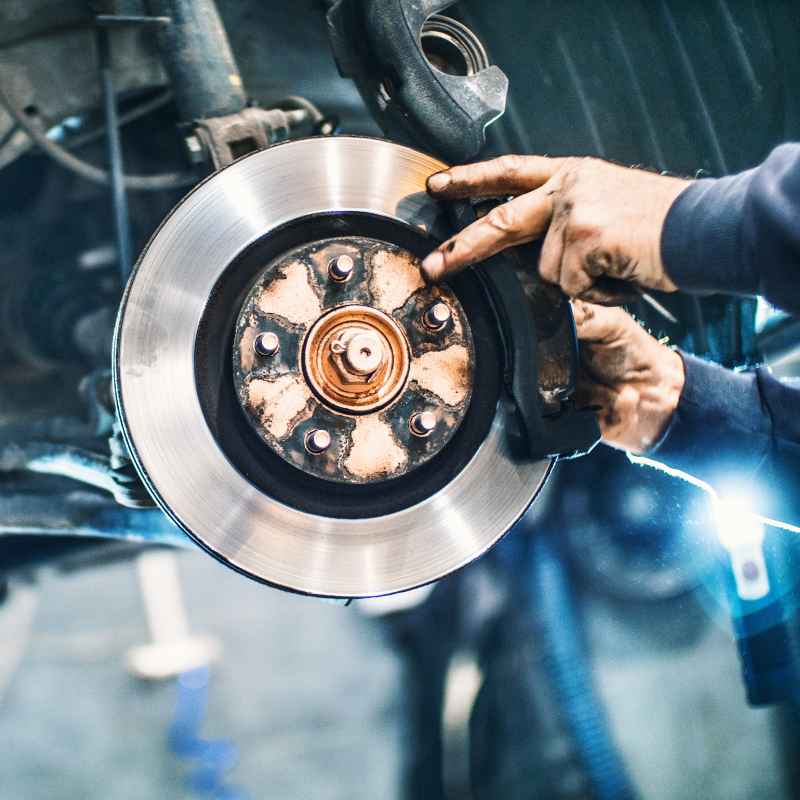
It reaches little cylinders near each wheel. These cylinders push brake pads. The pads then squeeze against spinning discs or drums.
This squeezing action creates the drag. This drag slows the wheel. Then the whole car slows down.
Why Both Front and Rear Brakes Are Key
You might wonder why both ends need brakes. It’s all about balance and safety. Your car’s weight shifts when you brake.
Most of the weight moves forward. This means the front wheels do a lot more work. They handle about 70% to 80% of the stopping power.
The front brakes are usually bigger and stronger for this reason.
But what about the rear brakes? They are not just for show. The rear brakes help keep the car stable.
They prevent the back end from sliding out. This is especially important in slippery conditions. They also help distribute the braking force.
This ensures a smooth and controlled stop. Without rear brakes, stopping would be much less safe. The car could become unstable.
A Personal Experience with Braking Worries
I remember this one time a few years back. I was driving my older sedan on a wet, winding road. It had been raining hard all day.
I was heading home after a long work trip. Suddenly, a deer darted out right in front of me. My heart jumped into my throat.
I slammed on the brakes, expecting the car to stop instantly.
Instead, the car felt a bit… wobbly. Not out of control, but not as solid as I expected. I could feel the rear end wanting to drift a little.
It was a scary few seconds. The car eventually stopped safely, but it made me think. I realized how much I relied on my brakes.
I also realized how important it was for them to work perfectly, everywhere. That experience made me appreciate the engineering behind even simple things like brakes. It made me want to understand them better.
Brake System Quick Facts
Front Brakes: These do the bulk of the stopping. They are usually larger. Most cars use disc brakes here.
Rear Brakes: These help stabilize the car. They also help with stopping. They can be disc or drum brakes.
Brake Fluid: This fluid transfers the force from your pedal to the brakes. It’s crucial that it’s clean and full.
Anti-lock Braking System (ABS): Most modern cars have this. It stops your wheels from locking up. This helps you steer while braking hard.
How Different Braking Systems Work
Cars use different types of brakes. The most common are disc brakes and drum brakes. Many cars have a mix of both.
Understanding these can help you see why both front and rear matter.
Disc Brakes: The Powerhouses
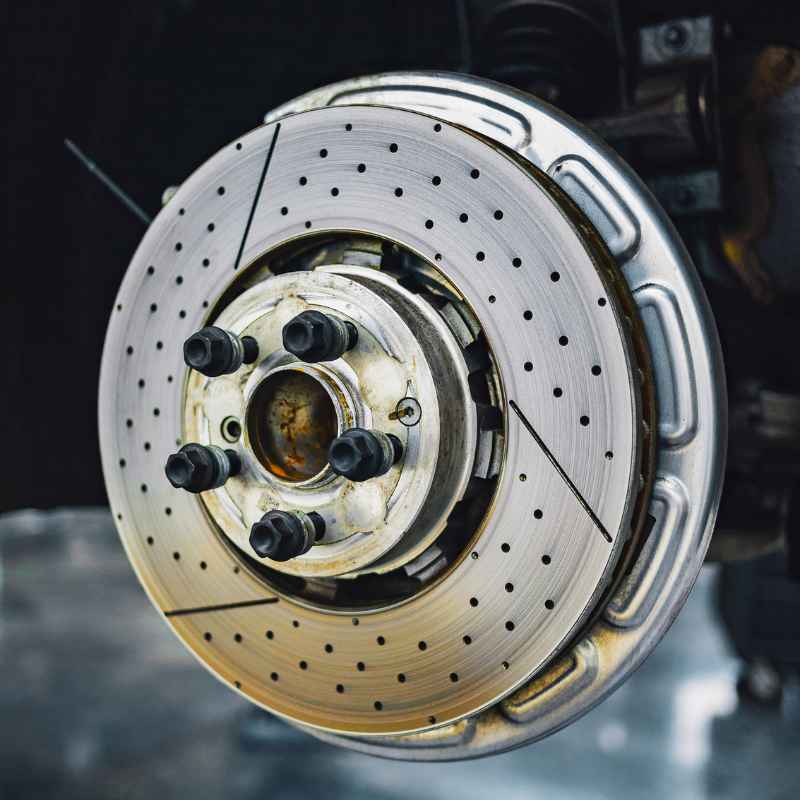
Disc brakes are found on most front wheels. They are also common on rear wheels of performance cars. They work like a bicycle brake, but much stronger.
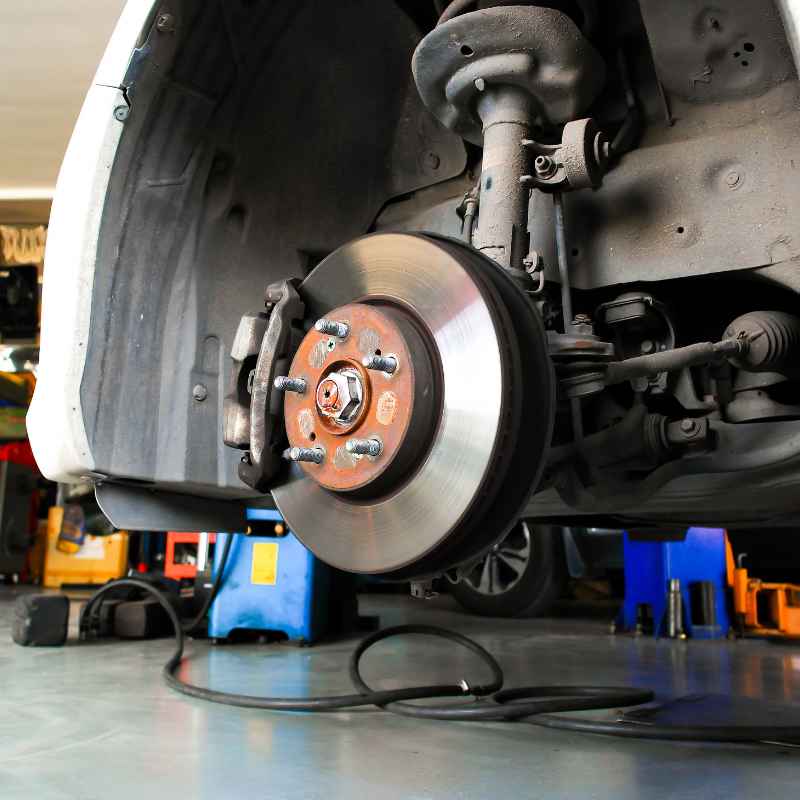
A flat metal disc spins with the wheel. A caliper holds brake pads. When you brake, the caliper clamps these pads onto the disc.
This action creates a lot of friction. It’s very effective at slowing things down. Disc brakes cool down better too.
This is important because braking creates heat. Better cooling means less chance of brake fade. Brake fade is when brakes don’t work as well when they get too hot.
Drum Brakes: The Reliable Workhorses
Drum brakes are often found on the rear wheels of less expensive or older cars. They are shaped like a drum. Inside this drum, there are brake shoes.
When you brake, these shoes push outwards. They press against the inside of the drum. This creates friction to slow the wheel.
Drum brakes are generally less efficient than disc brakes. They can also overheat more easily. However, they are often simpler and cheaper to make.
They also can house the parking brake mechanism more easily. Many cars use drum brakes on the rear for this reason.
Brake Type Comparison
| Feature | Disc Brakes | Drum Brakes |
|---|---|---|
| Stopping Power | High | Moderate |
| Cooling | Good | Fair |
| Cost | Higher | Lower |
| Complexity | Slightly more complex | Simpler |
| Common Location | Front wheels (often all wheels) | Rear wheels (often on older or economy cars) |
Real-World Context: Why This Matters on Your Commute
Think about your daily drive. You’re on the highway. Suddenly, traffic slows way down.
You need to brake smoothly but quickly. The weight of your car is pushing forward. Your front brakes are doing most of the heavy lifting.
They are gripping hard to slow that front-heavy momentum.
Now, imagine you’re driving in a parking lot. You need to make a sharp turn. You might also need to slow down.
The rear brakes help keep the back of the car from fishtailing. This is especially true if you need to brake while turning. The combined effort of front and rear brakes ensures you stay in control.
It prevents your car from becoming a runaway sled.
Consider different weather too. On a dry day, brakes work very well. On a wet or icy road, grip is lost.
This is where the balance of front and rear brakes becomes even more critical. ABS systems help manage this. They pulse the brakes.
This stops them from locking up. It lets you maintain steering control. All this technology relies on having effective brakes at both ends.
Driving Scenarios & Brake Needs
Scenario: Emergency Stop on Dry Road
Brake Role: Front brakes handle most force. Rear brakes add stability and stopping power. ABS prevents skidding.
Scenario: Turning and Braking in Rain
Brake Role: Balanced braking is crucial. Rear brakes prevent oversteer (fishtailing). Front brakes slow the vehicle.
Scenario: Heavy Load or Towing
Brake Role: All brakes work harder. Extra weight puts more strain on the system. Proper maintenance is key.
What This Means for You
So, does every car have front and rear brakes? Yes, absolutely. This setup is standard.
But what does that mean for you, the driver?
When It’s Normal
It is completely normal for your car to have both front and rear brakes. This is how cars are designed. It’s a safety standard.
When you press the pedal, both sets of brakes should engage. You should feel a consistent stopping force.
A healthy braking system feels firm. It doesn’t feel spongy. The car should stop in a straight line.
It shouldn’t pull to one side. You might hear a slight whirring from ABS if you brake very hard. This is normal for cars with that system.
When to Worry
You should worry if your brakes feel off. Signs of trouble include:
- Spongy pedal: If the pedal sinks to the floor, this is serious.
- Grinding noises: Loud scraping sounds mean metal is rubbing.
- Squealing constantly: While some squealing is normal, constant loud squeals can signal worn pads.
- Car pulling to one side: This means one brake is working harder than the other.
- Vibrations: If the pedal or steering wheel shakes when you brake, something is wrong.
- Brake warning light: If this light comes on, get it checked immediately.
These issues mean your brake system is not working as it should. It needs attention from a mechanic.
Simple Checks You Can Do
You can do a few simple checks yourself. First, look at your brake fluid level. It’s usually in a clear or semi-clear reservoir under the hood.
If it’s low, you might have a leak. Second, listen to your brakes. Do they make unusual noises?
Third, pay attention when you drive. Does the car pull when you brake? Does the pedal feel right?
If you notice any of these warning signs, don’t ignore them. Your brakes are too important for that.
Your Brake System Health Check
Visual Check: Look for leaks around the wheels. Check the brake fluid level.
Auditory Check: Listen for strange noises like grinding or constant squealing.
Tactile Check: Feel the brake pedal. Is it firm or spongy? Does the car pull when braking?
Dashboard Check: Watch for the brake warning light.
Quick Tips for Brake Care
Taking care of your brakes is simple. It’s mostly about being aware. Follow your car’s maintenance schedule.
This usually includes brake inspections. Mechanics will check pad thickness, rotor condition, and fluid levels.
Avoid riding your brakes. This means don’t keep your foot on the brake pedal when going downhill for long periods. Use lower gears instead.
This helps prevent overheating. Also, avoid sudden, hard braking unless it’s an emergency. Gentle braking is easier on your system.
Easy Ways to Keep Brakes Healthy
Regular Checks: Get your brakes inspected at recommended service intervals.
Smooth Driving: Avoid riding your brakes downhill. Use engine braking when possible.
Gentle Stops: Brake smoothly and gradually when you can.
Listen Up: Pay attention to any new noises your brakes make.
Fluid Matters: Ensure your brake fluid is clean and at the correct level.
Frequently Asked Questions about Car Brakes
Do all cars have parking brakes in the back?
Most cars have parking brakes that act on the rear wheels. Some older cars might have a separate drum brake system just for the parking brake. Newer cars often use the rear disc brake system with a small drum inside or a different electronic parking brake mechanism.
The main goal is to lock the rear wheels.
What happens if my rear brakes fail?
If your rear brakes fail, your car will still stop, but less effectively and less safely. The front brakes will do almost all the work. This can lead to a longer stopping distance.
It also makes the car unstable, especially when braking hard or turning. The rear end could slide out. It’s a dangerous situation.
Can I drive with worn brake pads?
You can drive with slightly worn brake pads for a short time, but it’s not recommended. Worn pads reduce stopping power. They can also damage the brake rotors, leading to more expensive repairs.
If you hear grinding or squealing, the pads are likely very worn. You should get them checked immediately.
How often should I get my brakes checked?
It’s best to have your brakes checked at least once a year. Many mechanics will inspect them during regular oil changes or tire rotations. If you drive a lot, especially in harsh conditions, you might need them checked more often.
Always get them checked if you notice any changes in how they feel or sound.
What is brake fade?
Brake fade happens when brakes get too hot. This usually occurs during heavy use, like going down a long mountain road. The heat causes the brake components to become less effective.
This means your car won’t stop as well. Good brake design and maintenance help prevent this.
Are front brakes more important than rear brakes?
While both are critical for safety, front brakes are generally more important for stopping power. They handle about 70-80% of the braking force. However, rear brakes are crucial for stability and preventing skids.
You need both working correctly for safe driving.
Conclusion
So there you have it. The answer is a clear yes. All cars are built with both front and rear brakes.
This dual system is not just a feature; it’s a safety necessity. It ensures your car stops predictably and safely in all sorts of situations. Understanding this basic fact helps you appreciate your car’s engineering.
Products related to this article
Sponsored / affiliate links. As an Amazon Associate I earn from qualifying purchases. I may earn additional commission from eligible campaigns.